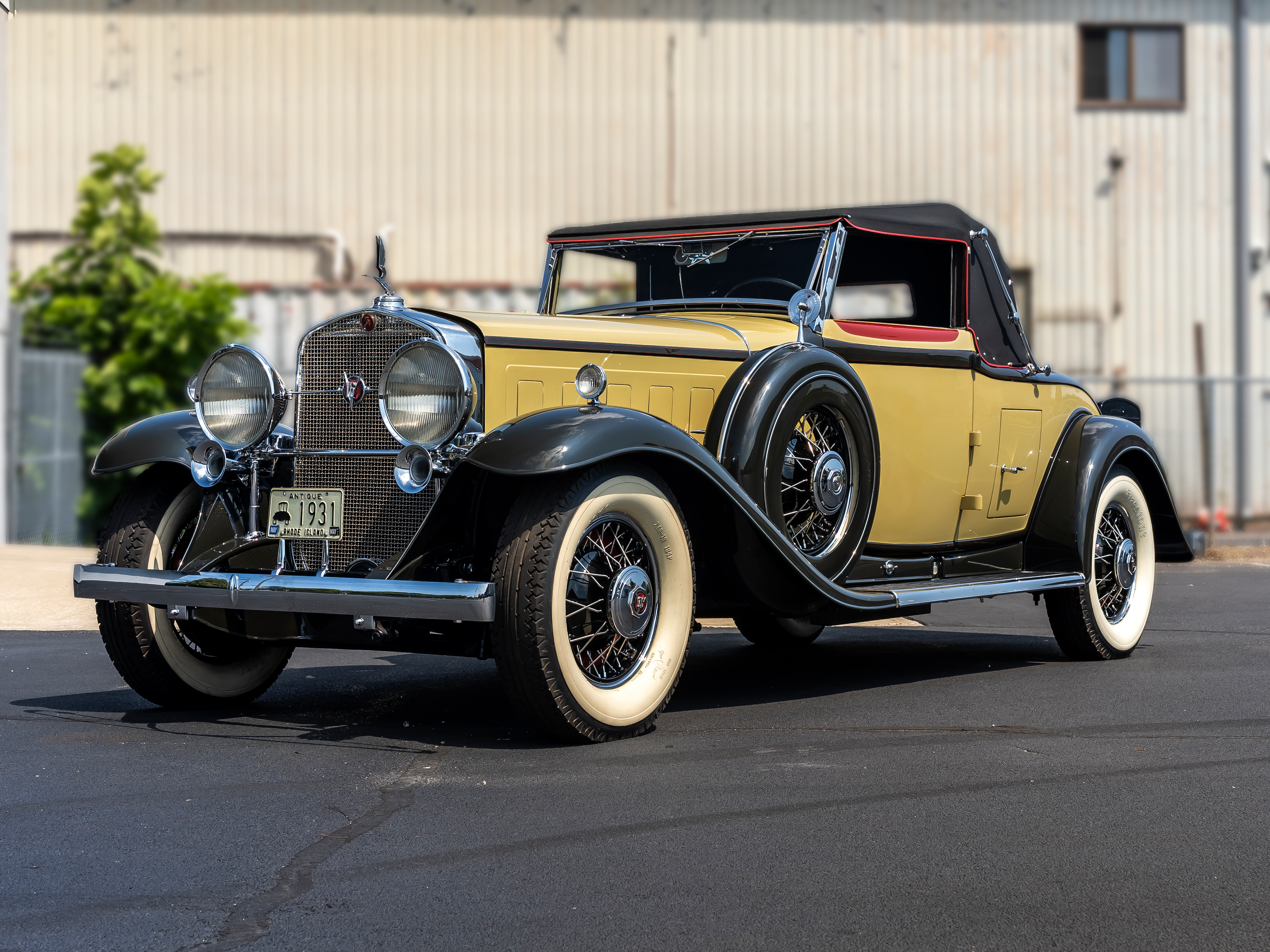
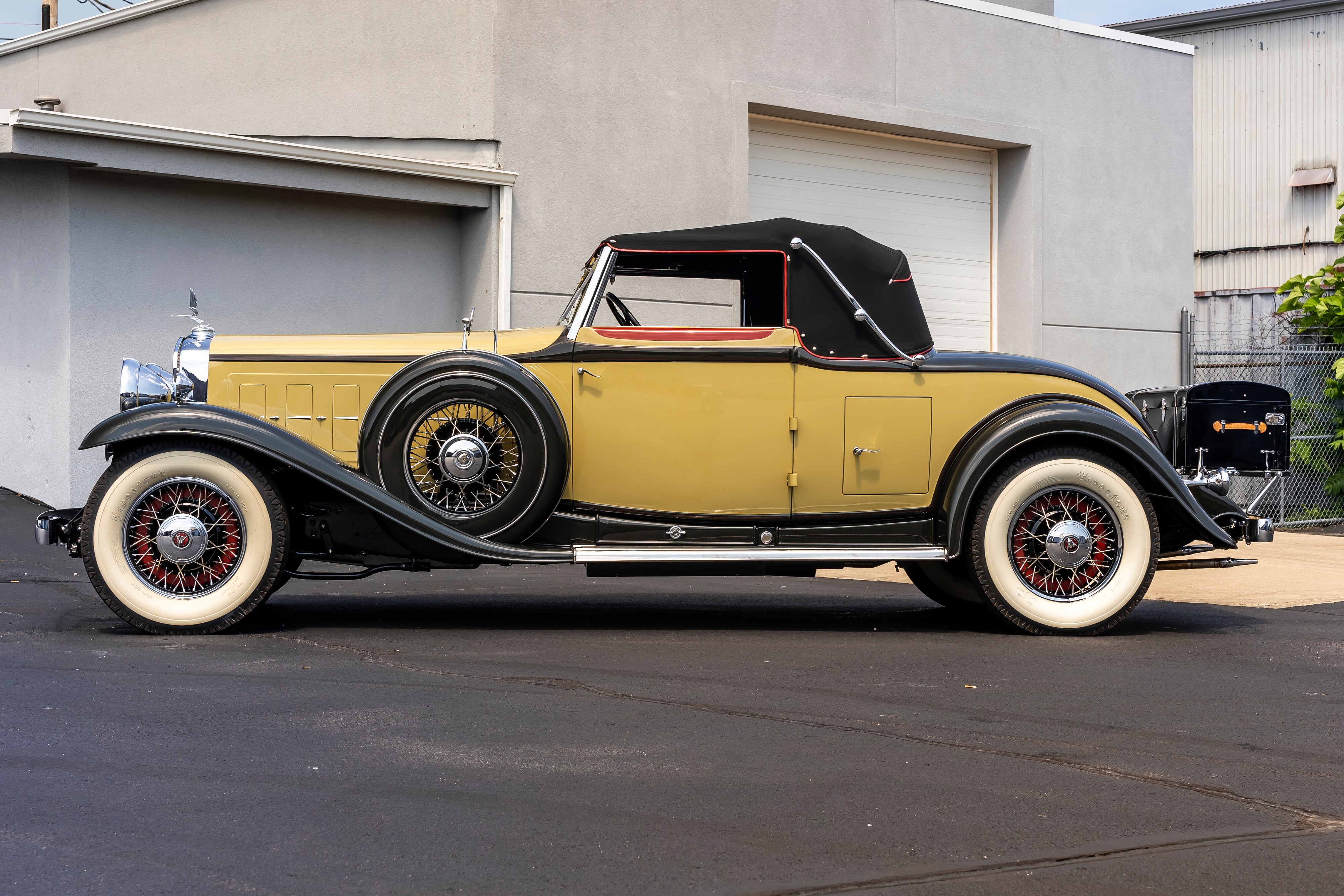
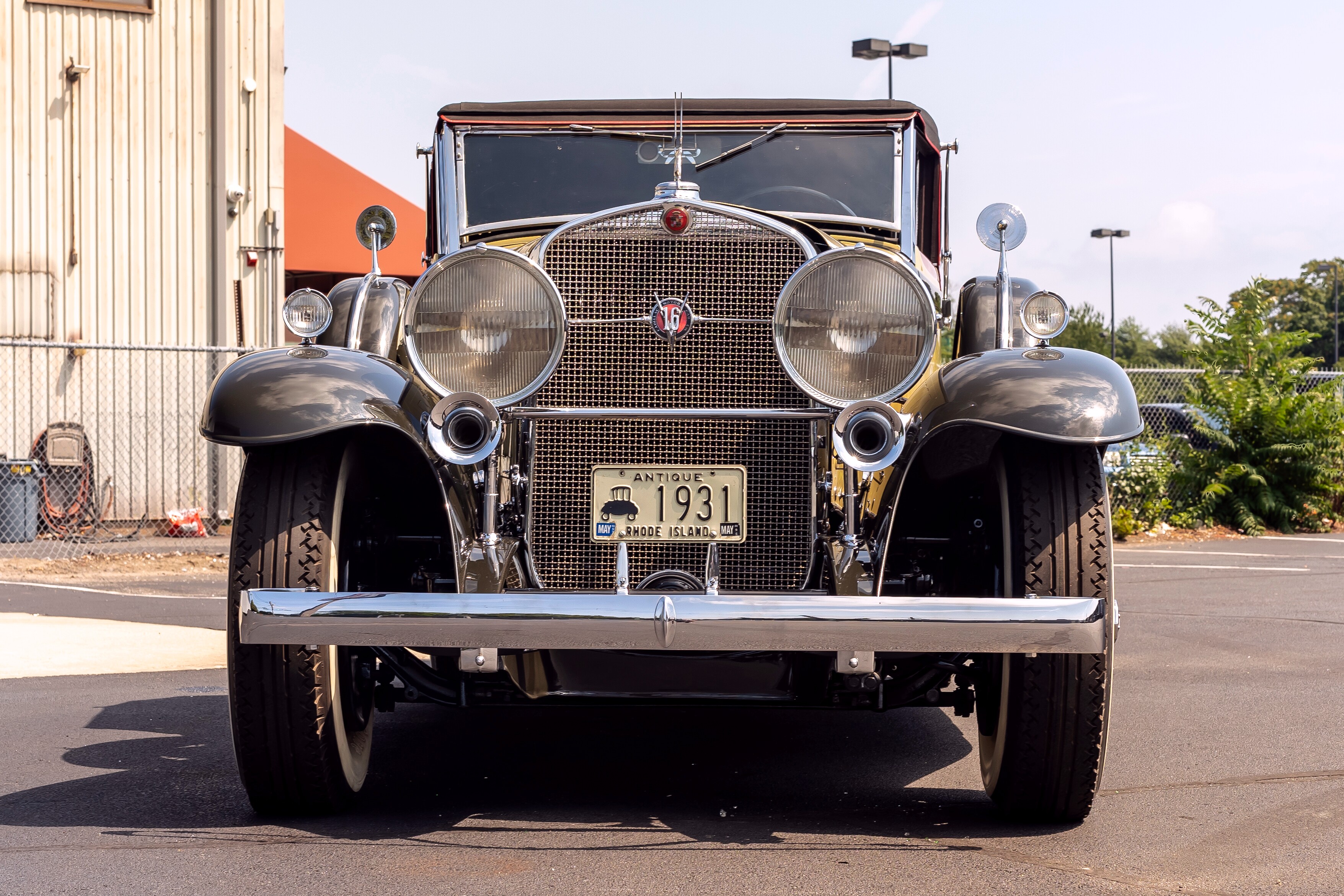
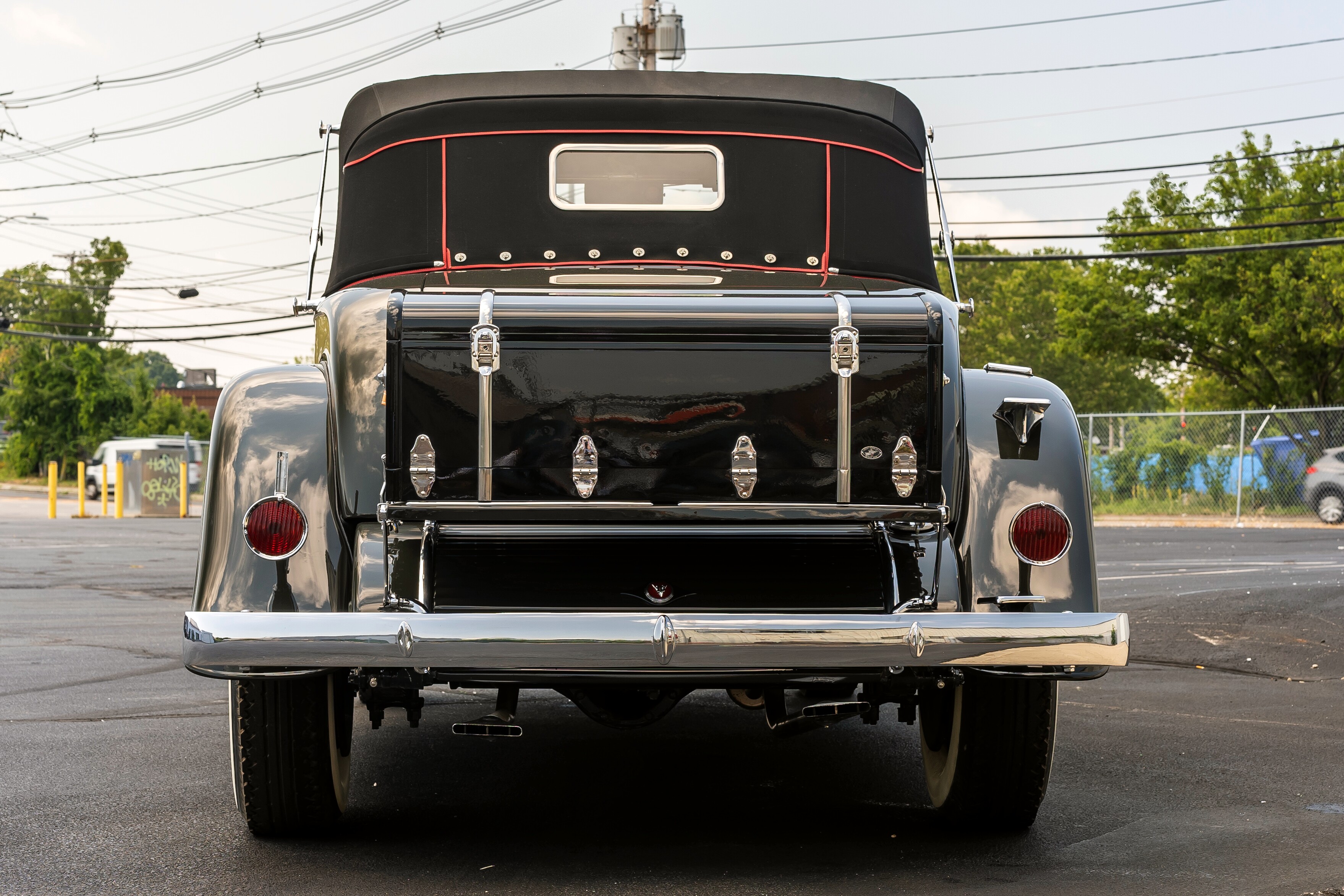
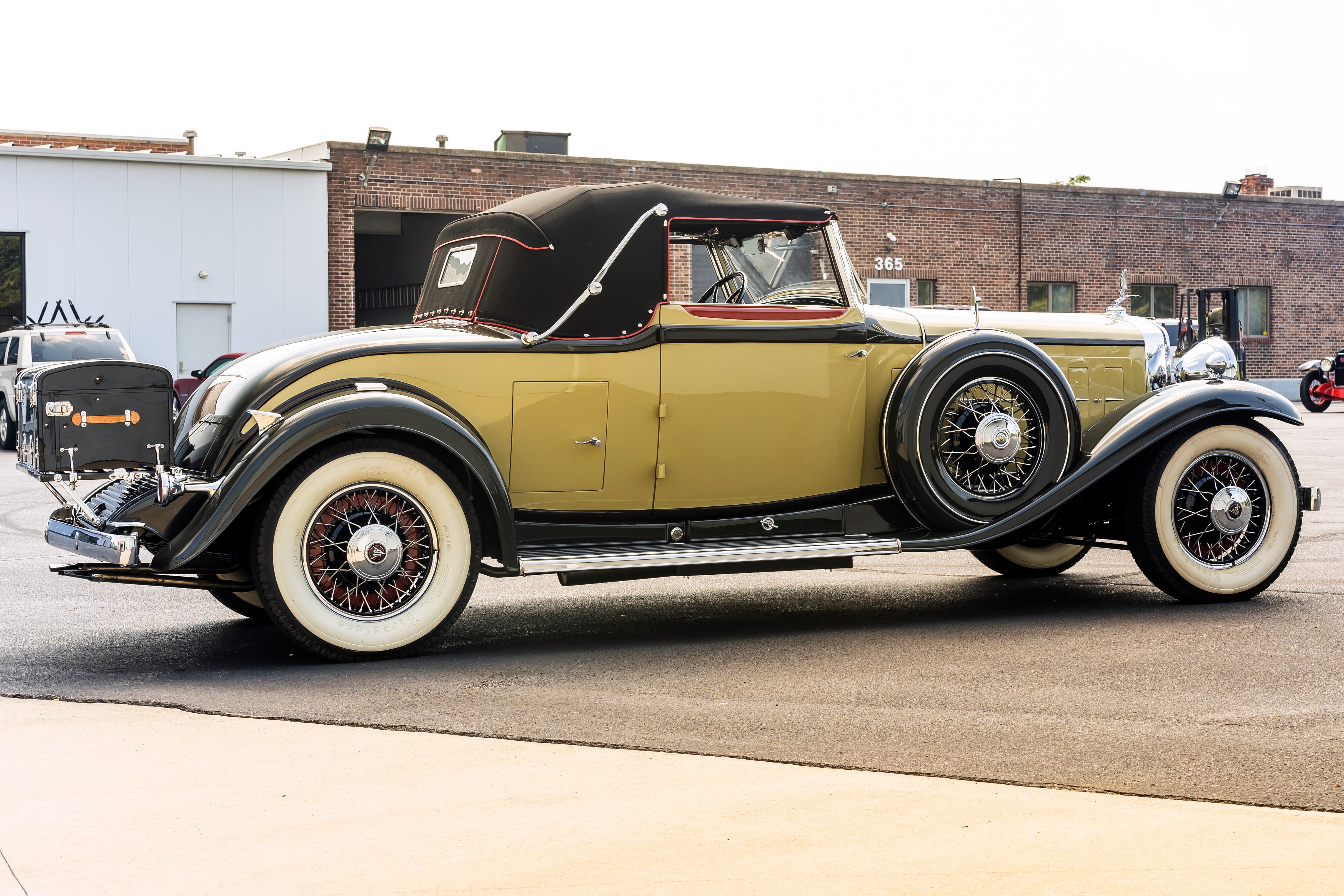
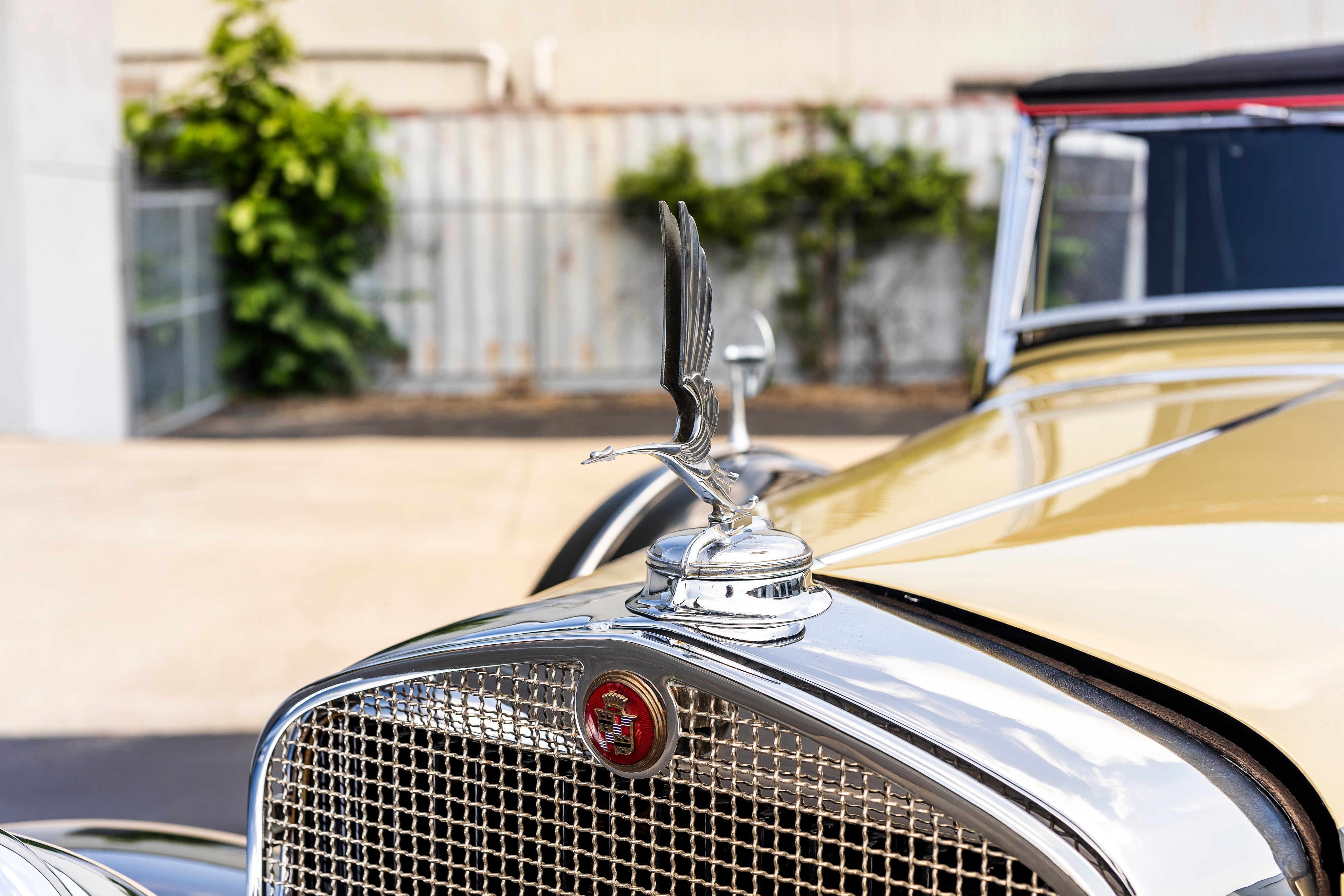
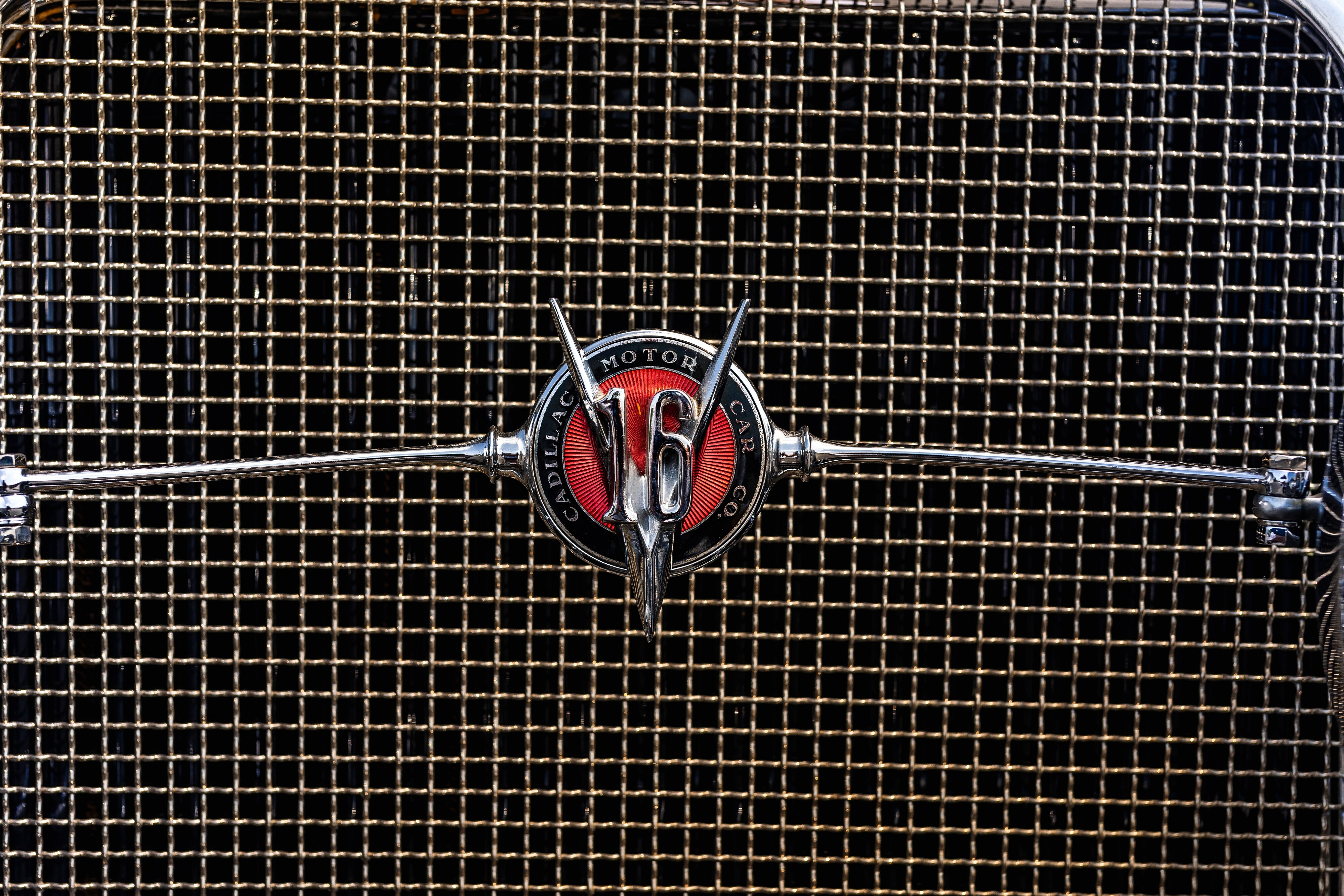
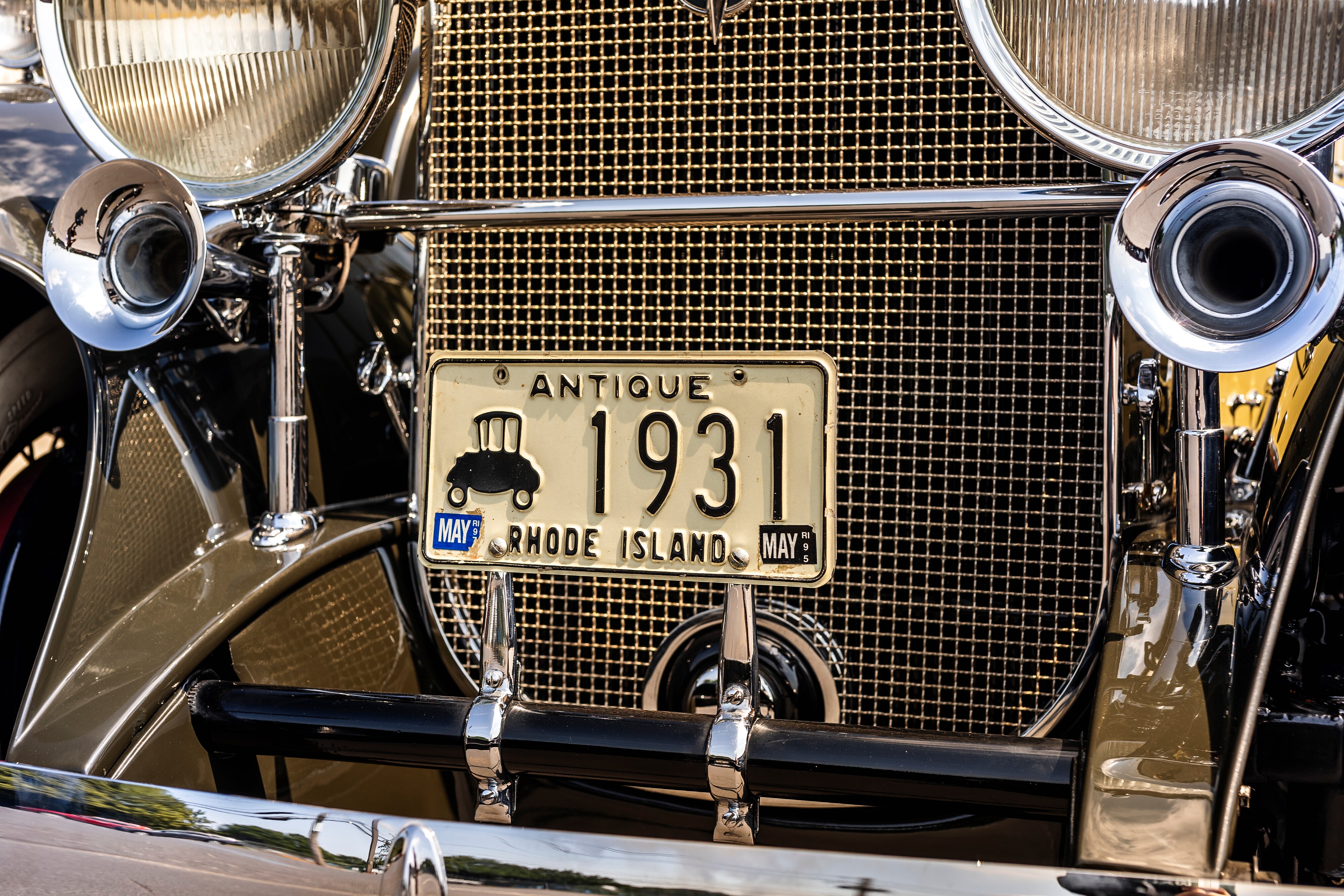
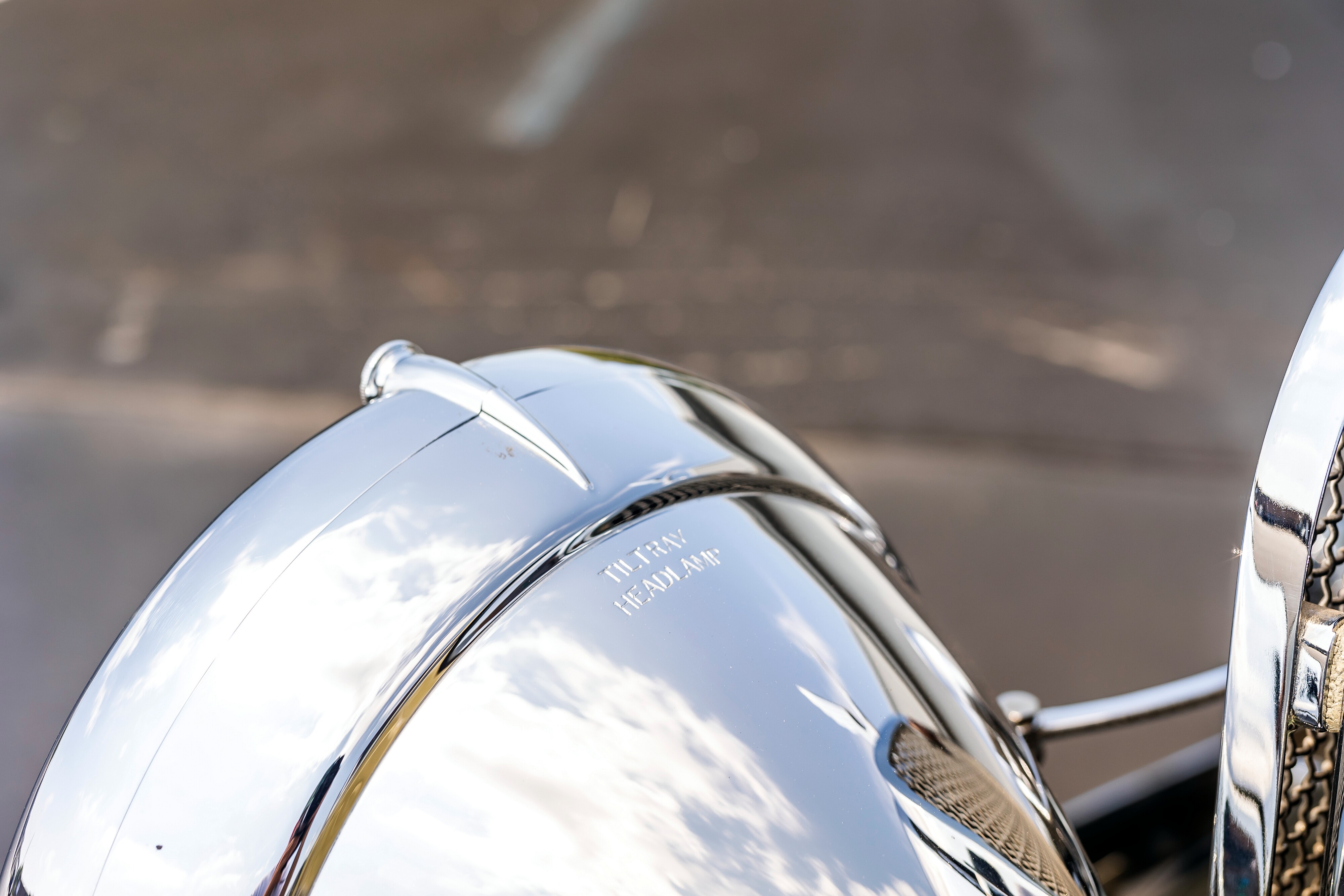
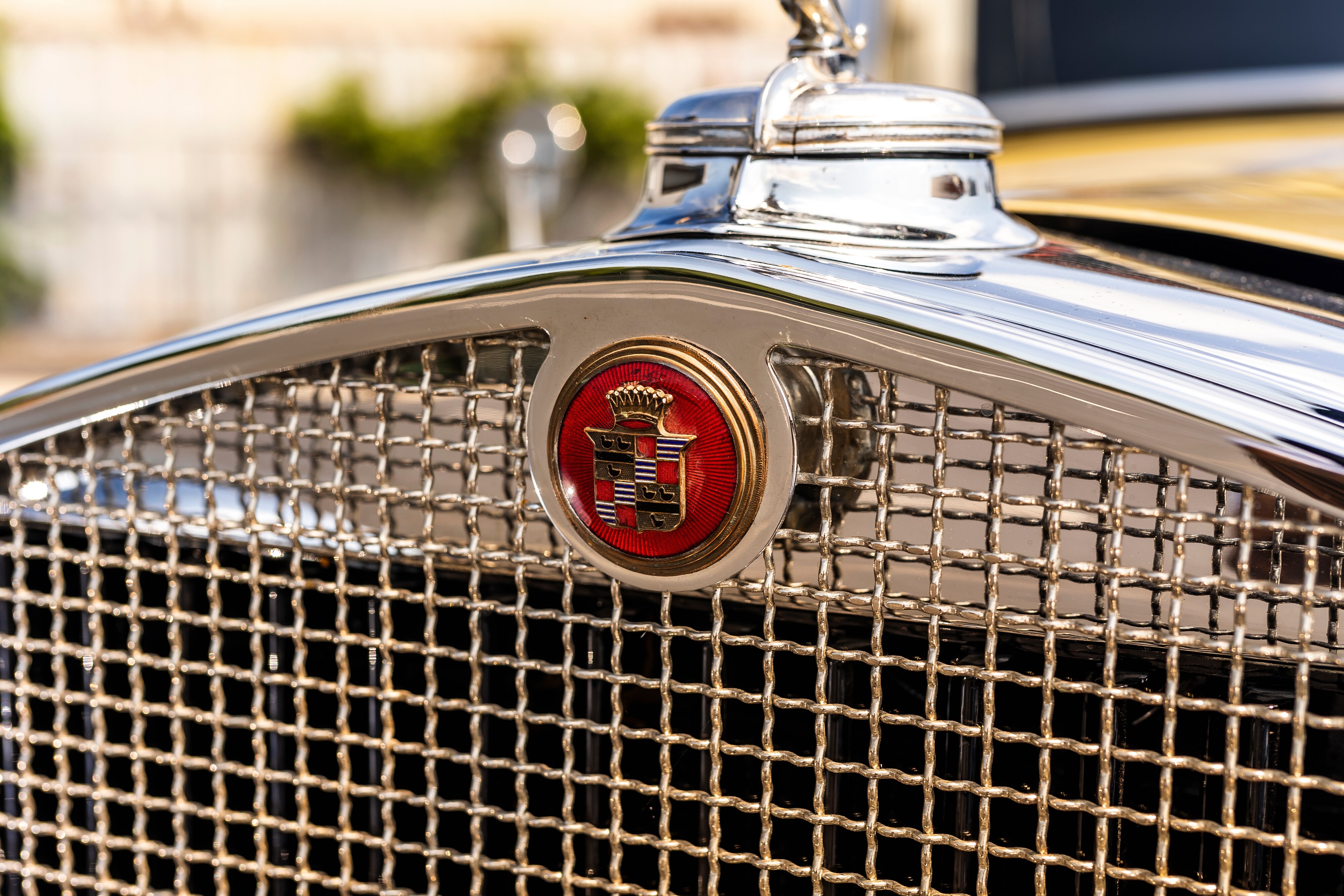
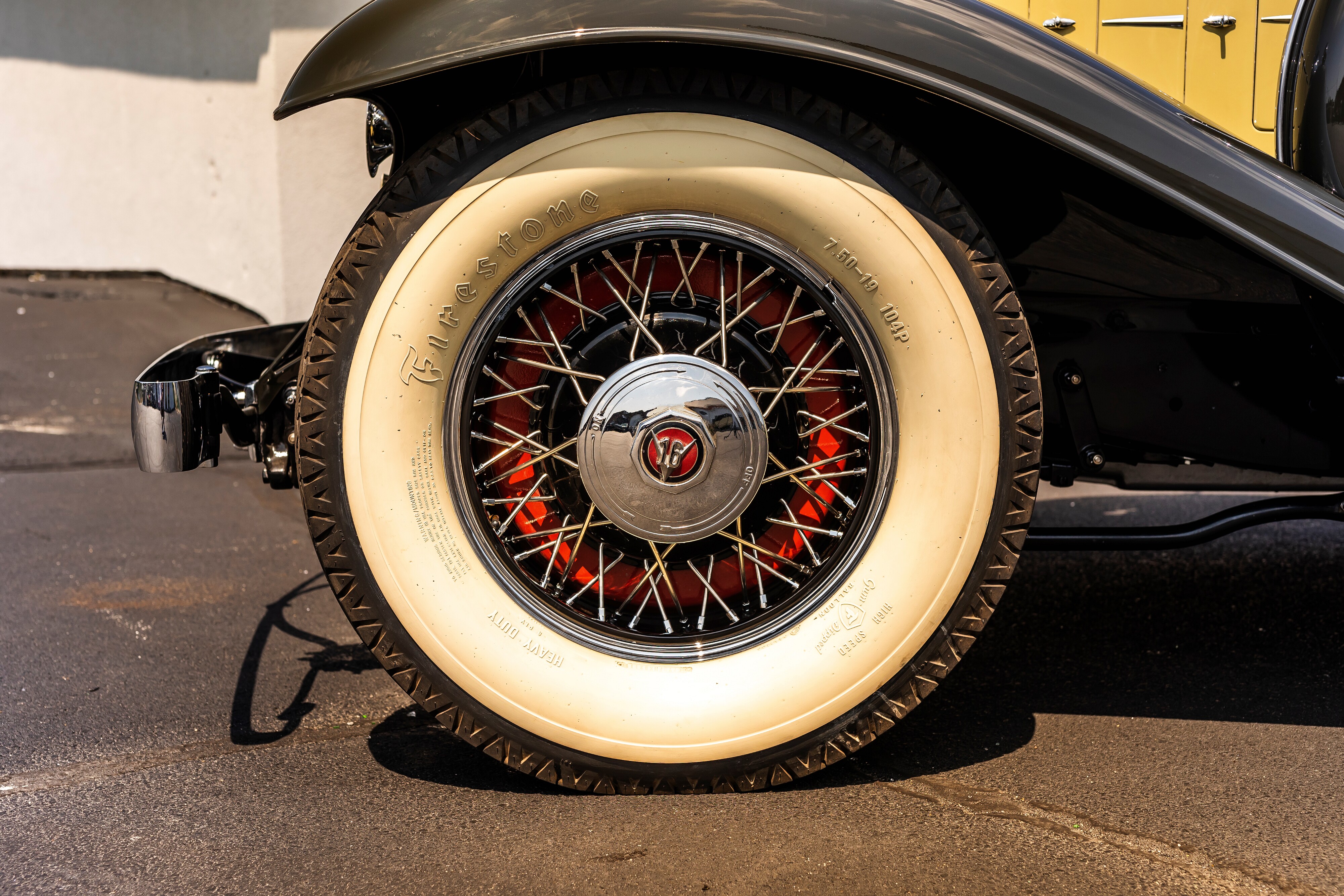
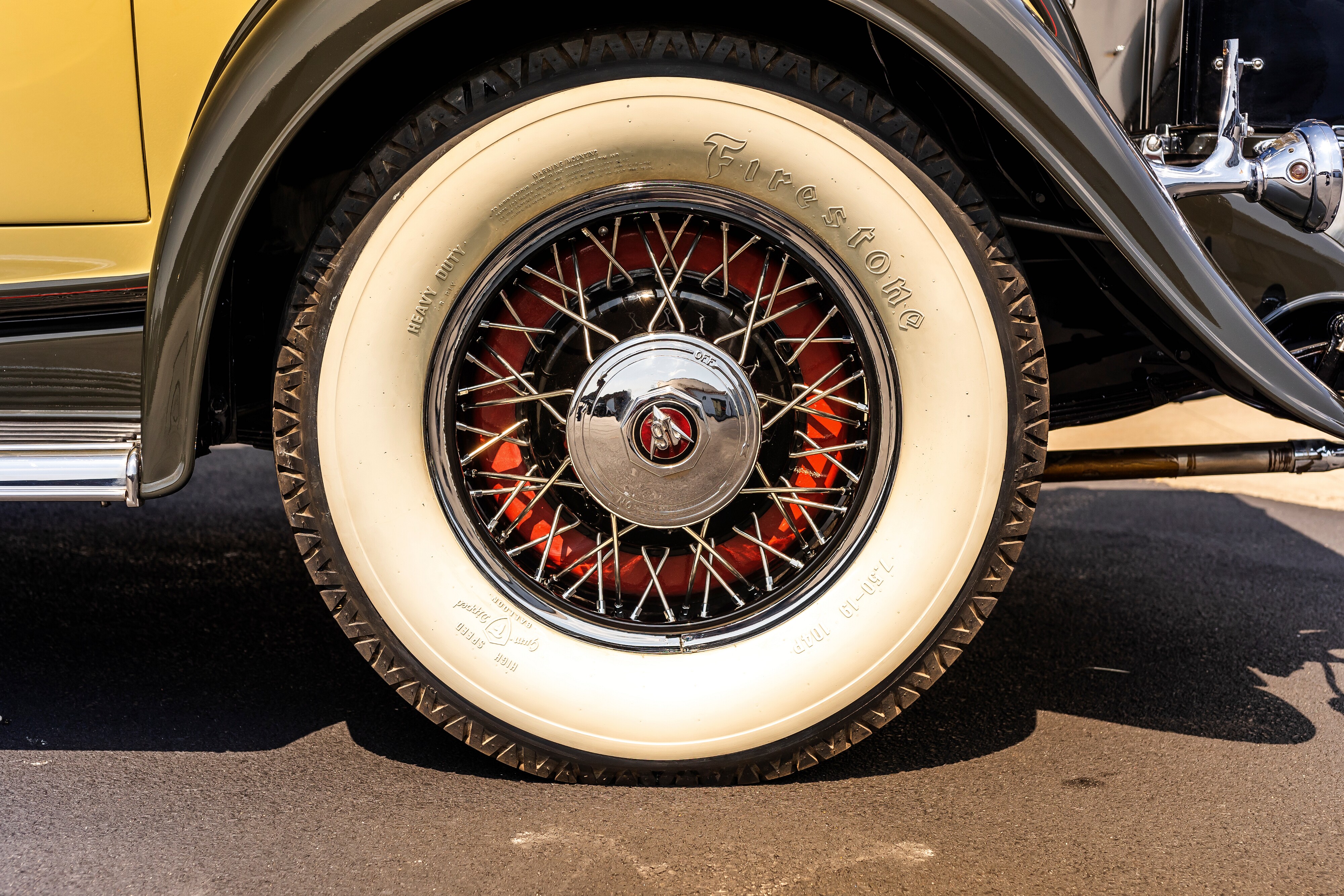
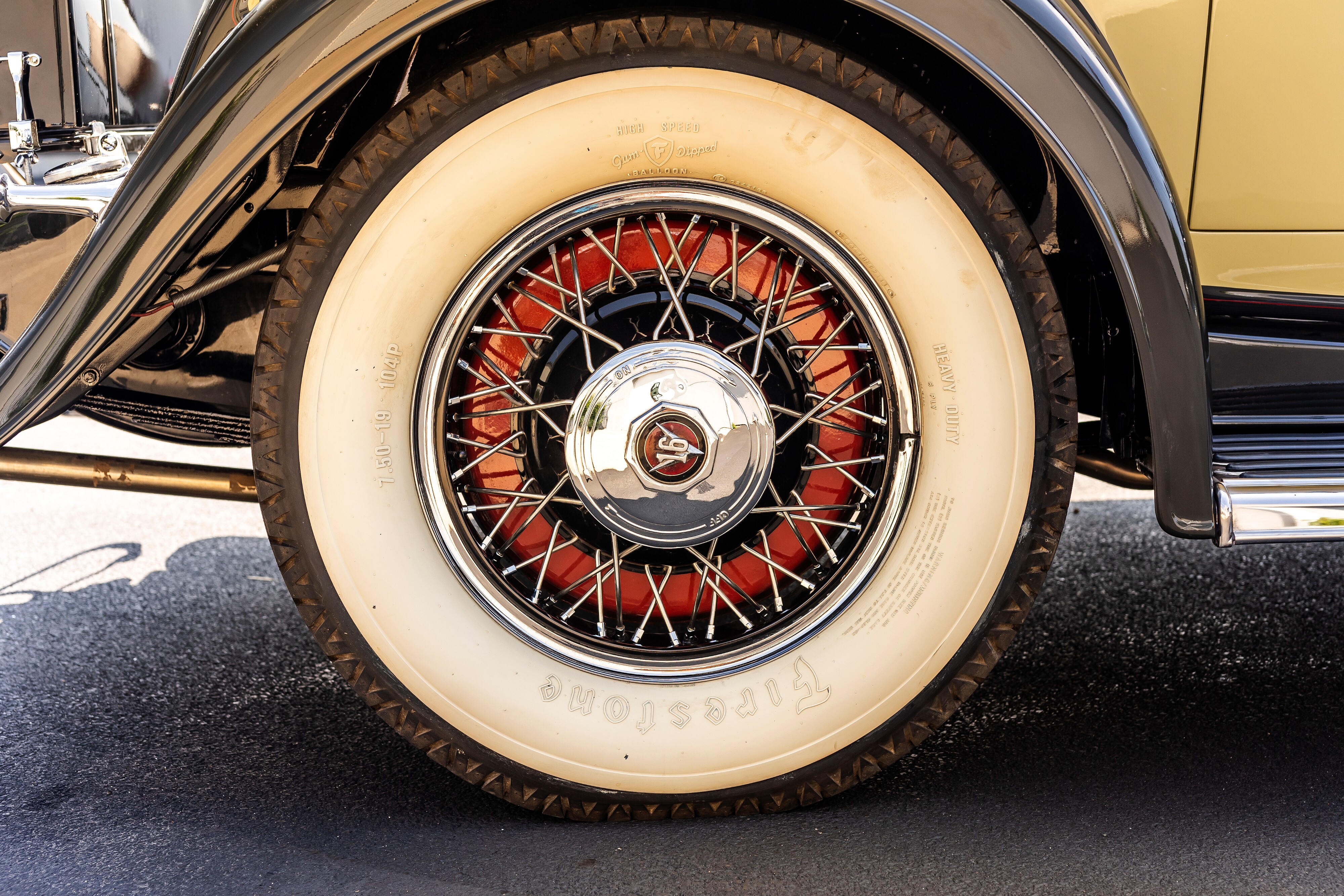
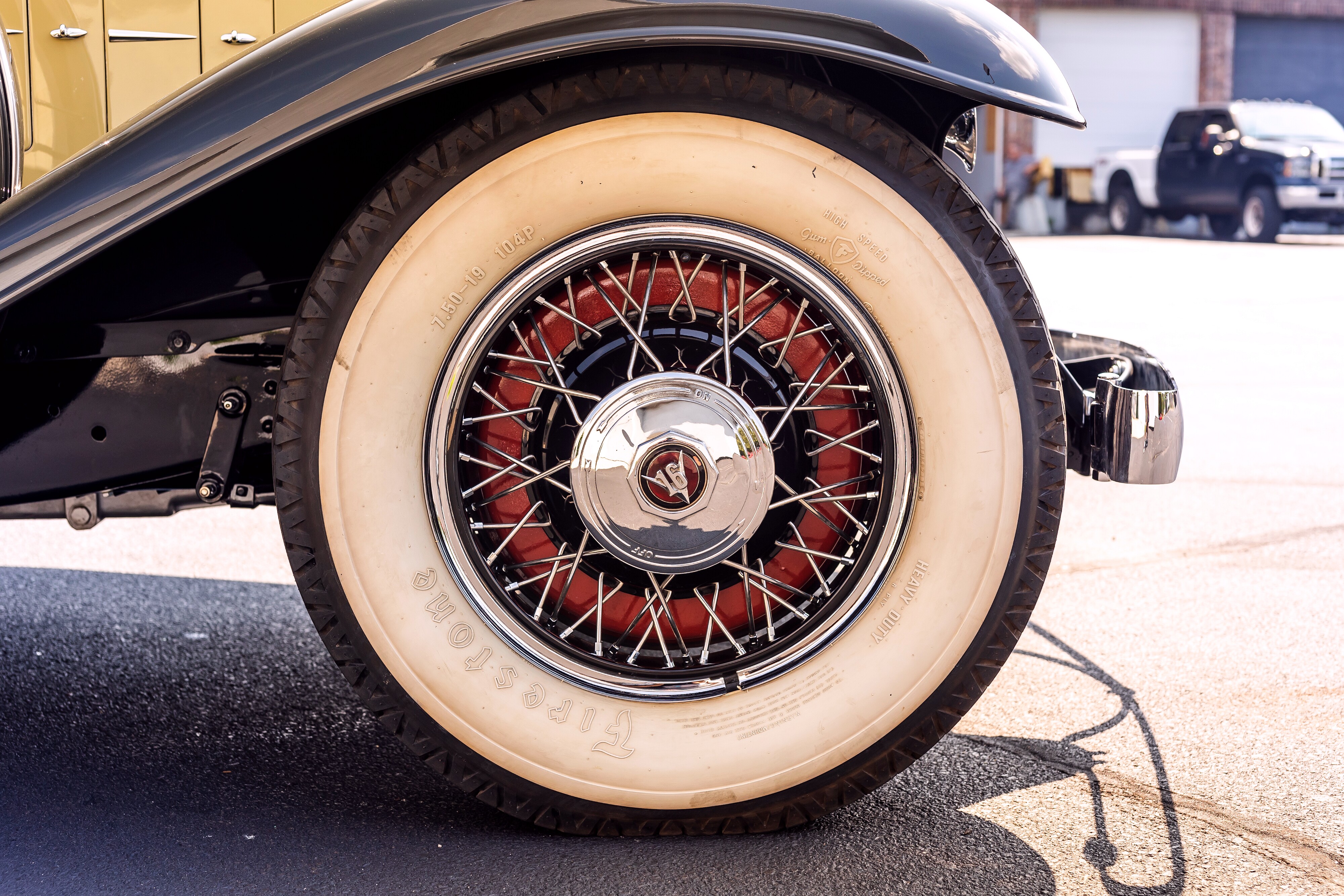
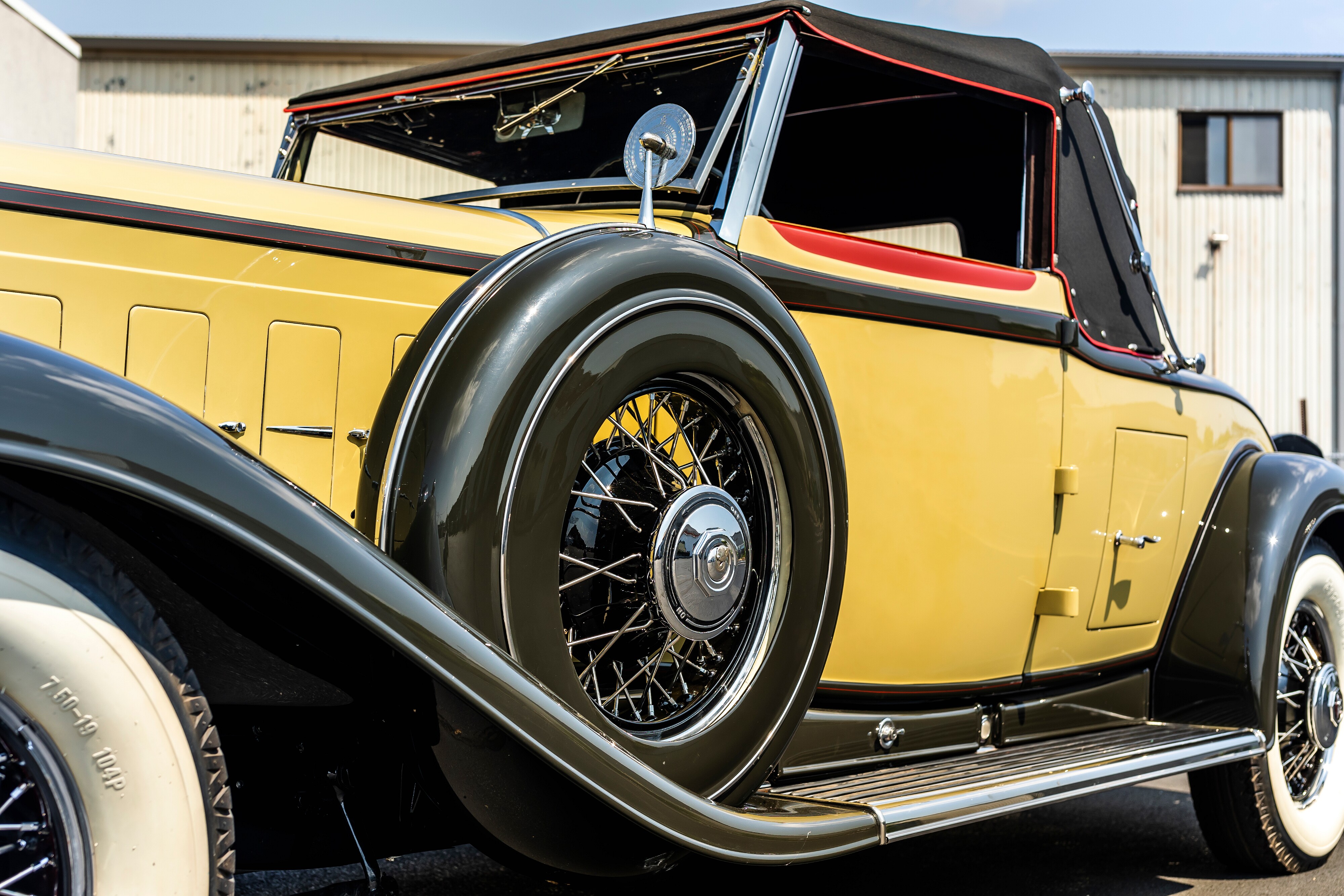
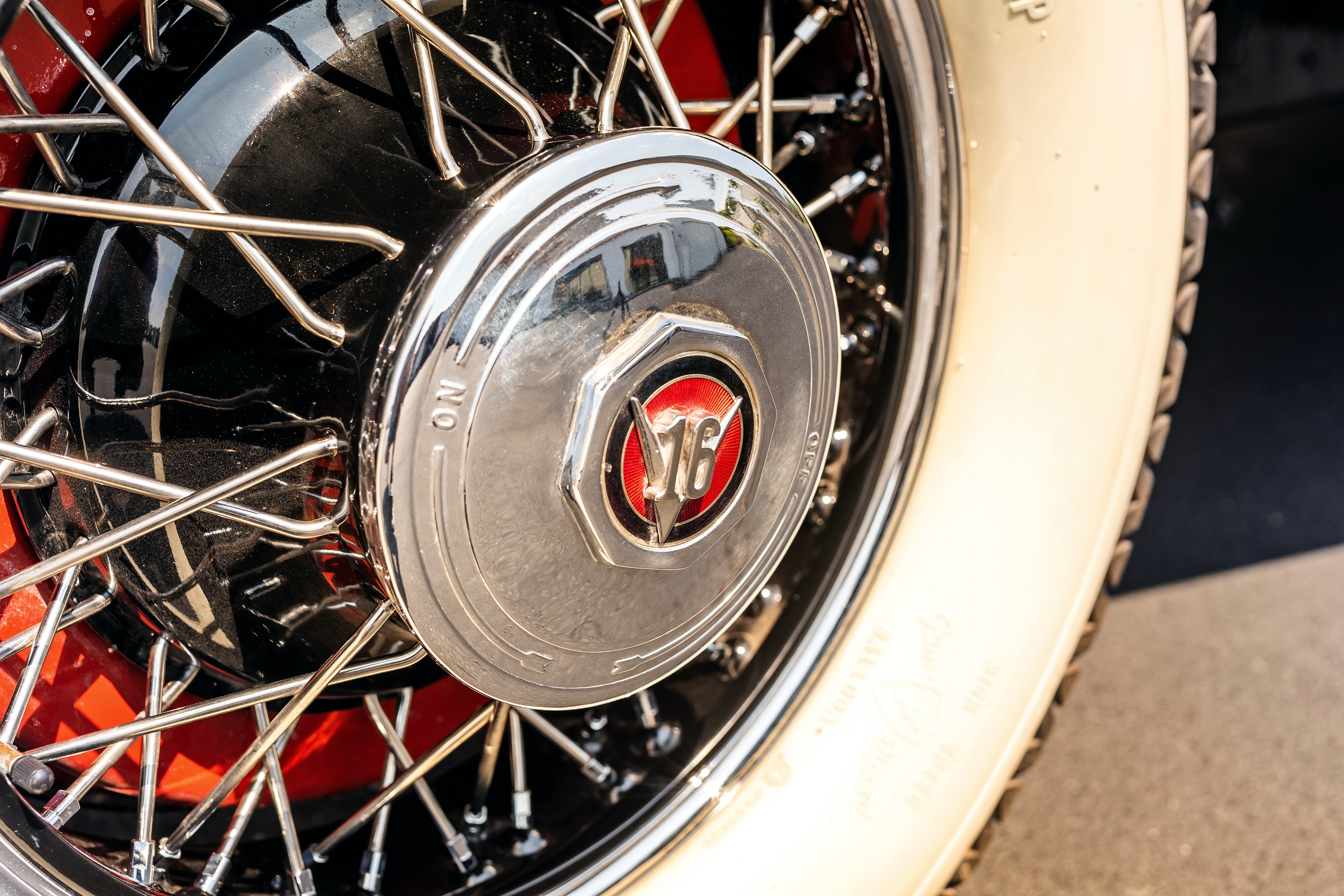
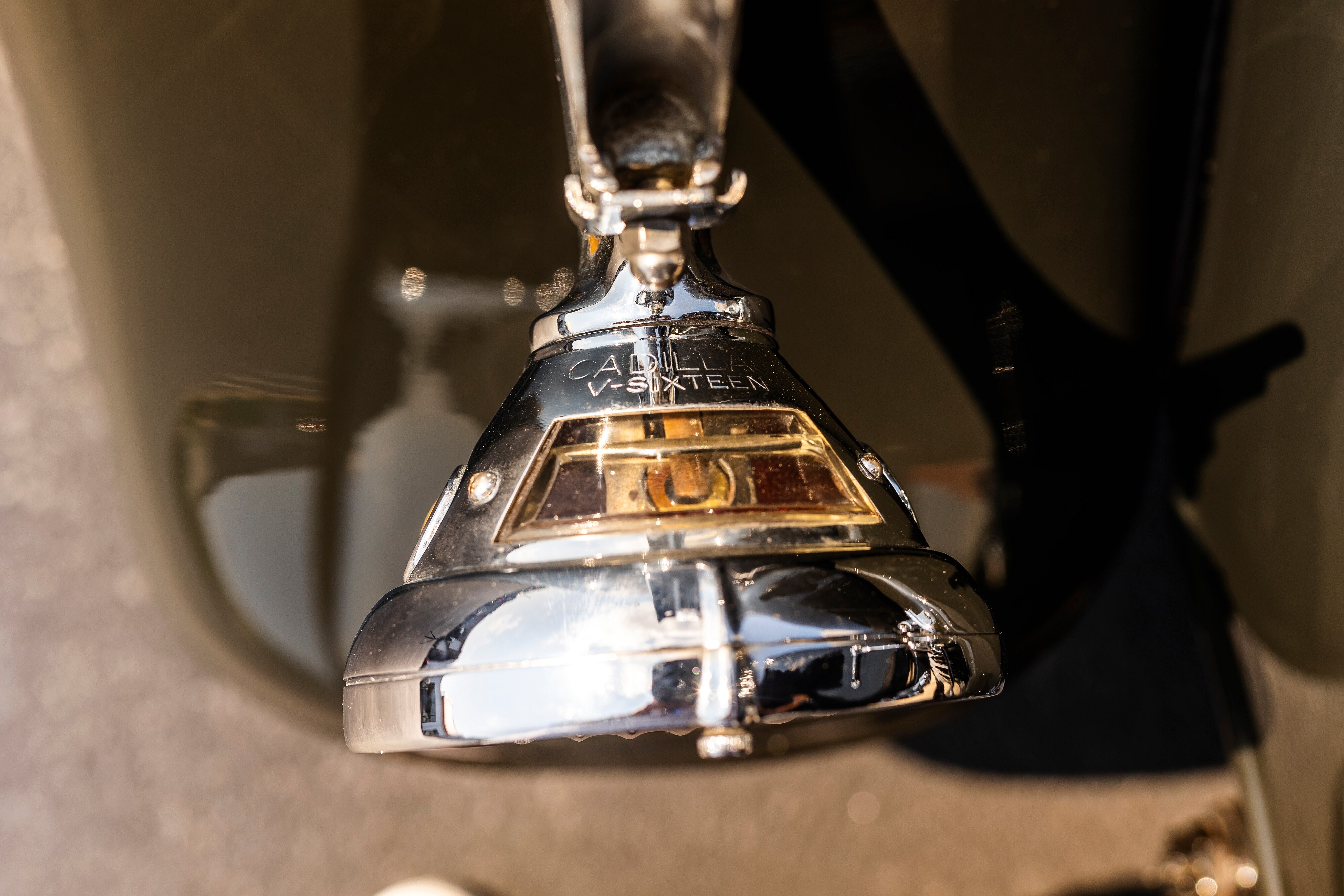
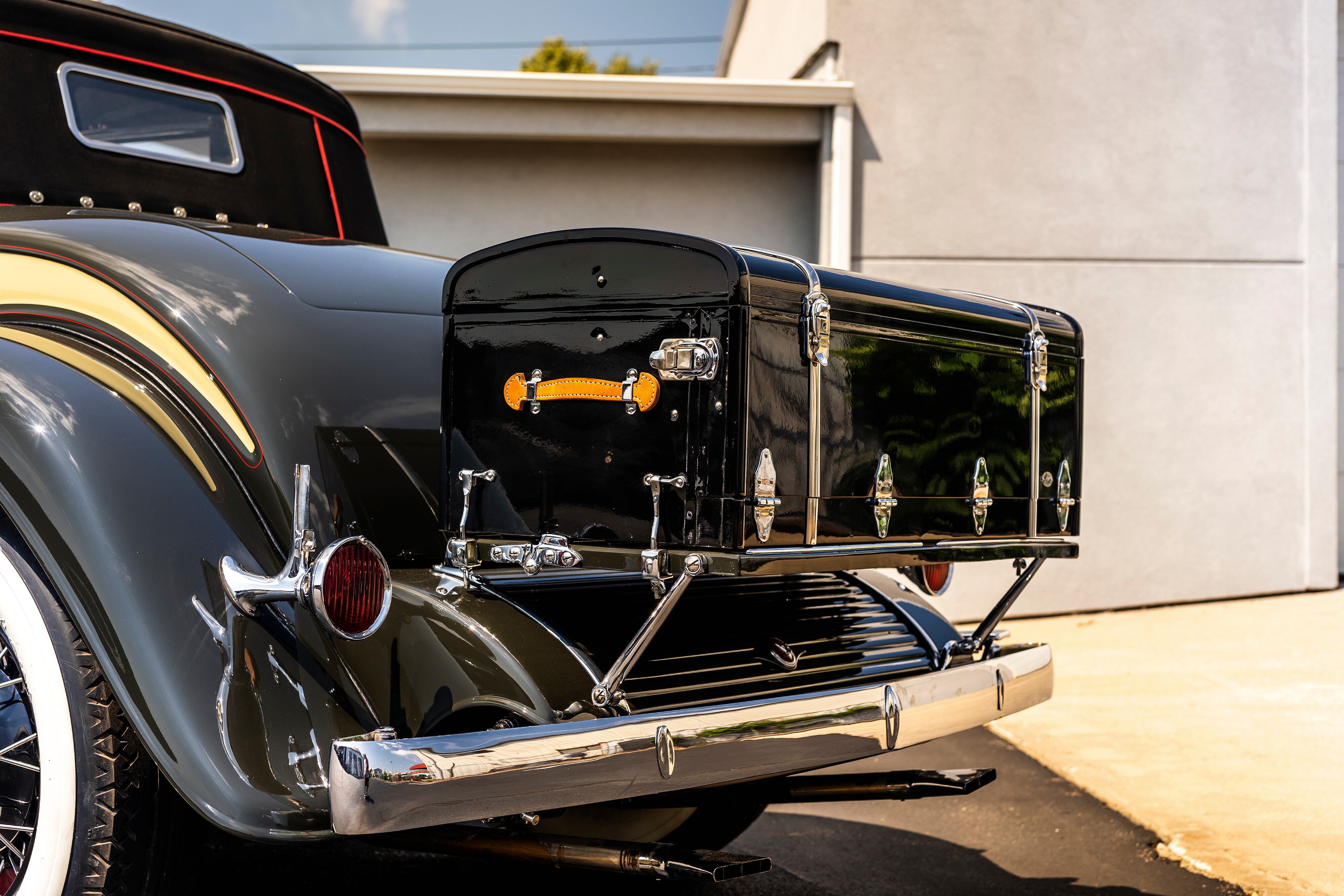
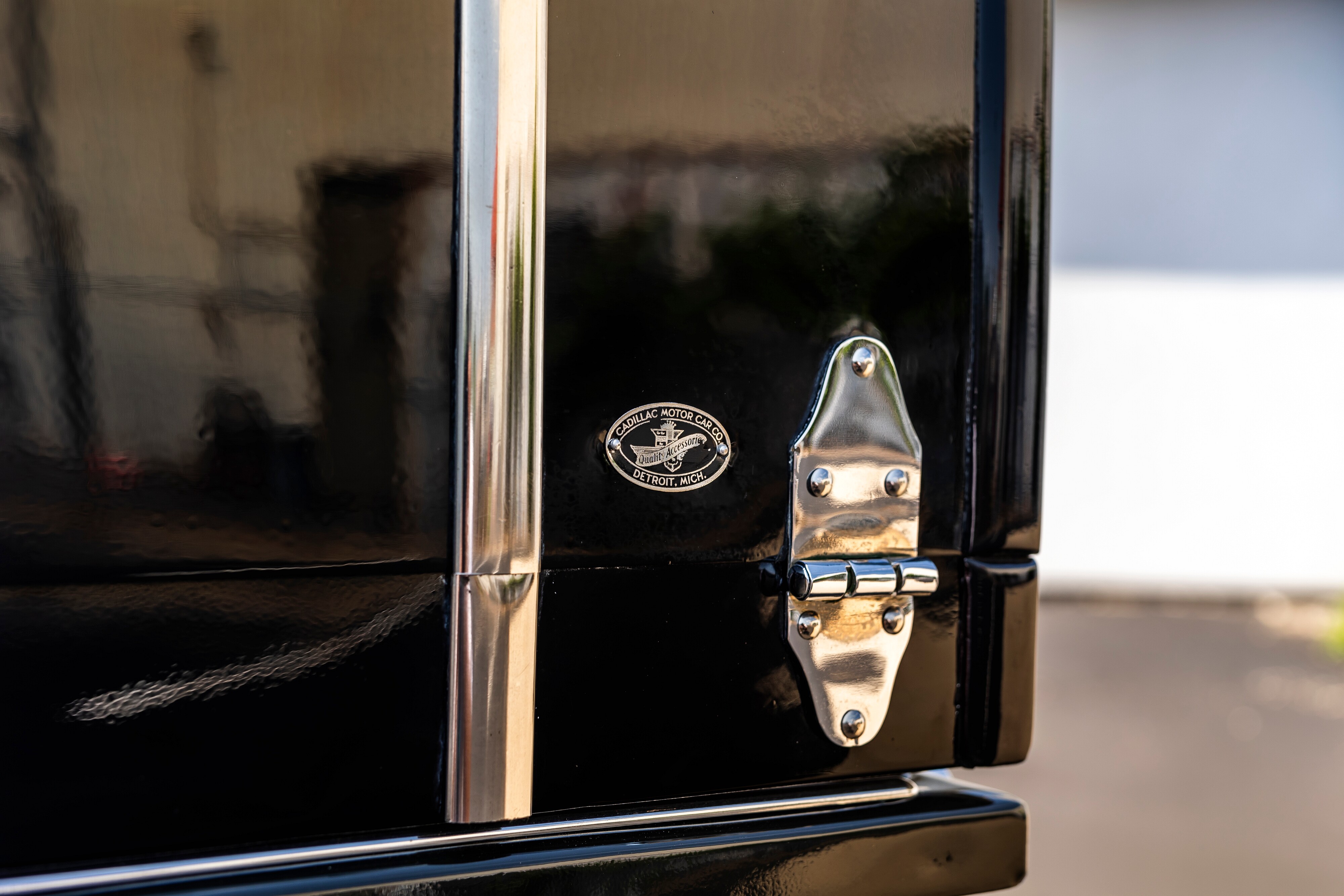
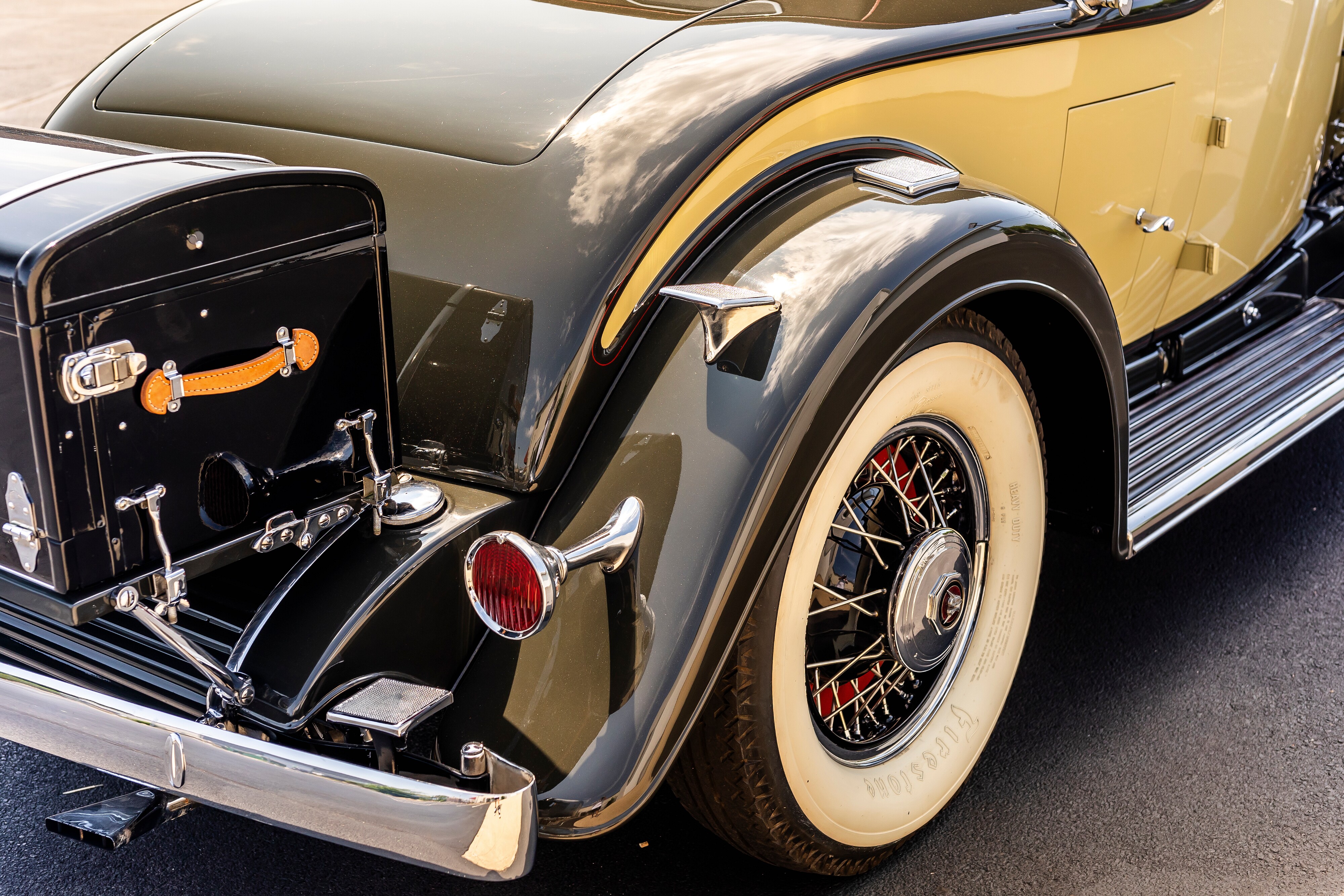
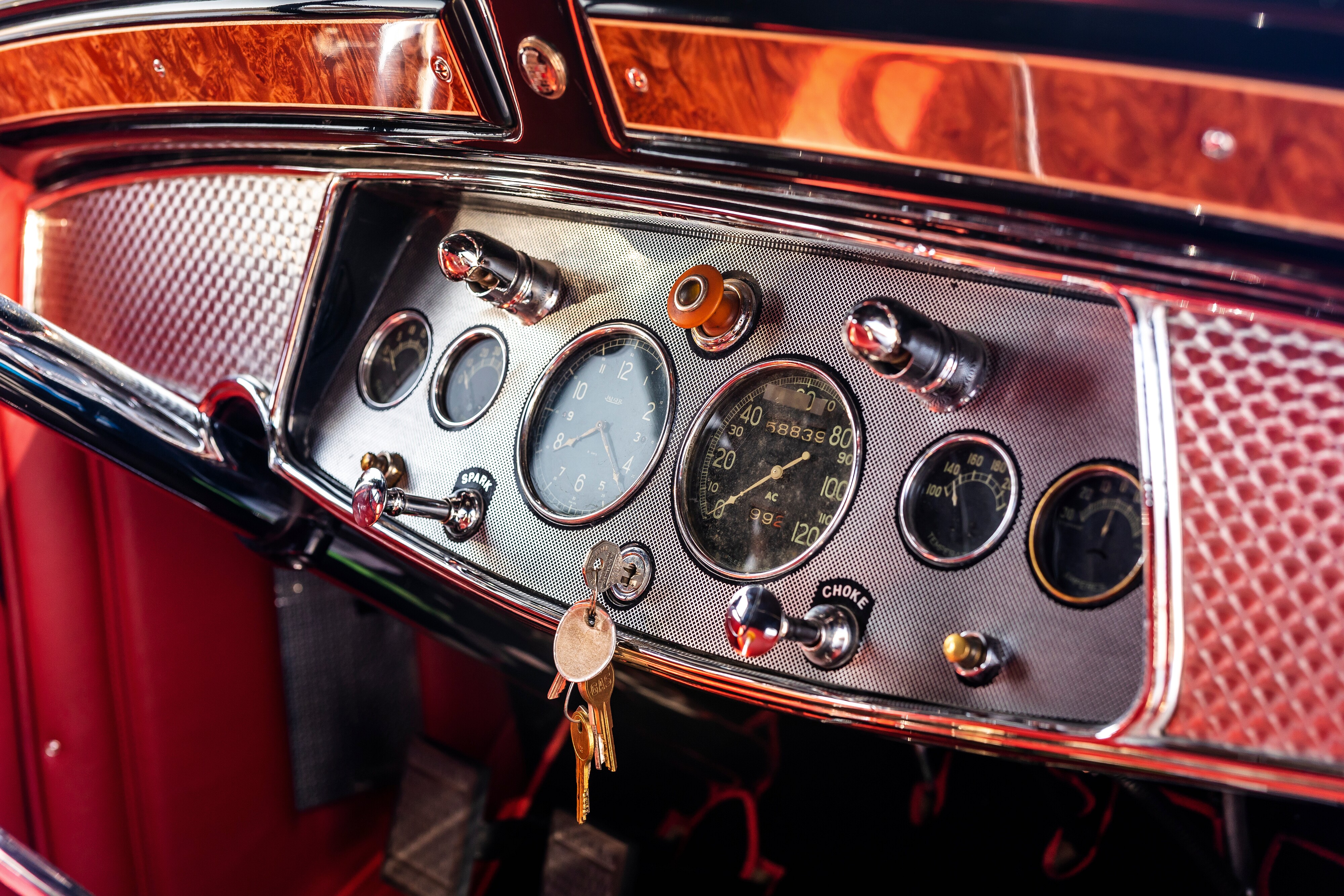
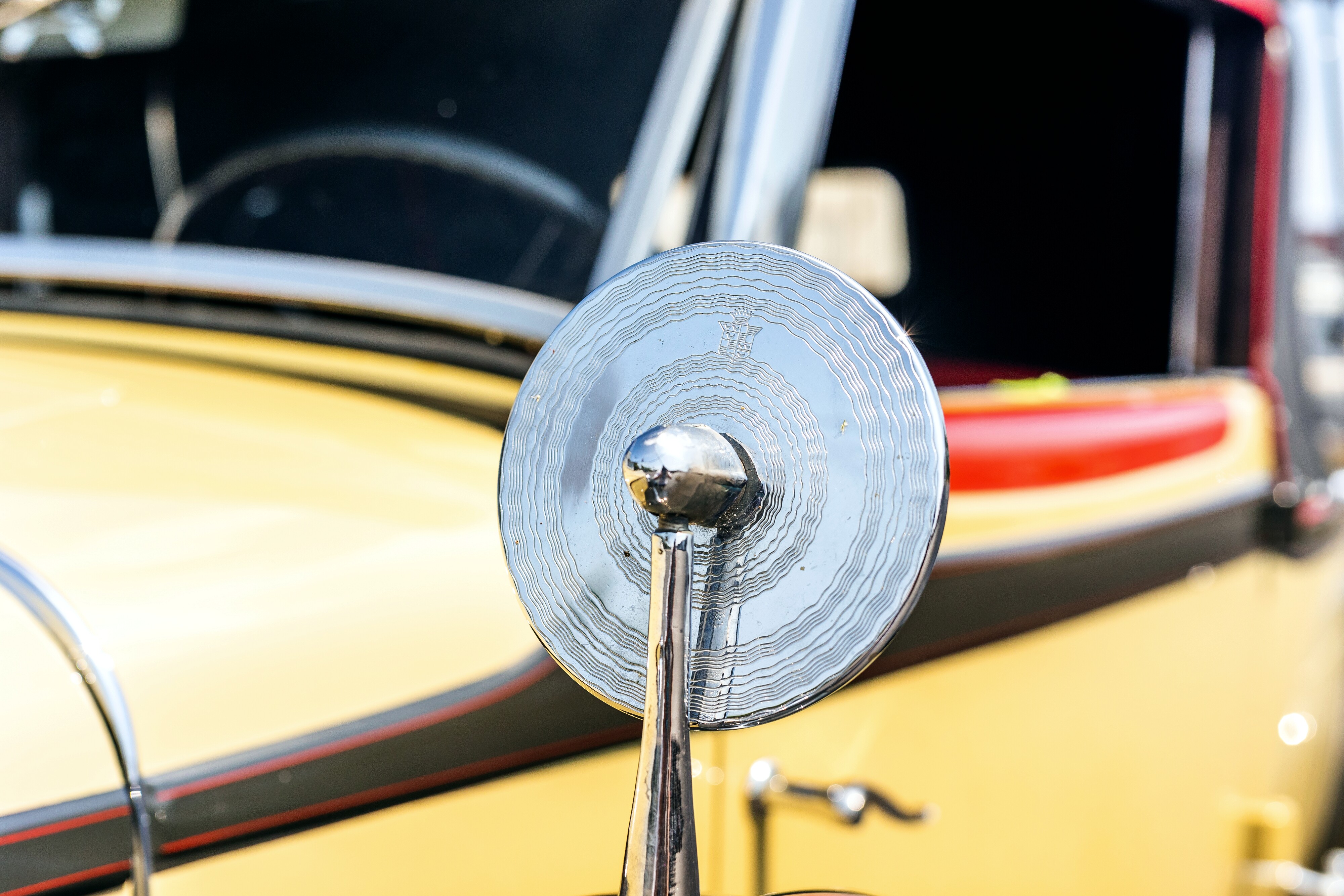
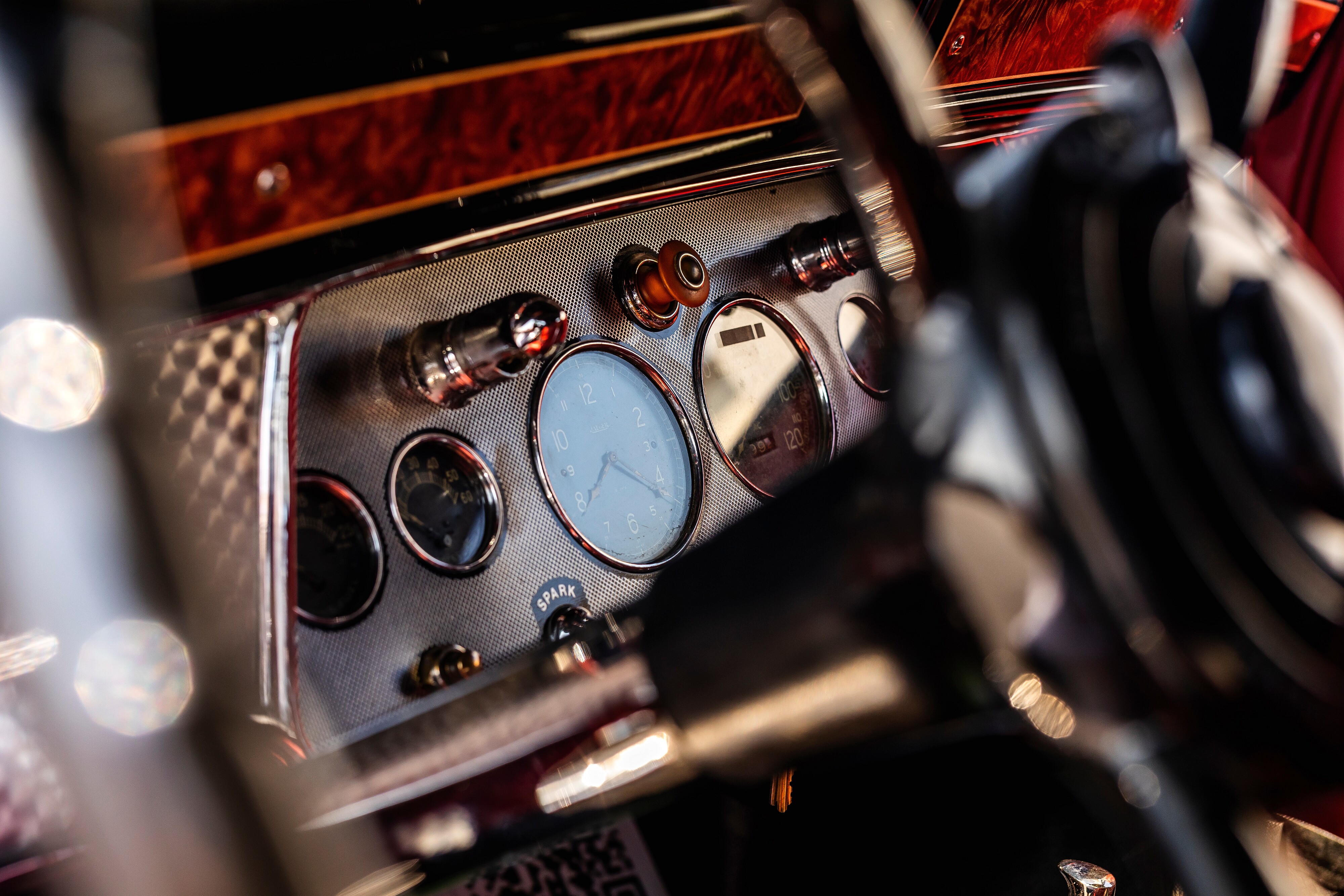
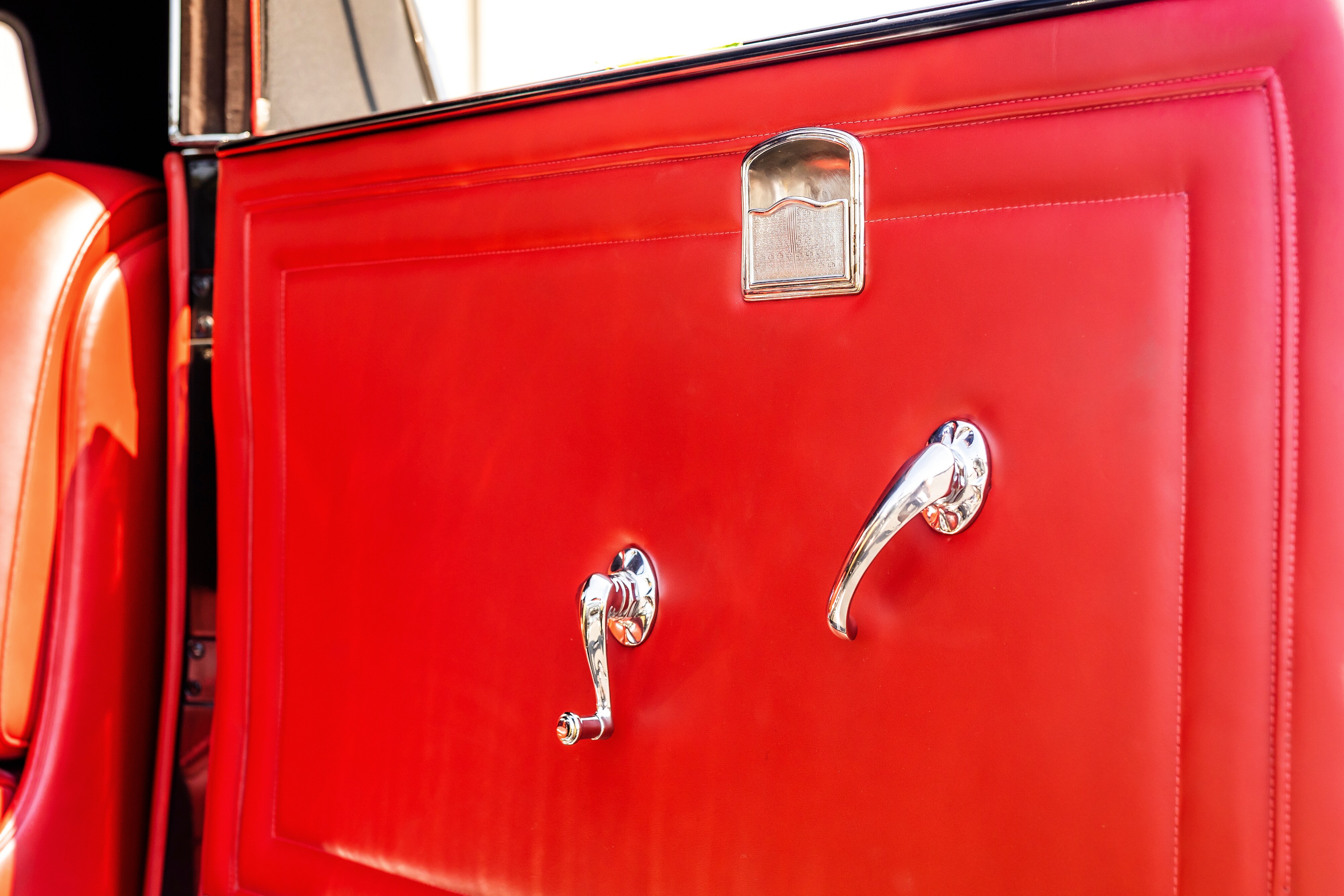
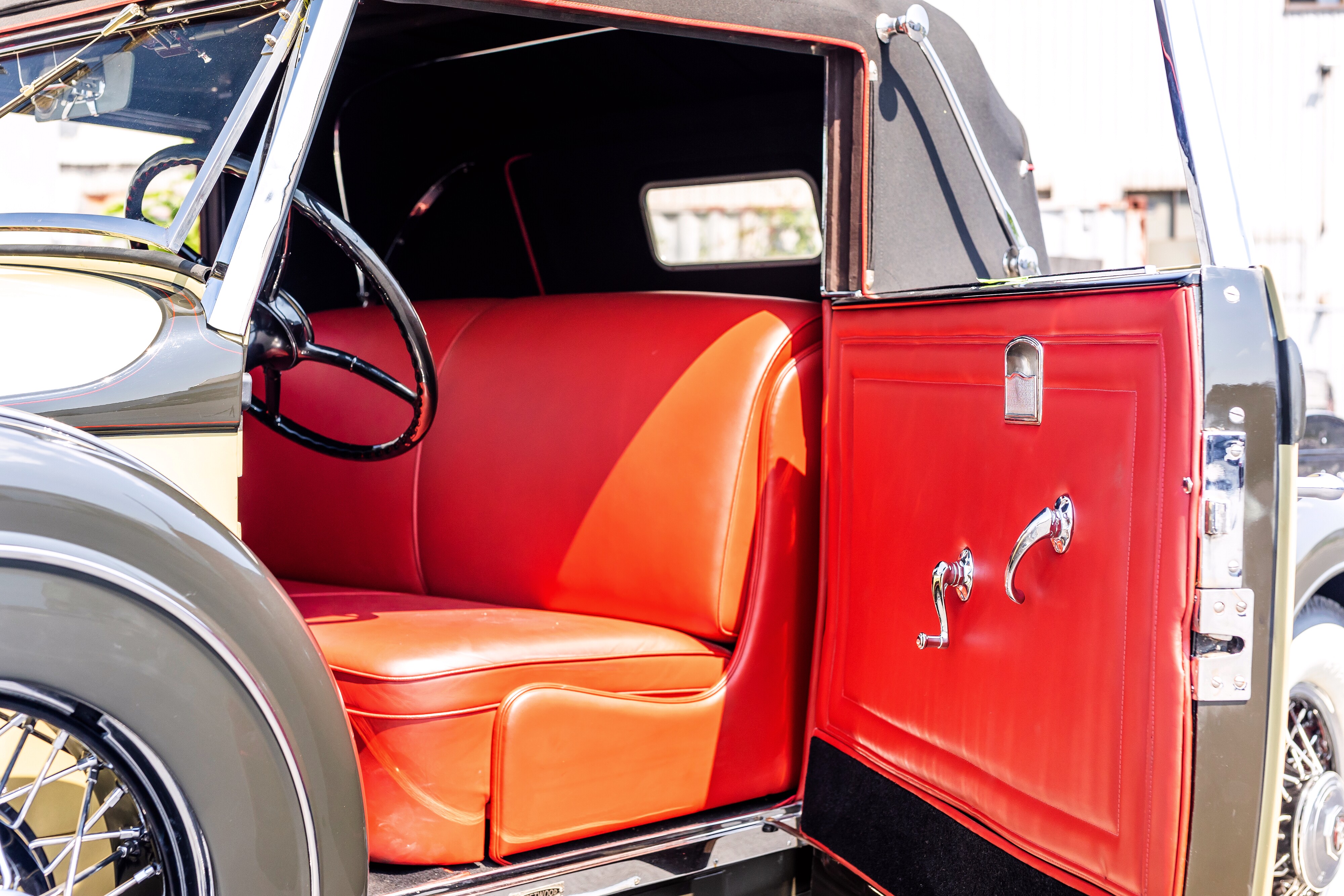
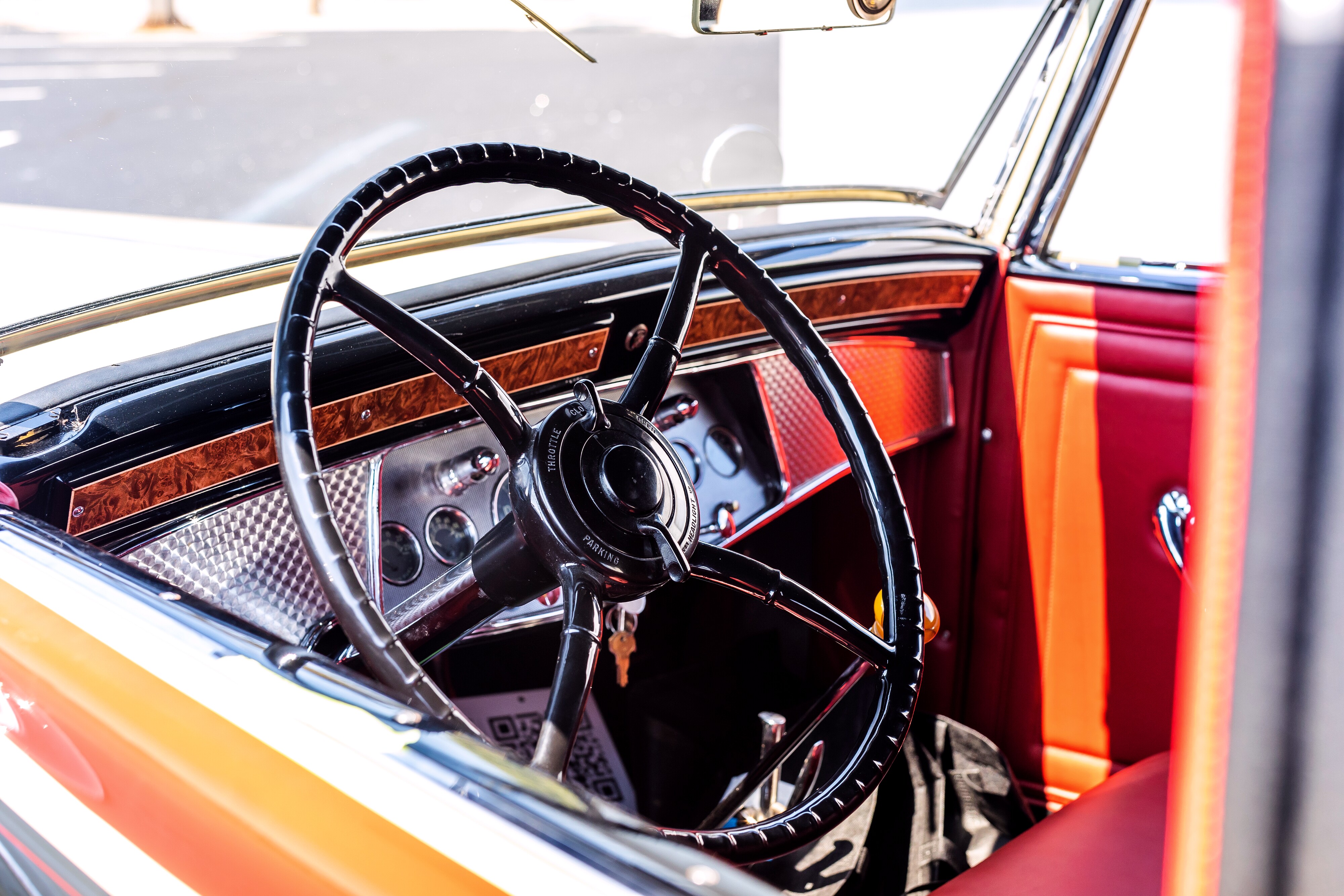
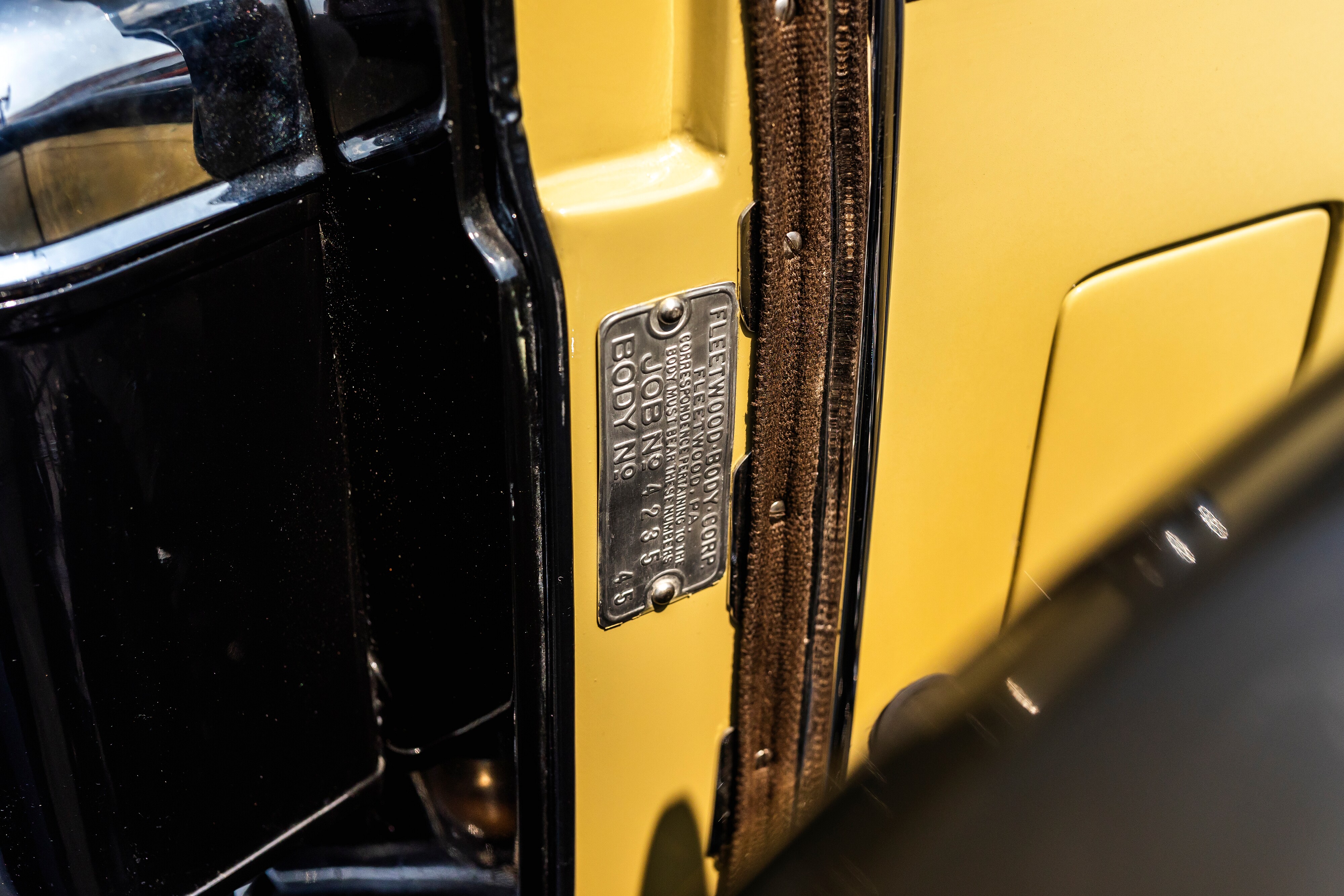
1930 Cadillac V-16 Model 4235 Convertible Coupe
Inventory Number: 3030
$775,000
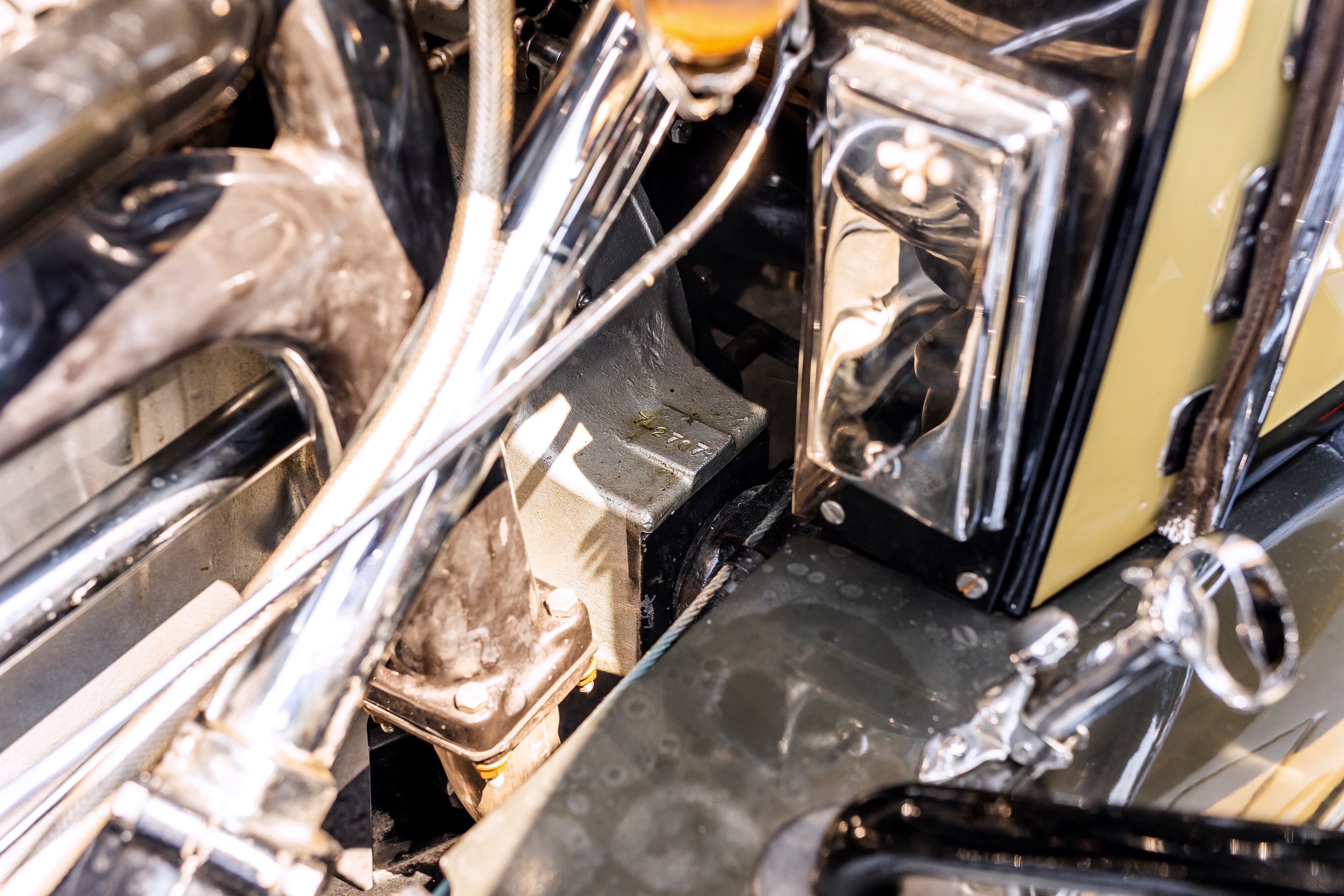
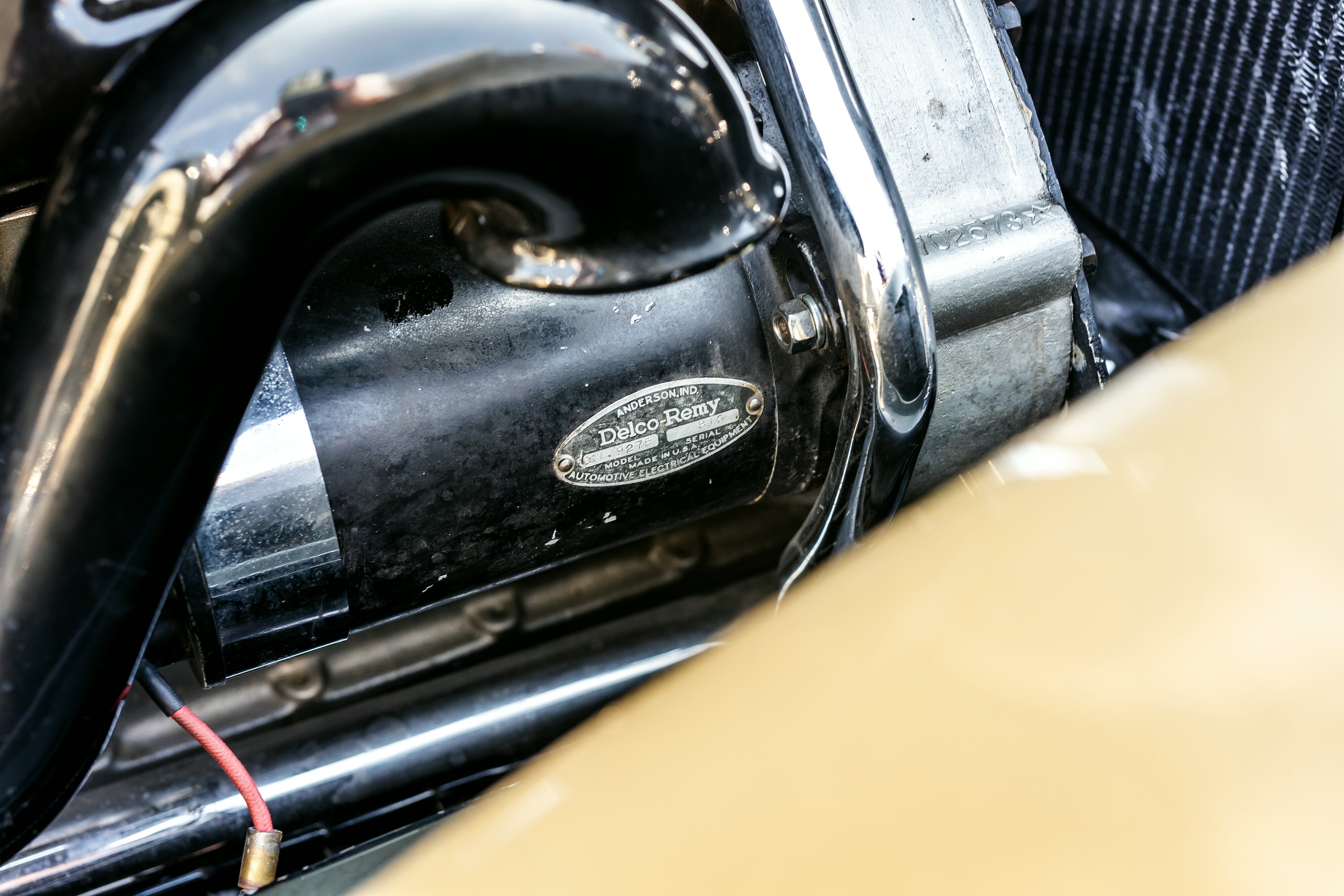
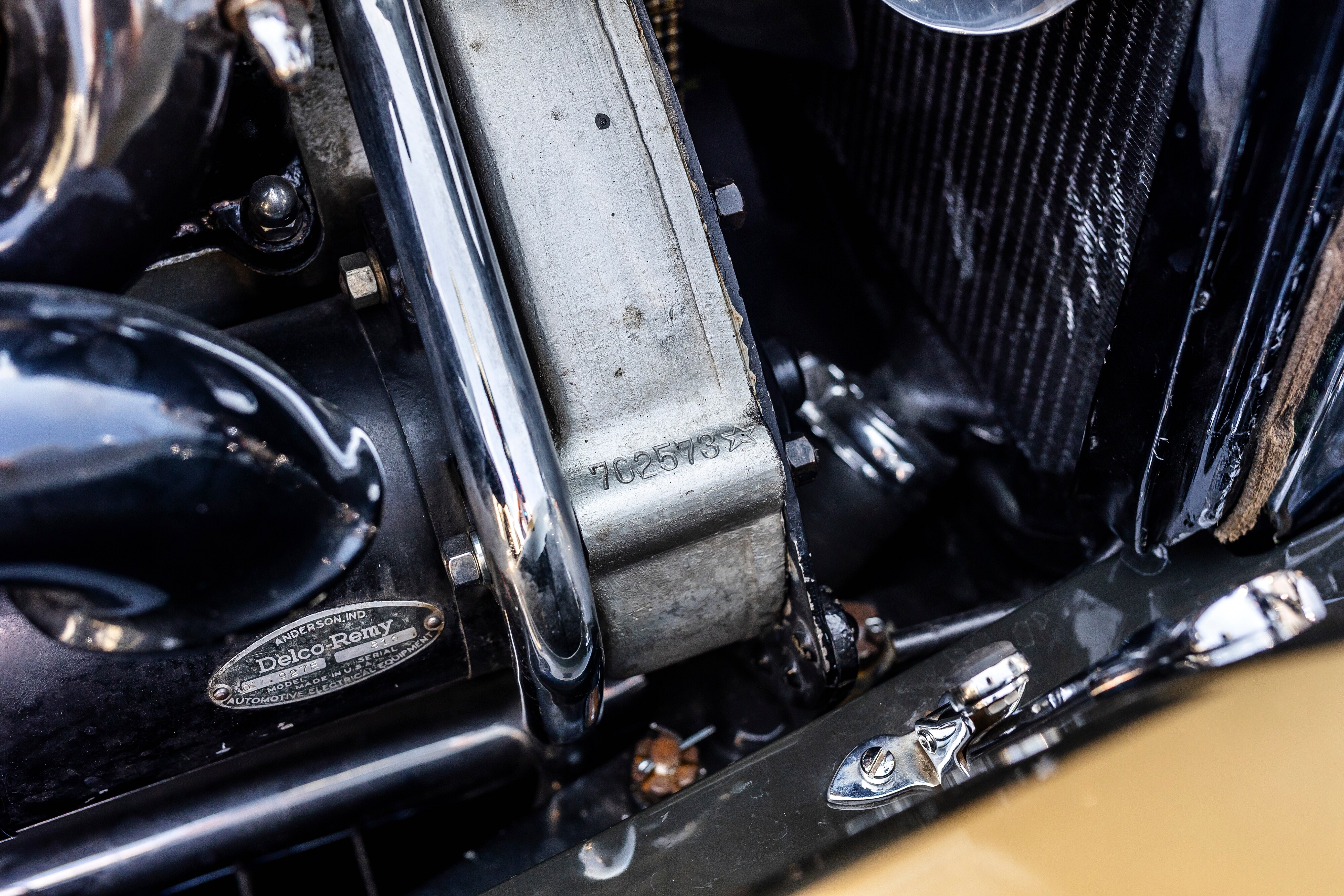
- VIN NO: 702573
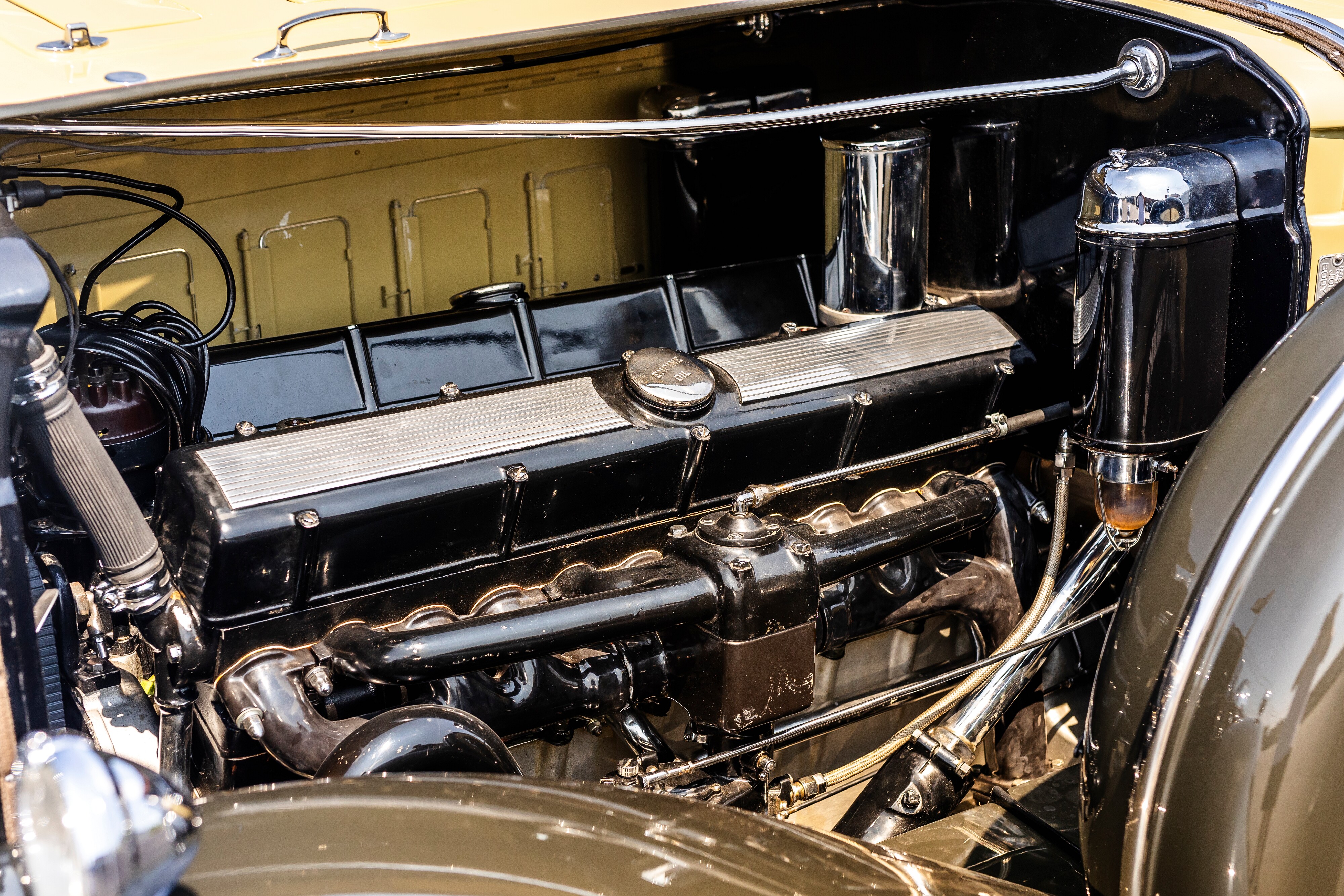
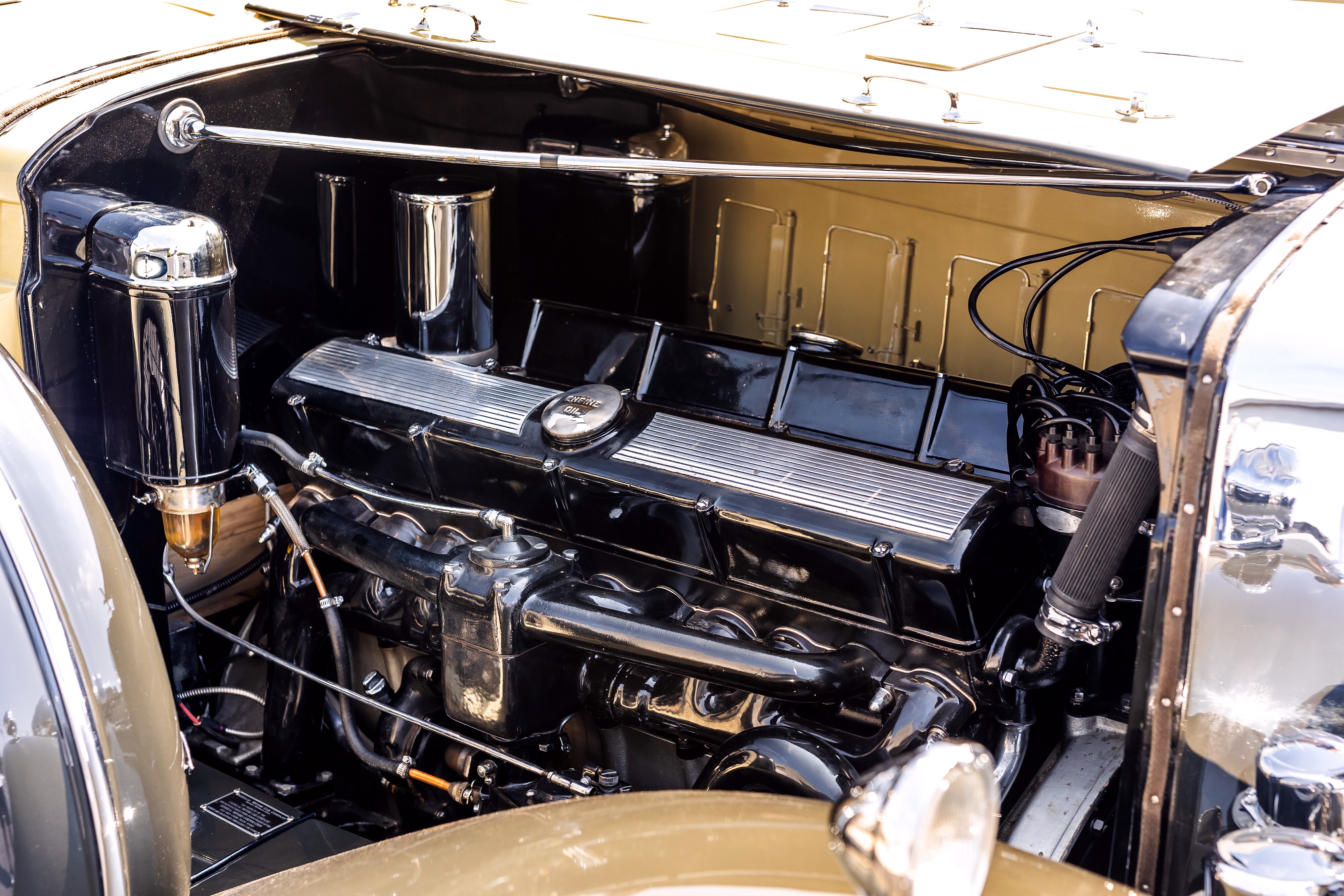
- Engine: 452 cu in V16
- Horsepower: 165 @ 3400 RPM
- Torque: 320 ft./lbs. @ 1400 RPM
- Transmission: Four-Speed Manual
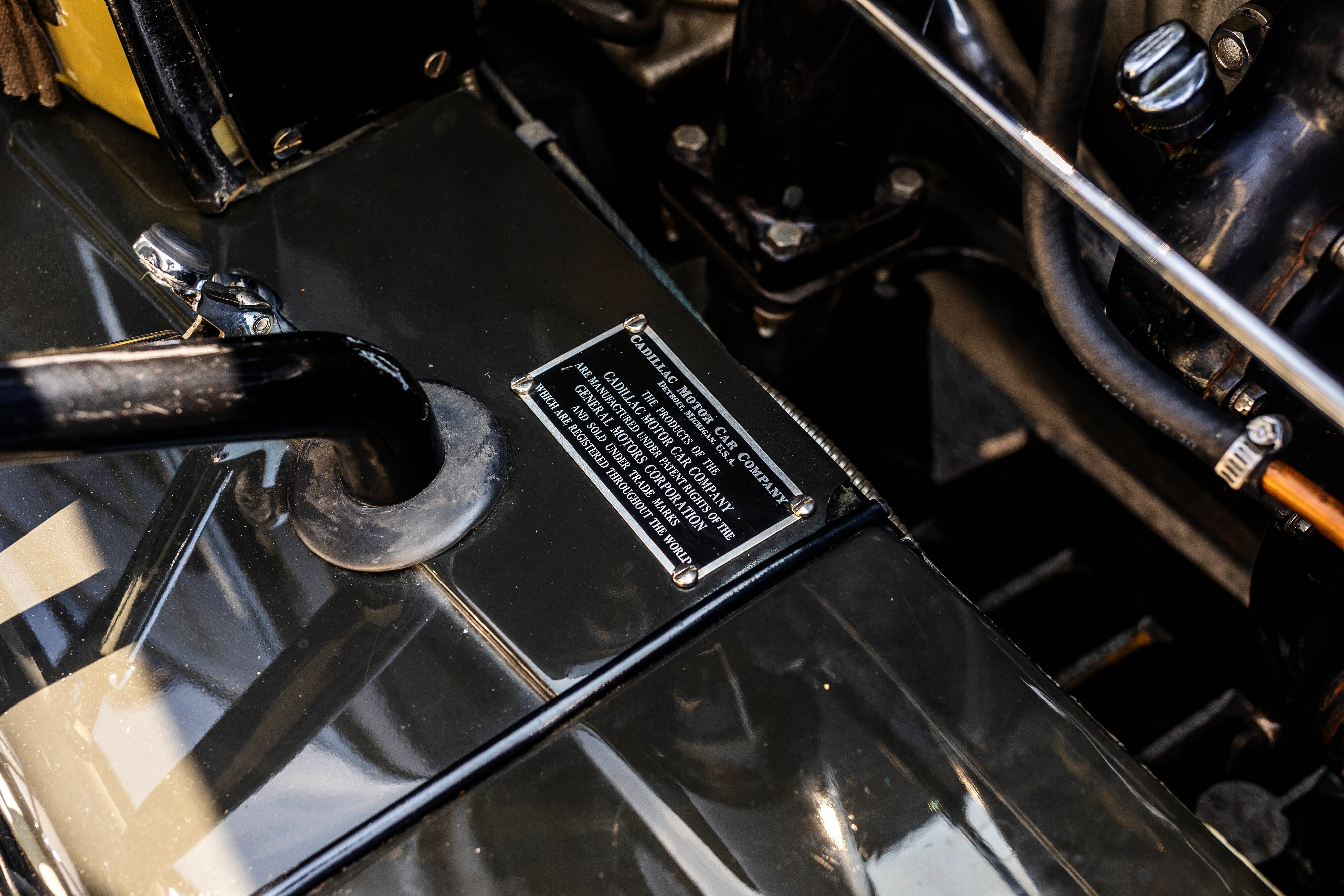
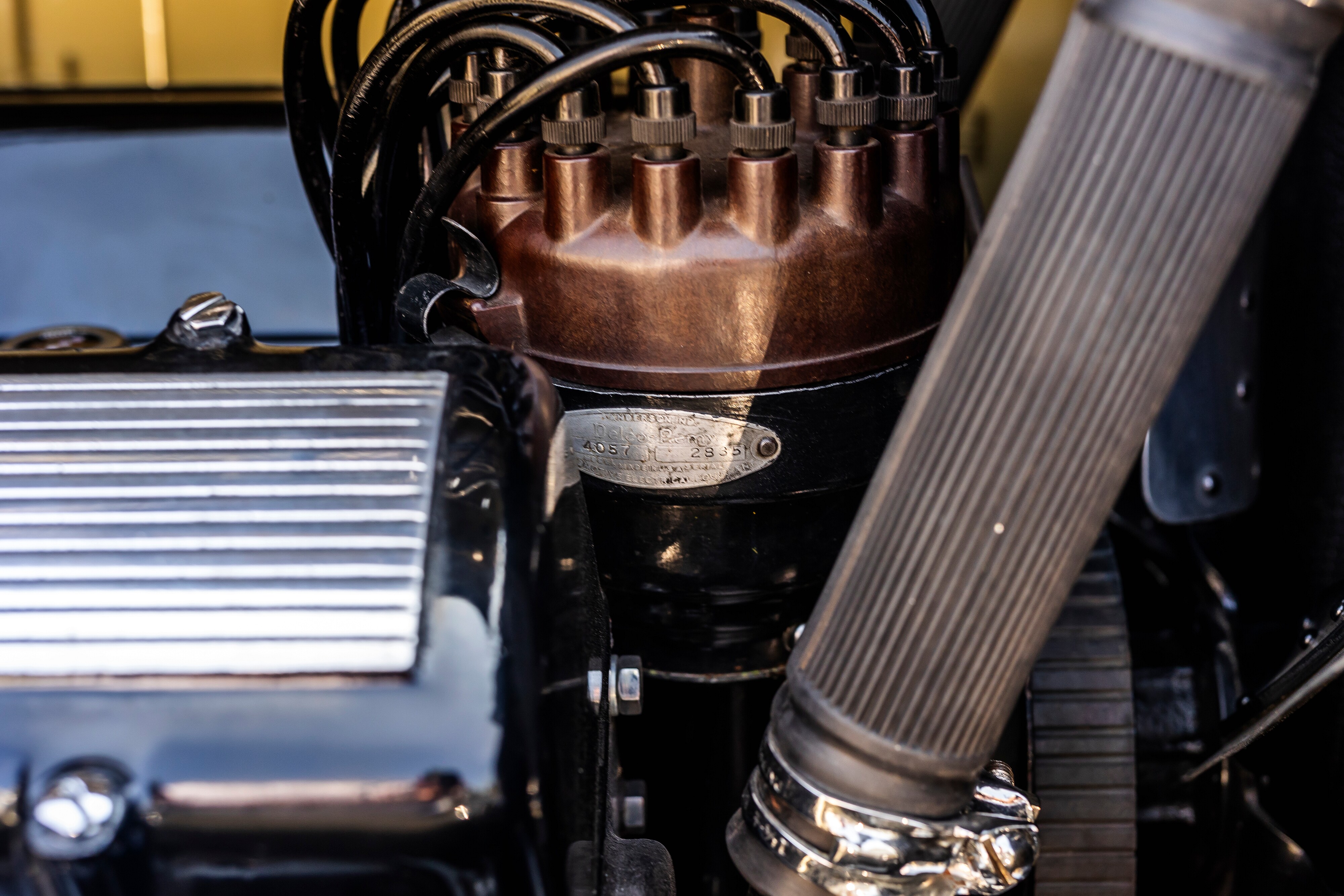
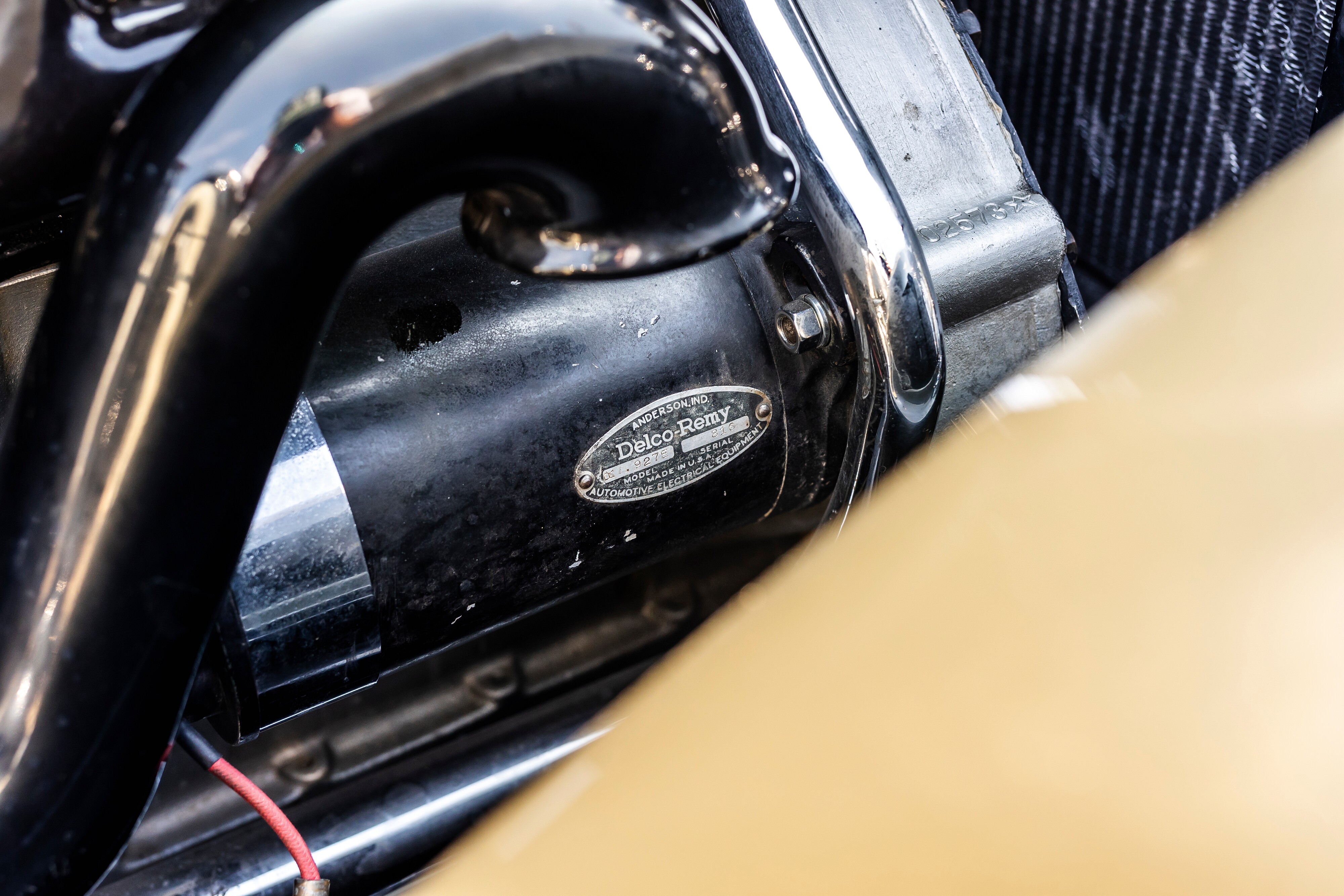
A seven year complete body-off restoration was completed in June 2022 by Dick Shappy and Dragone Motorcars on this numbers matching car.
This car is perfect in every aspect and it earned the "Best In Class" award for Pre War Classics on June 4-5, 2022 at the Greenwich Concours d'Elegance held in Greenwich, Connecticut.
Please contact us for more information.
FROM THE AUDRAIN AUTOMOBILE MUSEUM:
1931 Cadillac V16 Model 4235 Convertible Coupe
- "First production 16-cylinder automobile
- Effortless power, enough torque to pull from 3 MPH in top gear
- Just slightly bigger in size than the Cadillac V8
Released in 1930, Cadillac became the first American car manufacturer to introduce a production car with a V-16 motor. In the early 1930s, prestigious American car manufacturers were locked in tight “cylinder wars.” The likes of Packard, Franklin, Lincoln, Auburn, and Pierce Arrow had all created 12-cylinder cars by 1932. Marmon, a Cadillac competitor, had considered developing a 16-cylinder car in the late 1920s before Cadillac but was unable to do so due to a lack of resources. With ten body styles available, Cadillac allowed customers to add personal touches to their cars, and there were virtually limitless color options.
The clientele purchasing a car this expensive in the early 1930s had extremely high expectations for both engineering and individuality. Cadillac revolutionized high-end car production to control quality and reduce costs. During this period, customers typically ordered a bare rolling chassis and enlisted a coachbuilder to design and craft a unique body. Though a Cadillac rolling chassis could still be purchased upon request, Cadillac had acquired both Fleetwood Metal Body and Fisher Body to control the entire coachbuilding process. Ten body styles were offered, with more than thirty additional designer proposals available to the discerning buyer.
As highways became more prevalent and buyers more informed, Cadillac’s goal for its new halo car was to create the single most opulent way to travel. Duesenberg’s inline eight-cylinder engine was a class leader at the time, producing significant horsepower, though its long crankshaft generated more vibration than Cadillac was willing to accept in its flagship engine. By doubling the cylinders from their 341 cu. in. V-8 and slightly increasing displacement to 452 cu. in., Cadillac utilized lighter internals to reduce vibration and mechanical stress, resulting in a 16-cylinder engine that was smoother and more powerful than contemporary V-12s, without taking up much more space in the engine bay.
With 165 horsepower and 300 ft.-lbs. of torque available from idle, the Cadillac V-16 had triumphed in the cylinder wars. There was no comparable powerplant that offered such brisk, effortless performance. The V-16 outsold Cadillac’s projections in its first year, with 2,500 built. Unfortunately, as the recession deepened, fewer and fewer V-16s were sold each year after 1930. Though the car was an engineering milestone, Cadillac lost money on every example produced. Still today, the Cadillac V-16 remains one of the most significant engineering achievements in automotive history.
CADILLAC
In 1902, Henry Ford left the Henry Ford Company with several of his key partners. With Henry M. Leland of Leland & Faulconer Manufacturing Company, they began manufacturing automobiles with Leland’s single-cylinder engine. They named this venture Cadillac Automobile Company after the French explorer who founded Detroit in 1701, Antoine Laumet de La Mothe, sieur de Cadillac, and based the logo on his coat of arms. This made Cadillac among the first automotive brands in the world, and they immediately began producing 10 HP horseless carriages called Runabouts and Tonneaus that were almost identical to the Ford Model A. Because of their precision manufacturing and reliability, Cadillac quickly accumulated orders and in 1905, merged with Leland to form the Cadillac Motor Company. By 1906, they were the first volume manufacturer of a fully enclosed car and gained international notice as the awards for interchangeability and reliability began to pile up.
It’s no wonder that General Motors took notice of America’s premier luxury car maker and purchased it in 1909. Together, they founded the mass production of automobiles and many innovations, including the first full electrical systems, Synchro-Mesh manual transmission, the first mass-produced automatic transmission, steel roofs, dual-plane crankshafts, and shatter-resistant glass. Of the three engines they developed, the V8 set the standard. They would go on to make more than large luxury vehicles, producing limousines, military vehicles, ambulances, and even hearses. In the midst of the Great Depression, they introduced the iconic V-16 engine, and sales bounced back and then some by 1940.
To this day, Cadillac automobiles, a pinnacle of GM’s 2.7 million vehicles sold in 2024, remain a global brand of luxury.