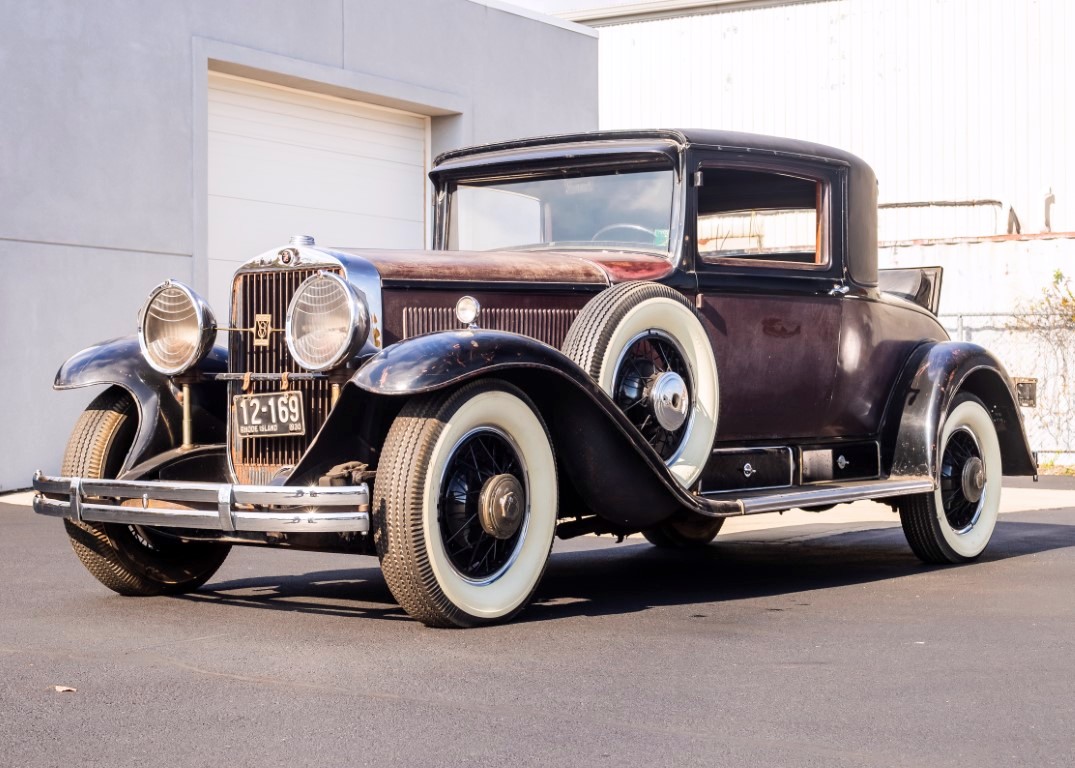
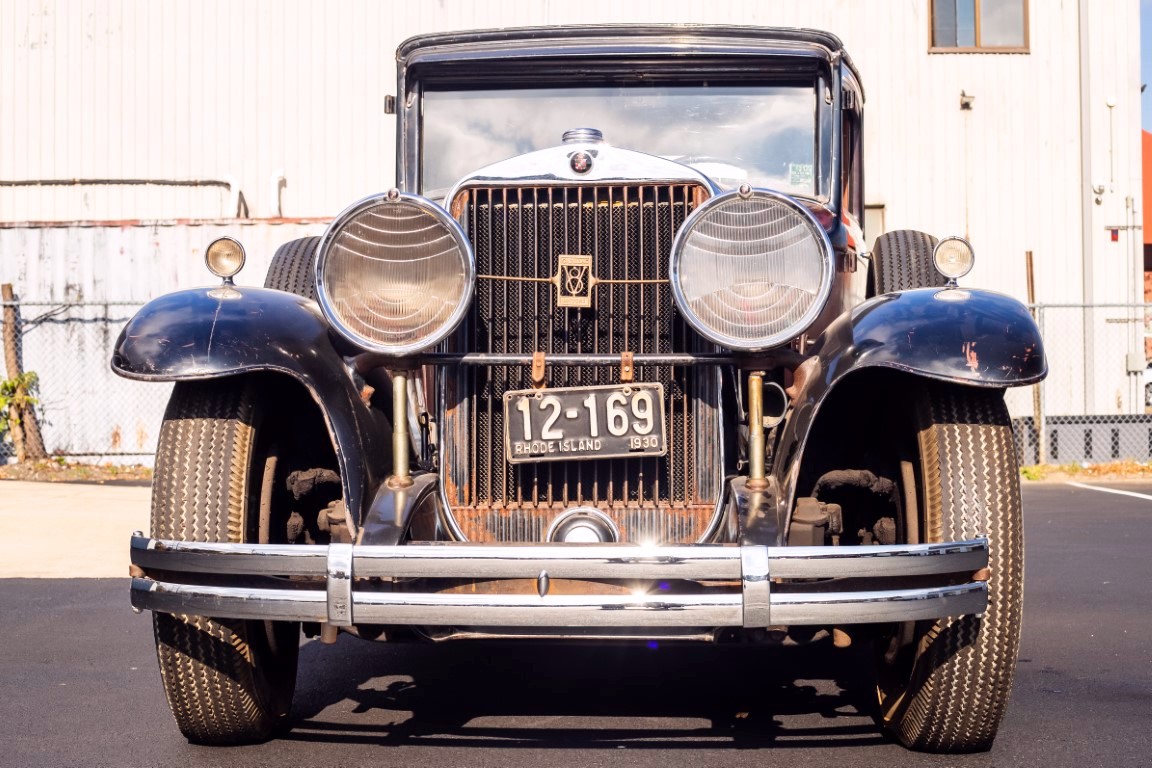


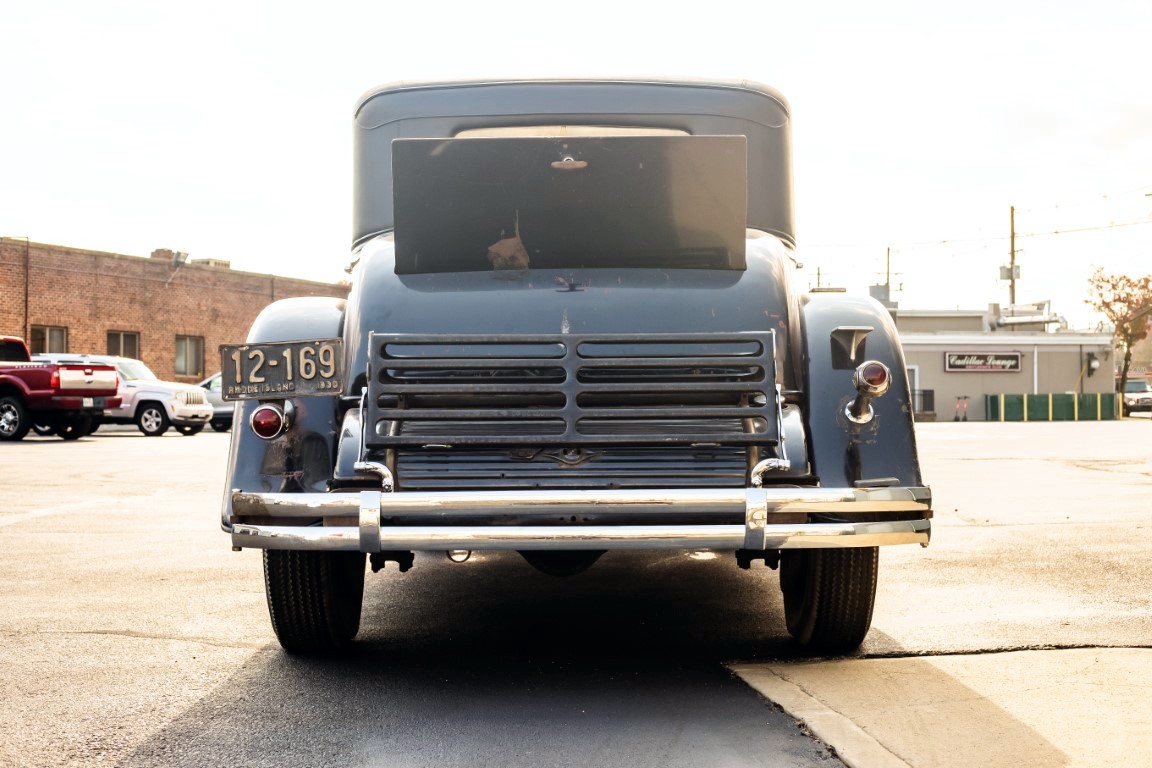












1930 Cadillac Model 353 Fisher Rumble Seat Coupe
Inventory Number: 3029
$79,500
- MODEL: Series 353
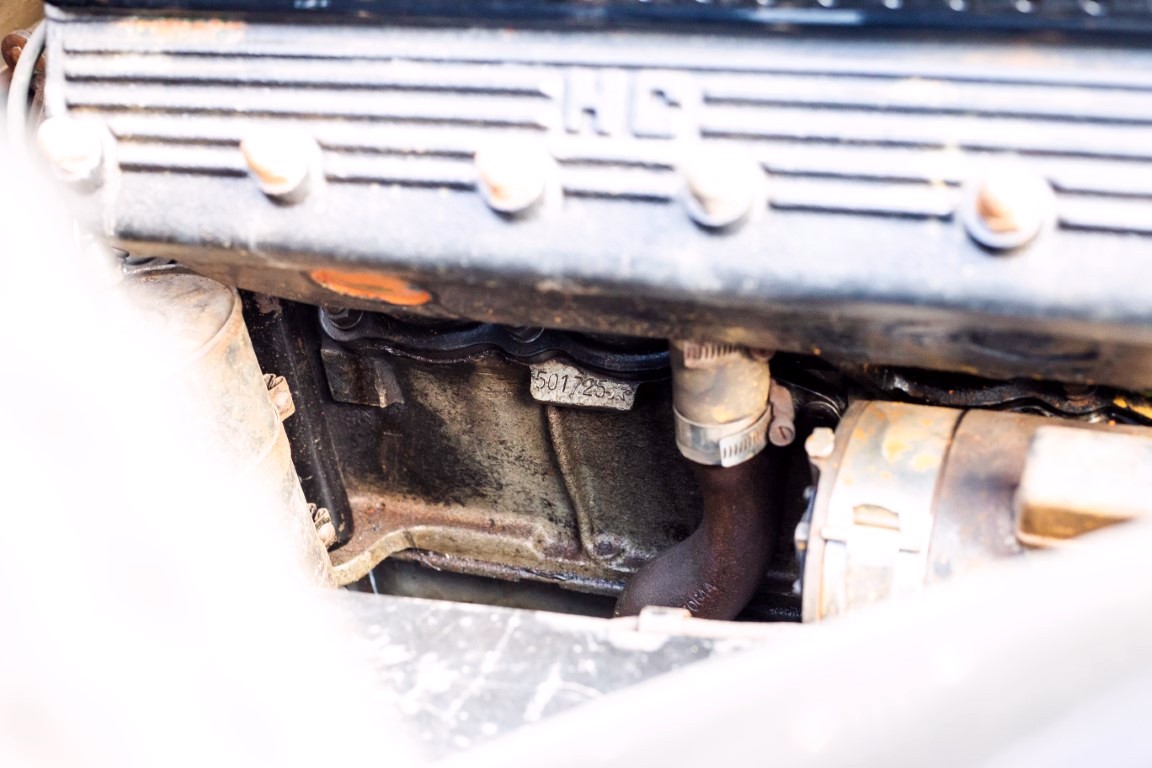
- ENGINE NO: 501725
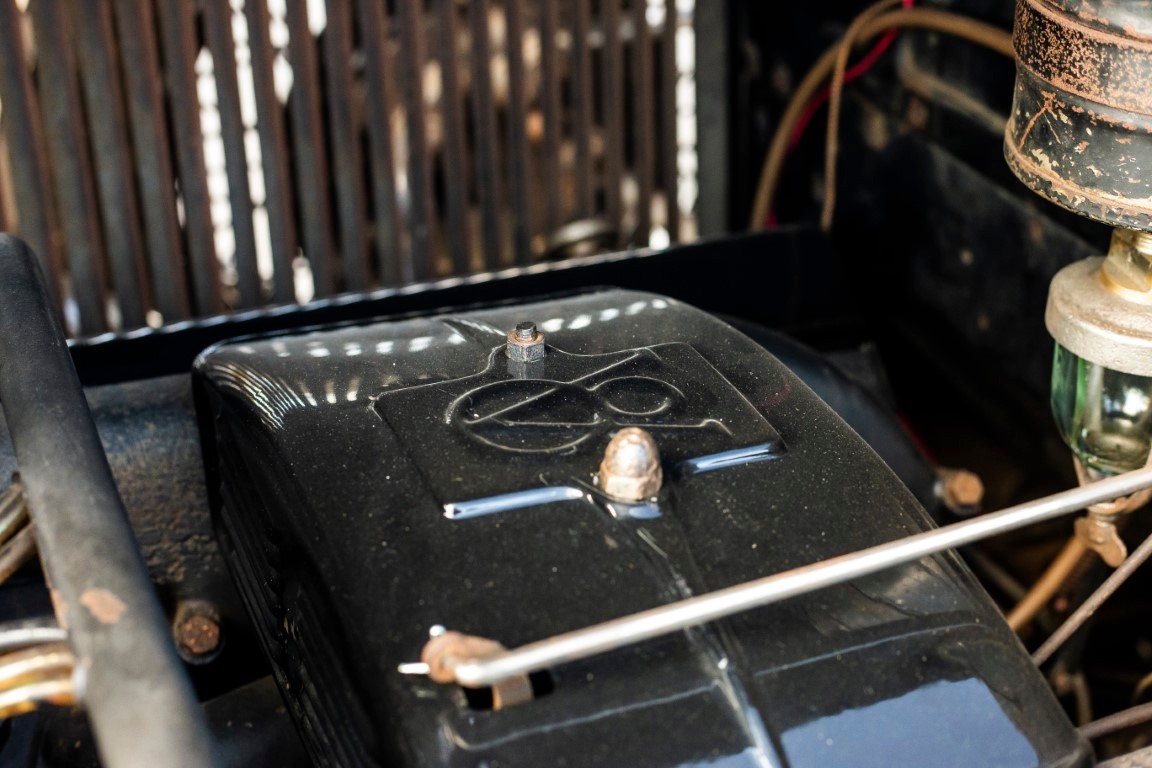
- ENGINE: 353 cu. in. L-head V-8. Cast iron on silicon / aluminum crankcase.
- BORE & STROKE: 3-⅜ x 4-15/16 in.
- COMPRESSION RATIO: 5.05:1 std (4.91:1 opt)
- HP: 95
- MAIN BEARINGS: Three
- VALVE LIFTERS: Mechanical, with rollers riding on cams.
- BODY: Fisher Body Co.
- BODIED: Detroit, Michigan
- FISHER BODY JOB NO: 30158
- FISHER BODY NO: 157
- TRANSMISSION: 3-Speed Selective Sychro-Mesh Manual
- CLUTCH: Twin Disk
- DRIVE: Shaft drive (torque tube)
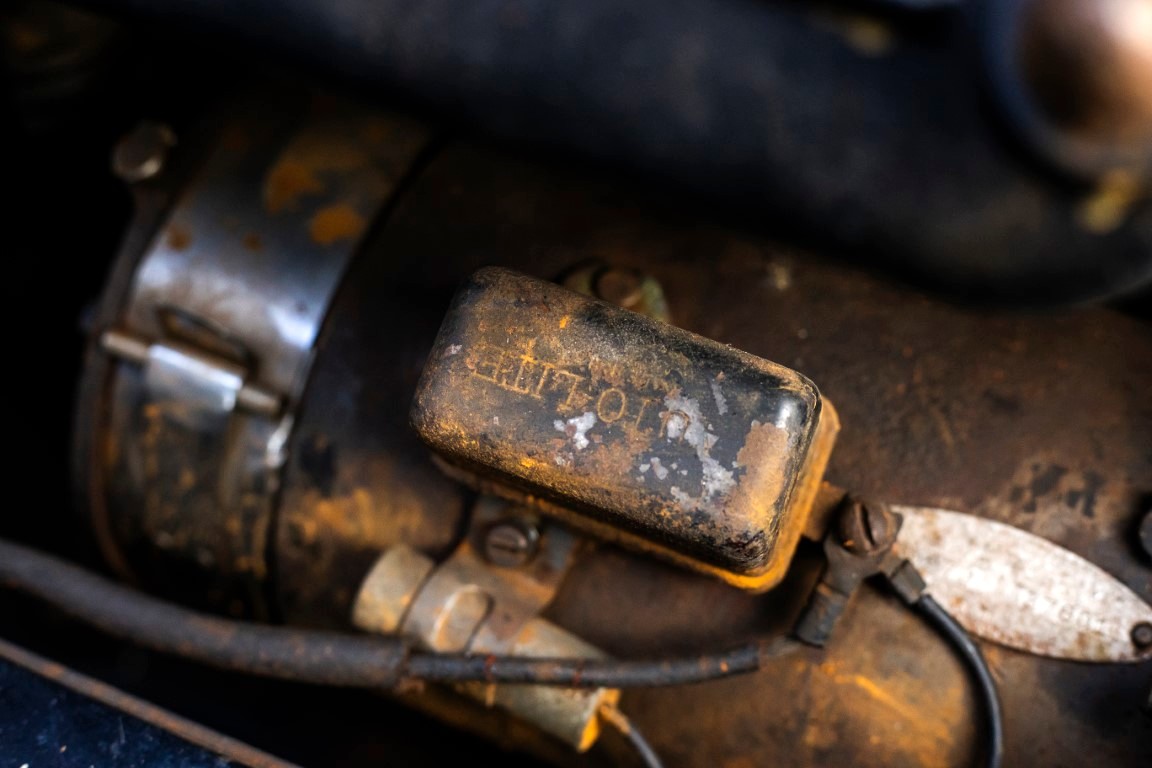
- CARBURETOR: Cadillac Updraft manufactured under C. F. Johnson patents.
- SUSPENSION: 4-Wheel Semi-Elliptical Leaf Springs and Semi-Floating Rear Axle
- WHEELBASE: 140 in.
- BRAKES: 4-Wheel Hydraulic Drum Brakes
- BHP: 95 at 3,000 RPM
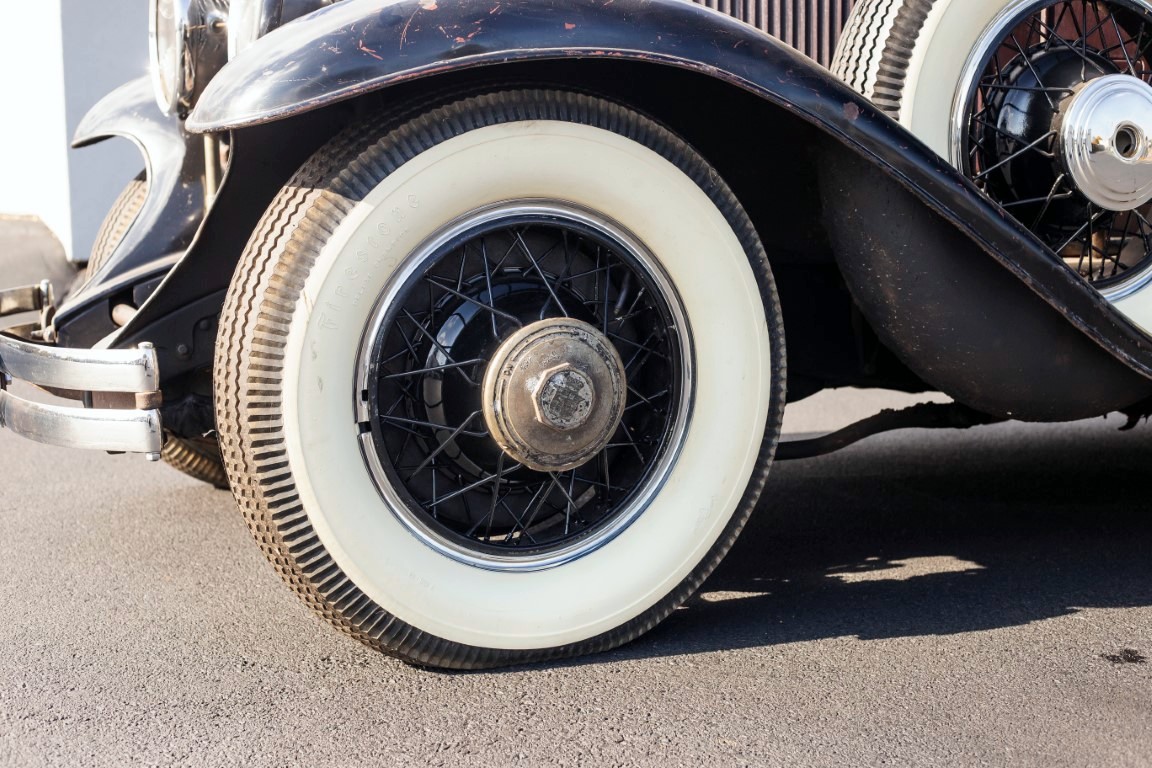
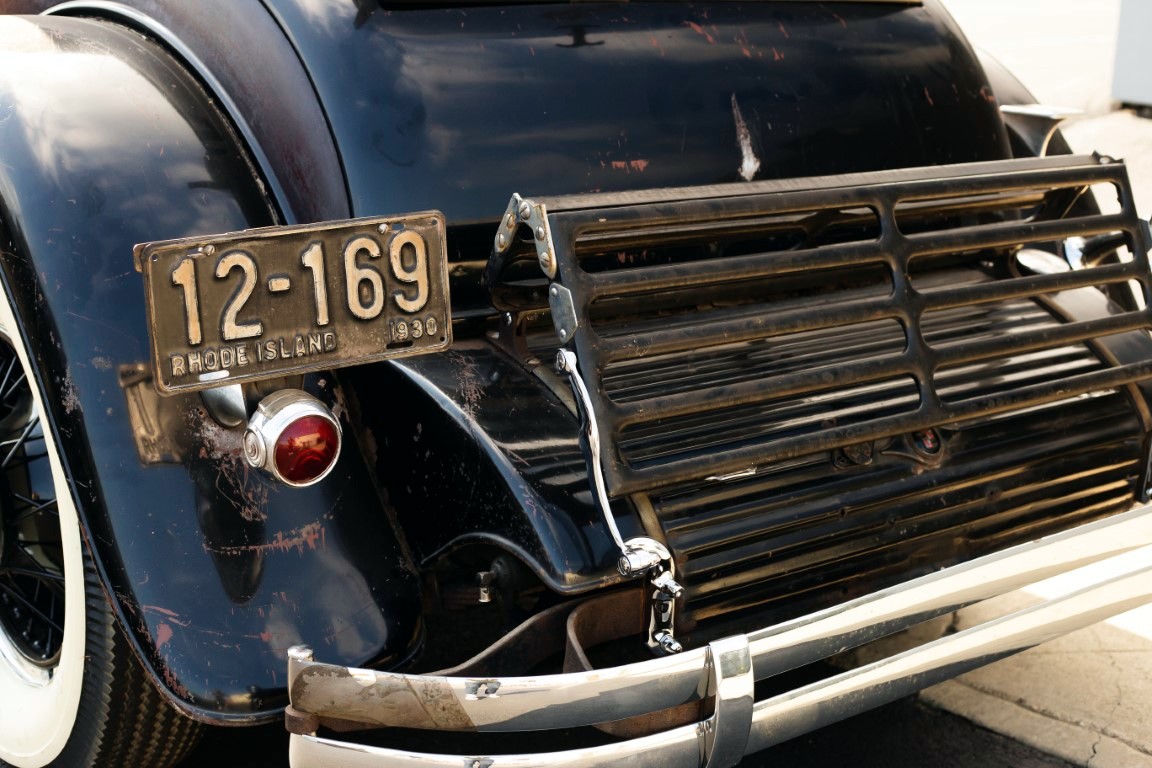
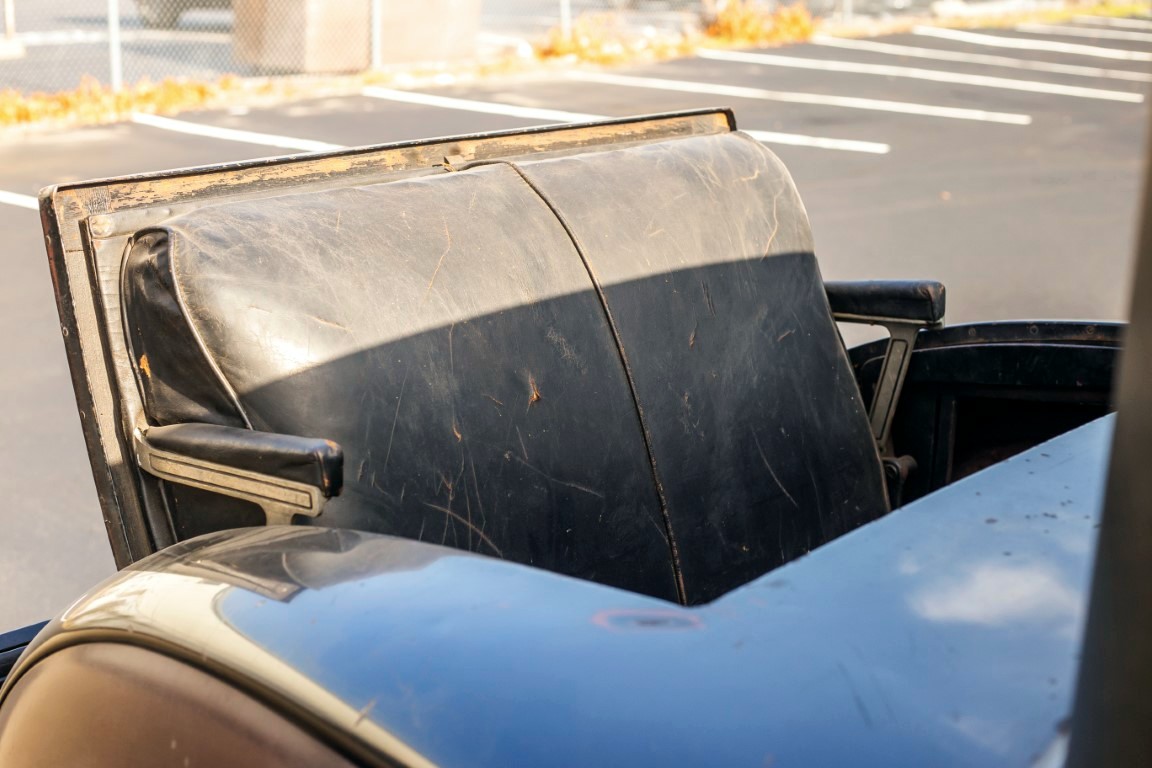
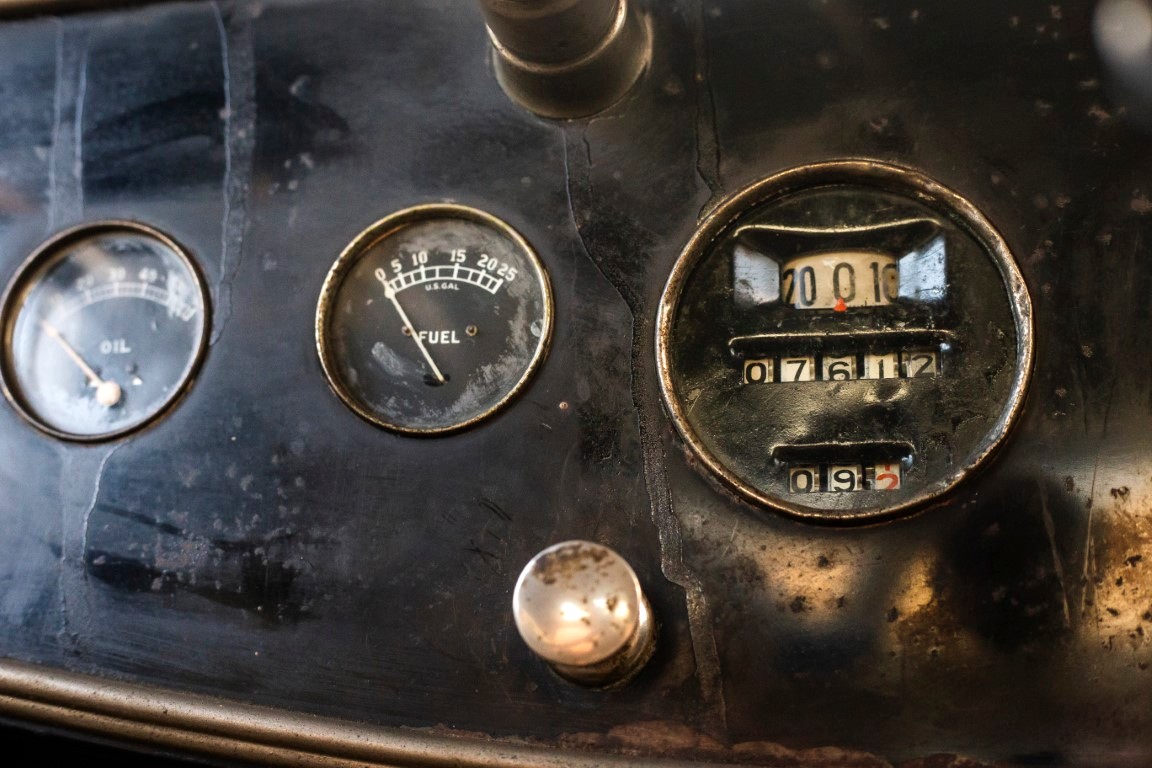
- FEATURES: Rumble Seat, Luggage Rack, Jaeger Clock, Upgraded Wire Wheels, (2) Spare Sidemounted Wire Wheels
Cadillac advertises the 1930 Cadillac V-8 Type 353 Two-Passenger Coupe as, “The impressive length and pleasing proportions which have won outstanding popularity for this model are more than ever emphasized in this newest refinement. The cadet visor, wider radiator, enlarged lamps, and new rolled moulding effect along the rear deck all enhance its pleasing charm. Abundant room for three passengers is provided within the body, with a spacious deck seat for two additional passengers. The front seat is fully adjustable and the generous space allotment is still further increased by recessing the instrument panel under the cowl, which adds to the efficiency of the ventilating windshield. Equipment includes ash tray in the right door and a foot rest under the rear deck.”
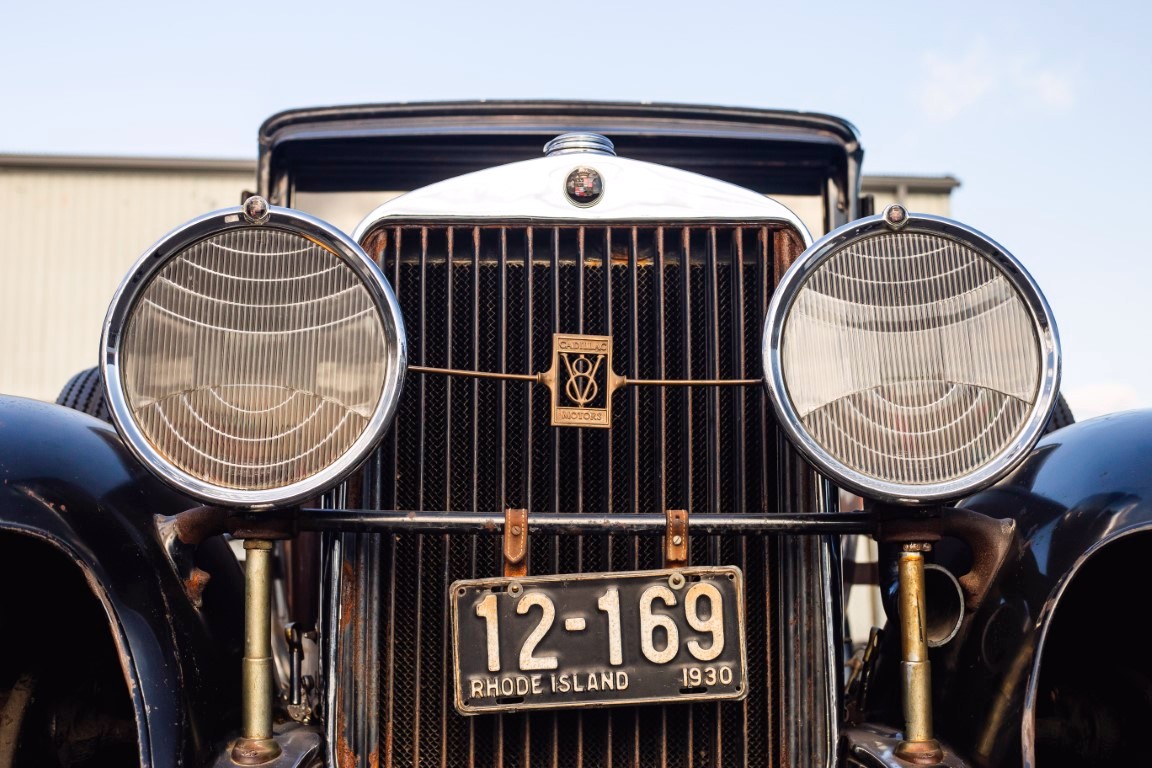
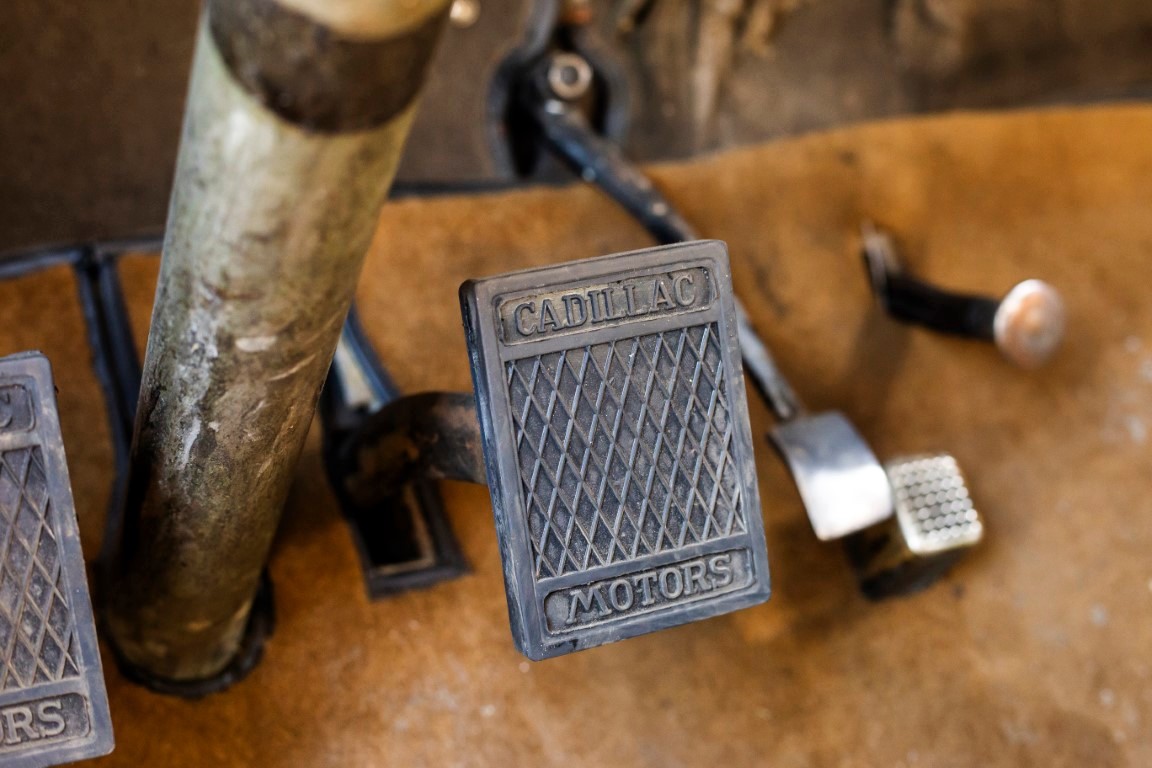
Step into the elegance of the golden age of Hollywood with this extraordinary 1930 Cadillac Model 353 Fisher Rumble Seat Coupe (Engine No. 501725, Body No. 157)—a true survivor from Cadillac’s legendary V-8 lineage. Mostly original inside and out, she’s in excellent running condition—a beautifully preserved example of a rare Cadillac. With its sleek lines, deep maroon exterior, and authentic patina, this two-passenger coupe captures the spirit of 1930s luxury, blending European-inspired styling by designer Harley Earl with American engineering prowess. Powered by a robust 353 cubic inch L-head V-8 engine producing 95 horsepower, it features a 3-speed manual transmission, 4-wheel hydraulic drum brakes, semi-elliptical leaf springs, and a semi-floating rear axle for smooth, reliable performance. Largely unrestored yet mechanically refreshed with recent work and new whitewall tires, it’s road-ready for classic tours, shows, or leisurely drives, and the paint and interior are extremely well-preserved. The fold-out rumble seat adds adventurous charm, perfect for sharing the ride. Few of the rare 1930 353 Coupes survive today.
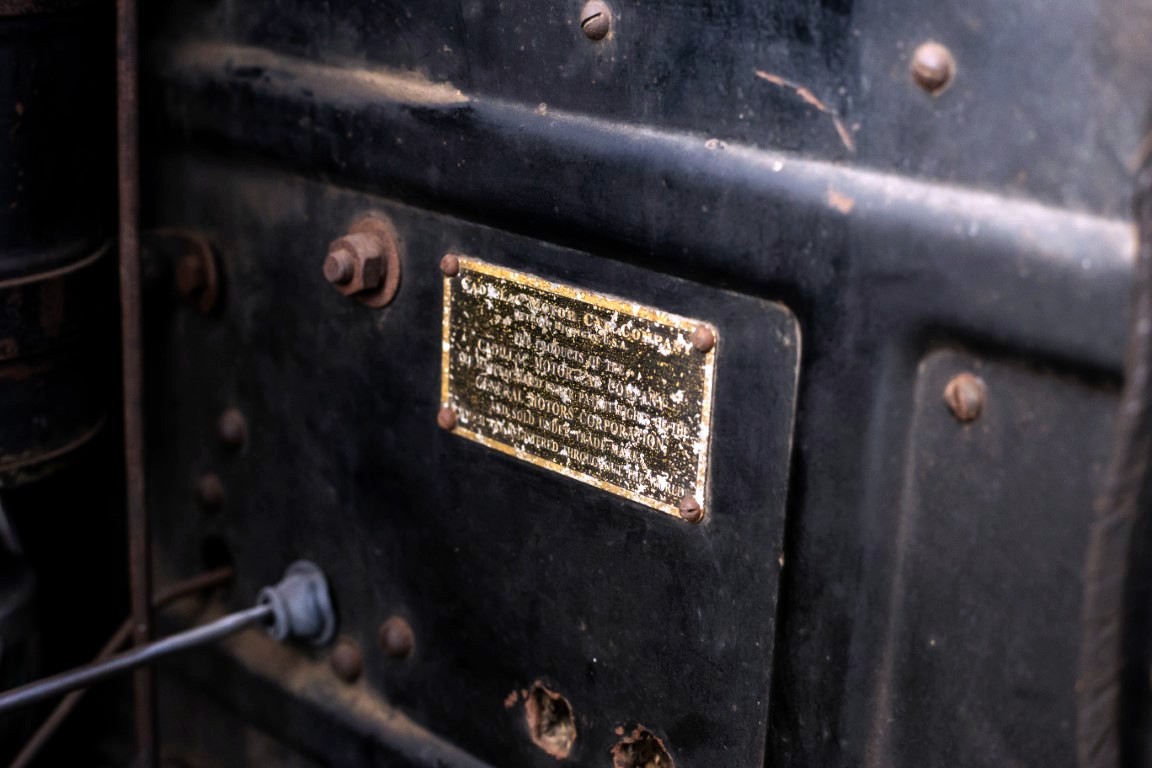
Rarity elevates this Cadillac to collector status: From a total Series 353 production of about 5,725 units across all styles, the Fisher rumble seat coupe (style 168) was limited to likely just a few hundred examples, with estimates suggesting only 20–30 known survivors today—many fewer in such original, drivable form. Body No. 157 marks it as an early-production build, potentially featuring subtle period variations that appeal to purists seeking untouched authenticity. The Model 353 bodies are sought after by collectors because they are some of the only bodies that will interchange, almost bolt-for-bolt, with a V-16 chassis. In fact, discovering a V-8 that has not been cannibalized to replace the bulky V-16 bodies is rare. To any inquirers: we have an available V-16 chassis, and the only minor modifications required are in the shorter cowl vent doors and the addition of a second firewall plate.
What truly sets this vehicle apart is its verified provenance: it was previously registered to 1031 Chicago Avenue in Oak Park, Illinois—the historic Walter Gale House, Frank Lloyd Wright’s first independent commission from 1893. Designed at age 26 after leaving mentor Adler & Sullivan, the house blends Queen Anne elements, such as its prominent turret and shingled roof, with hints of Wright’s emerging Prairie style, including curved diamond-paned windows. Architecturally, it shows his early transition from historic styles to more disciplined, geometric forms, notably in the interplay between its large circular turret and narrow, angular dormer. The house is a significant milestone in Wright’s development and was added to the U.S. National Register of Historic Places in 1973. Commissioned by Walter H. Gale of a prominent local family, it stands as a foundational work in Wright’s oeuvre, restored in 1977 and preserved in Oak Park’s architectural heritage district. This tie links the car to a landmark of American modernism, offering a rare crossover for enthusiasts of both automotive and design history.
This is your chance to own a rare piece of automotive and architectural history in mostly original condition, with an unparalleled cultural connection and a strong potential for appreciation in the pre-war classic market. Whether enhancing your collection or embarking on vintage adventures, such as for use as a Classic Car Club of America touring vehicle, this is an opportunity to own a drivable icon with a story.
CADILLAC
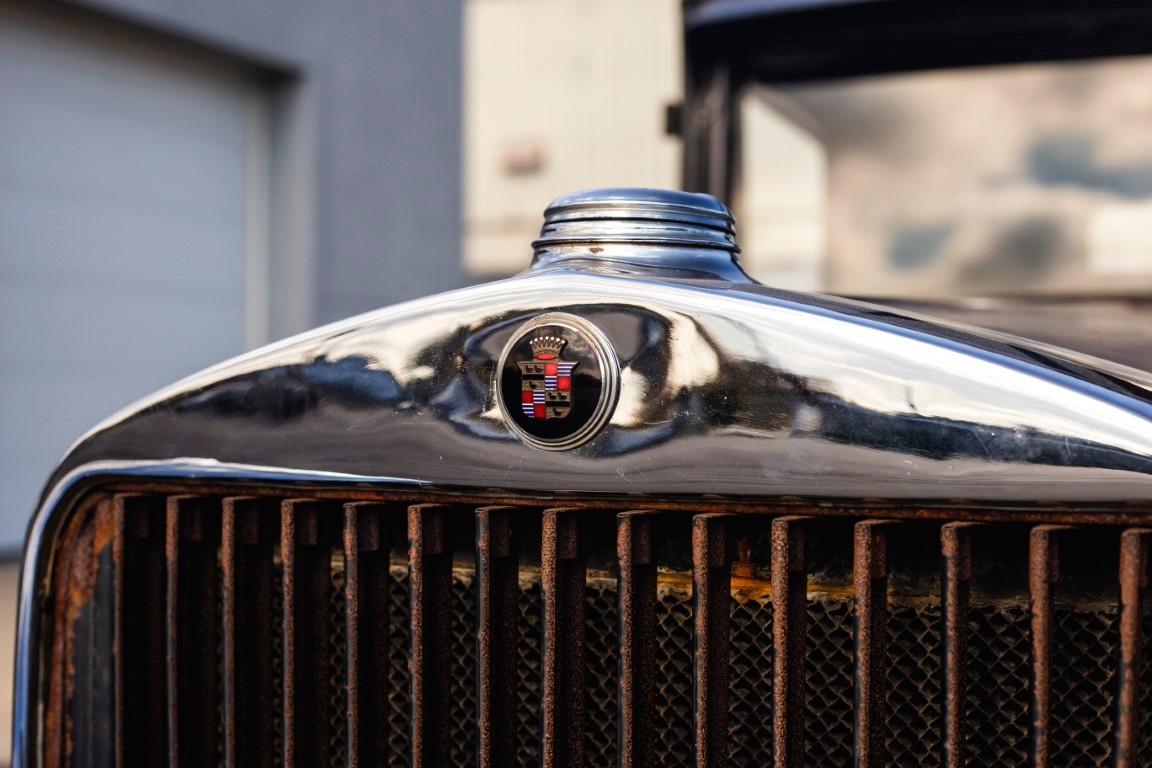
In 1902, Henry Ford left the Henry Ford Company with several of his key partners. With Henry M. Leland of Leland & Faulconer Manufacturing Company, they began manufacturing automobiles with Leland’s single-cylinder engine. They named this venture Cadillac Automobile Company after the French explorer who founded Detroit in 1701, Antoine Laumet de La Mothe, sieur de Cadillac, and based the logo on his coat of arms. This made Cadillac among the first automotive brands in the world, and they immediately began producing 10 HP horseless carriages called Runabouts and Tonneaus that were almost identical to the Ford Model A. Because of their precision manufacturing and reliability, Cadillac quickly accumulated orders and in 1905, merged with Leland to form the Cadillac Motor Company. By 1906, they were the first volume manufacturer of a fully enclosed car and gained international notice as the awards for interchangeability and reliability began to pile up.
It’s no wonder that General Motors took notice of America’s premier luxury car maker and purchased it in 1909. Together, they founded the mass production of automobiles and many innovations, including the first full electrical systems, Synchro-Mesh manual transmission, the first mass-produced automatic transmission, steel roofs, dual-plane crankshafts, and shatter-resistant glass. Of the three engines they developed, the V8 set the standard. They would go on to make more than large luxury vehicles, producing limousines, military vehicles, ambulances, and even hearses. In the midst of the Great Depression, they introduced the iconic V-16 engine, and sales bounced back and then some by 1940.
To this day, Cadillac automobiles, a pinnacle of GM’s 2.7 million vehicles sold in 2024, remain a global brand of luxury.