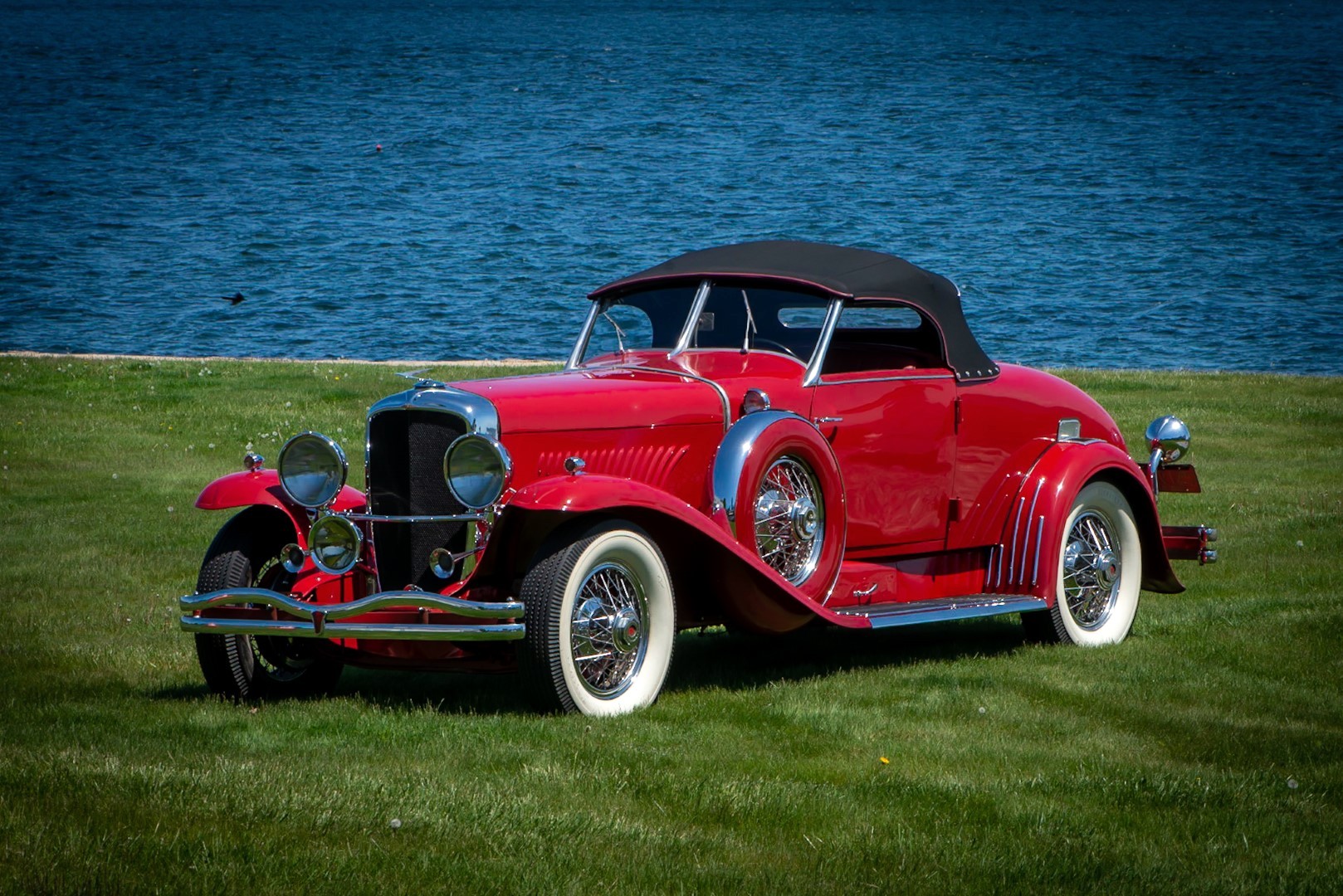
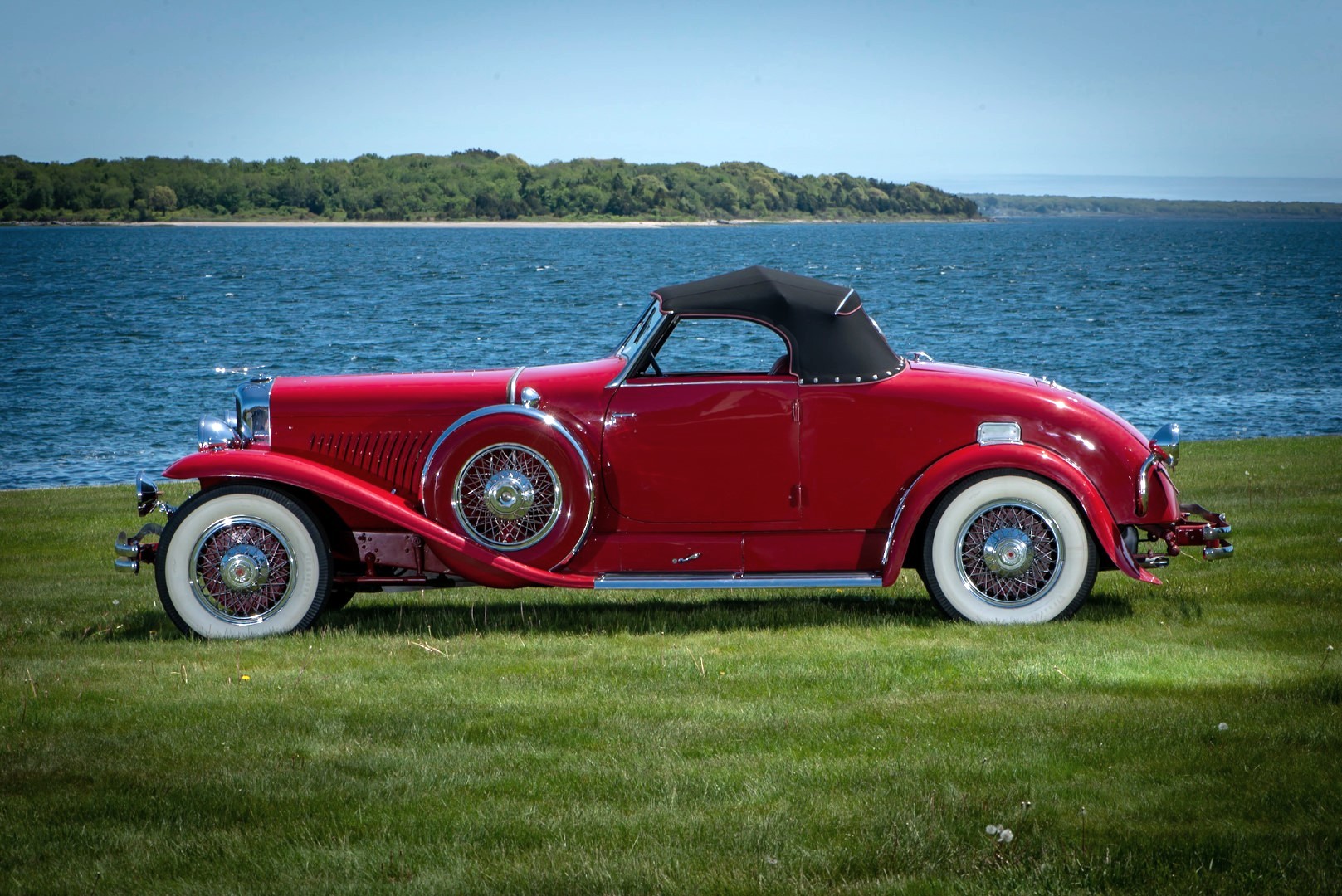
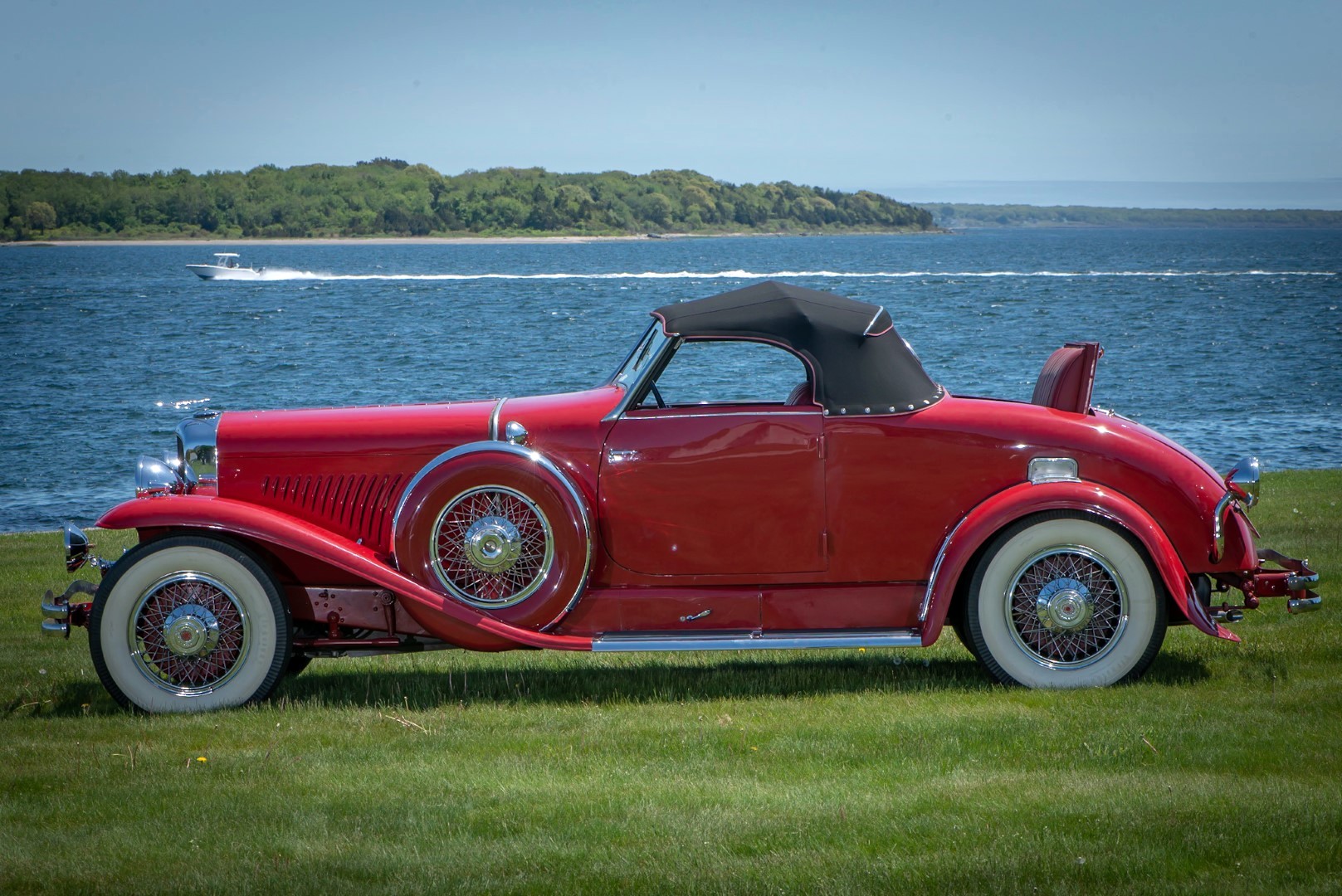
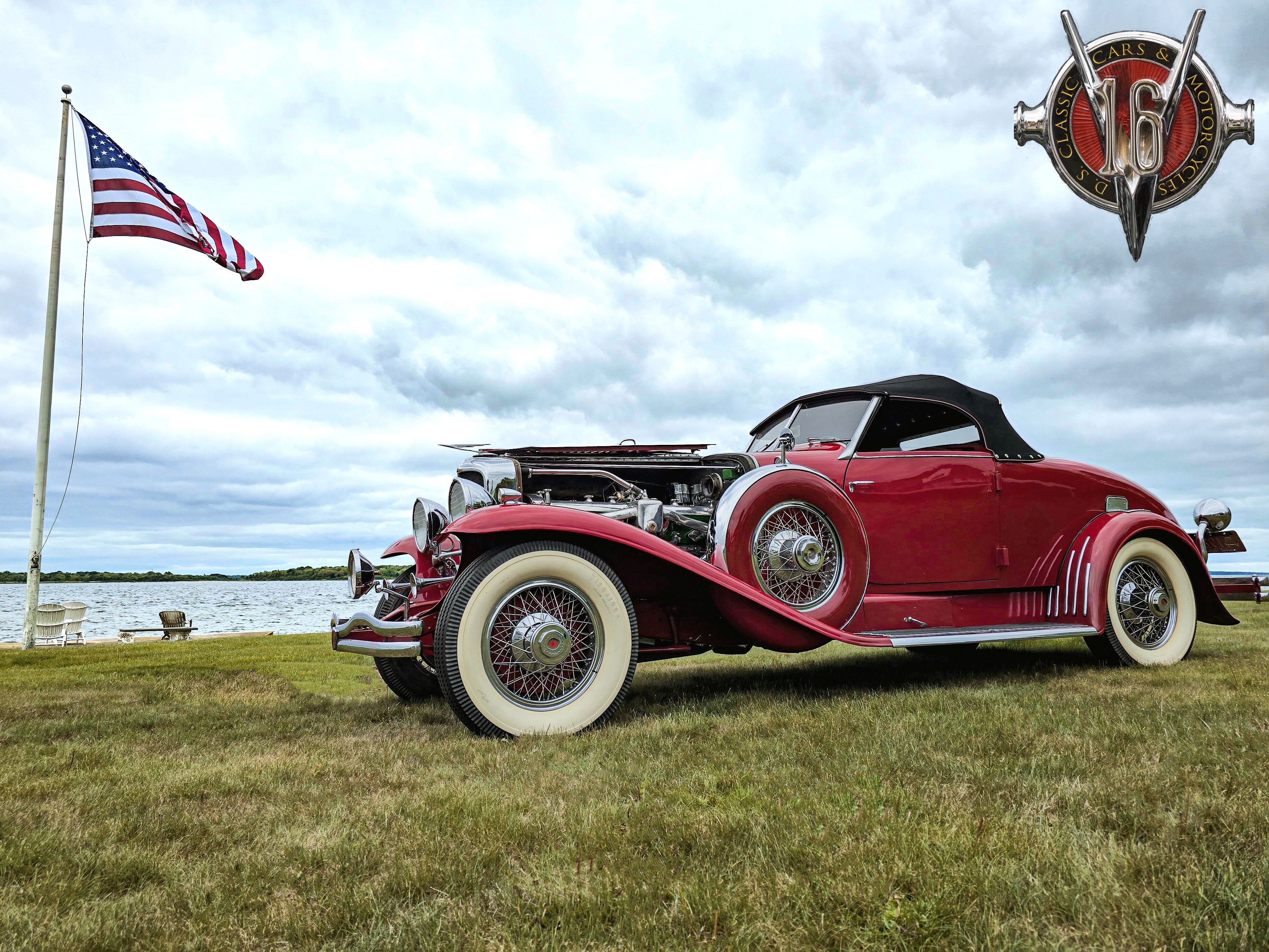
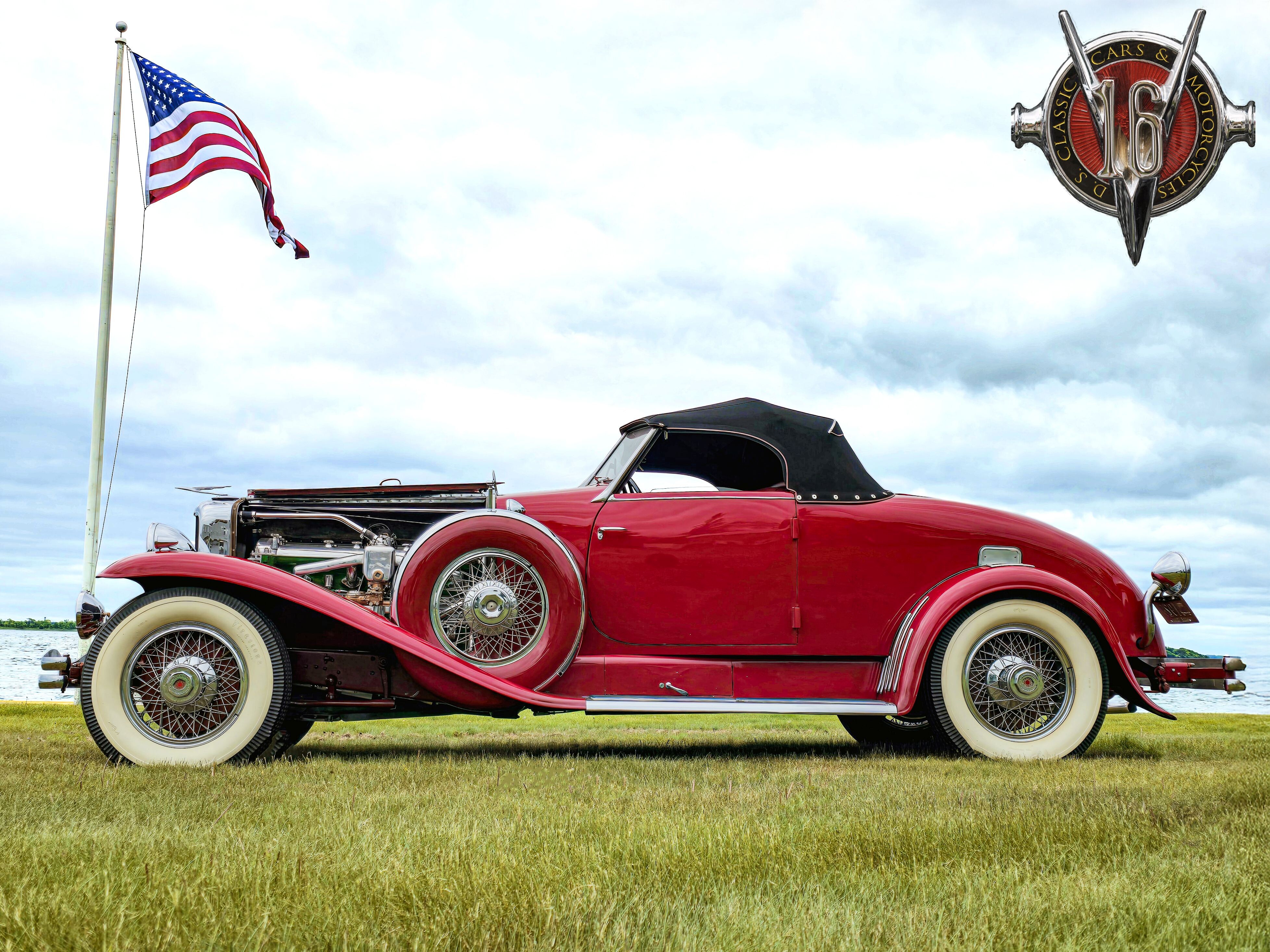
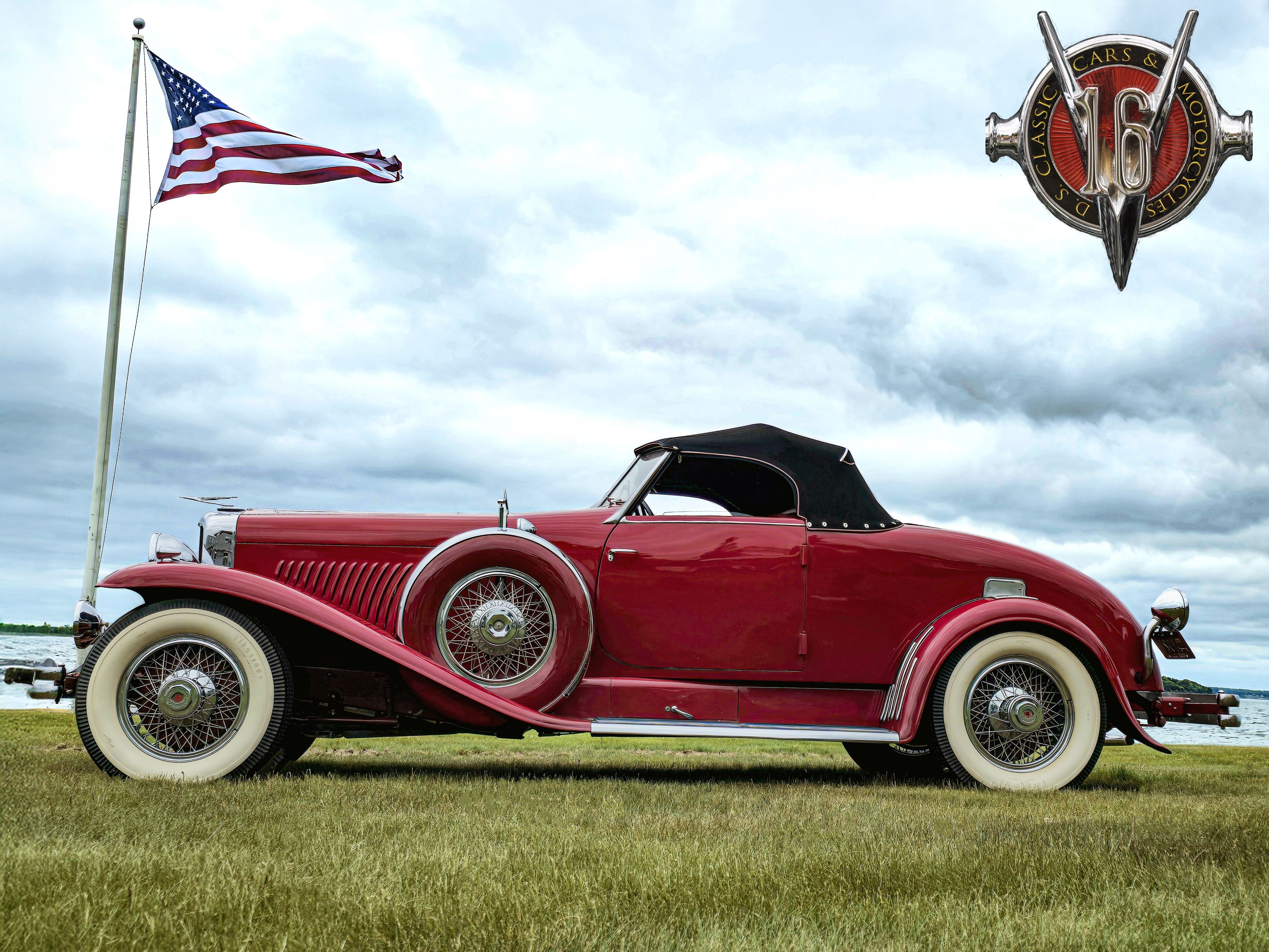
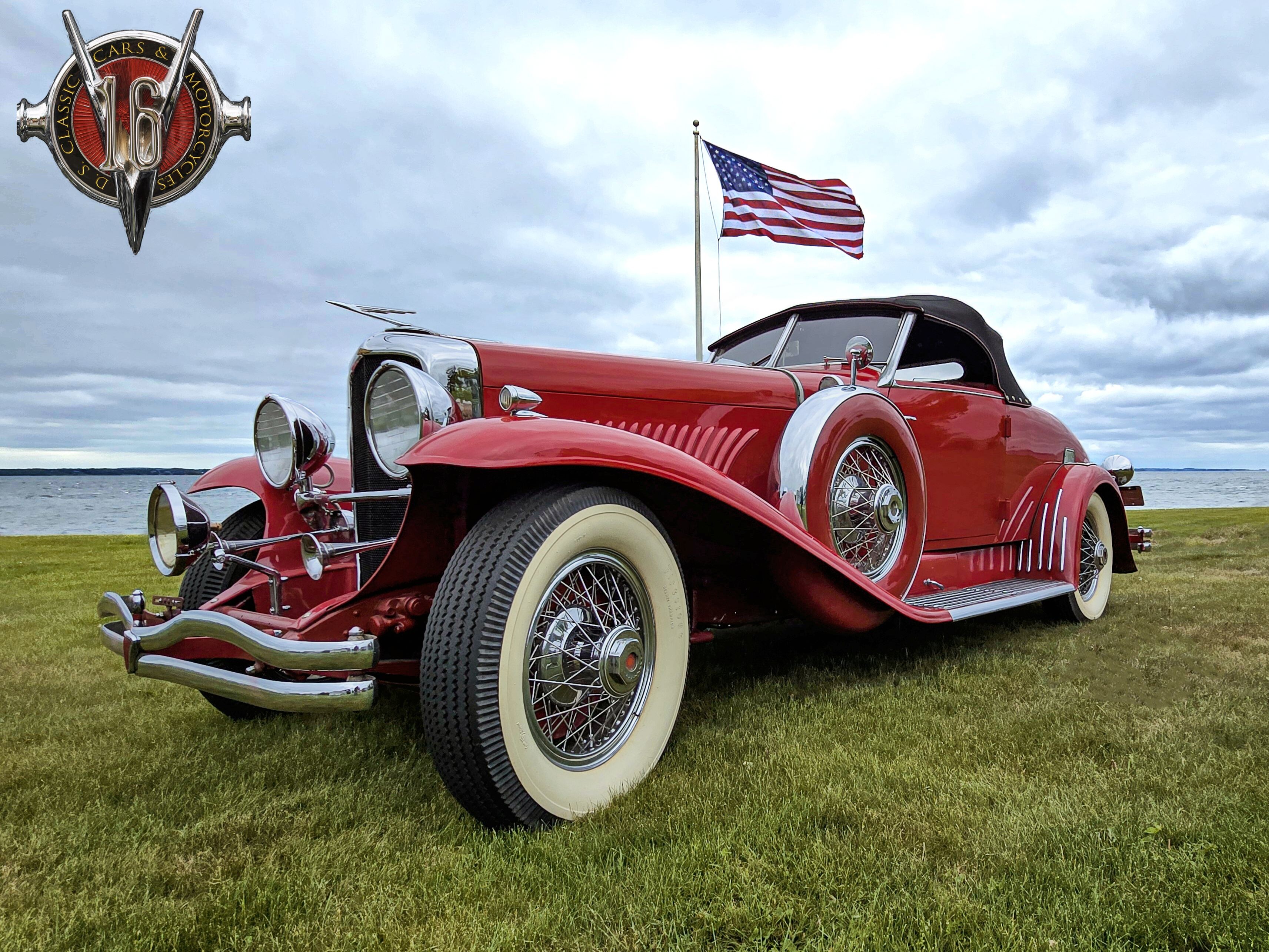
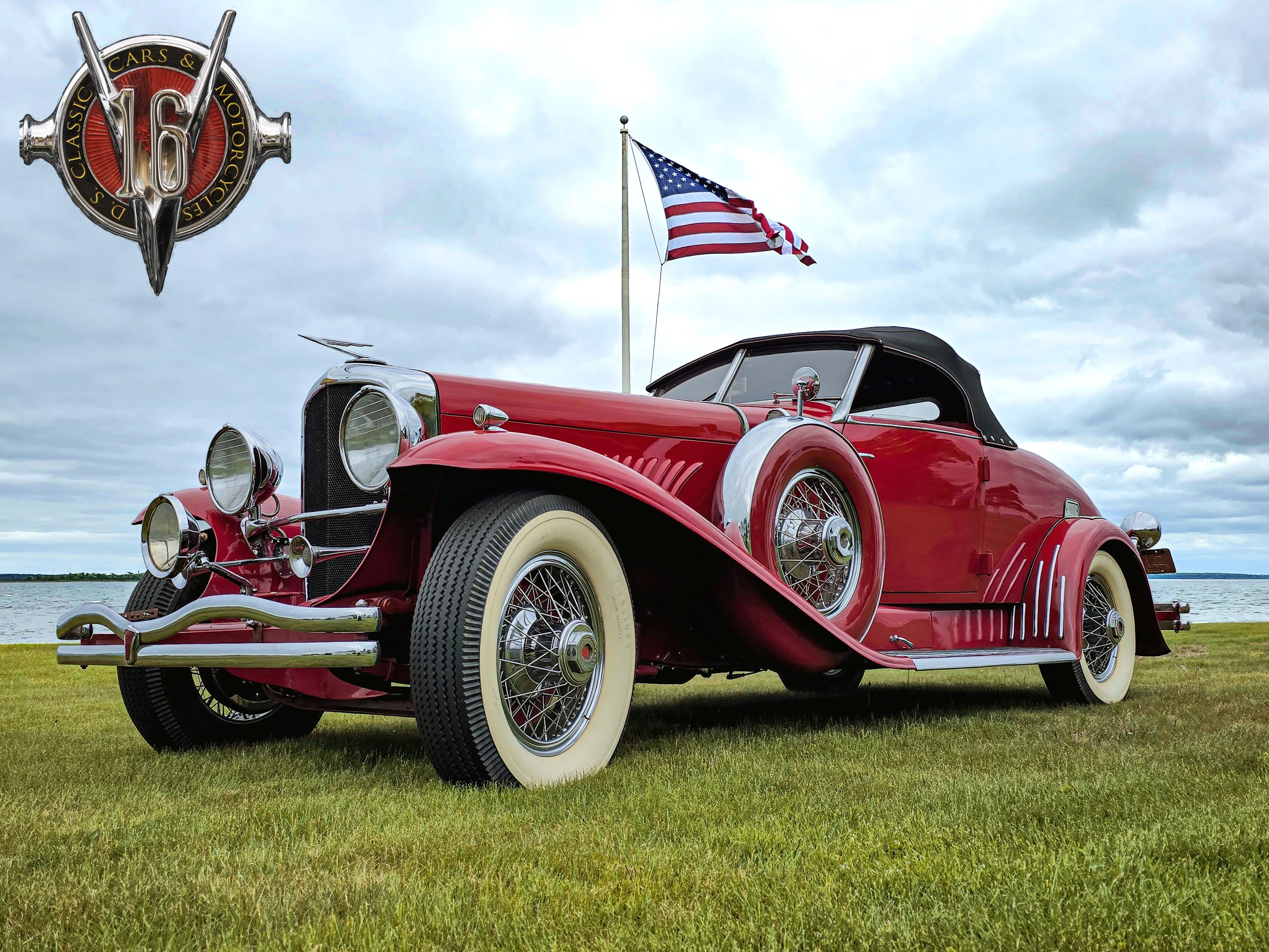
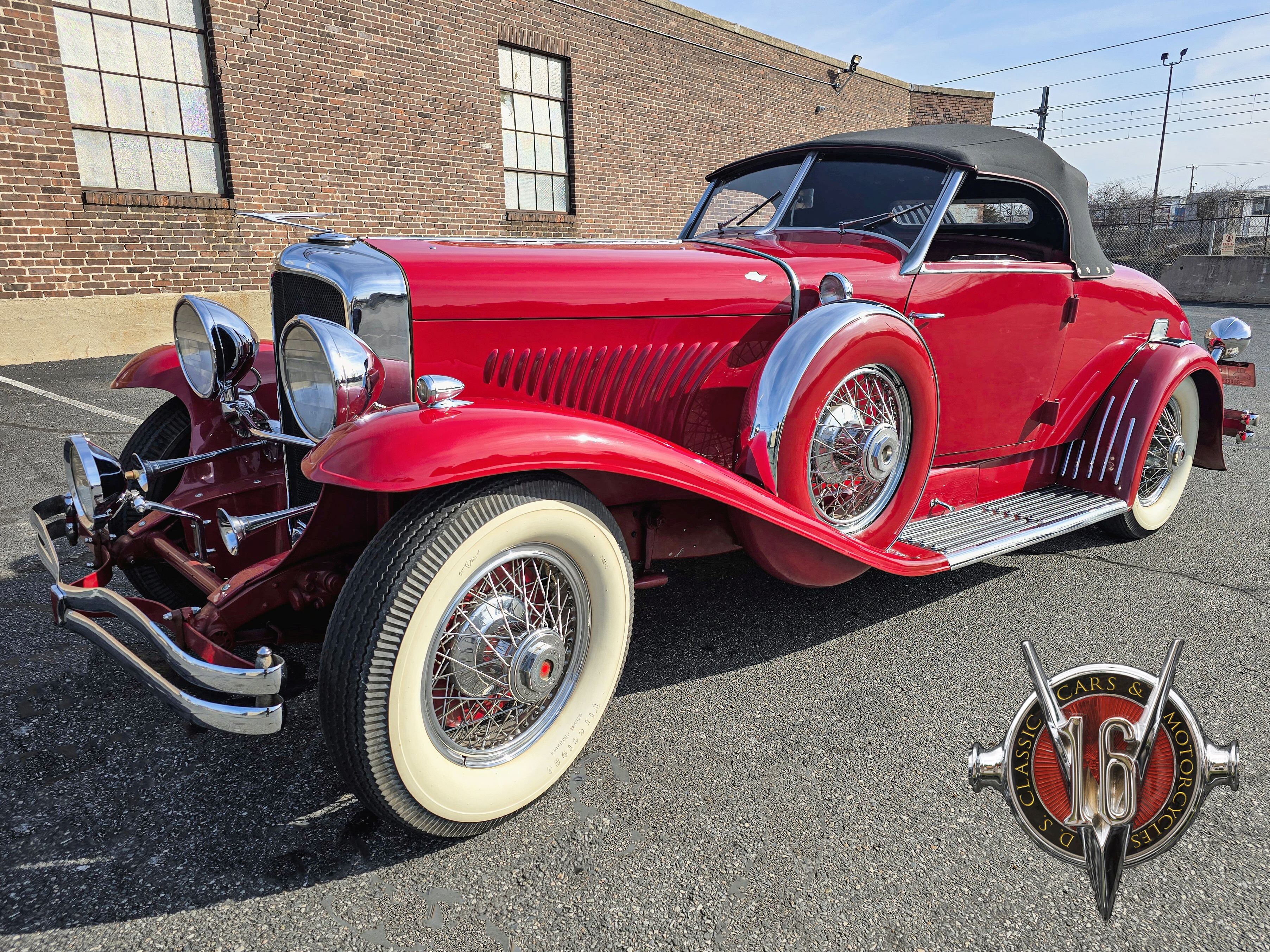
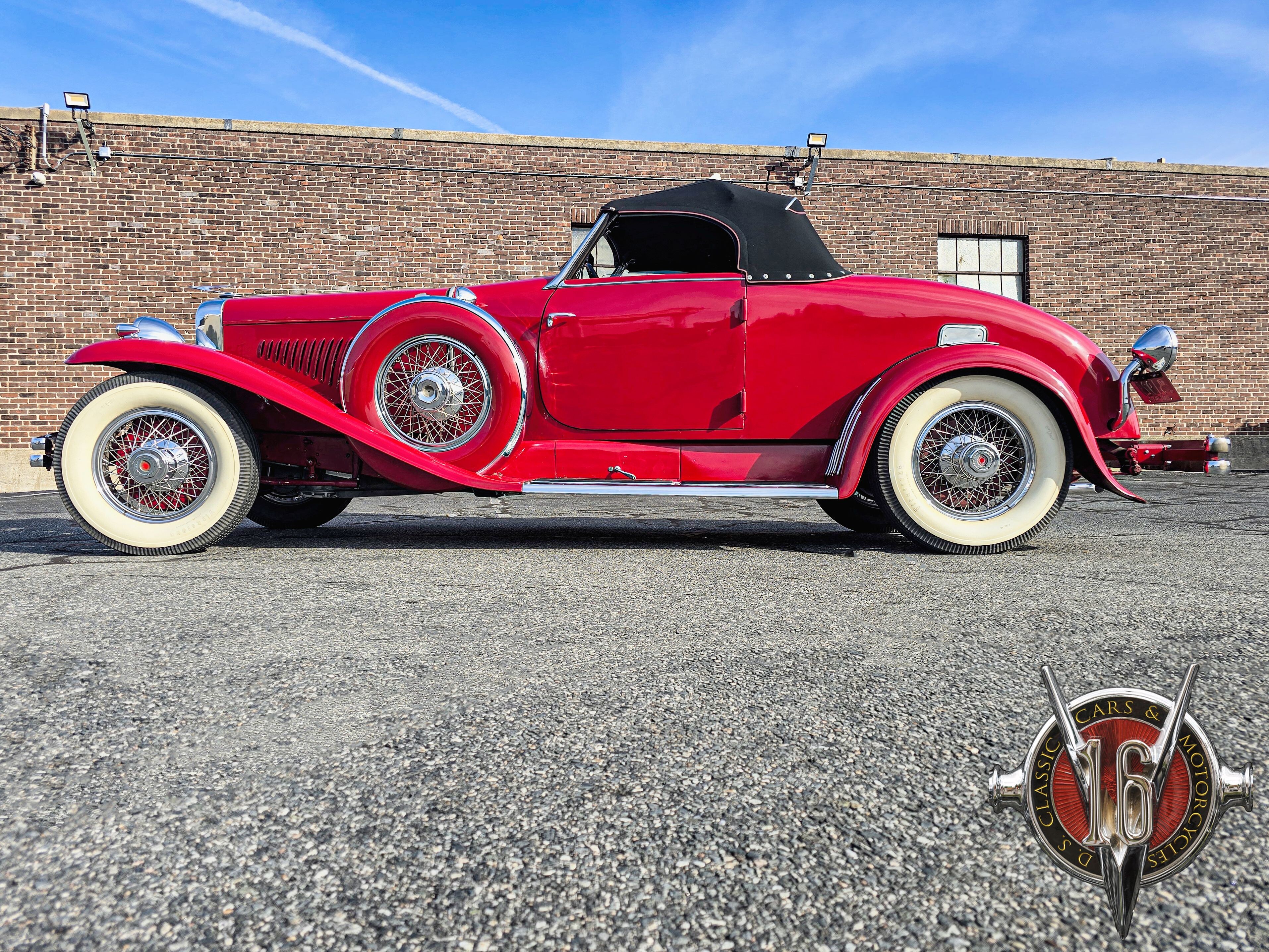
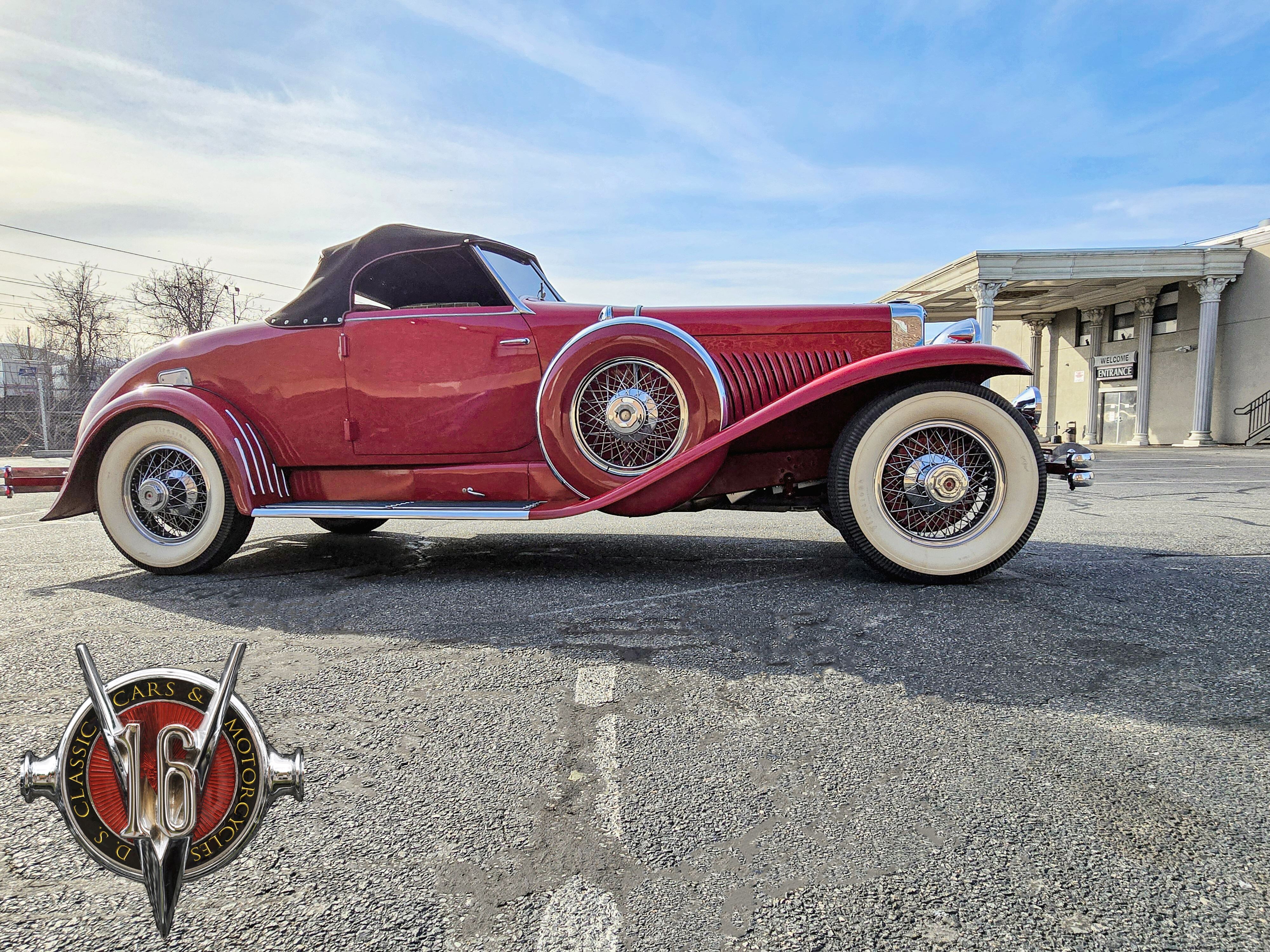
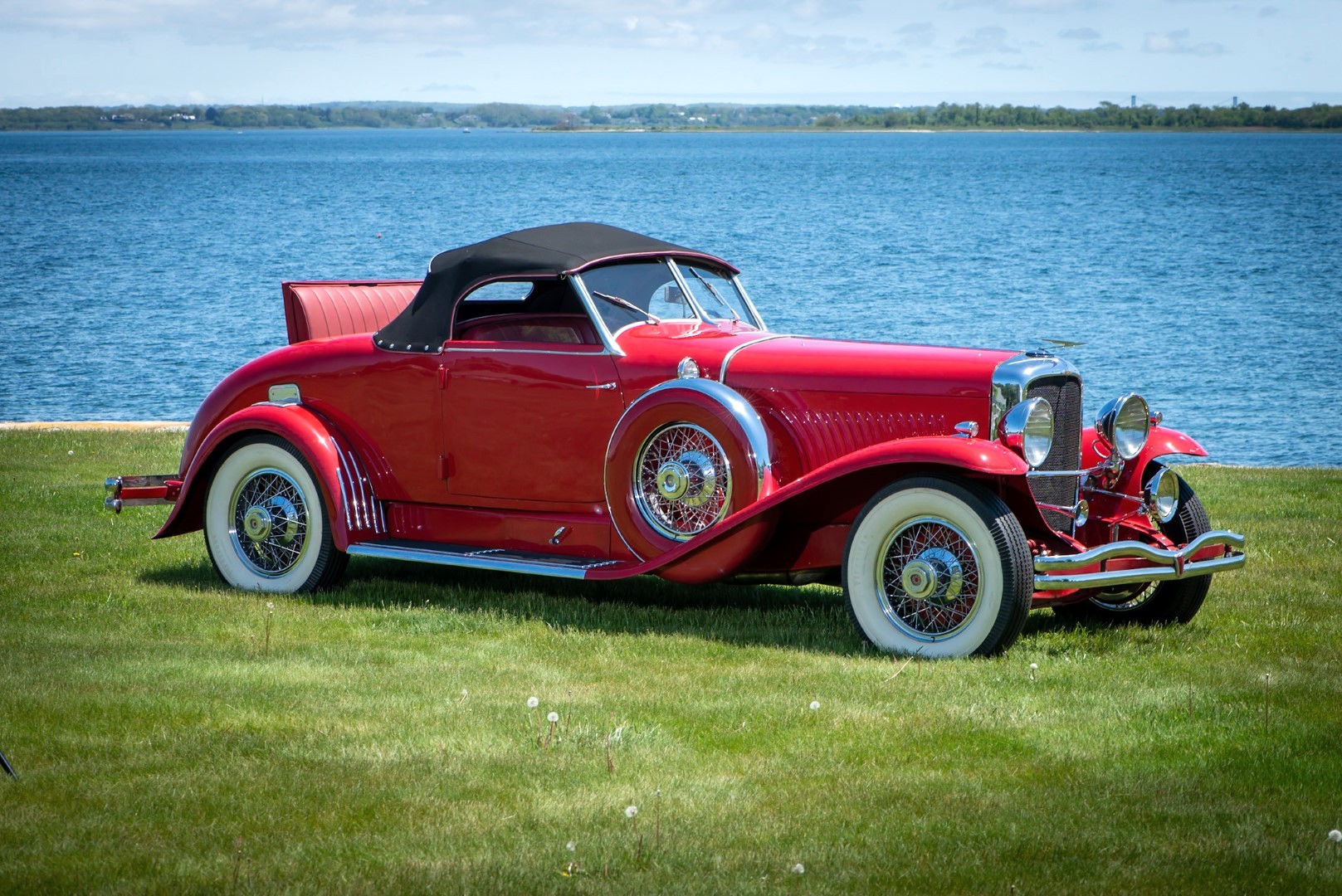
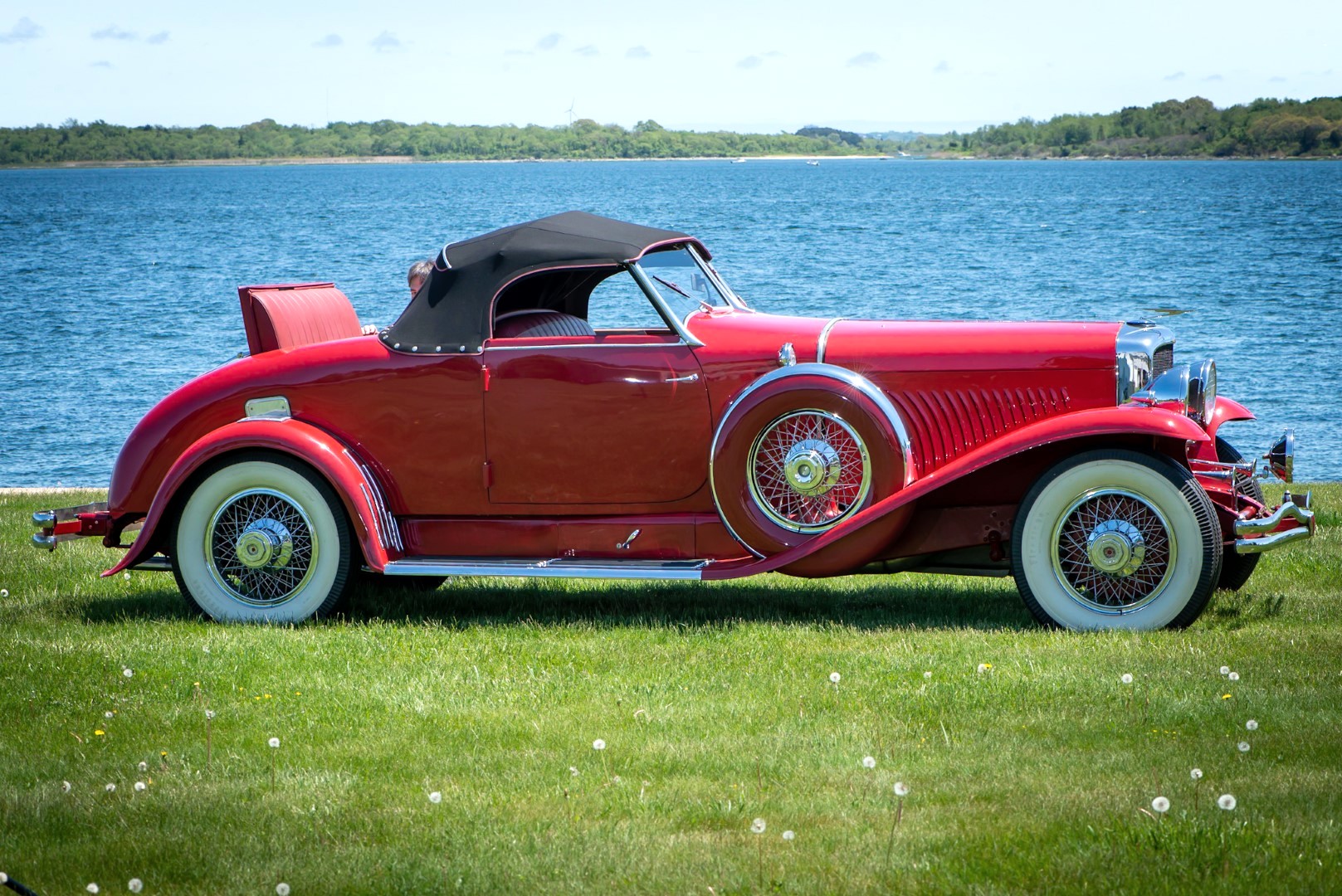
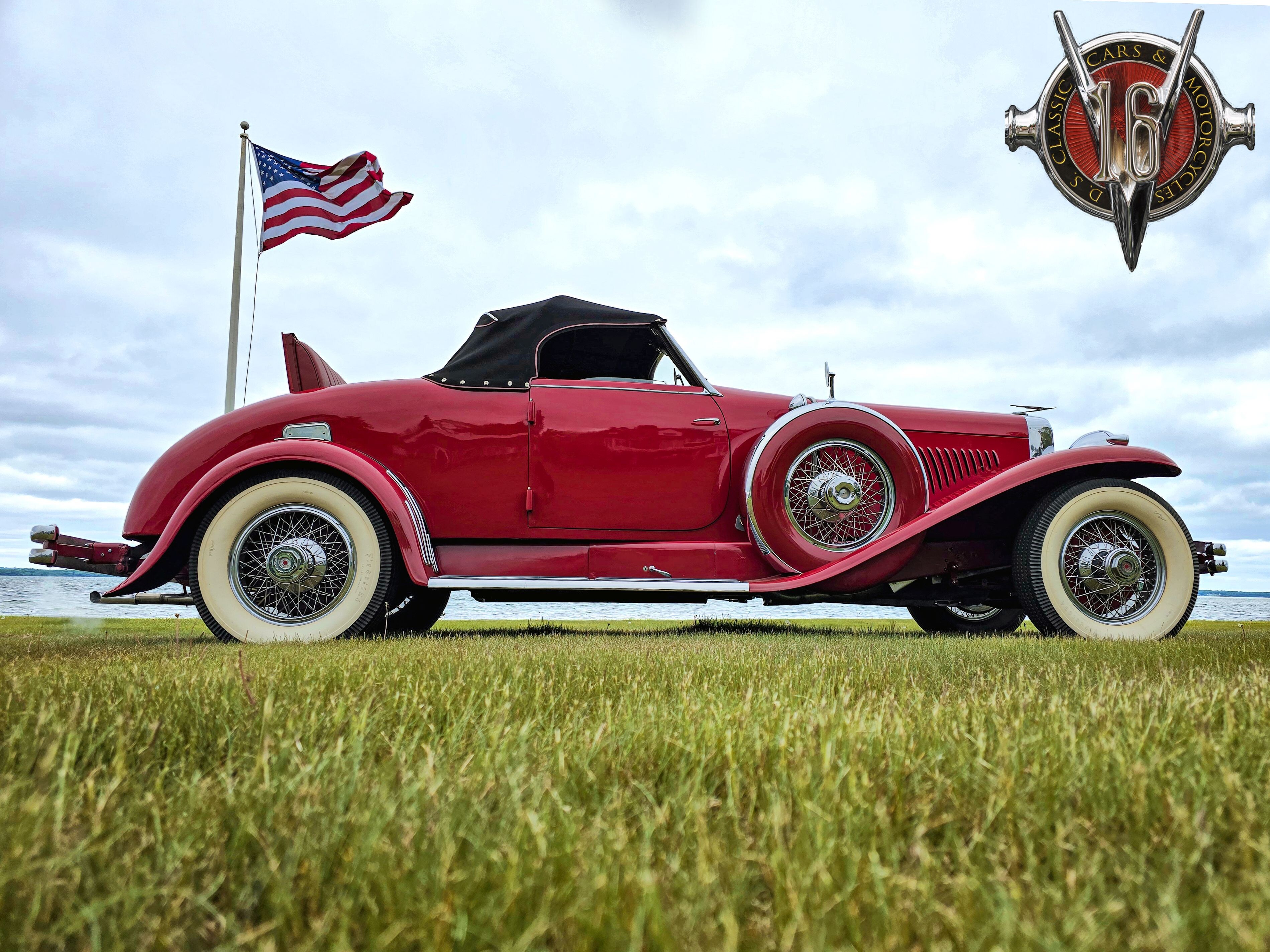
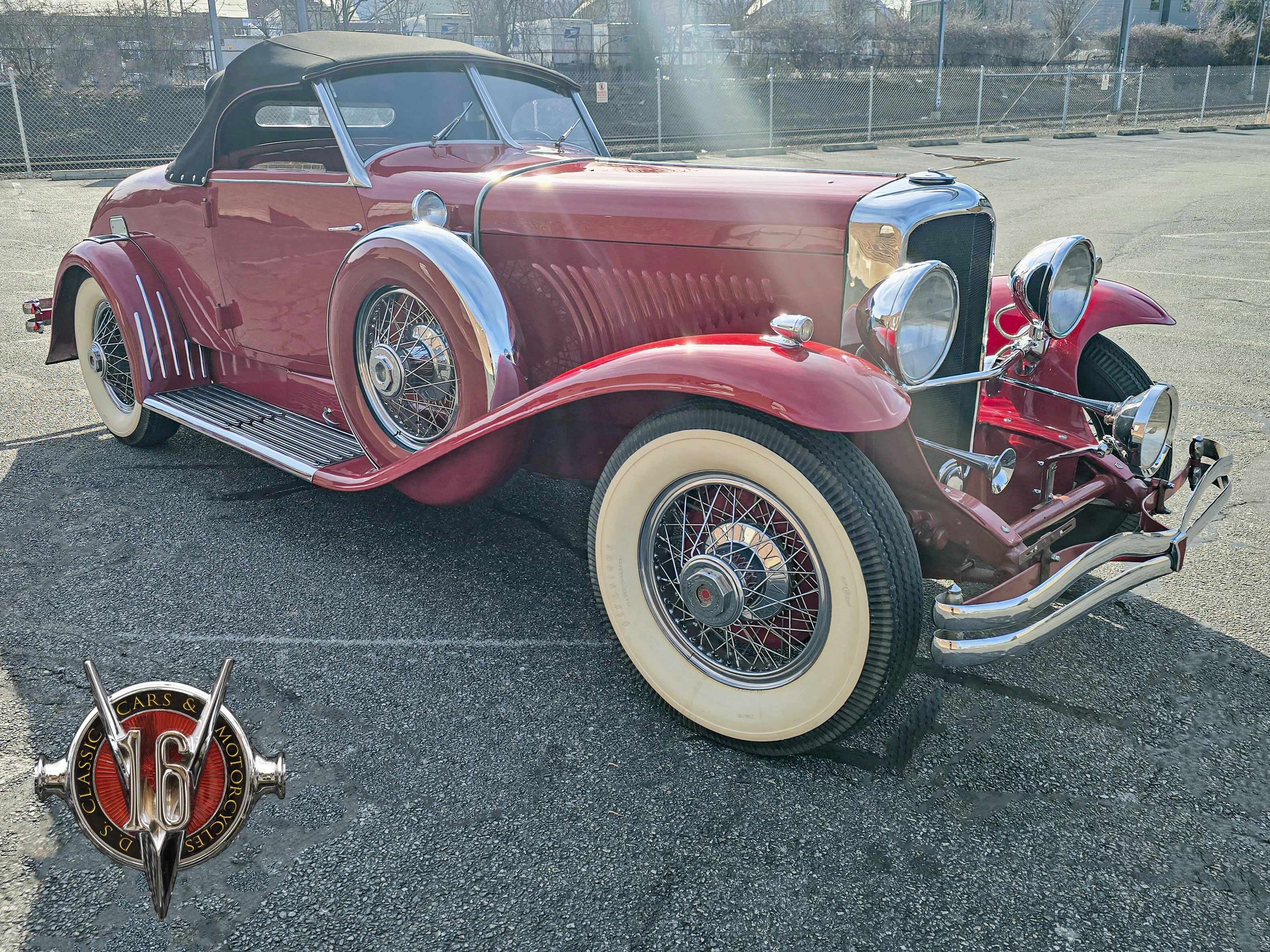
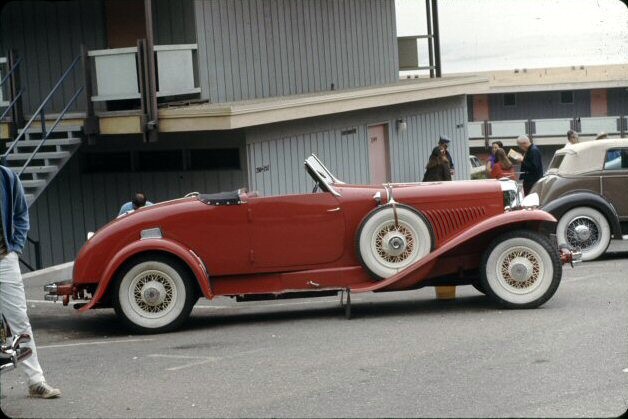
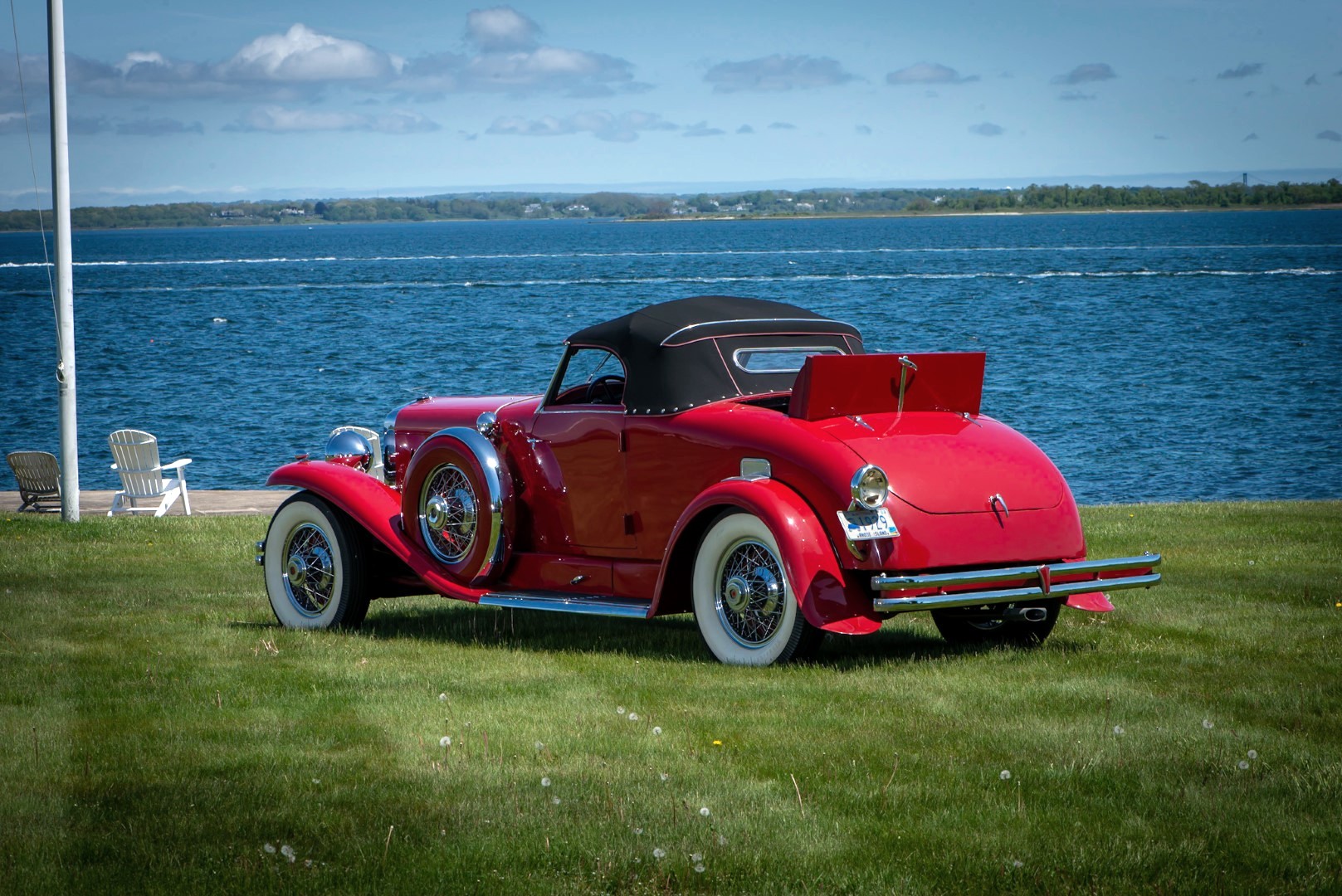
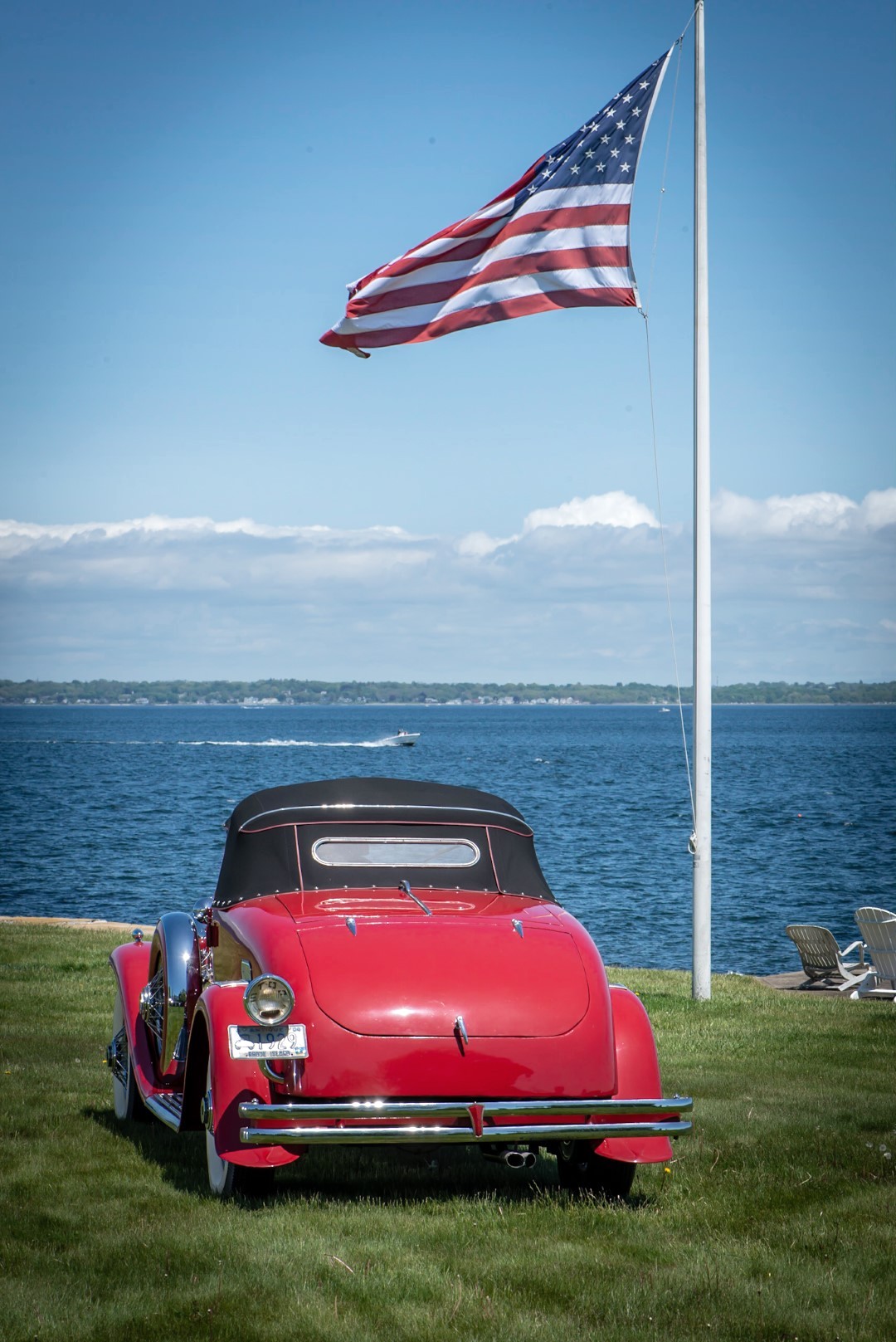
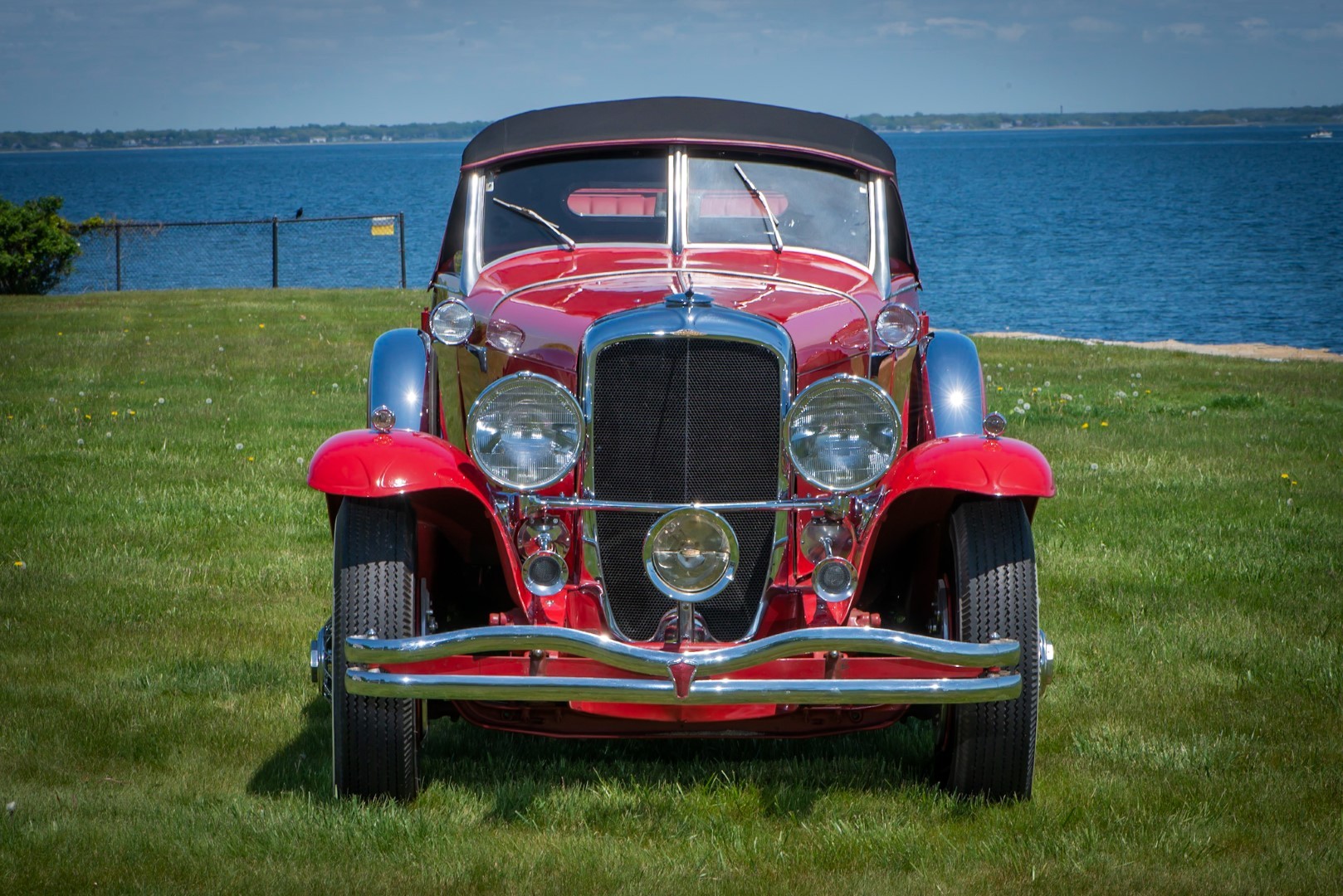
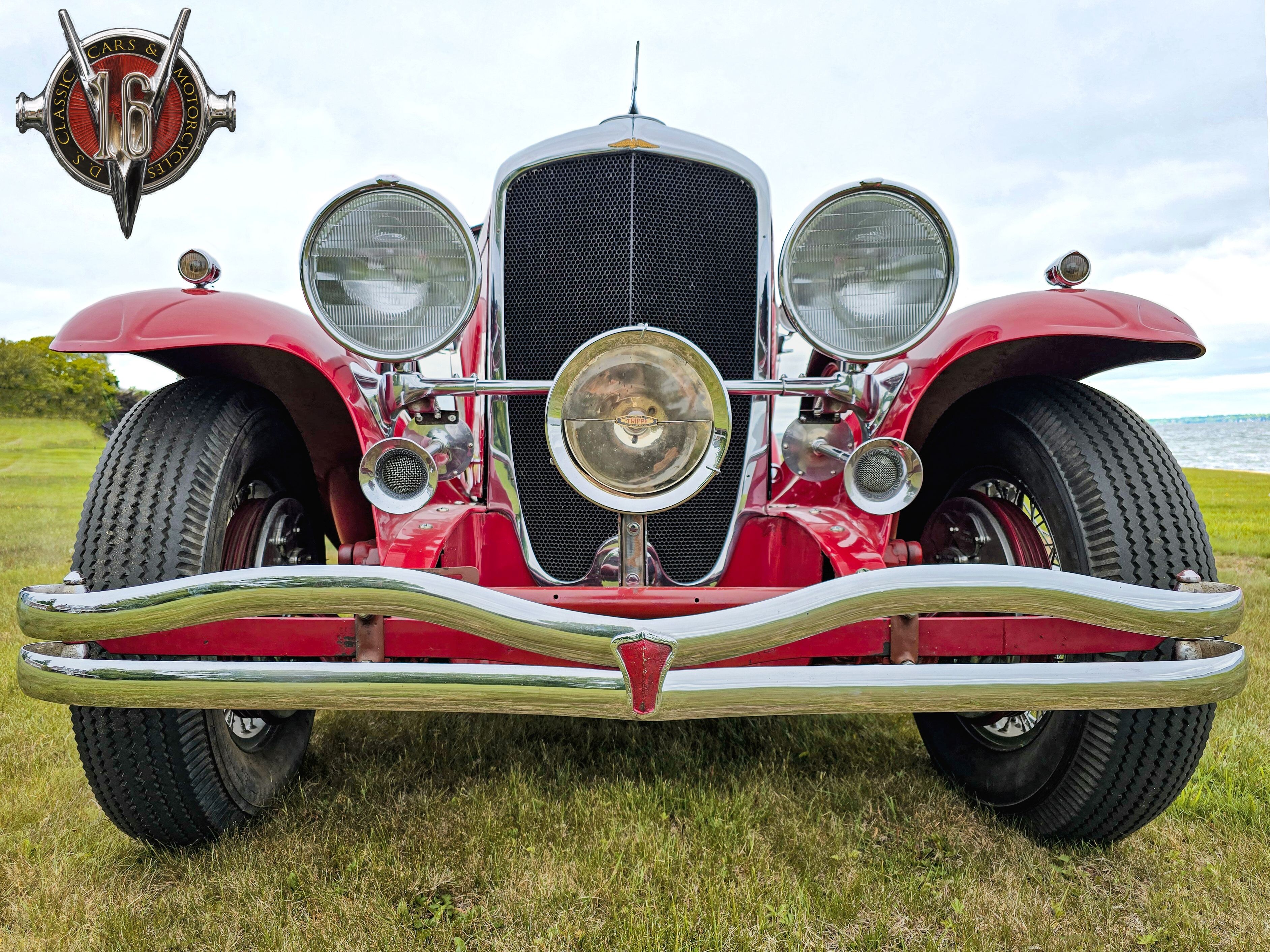
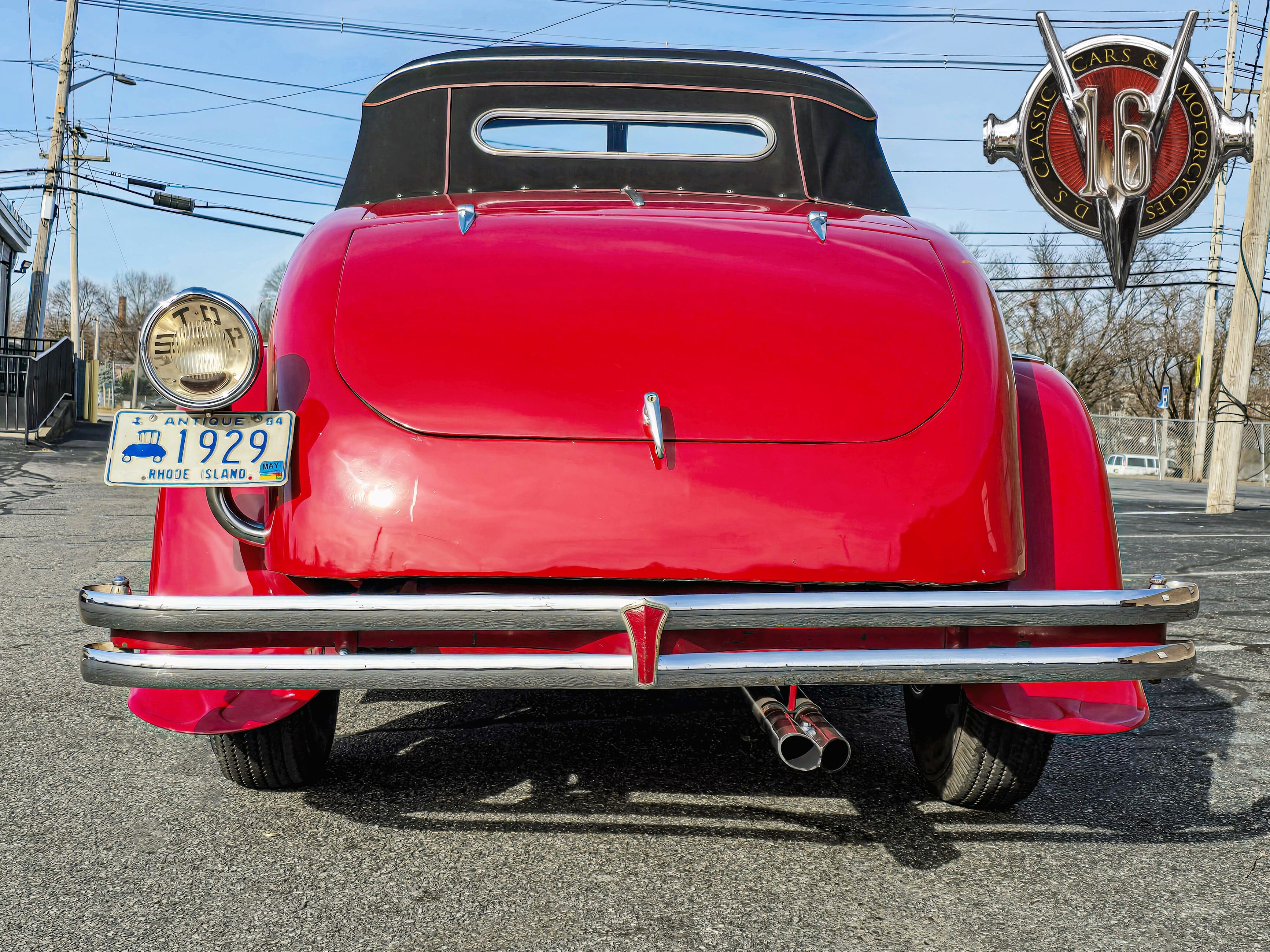
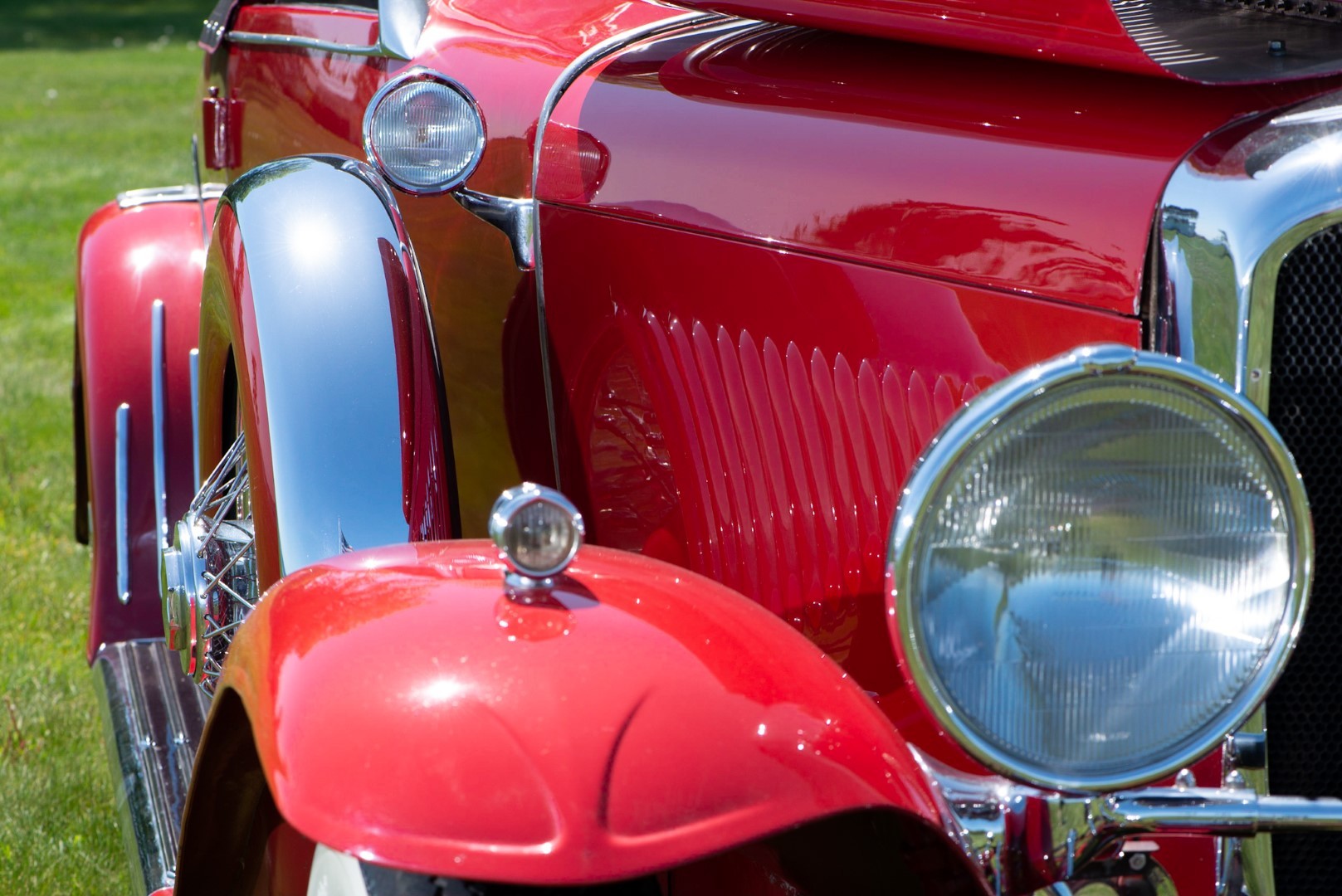
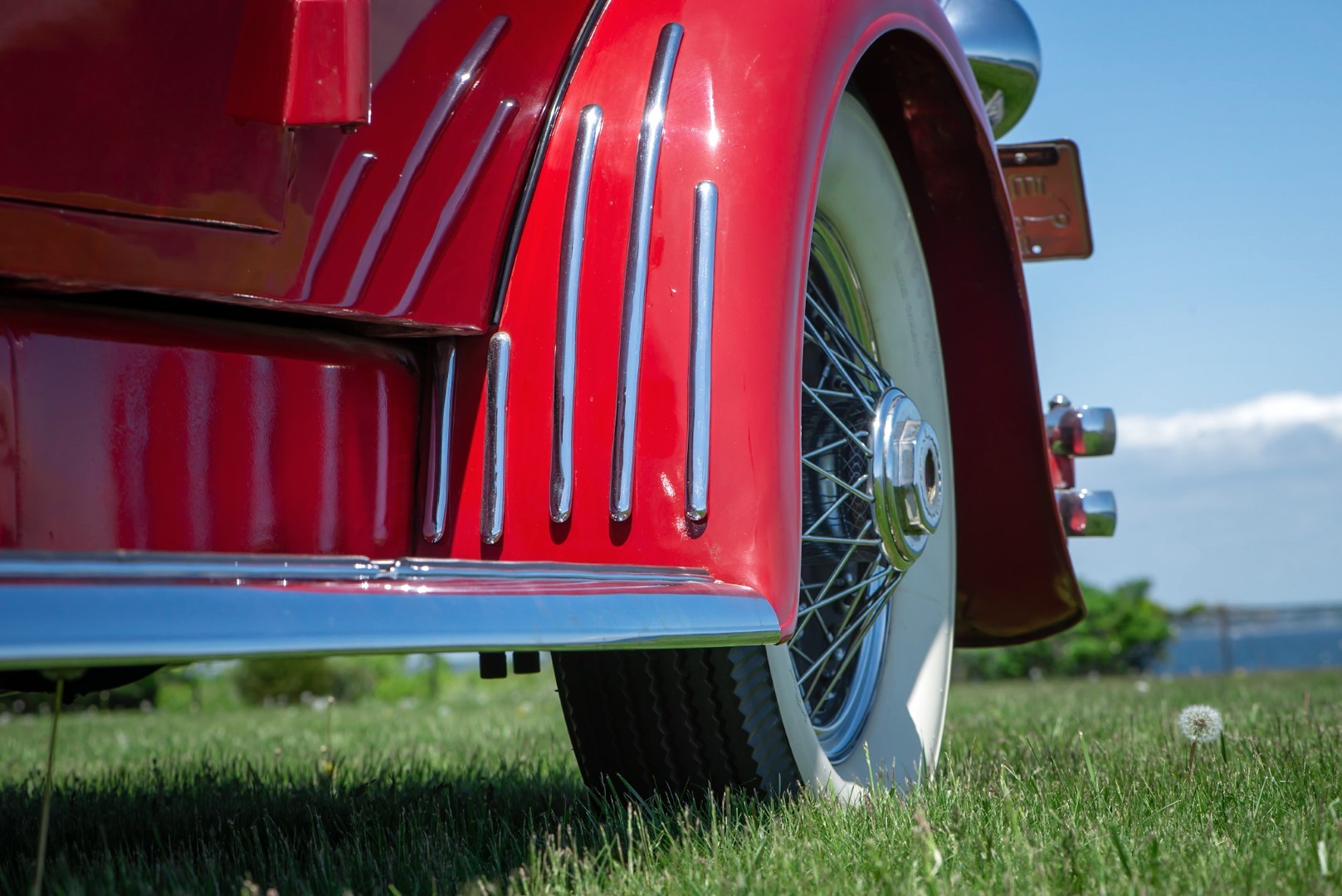
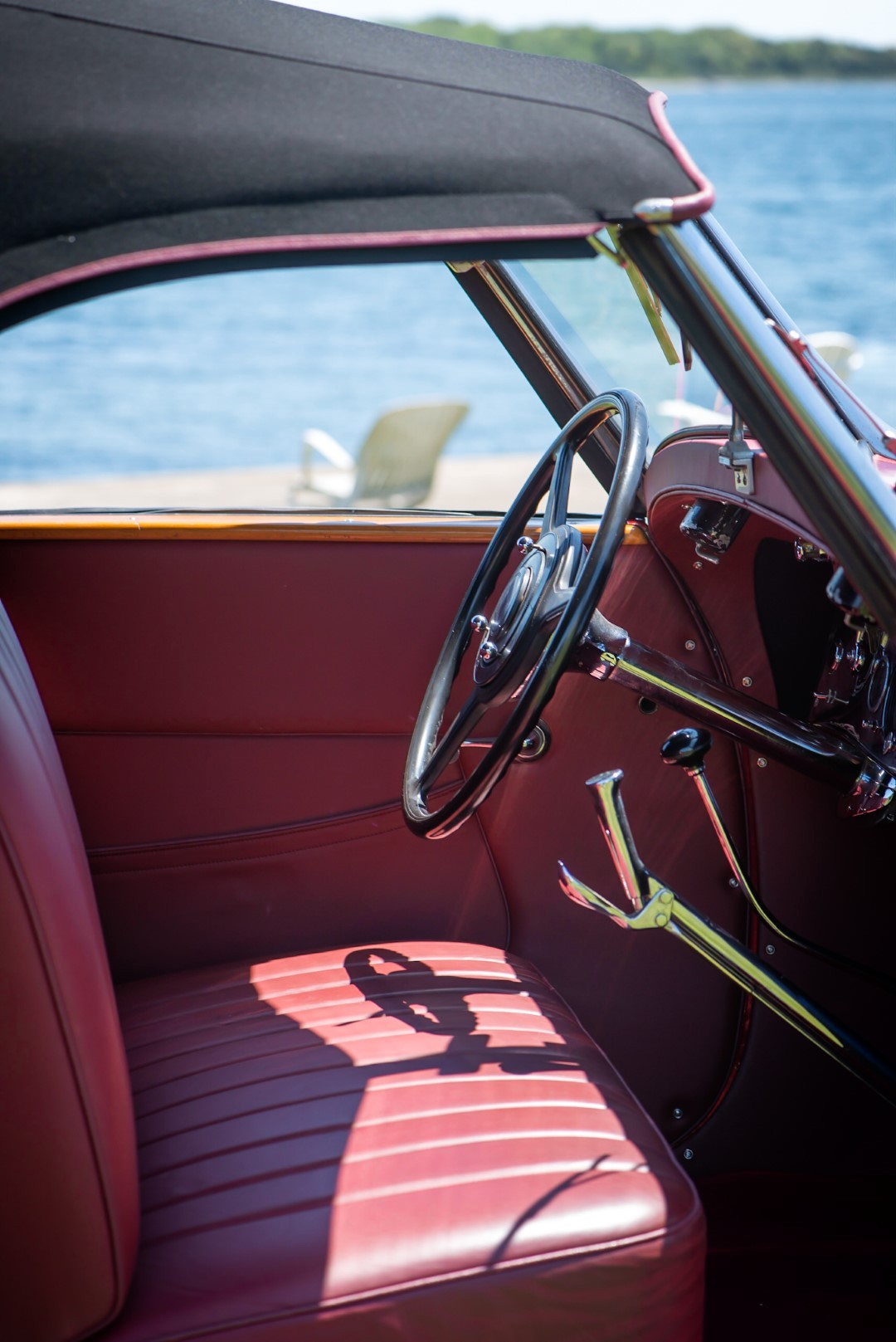
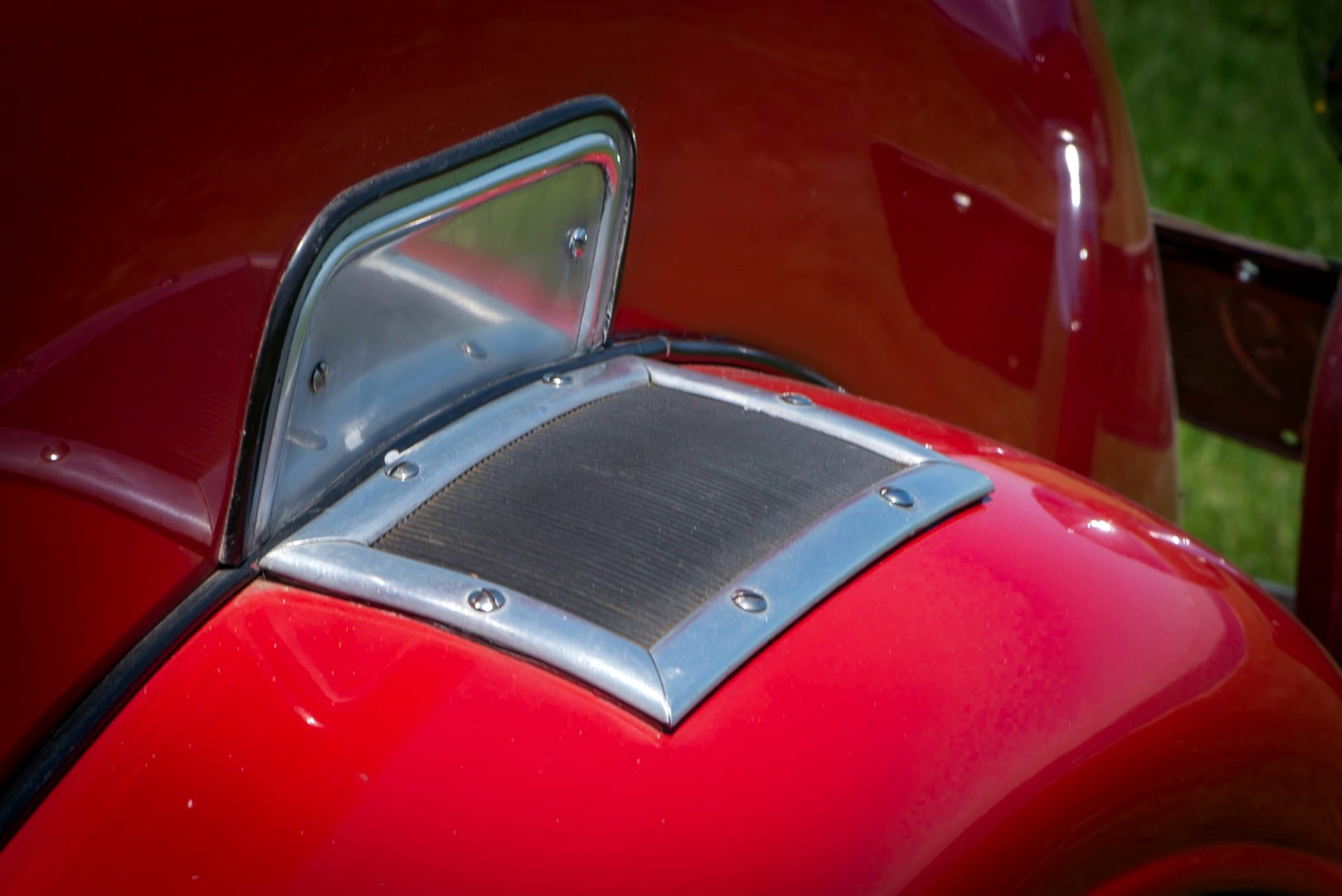


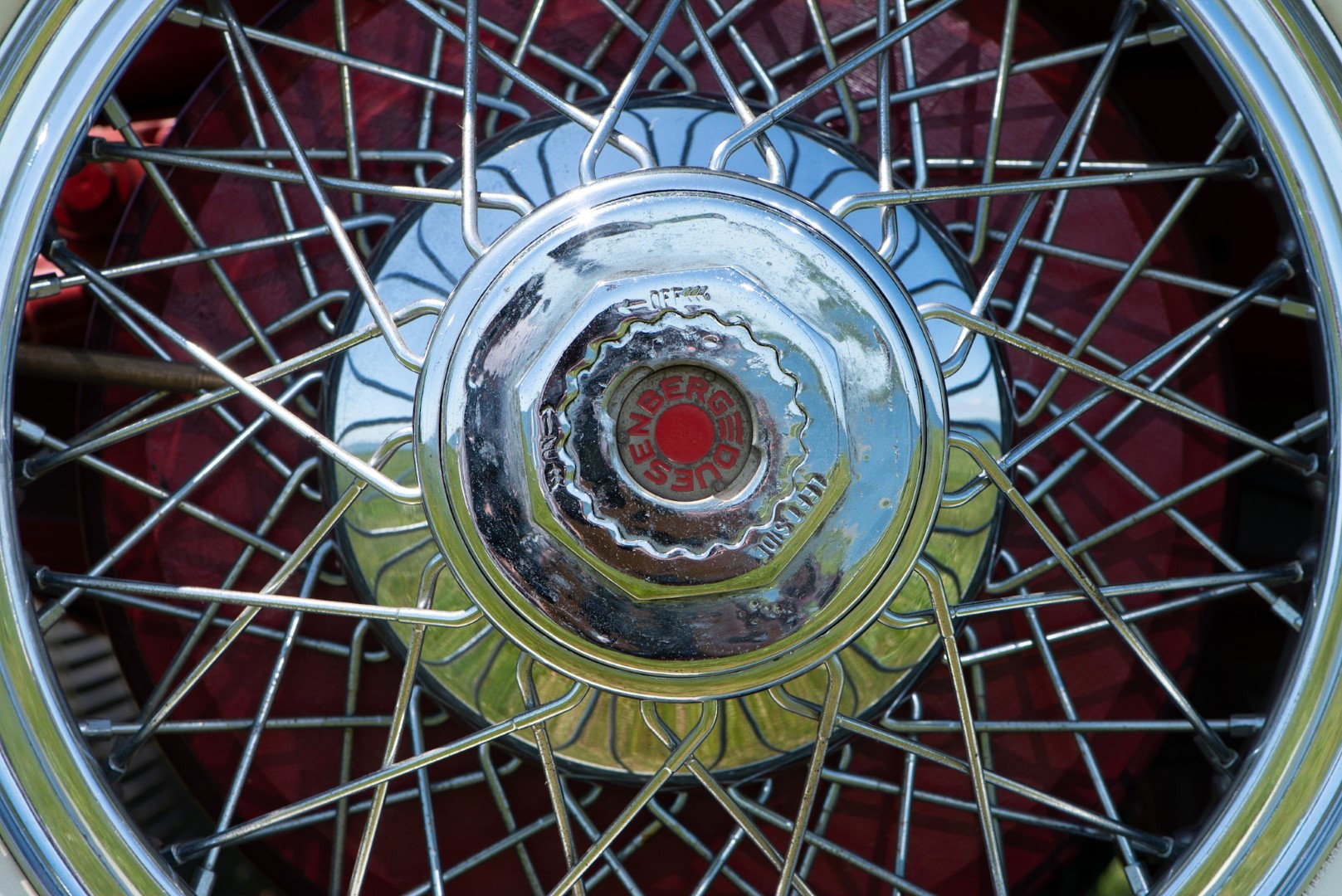
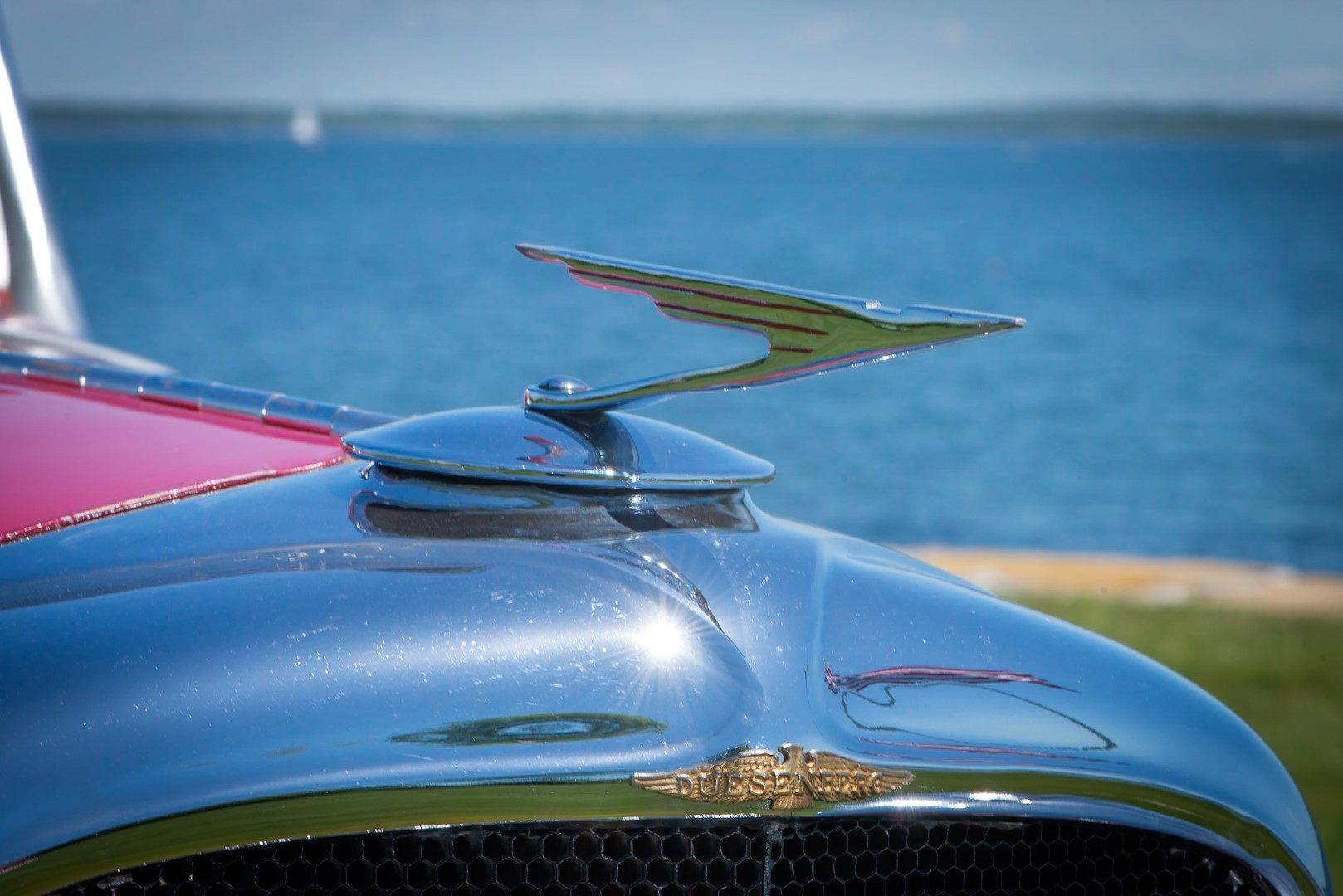
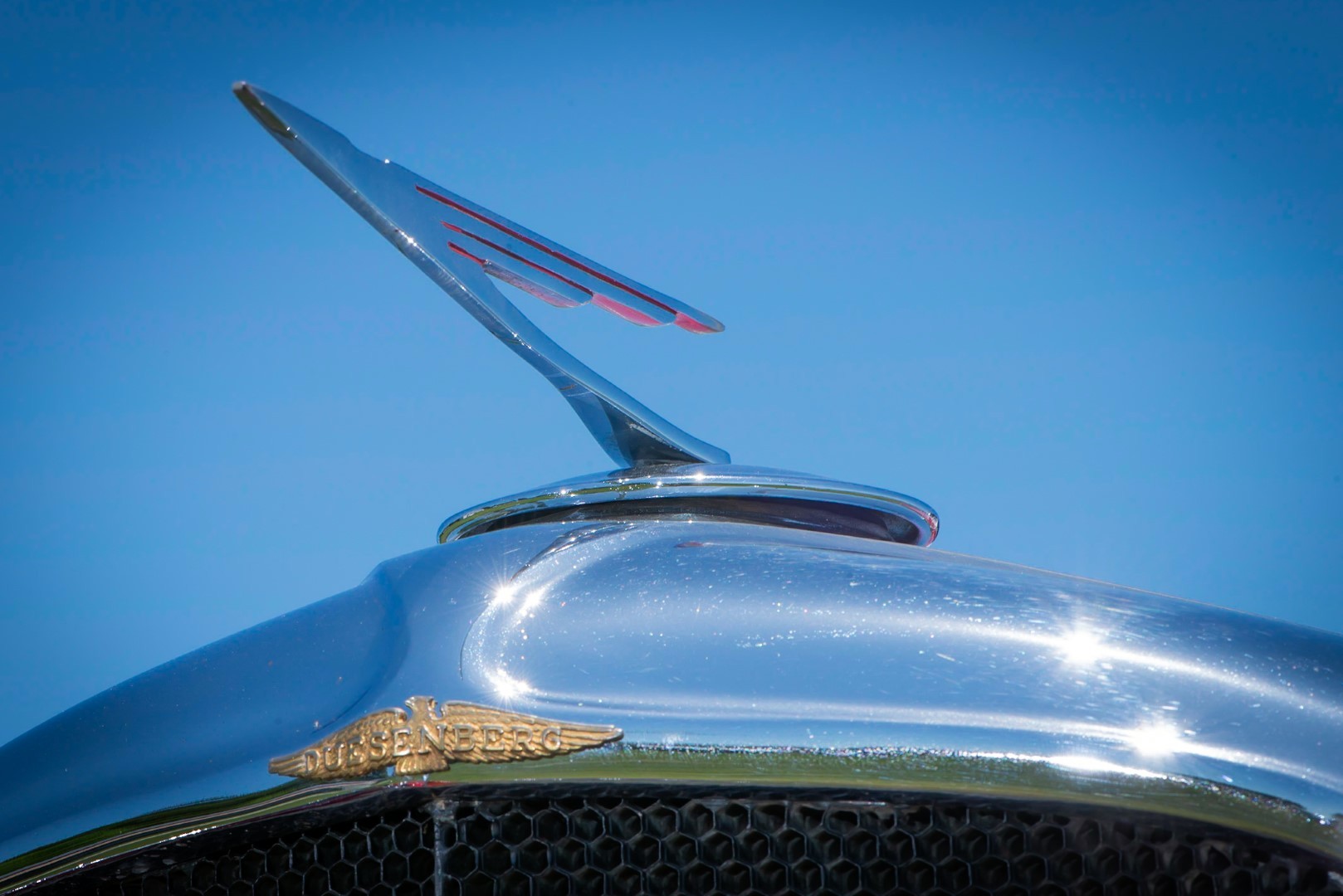
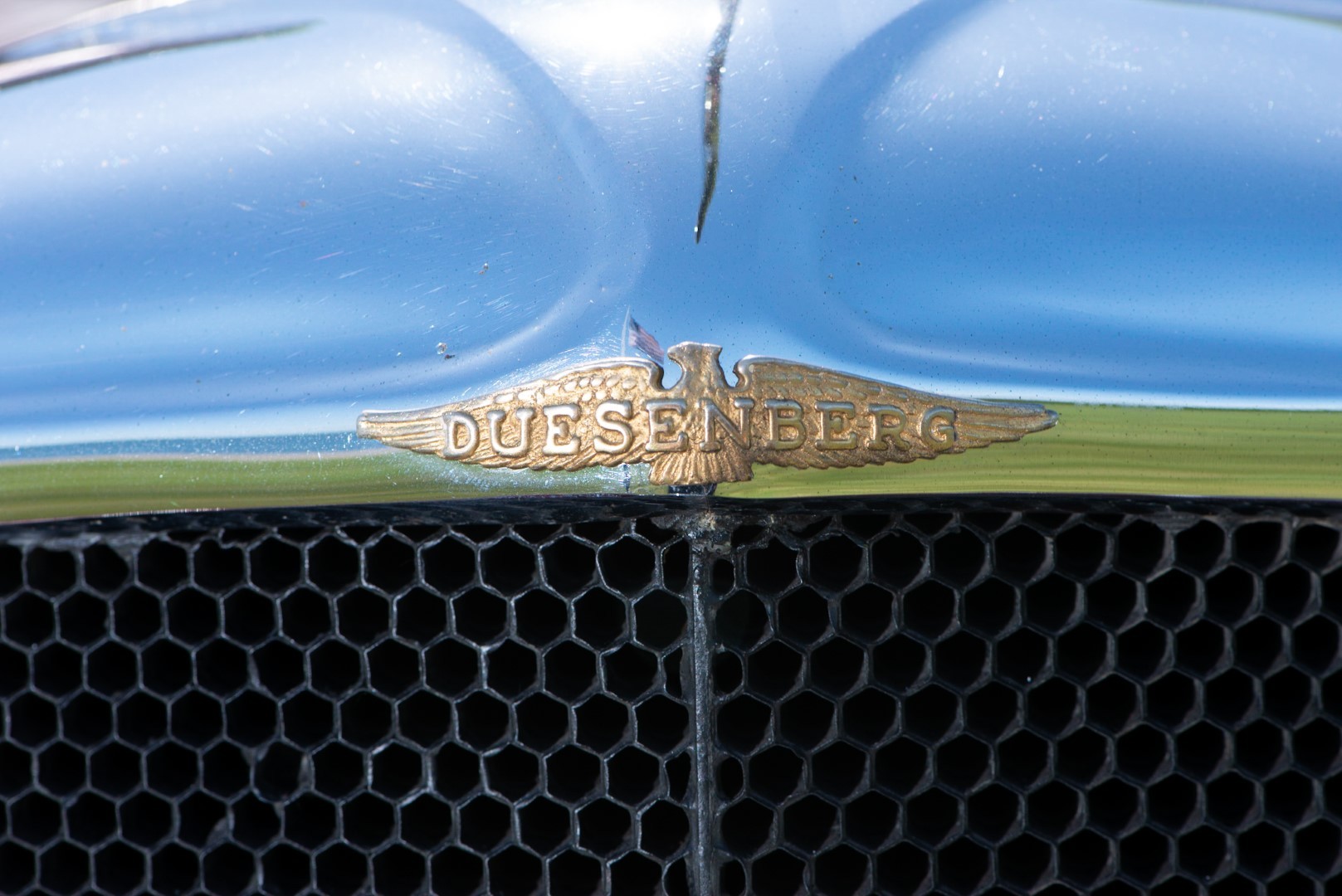
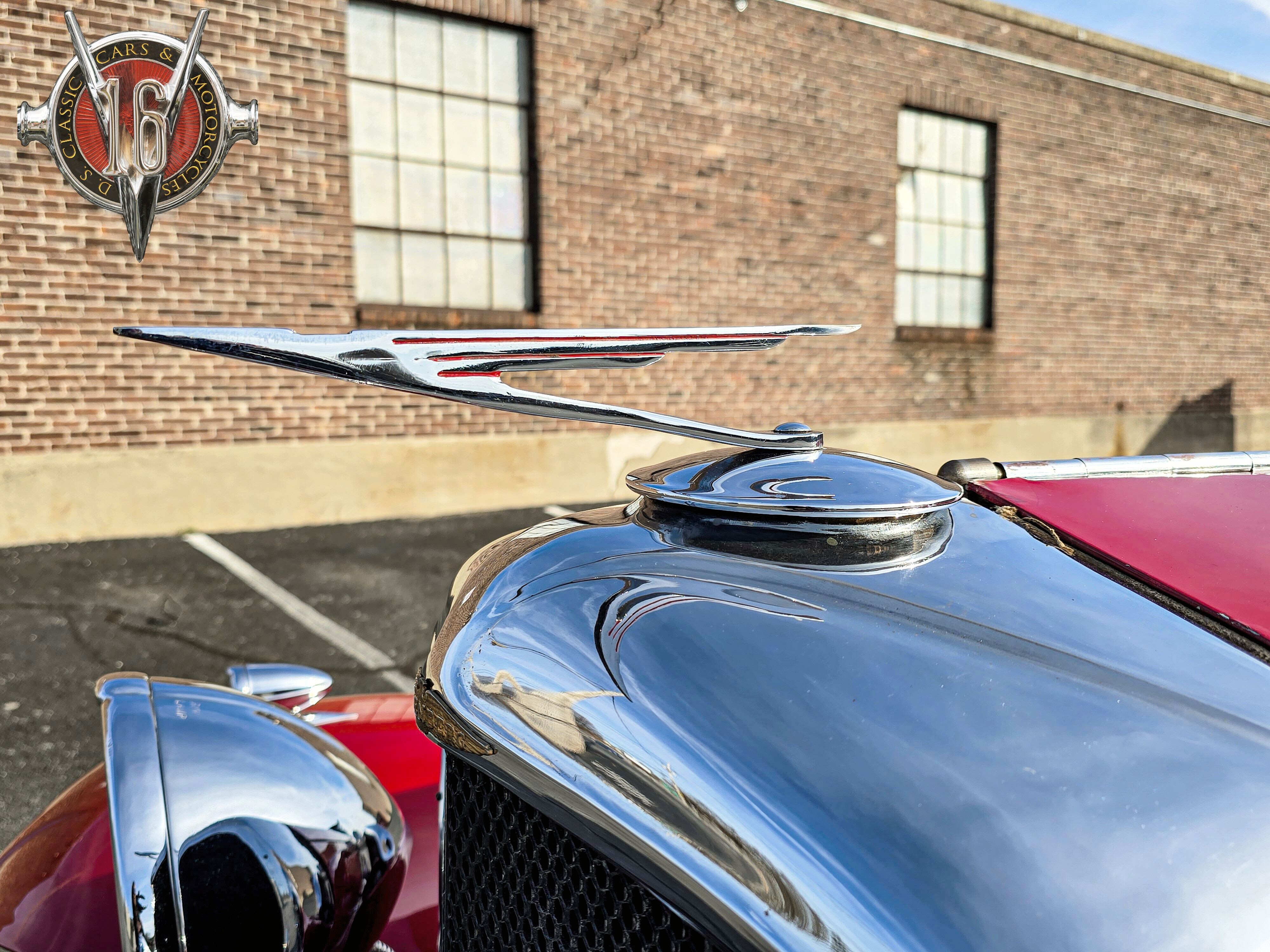
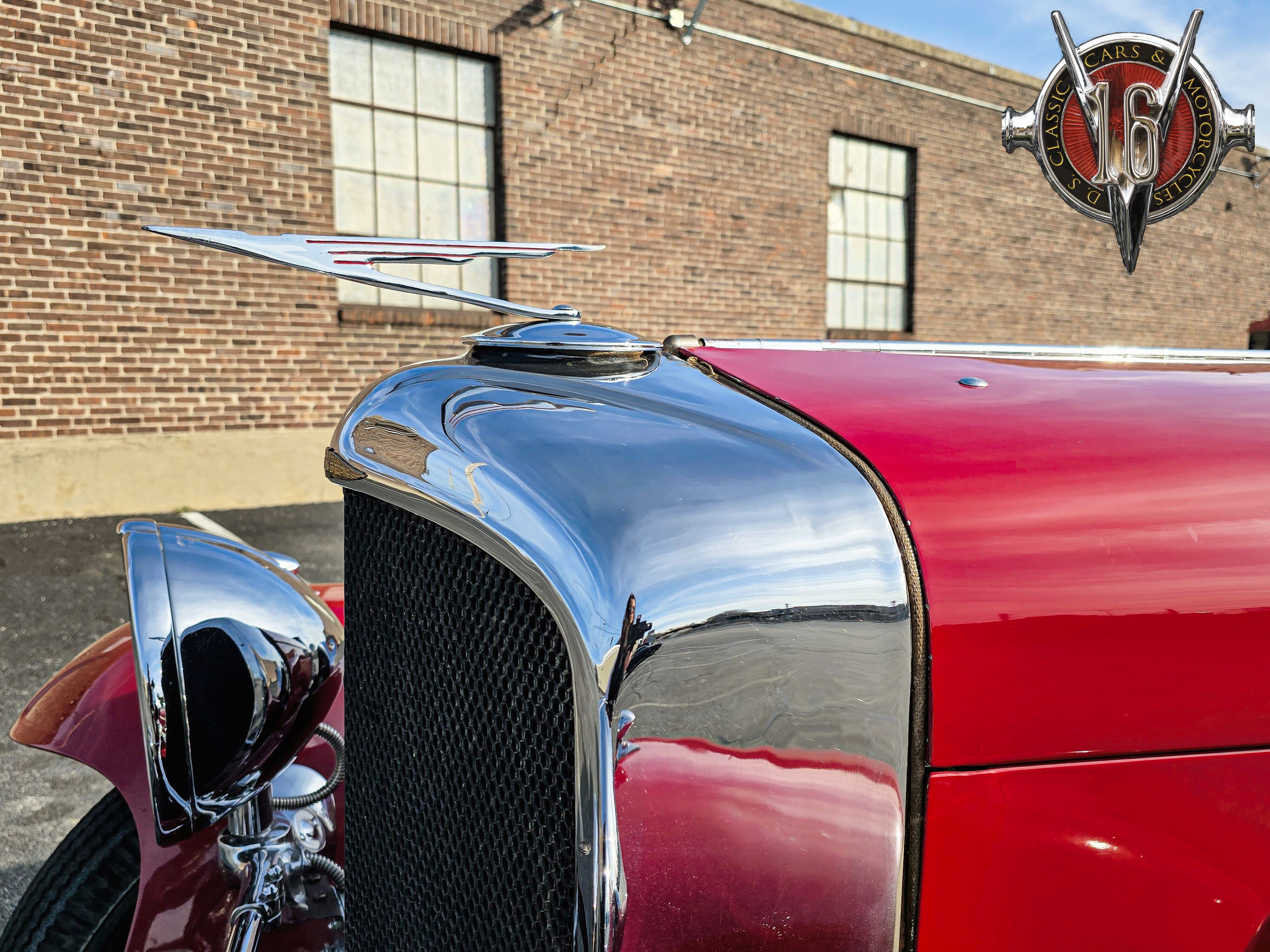
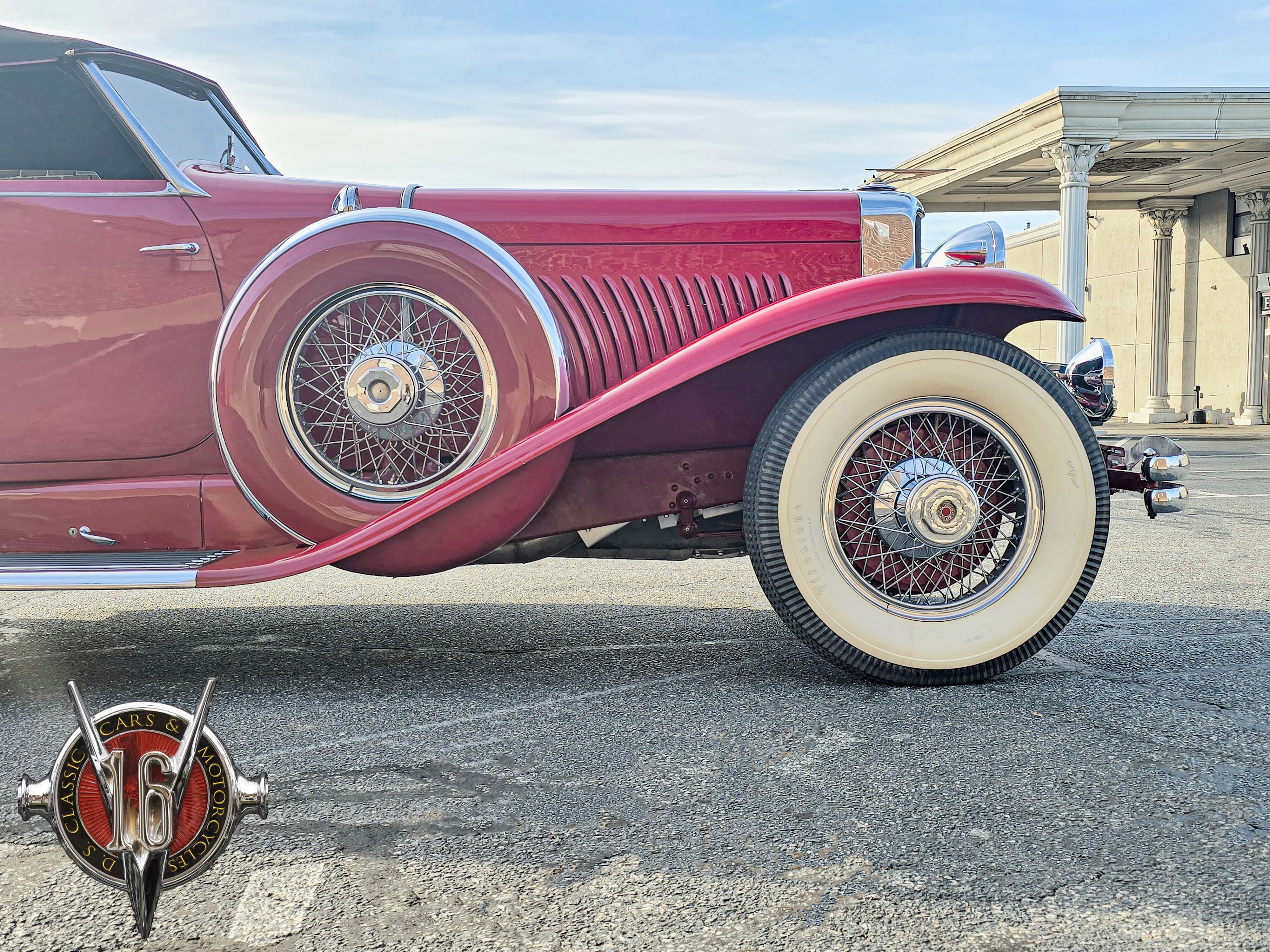
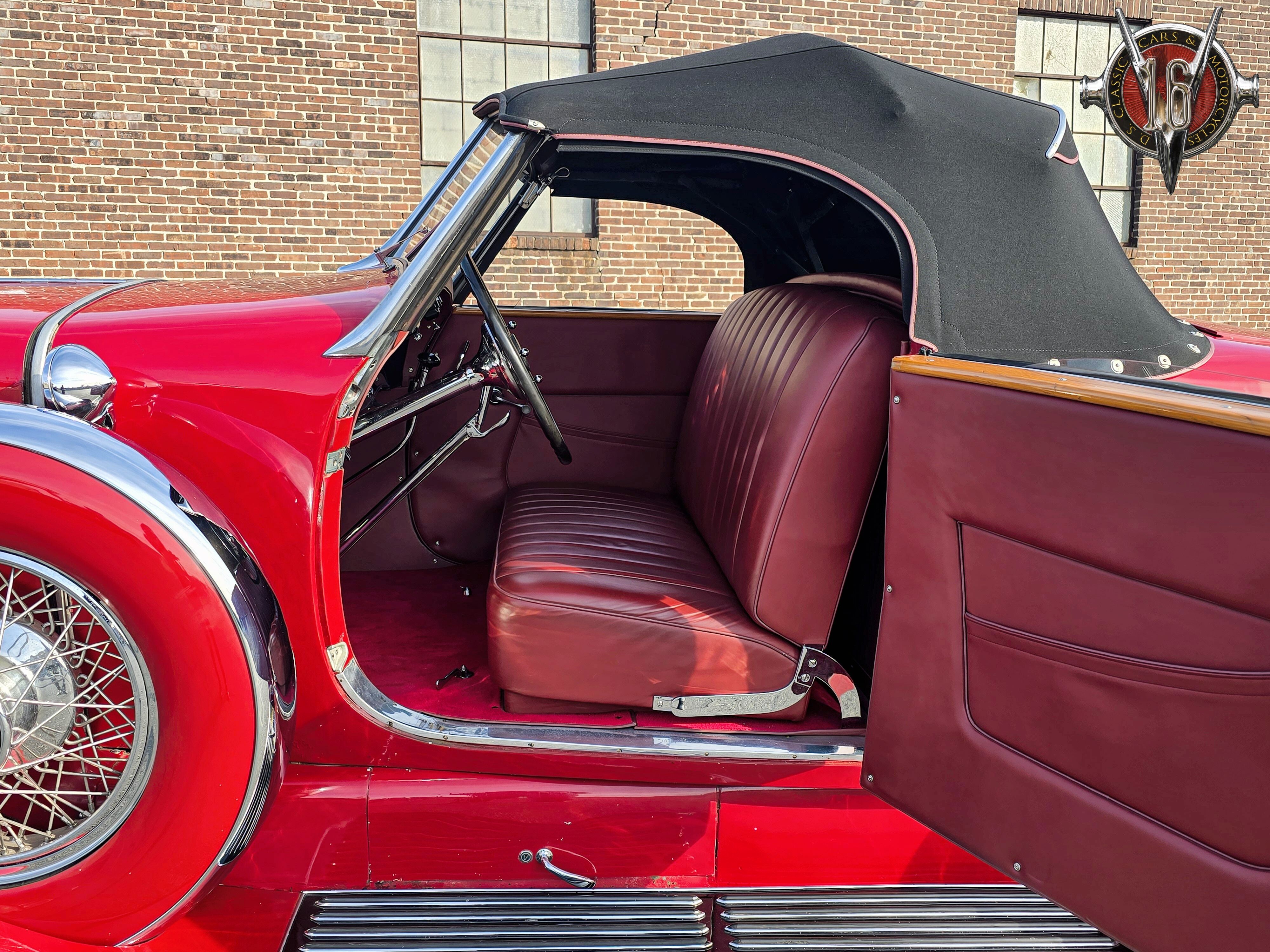
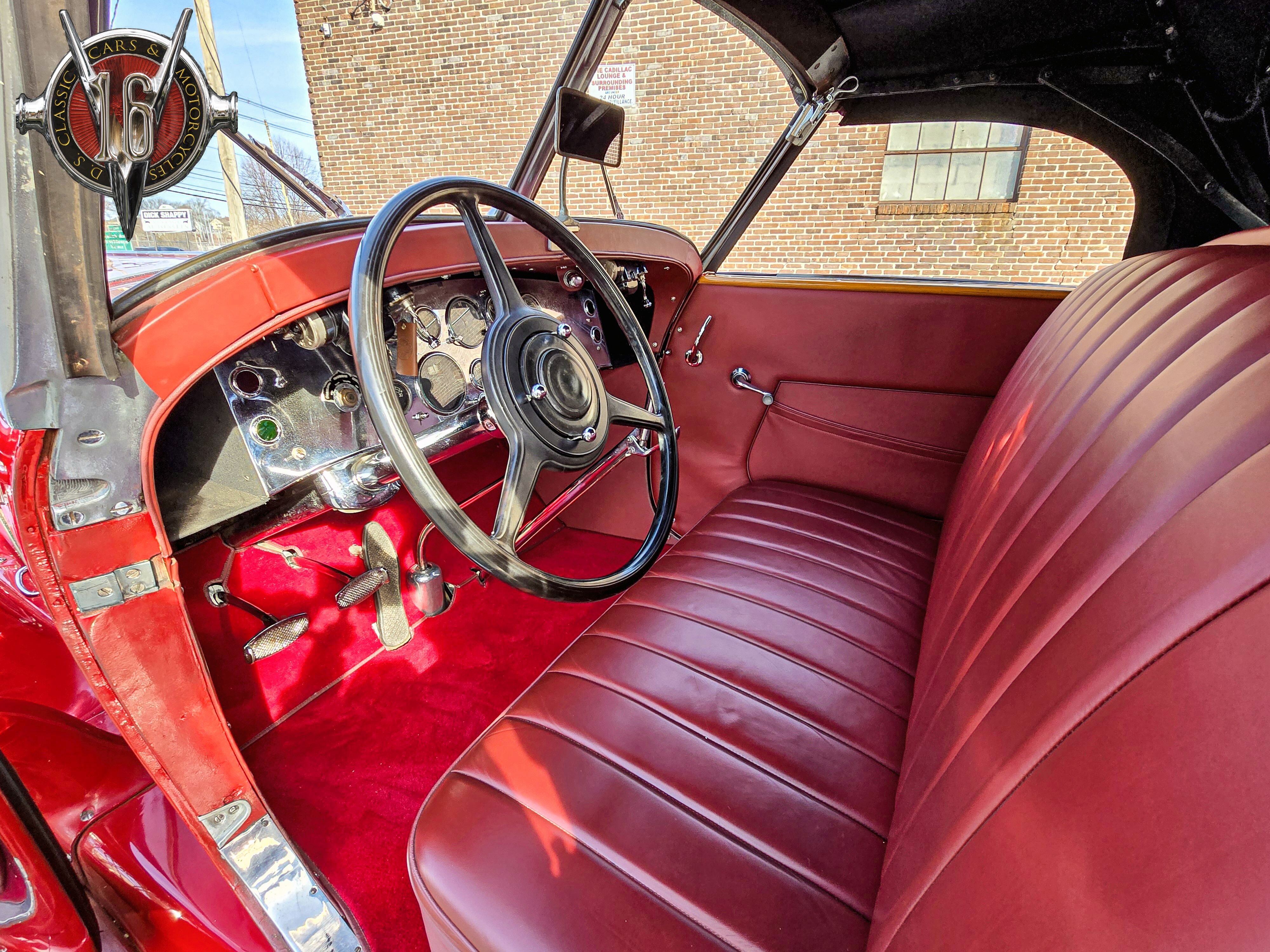
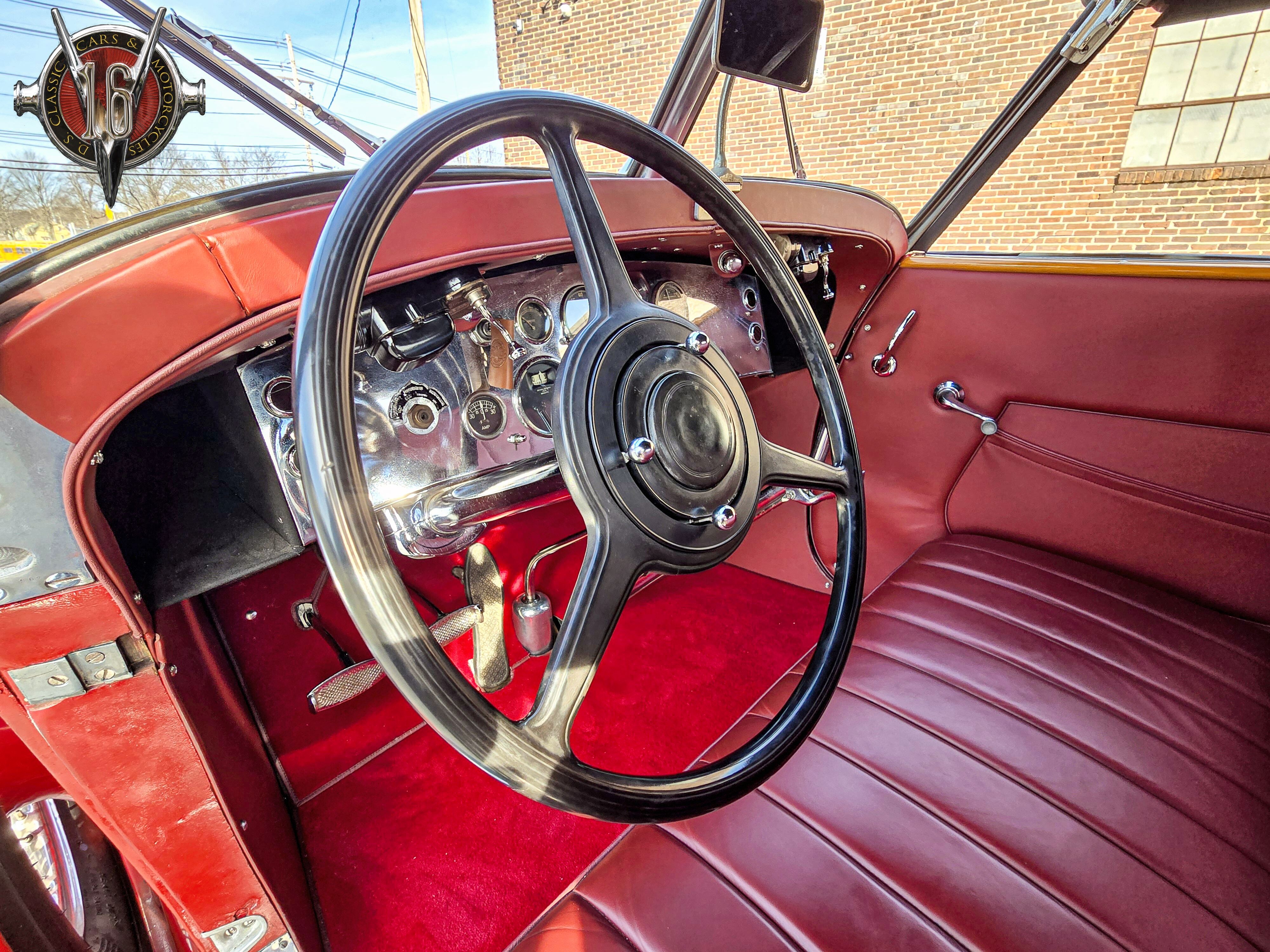
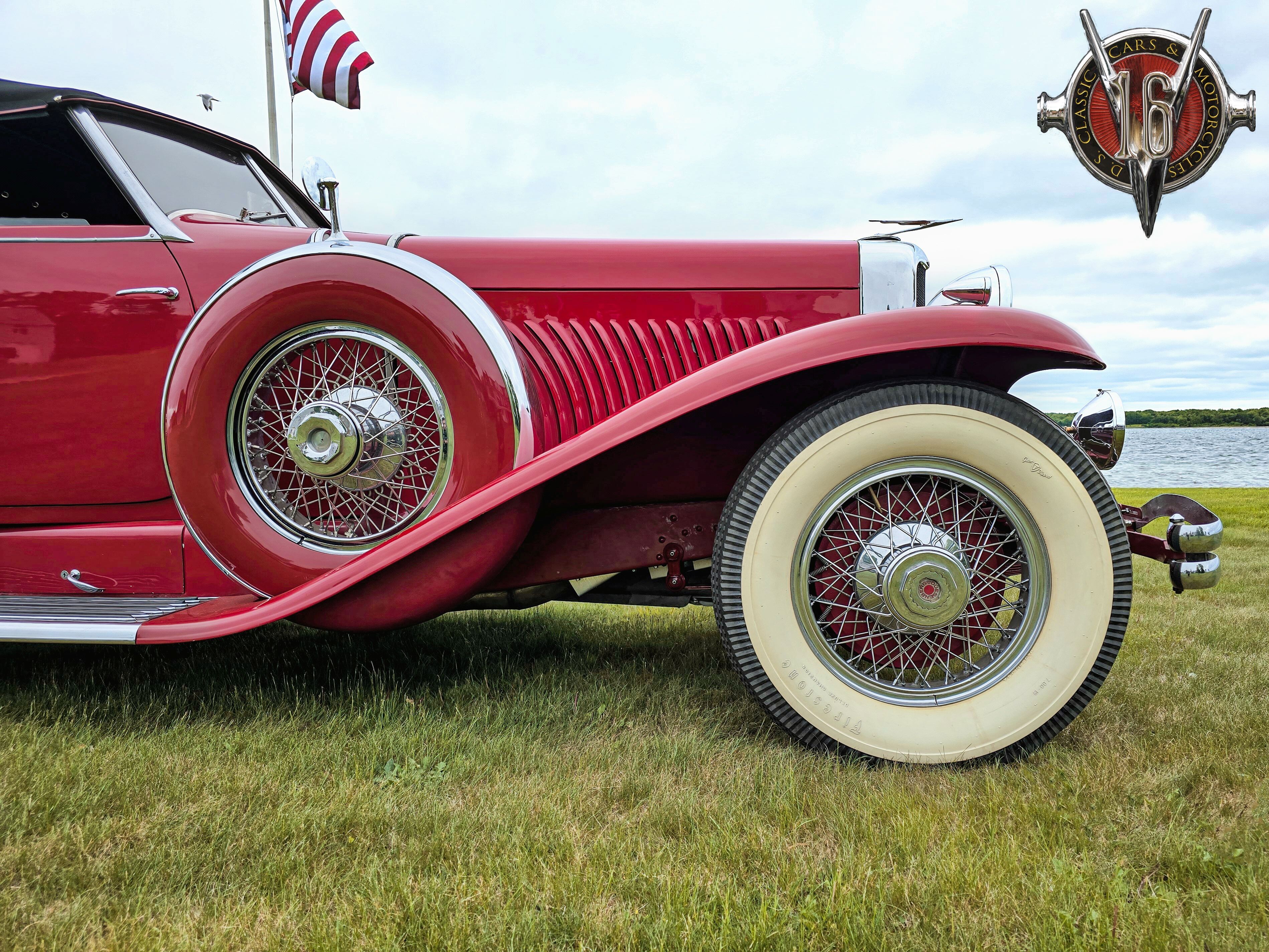
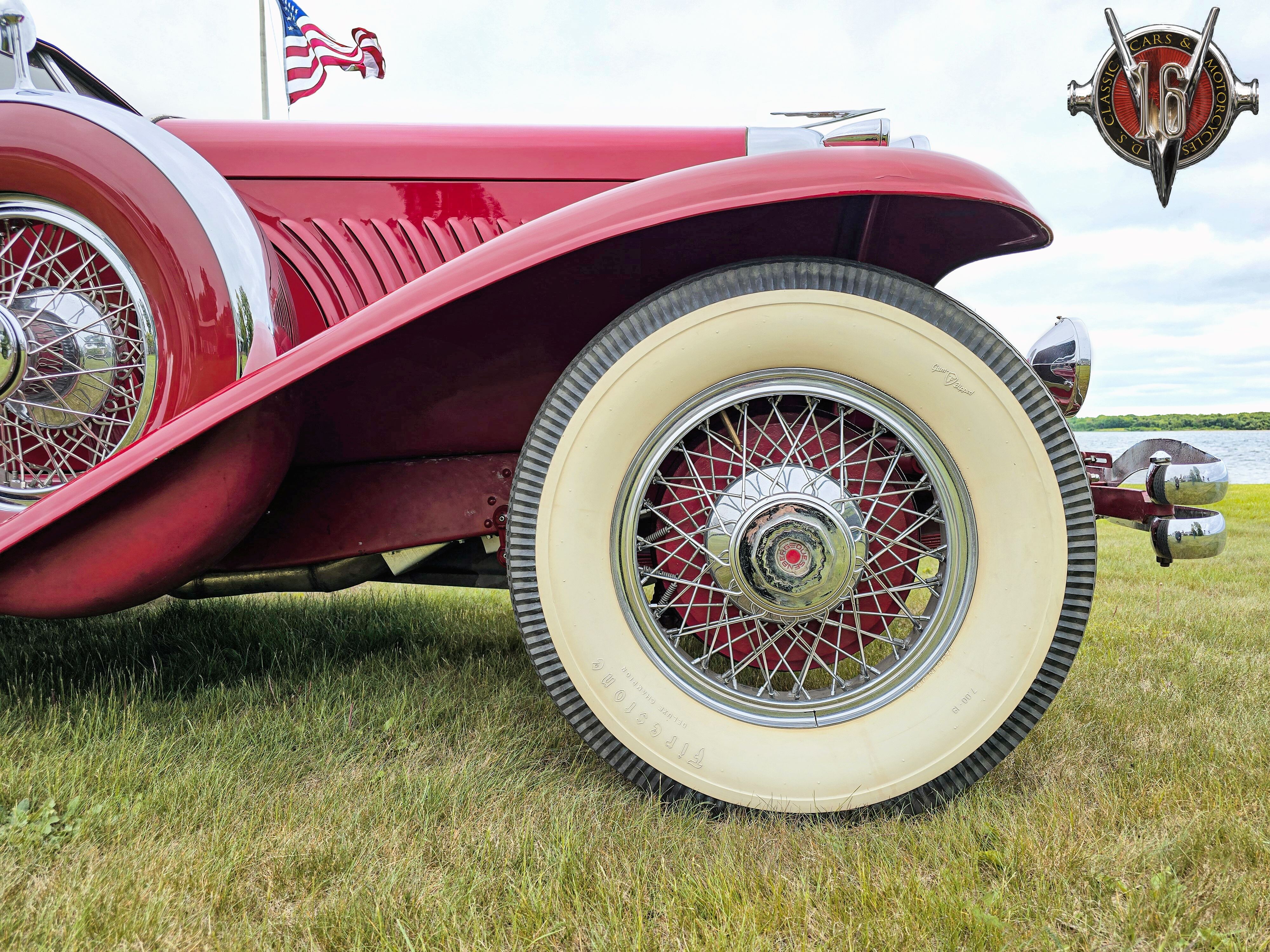
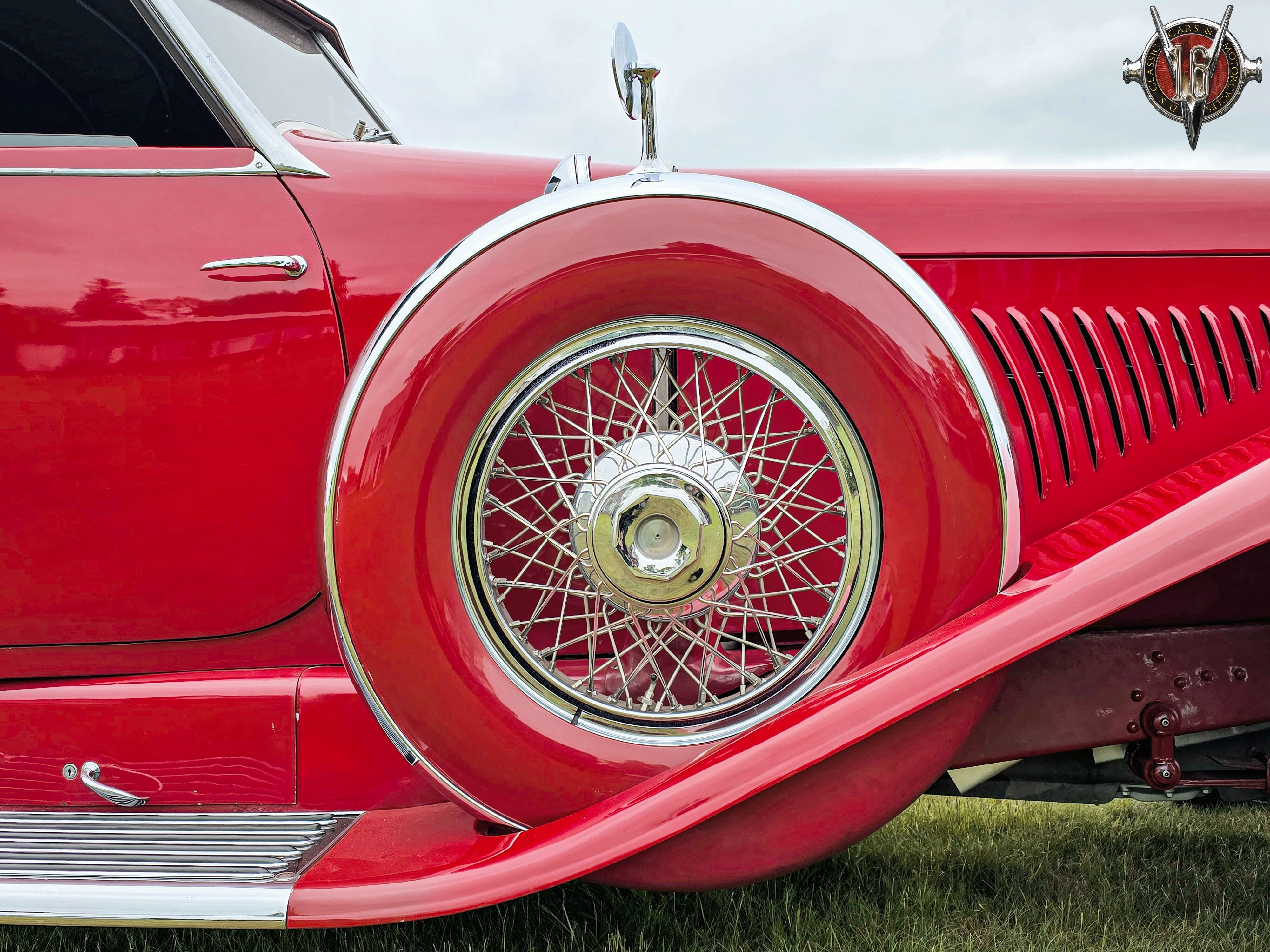
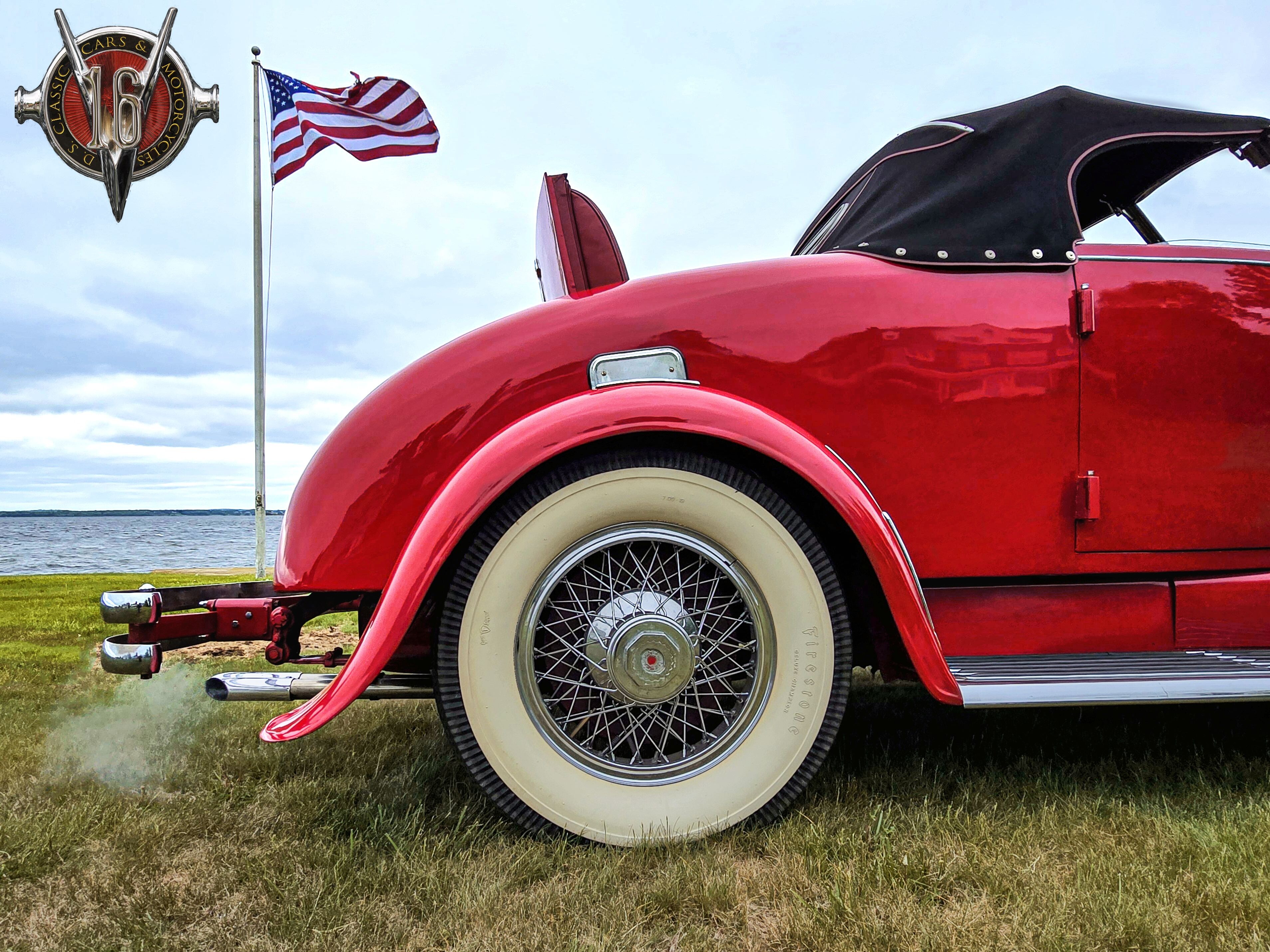
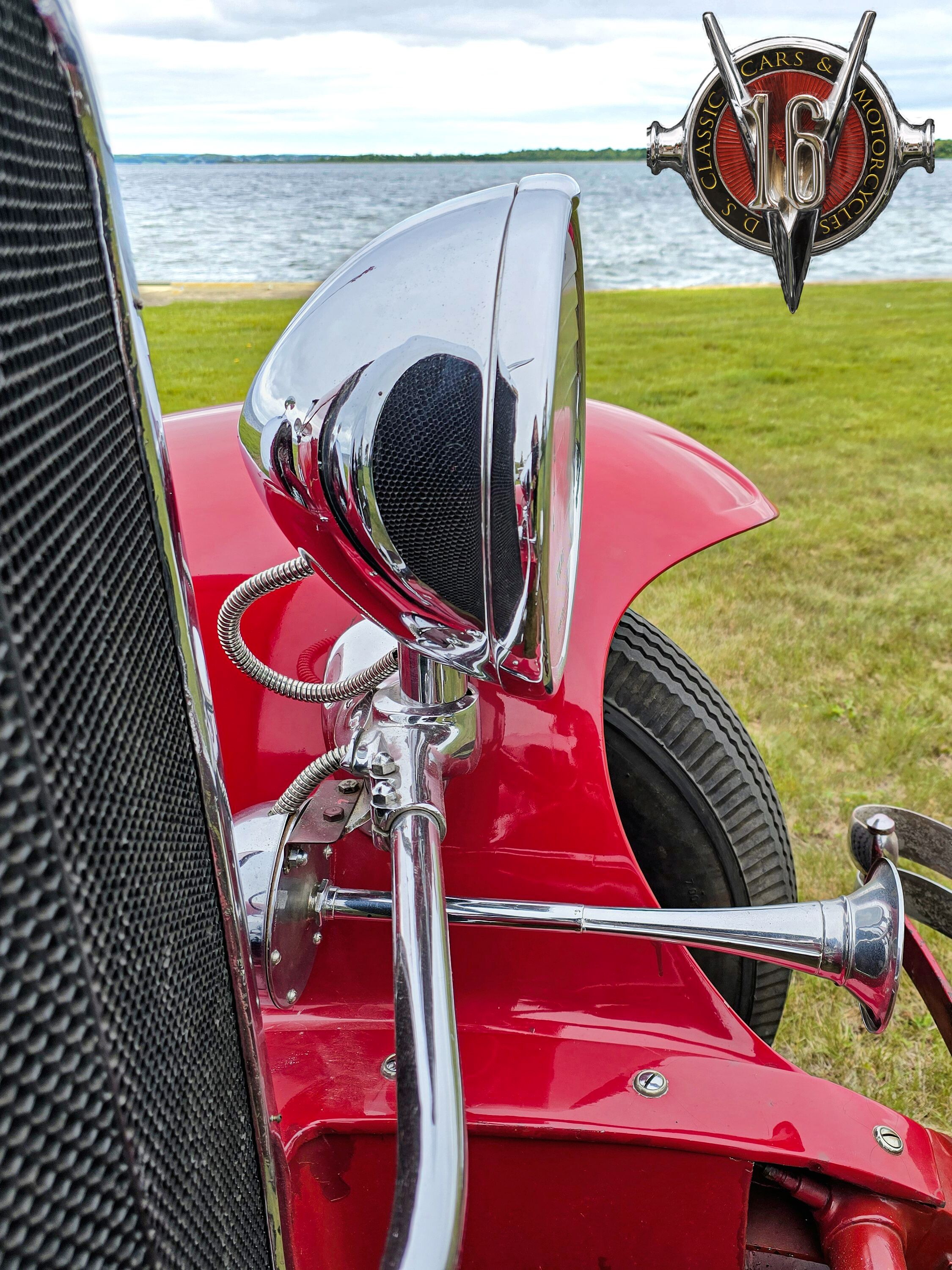
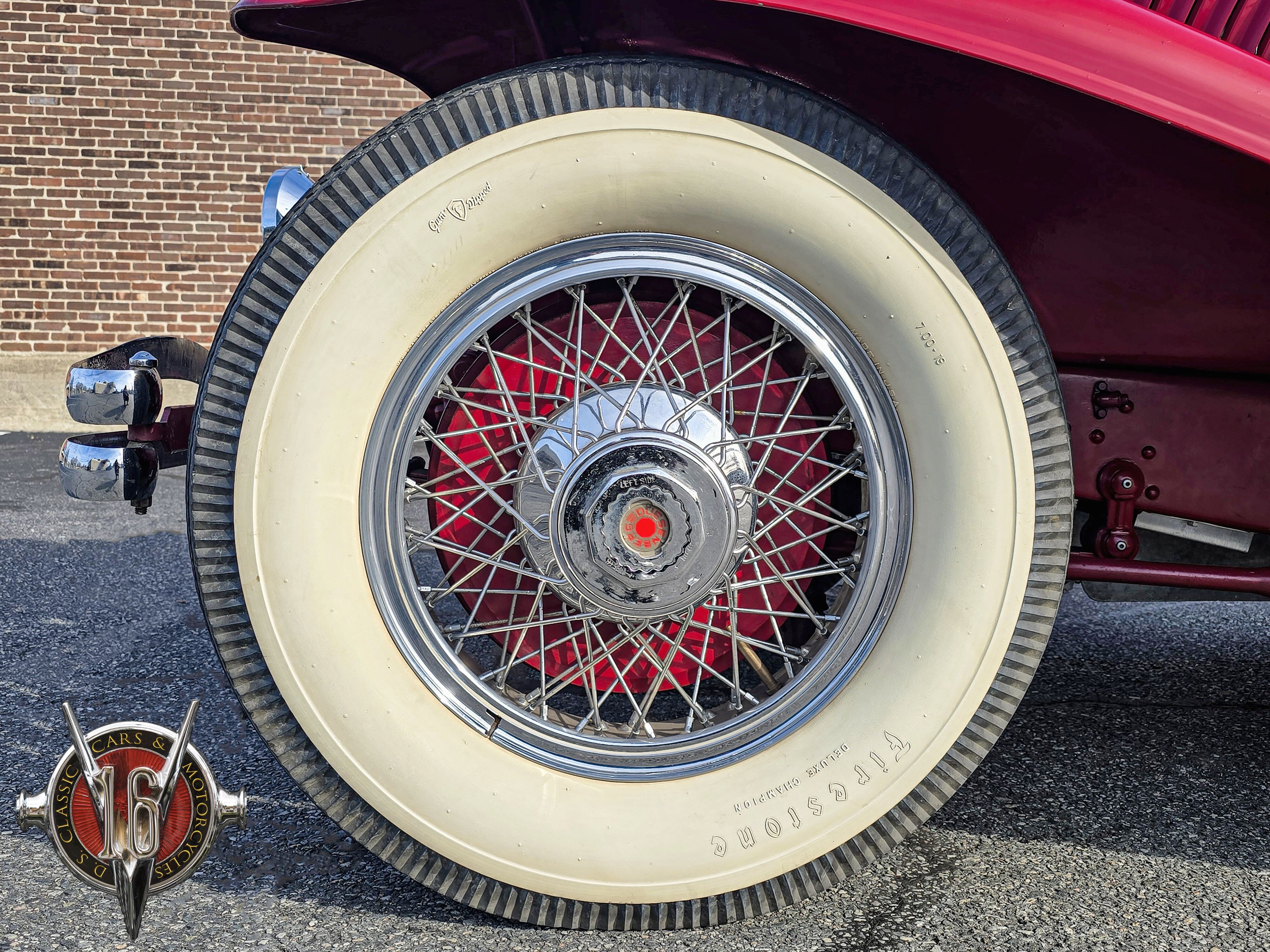
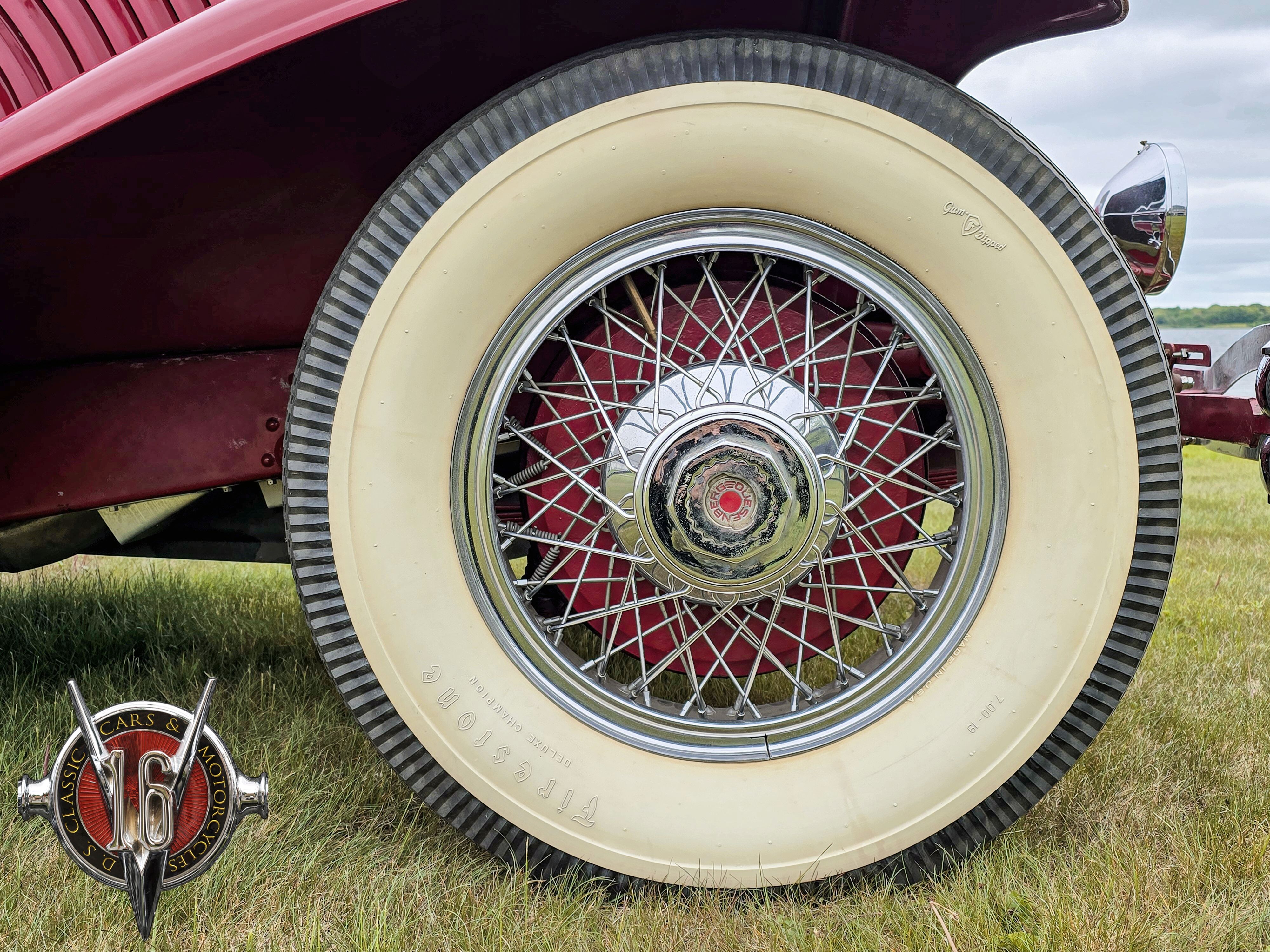
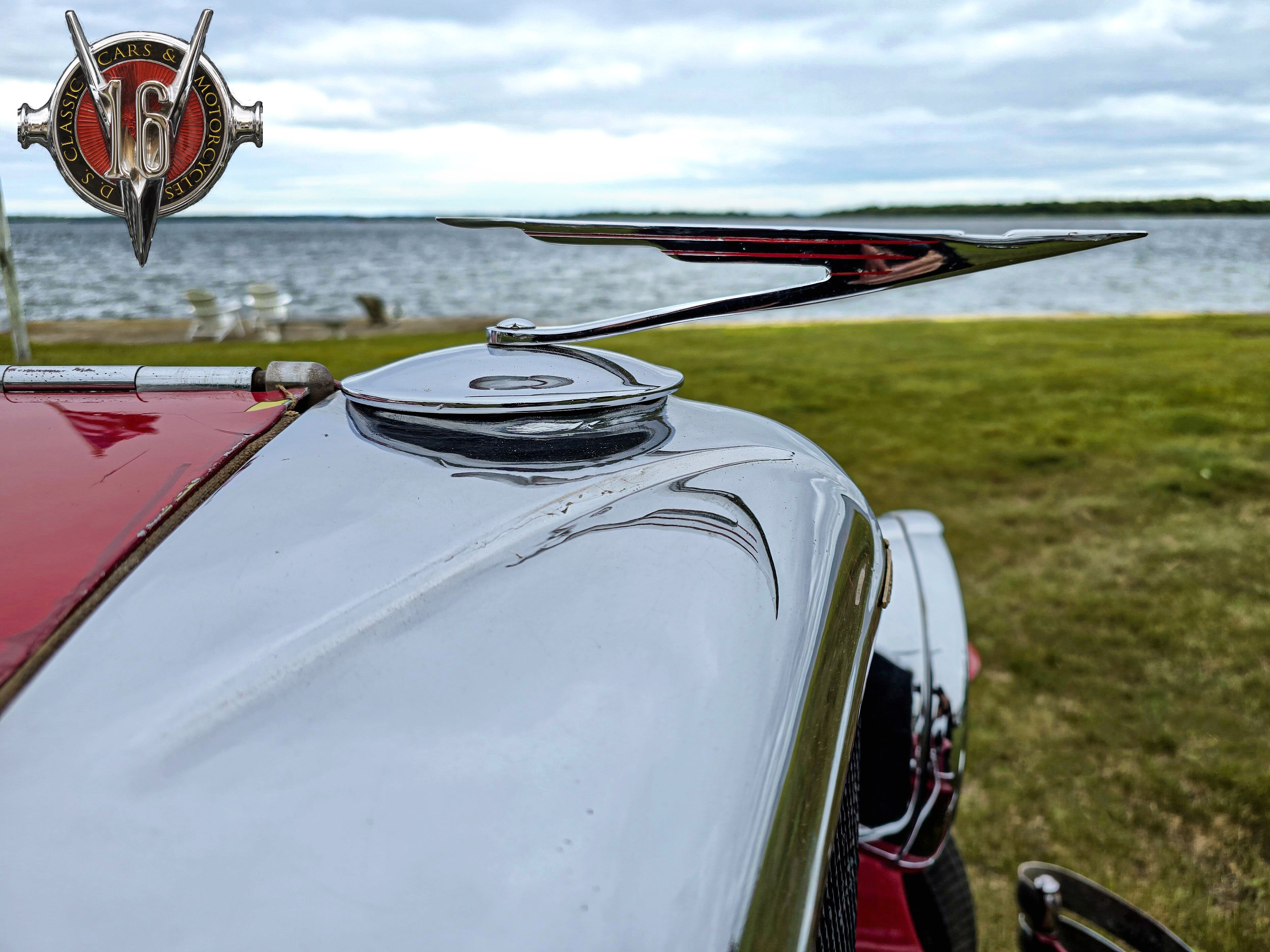
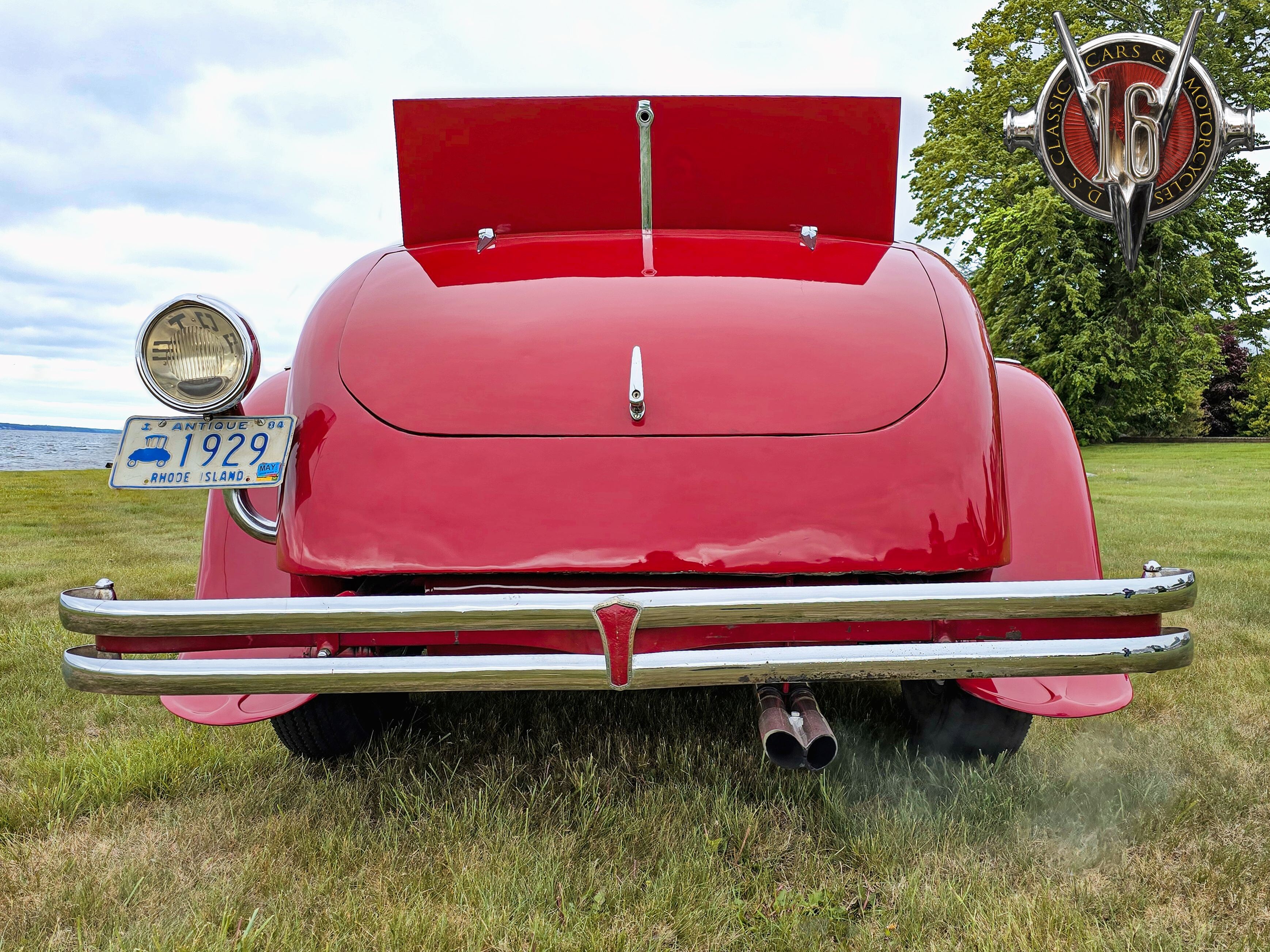
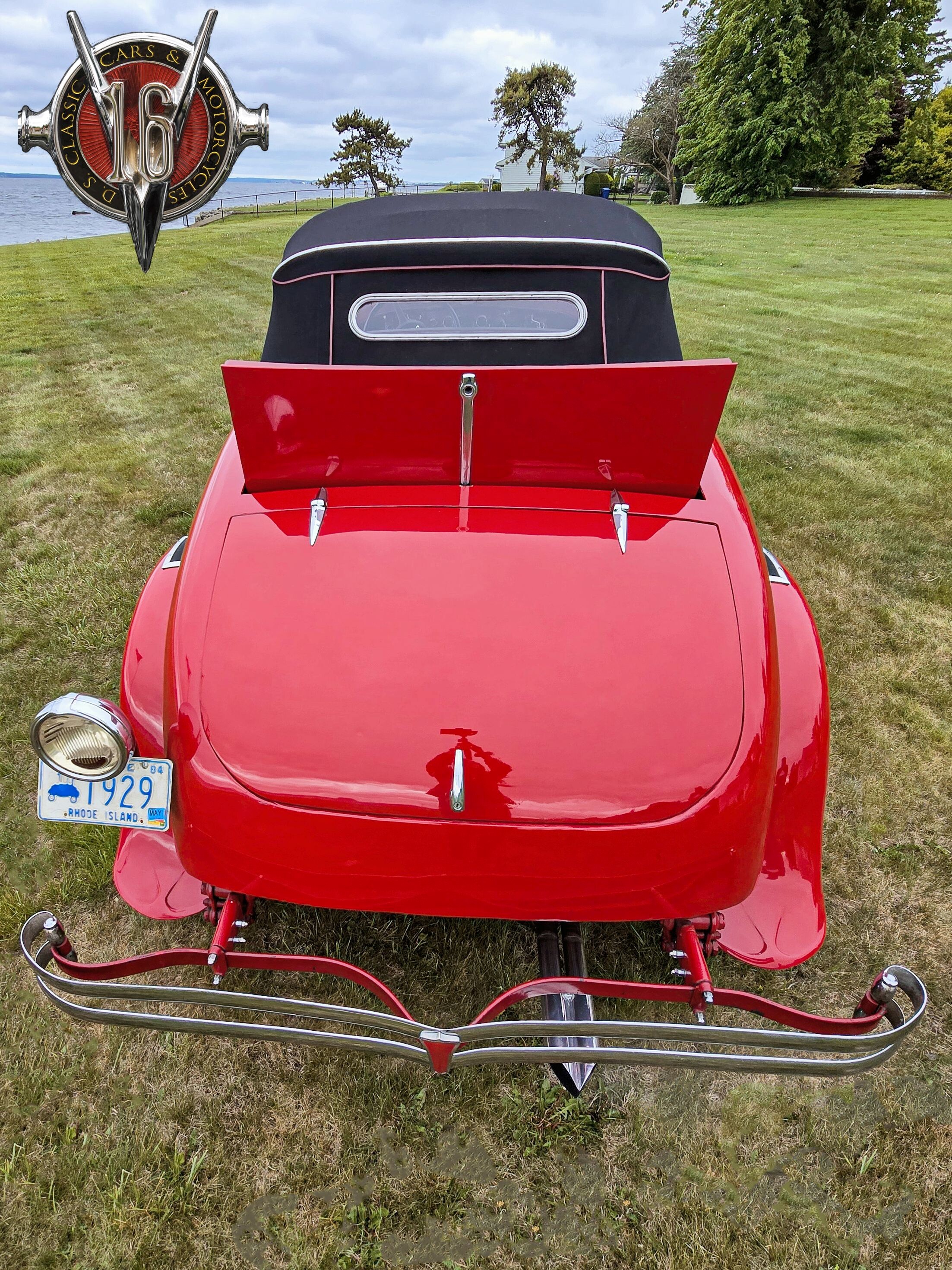
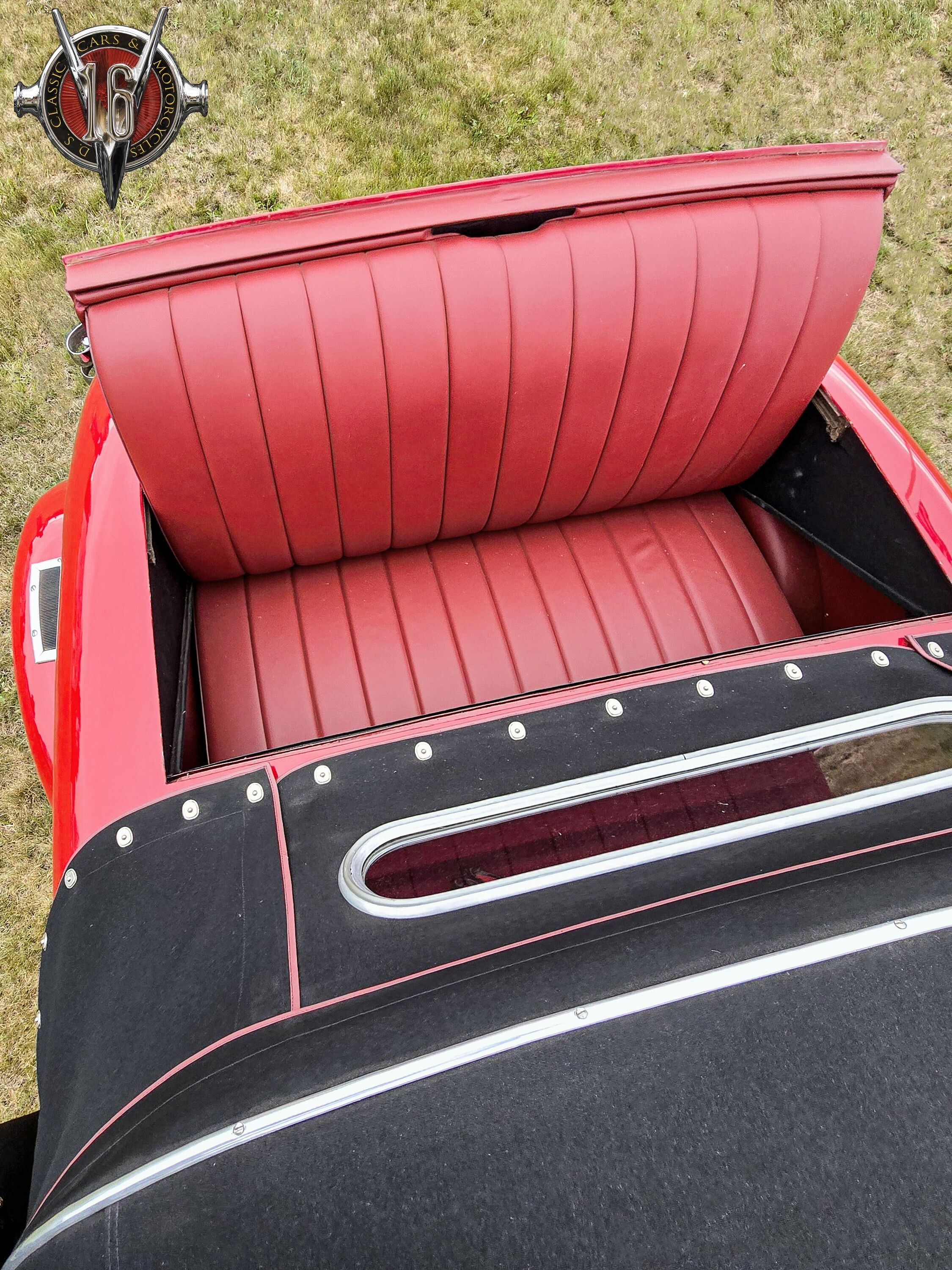
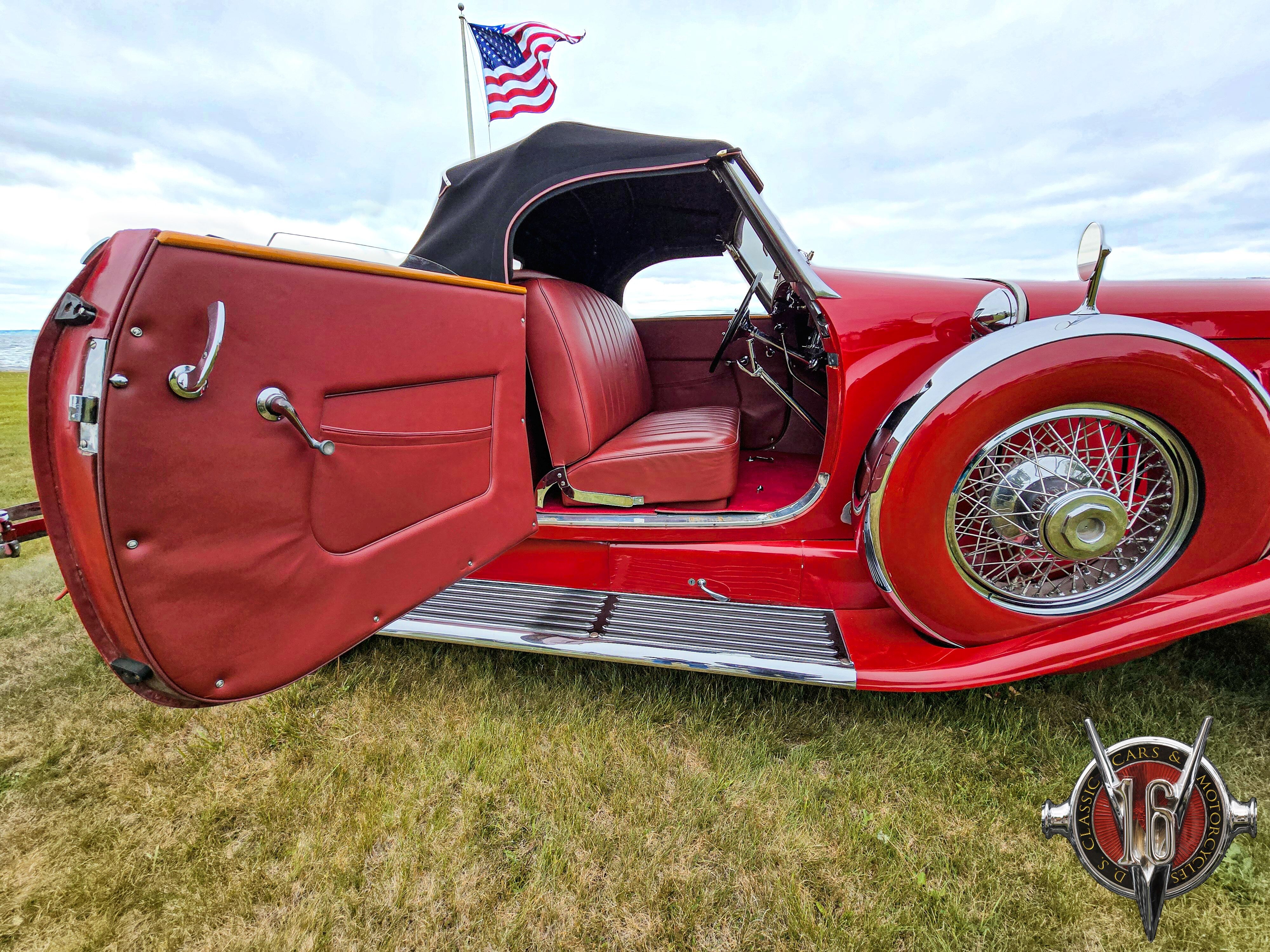
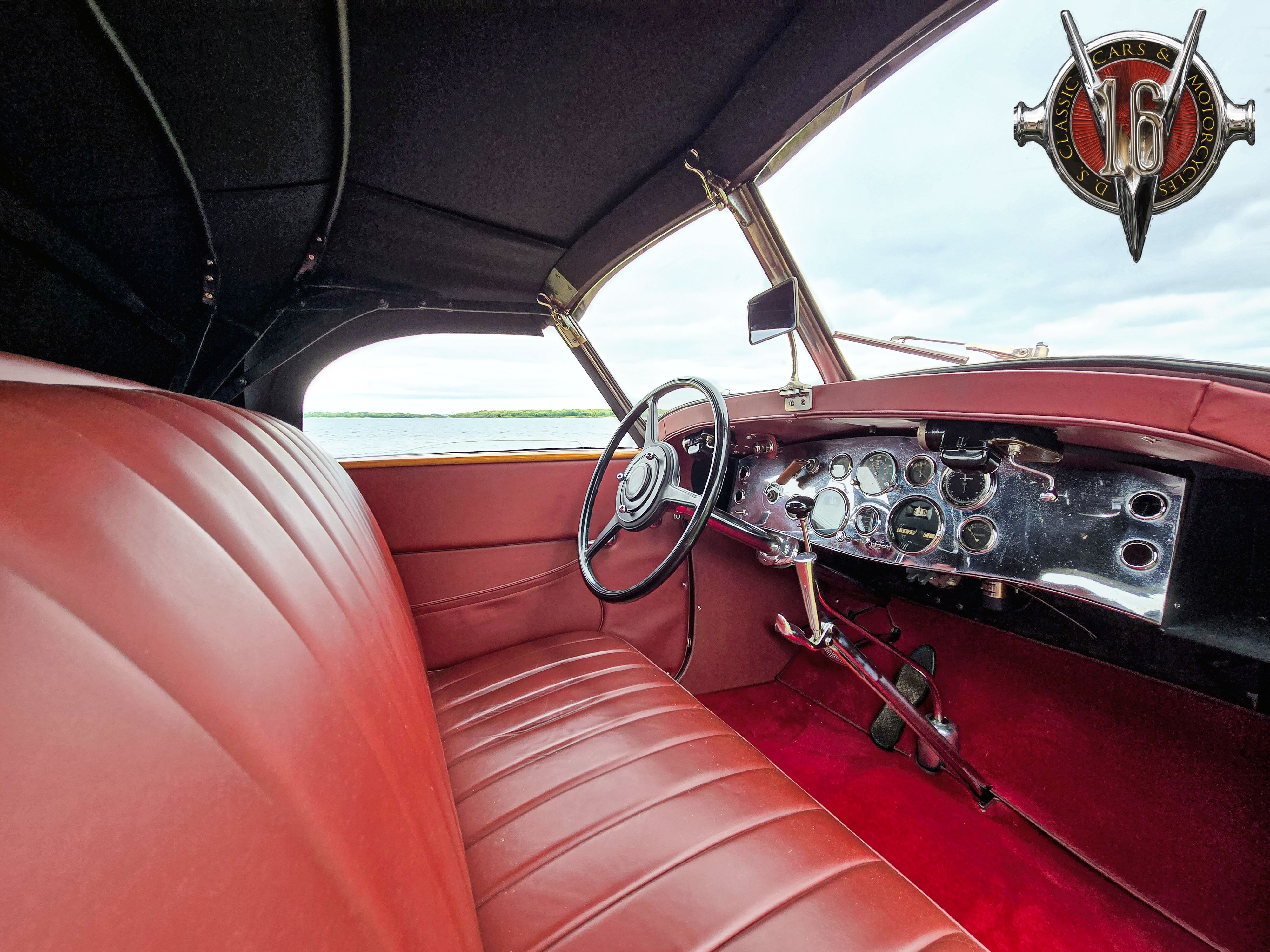
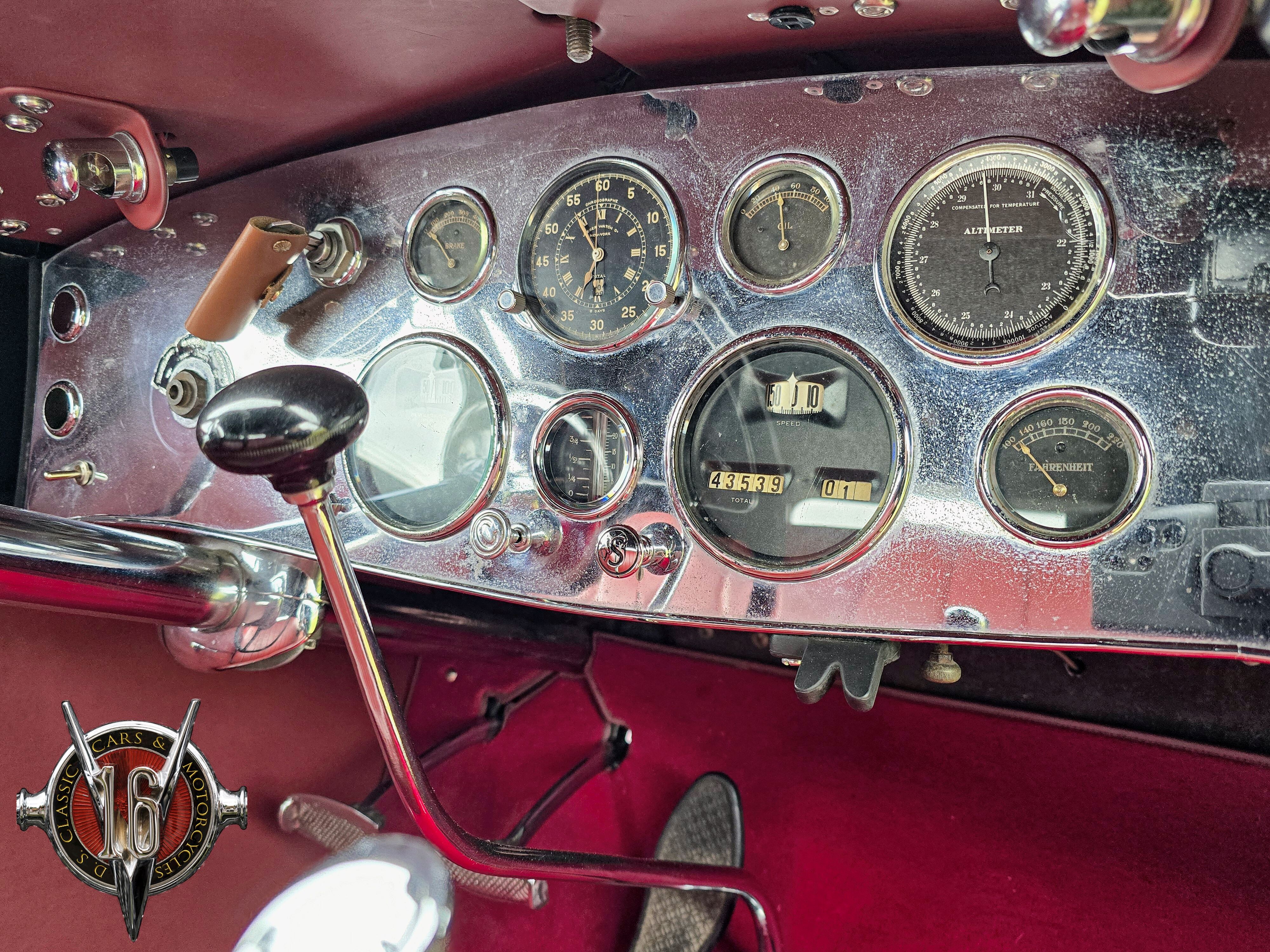
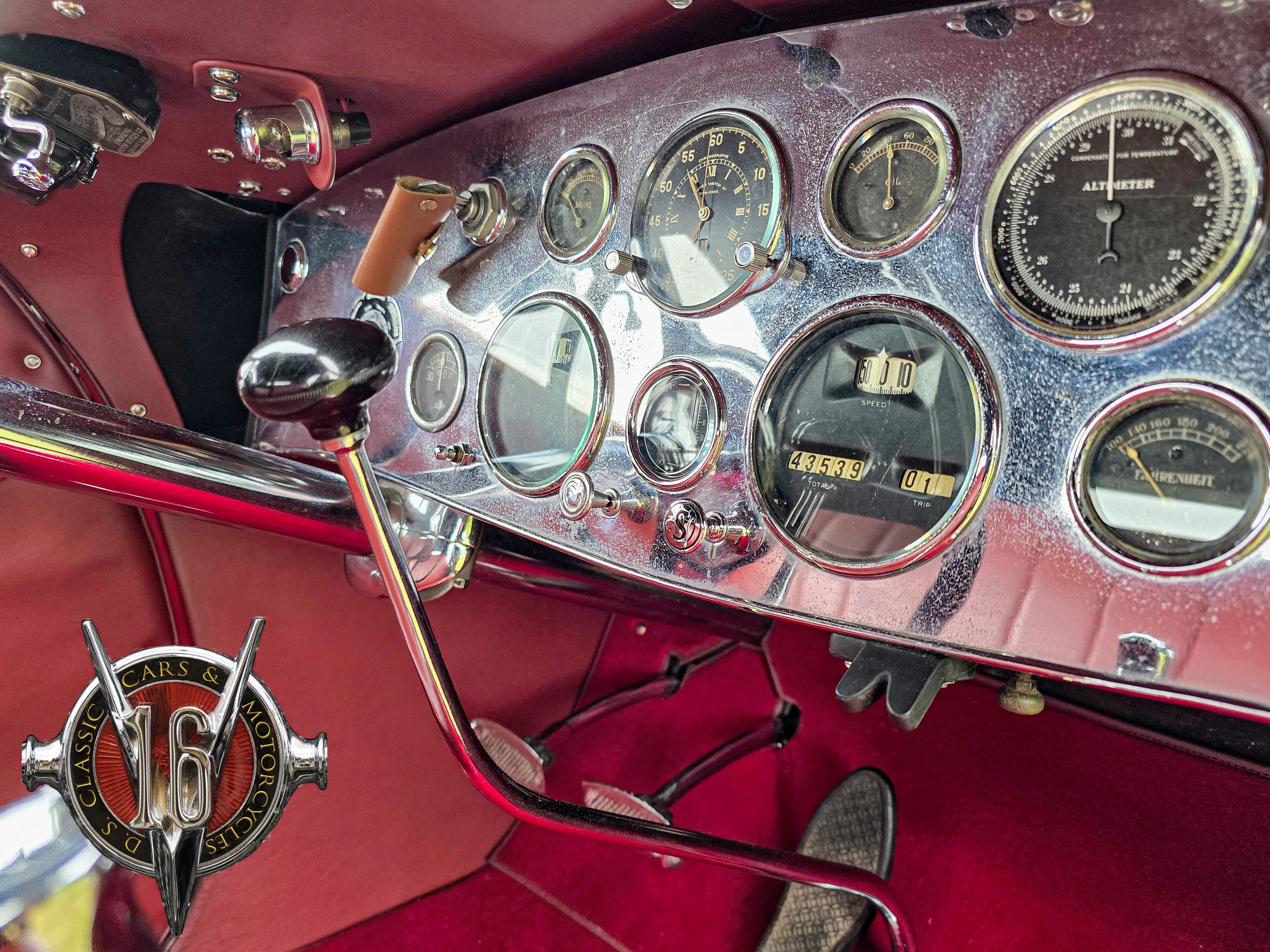
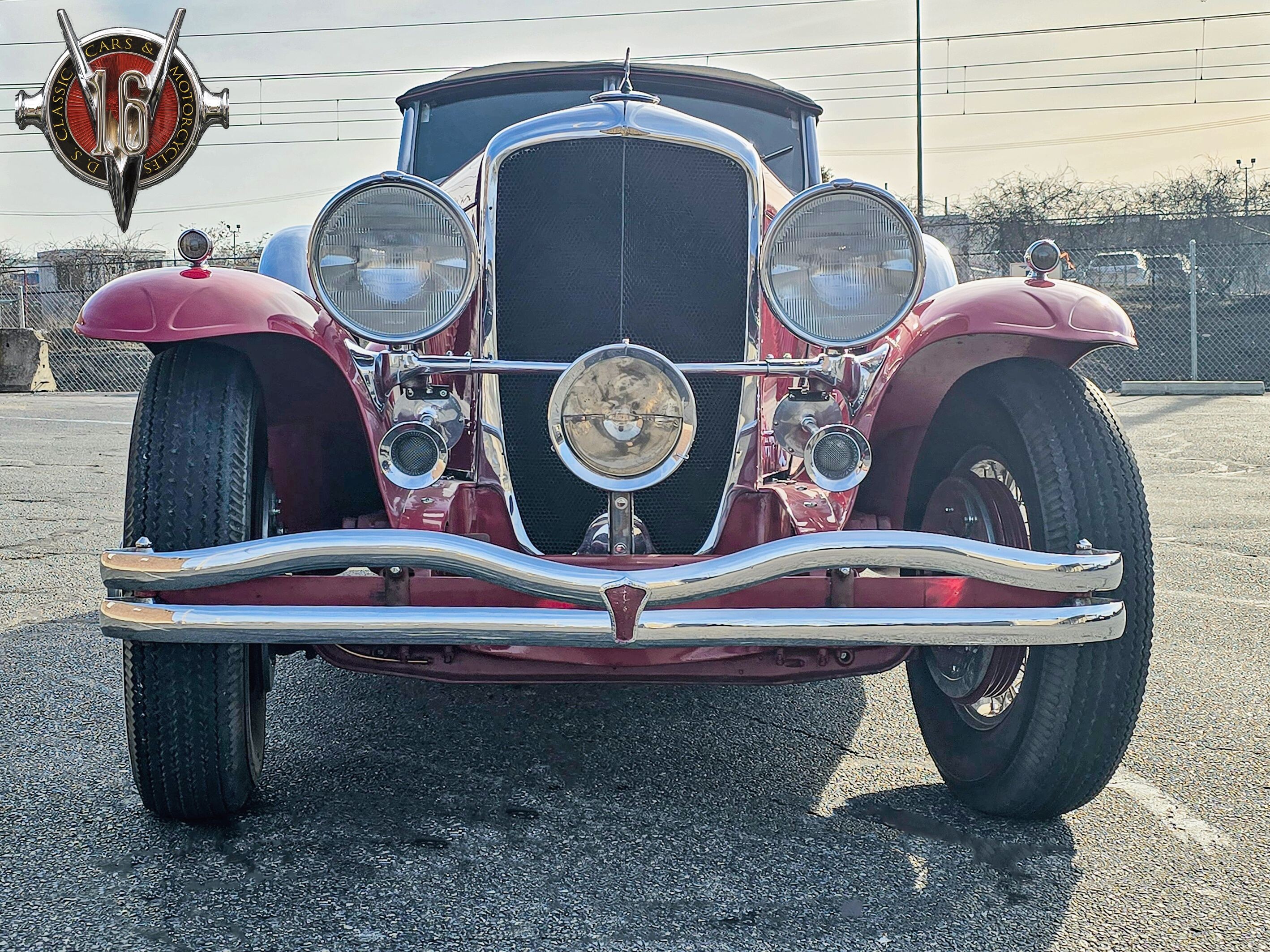
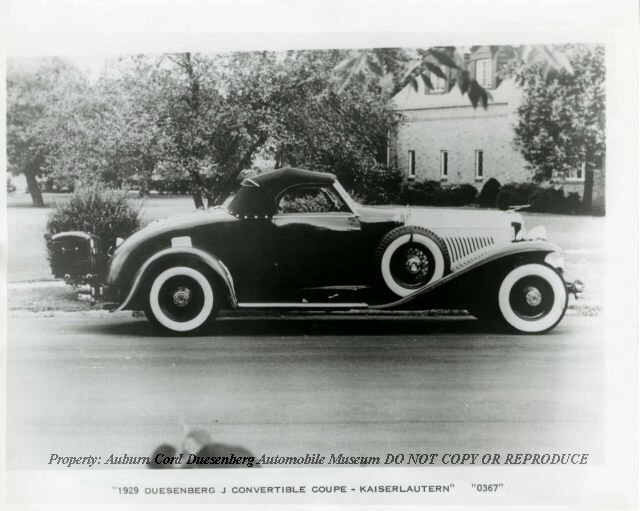
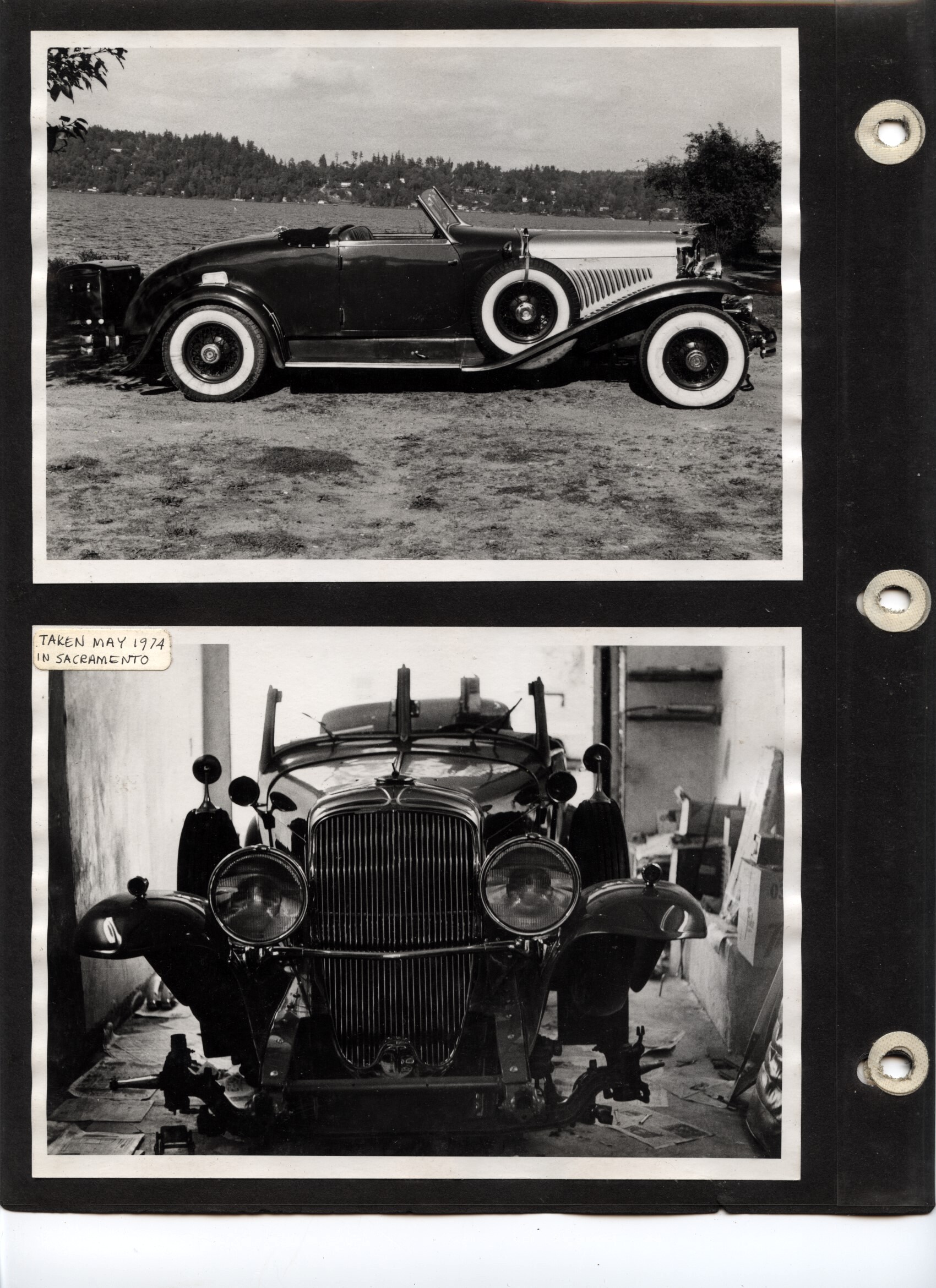
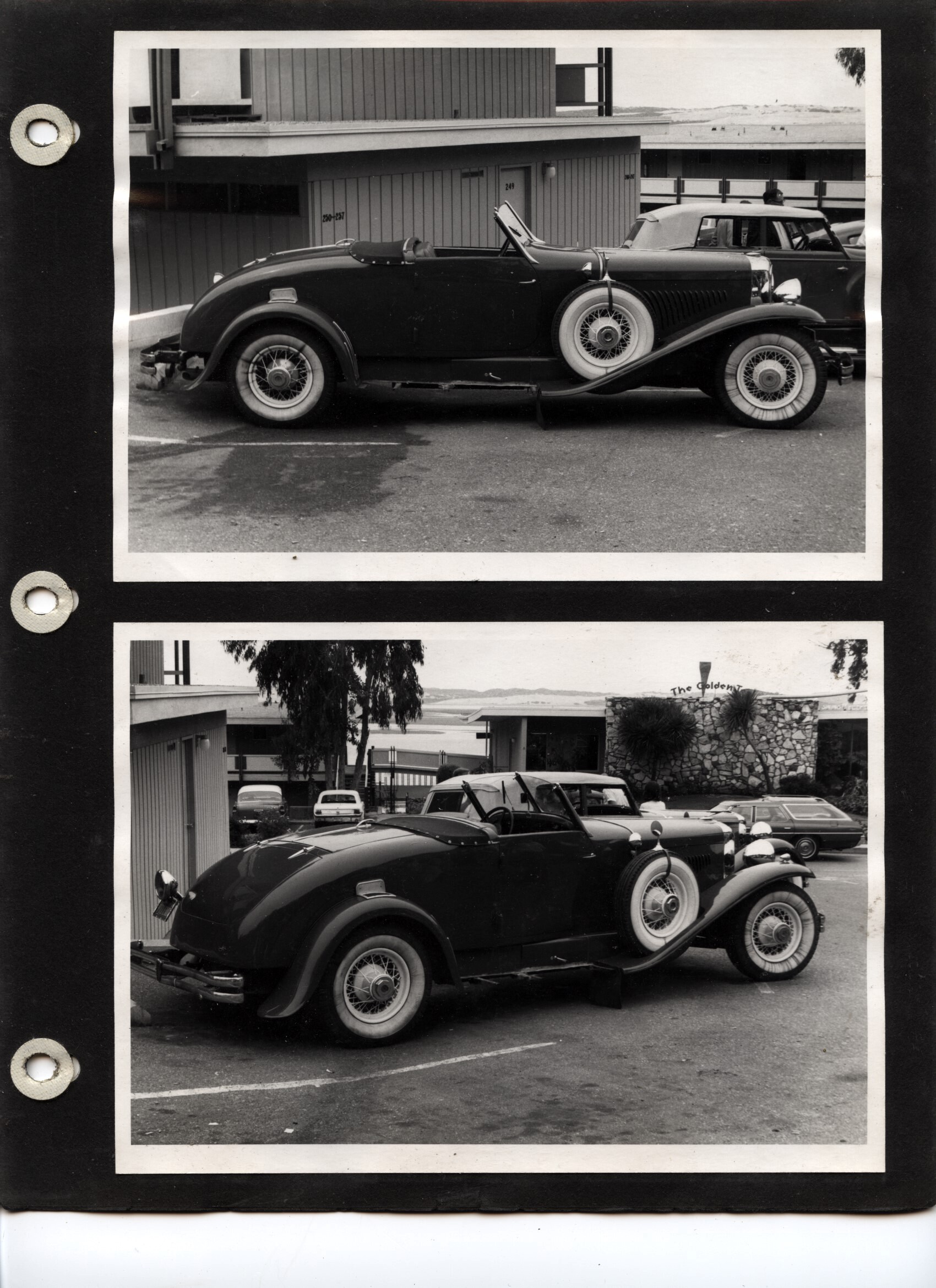
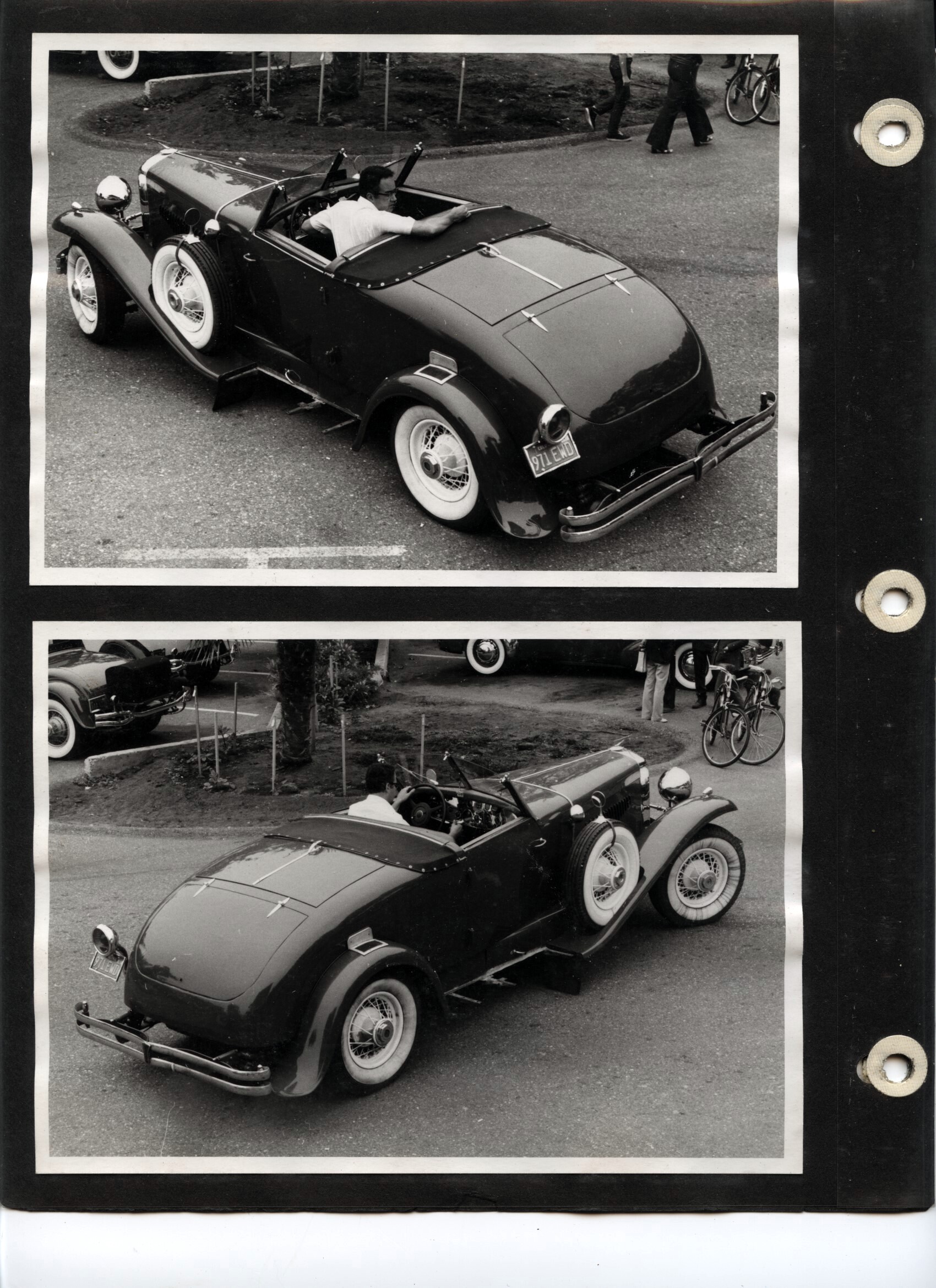
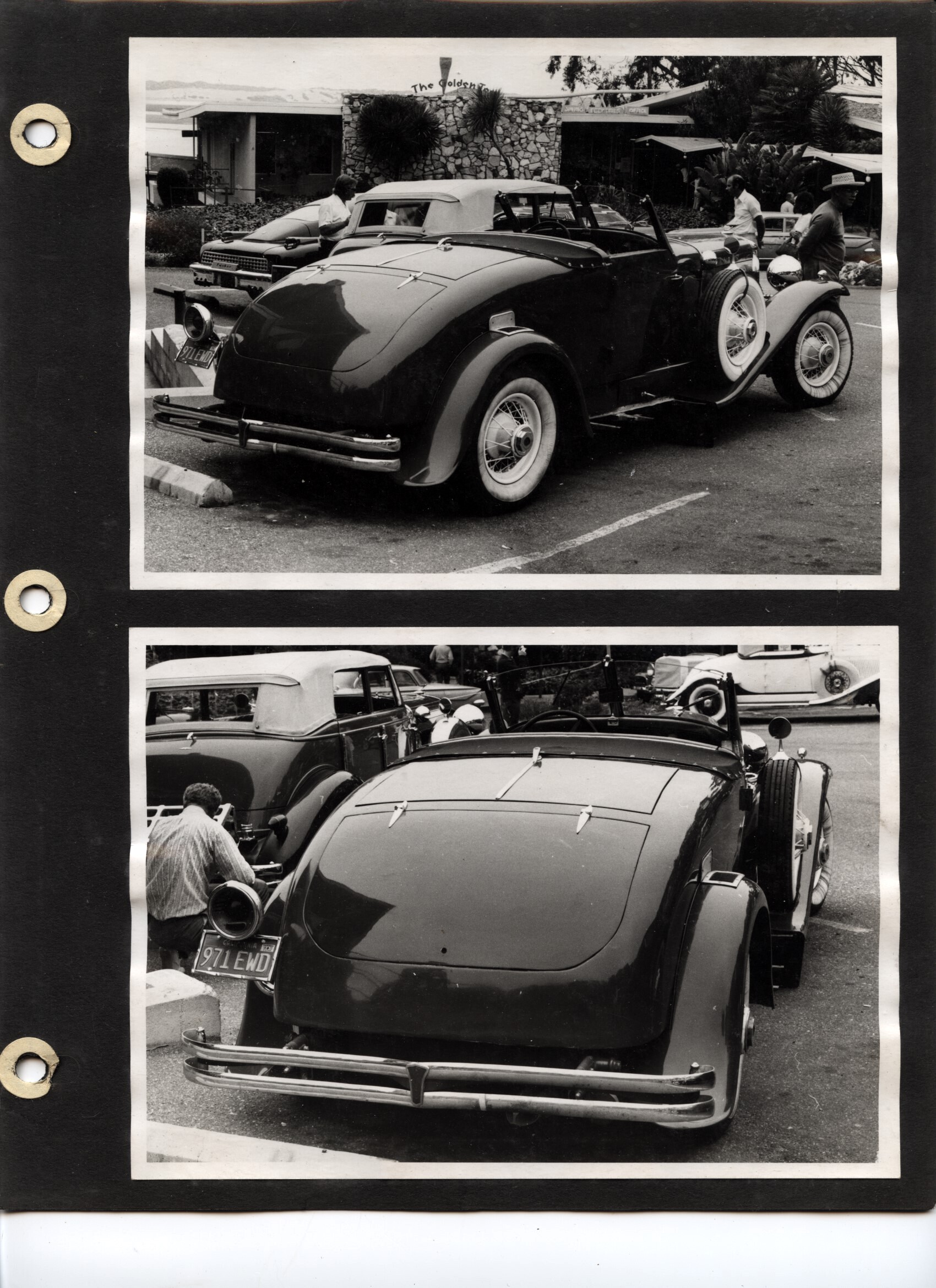
1929 Duesenberg Model J-268 Convertible Coupe
Inventory Number: 3060
Price on Request
- ENGINE NO: J-268
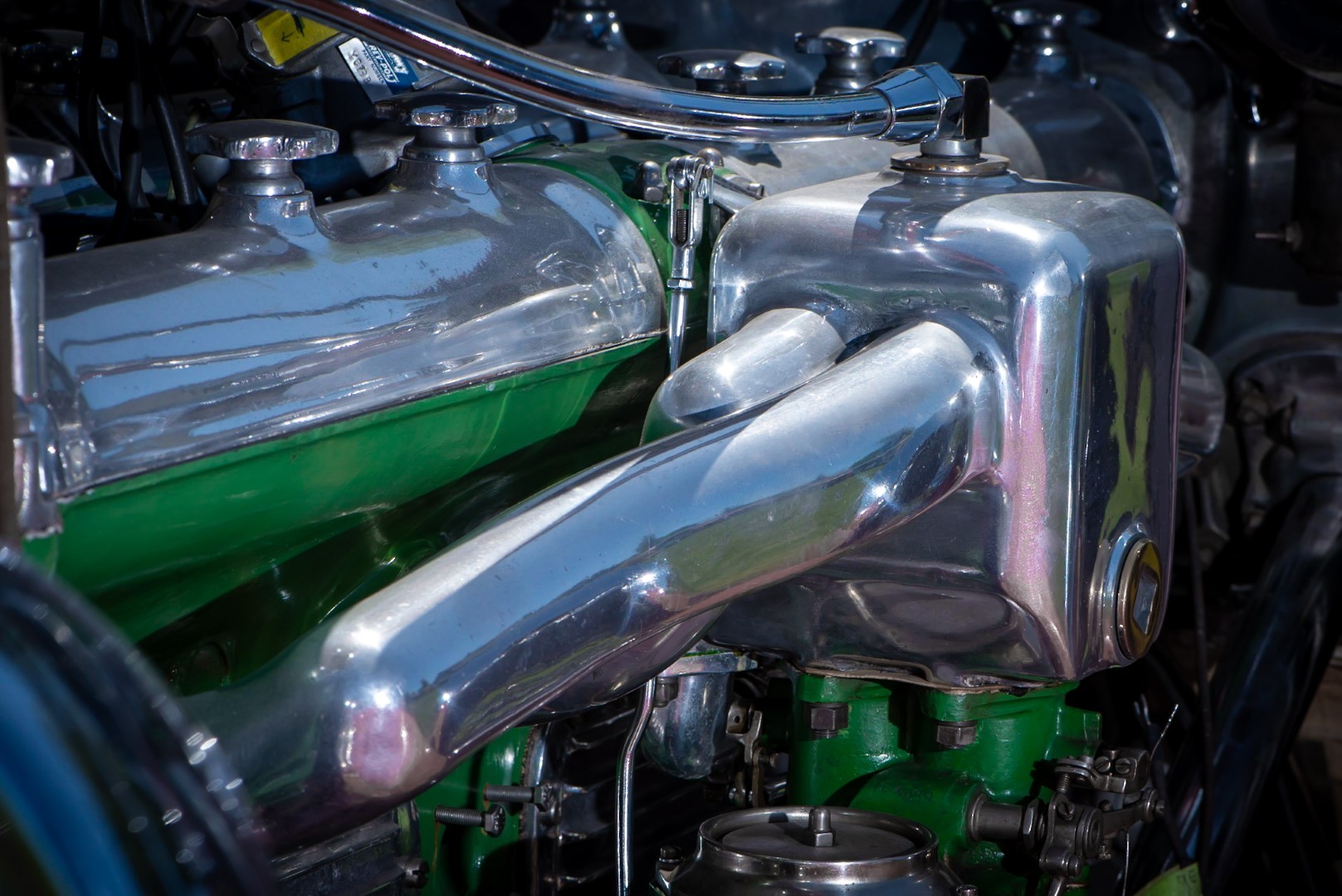
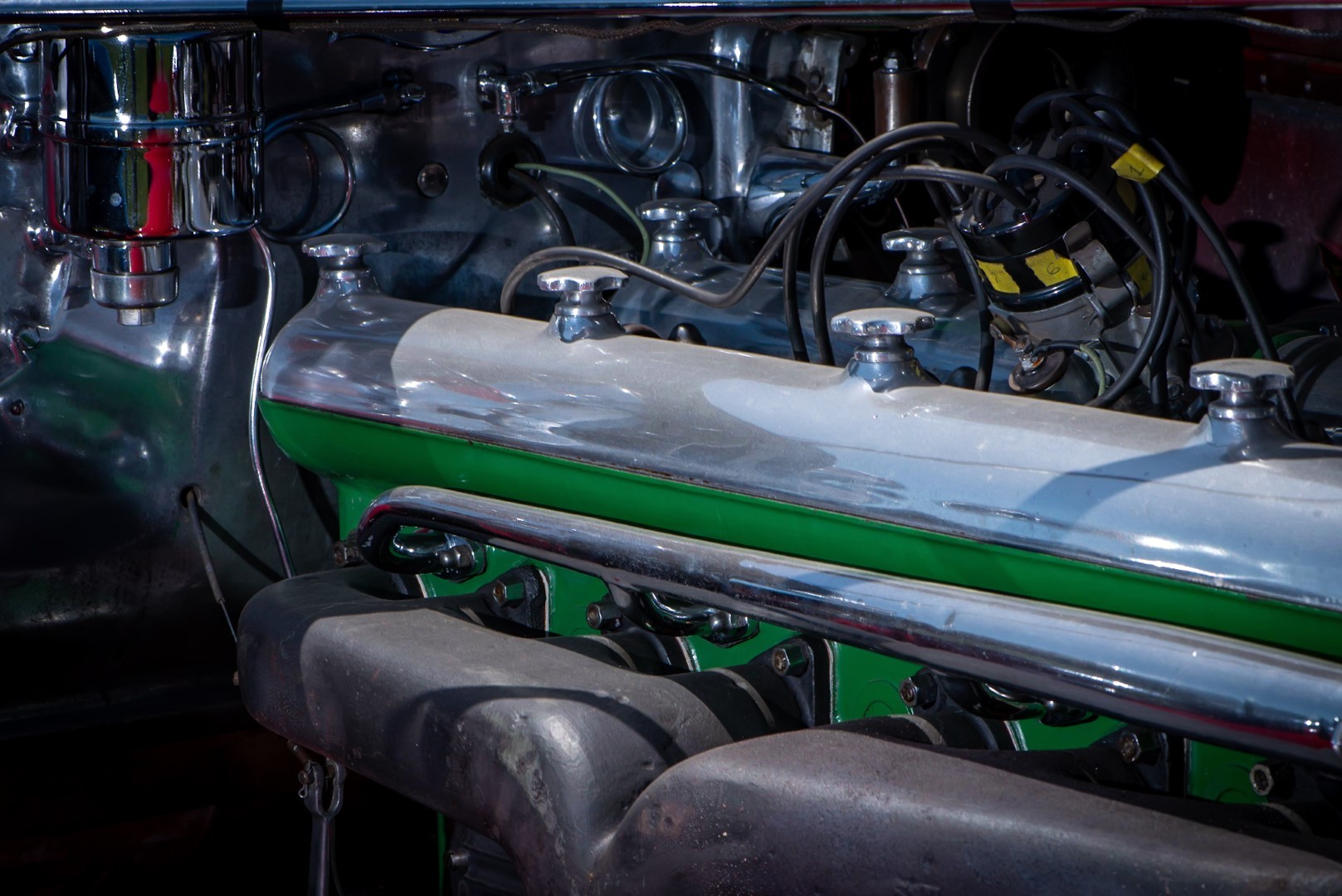
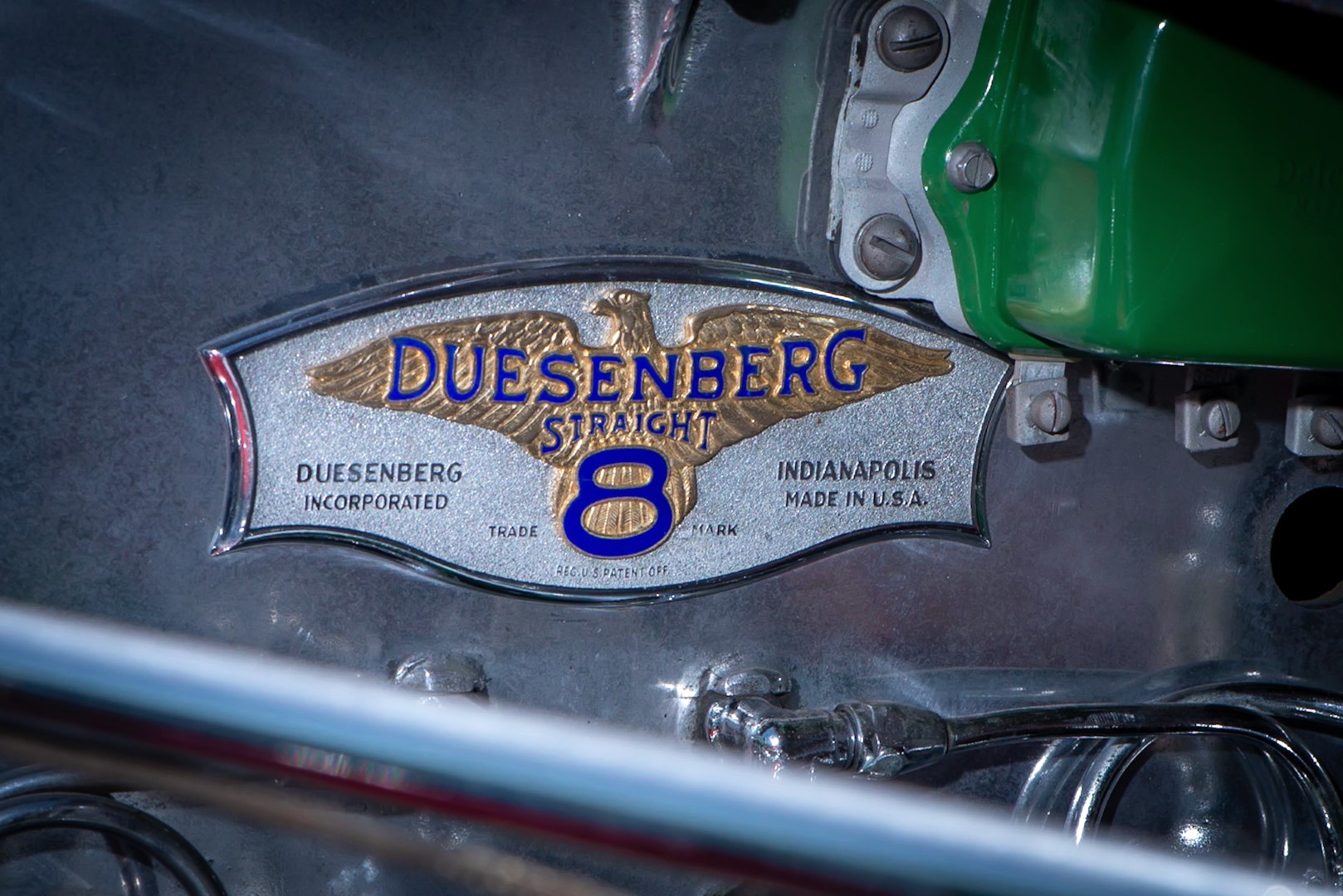
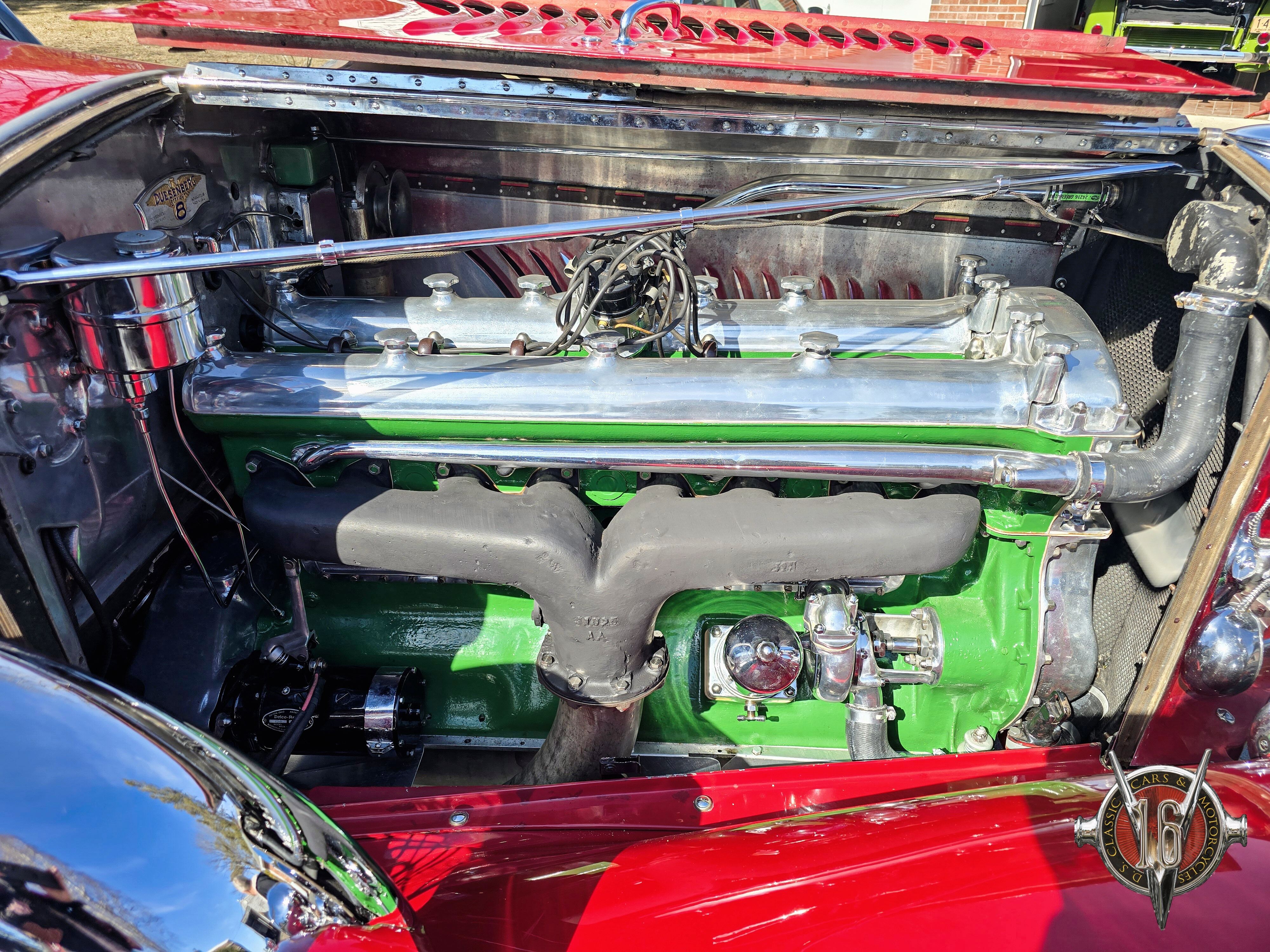
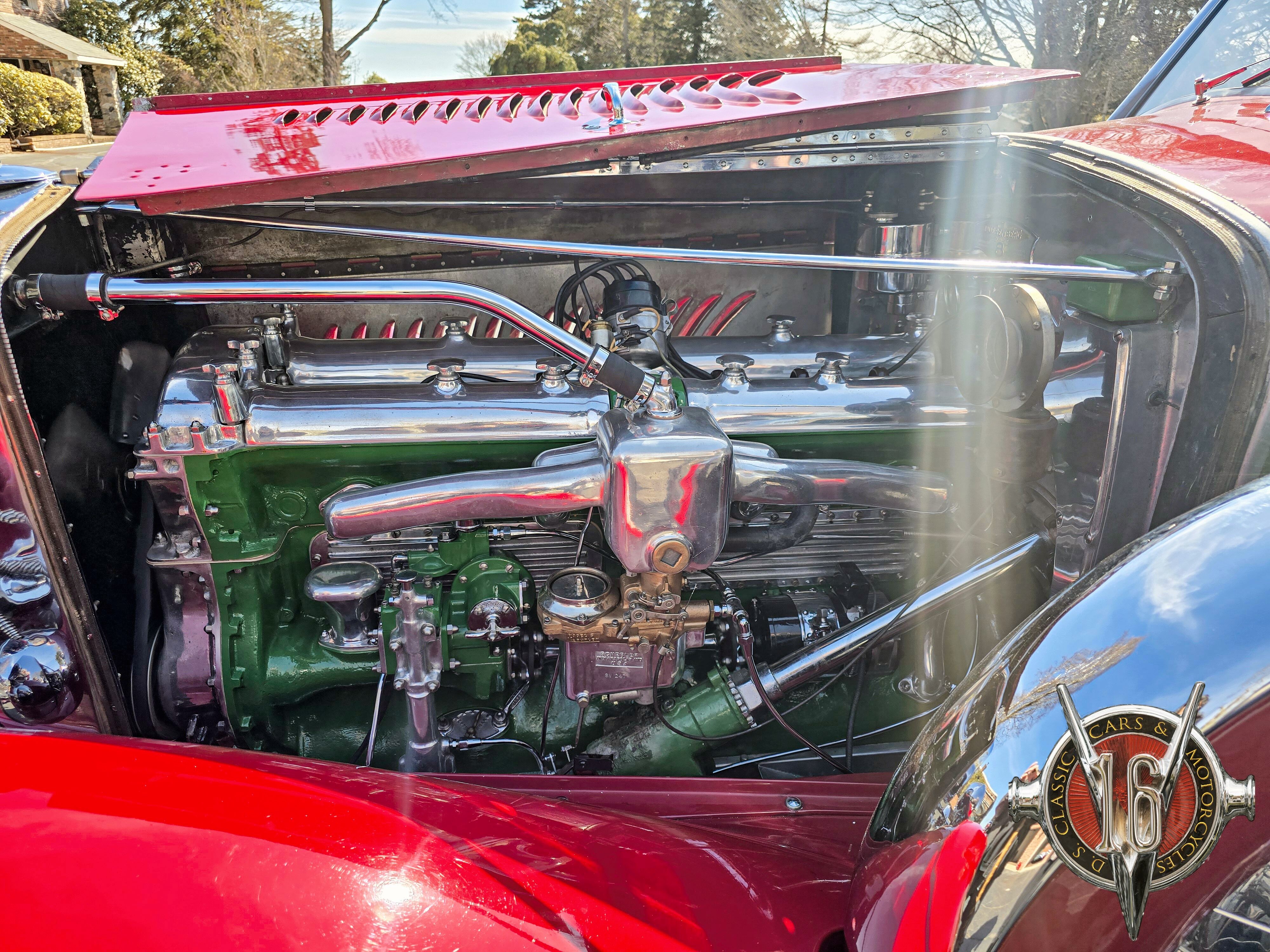
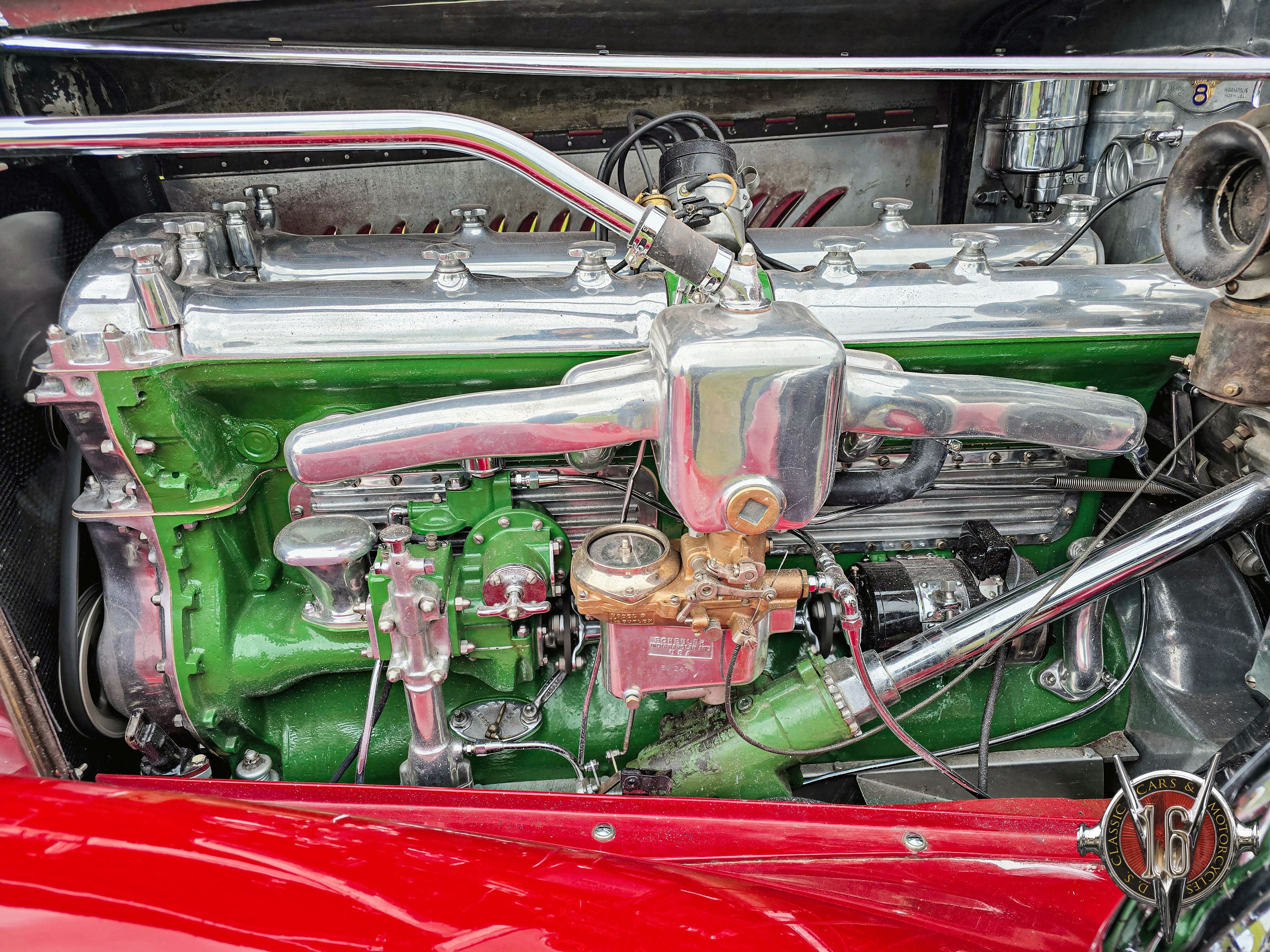
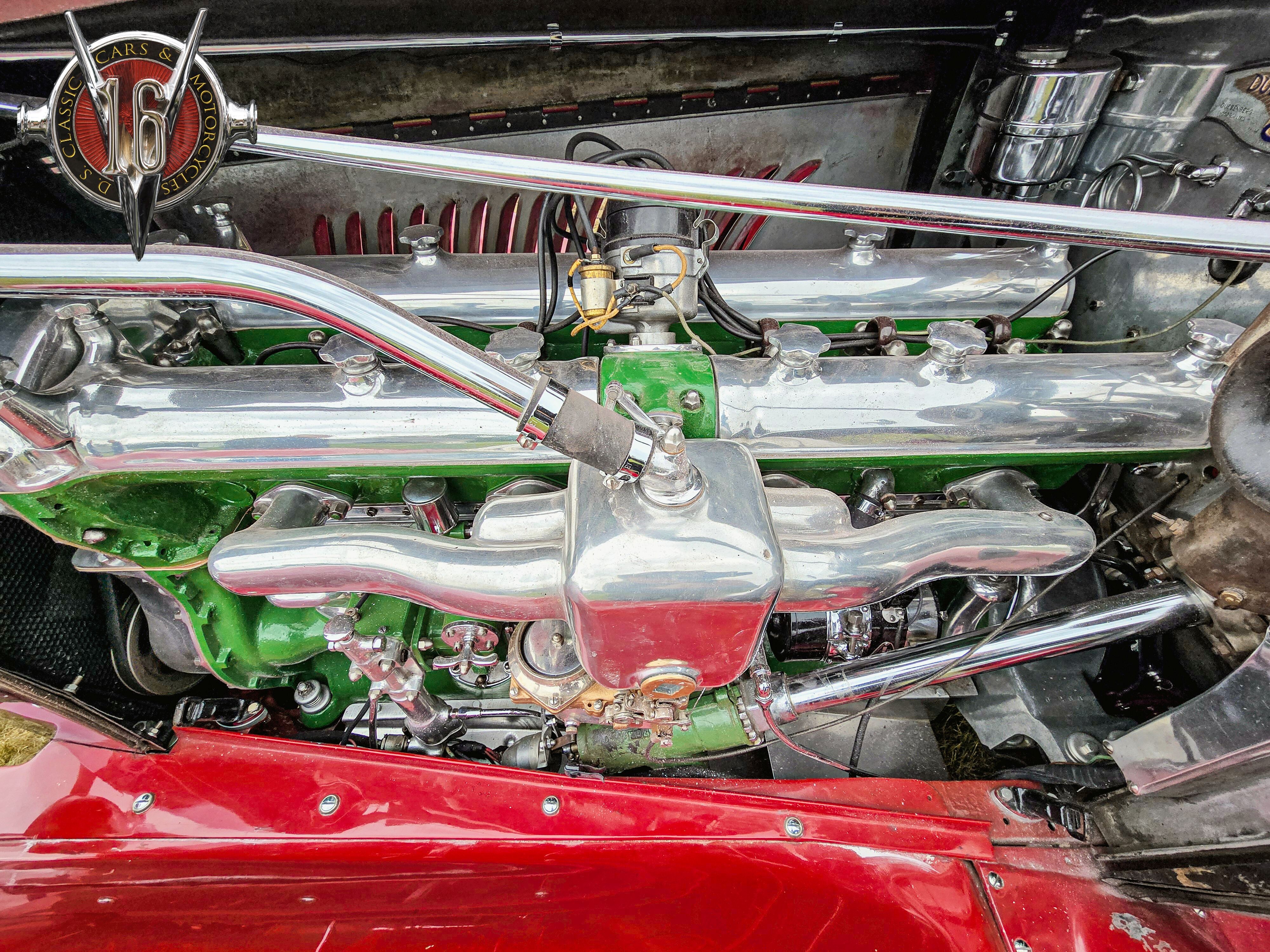
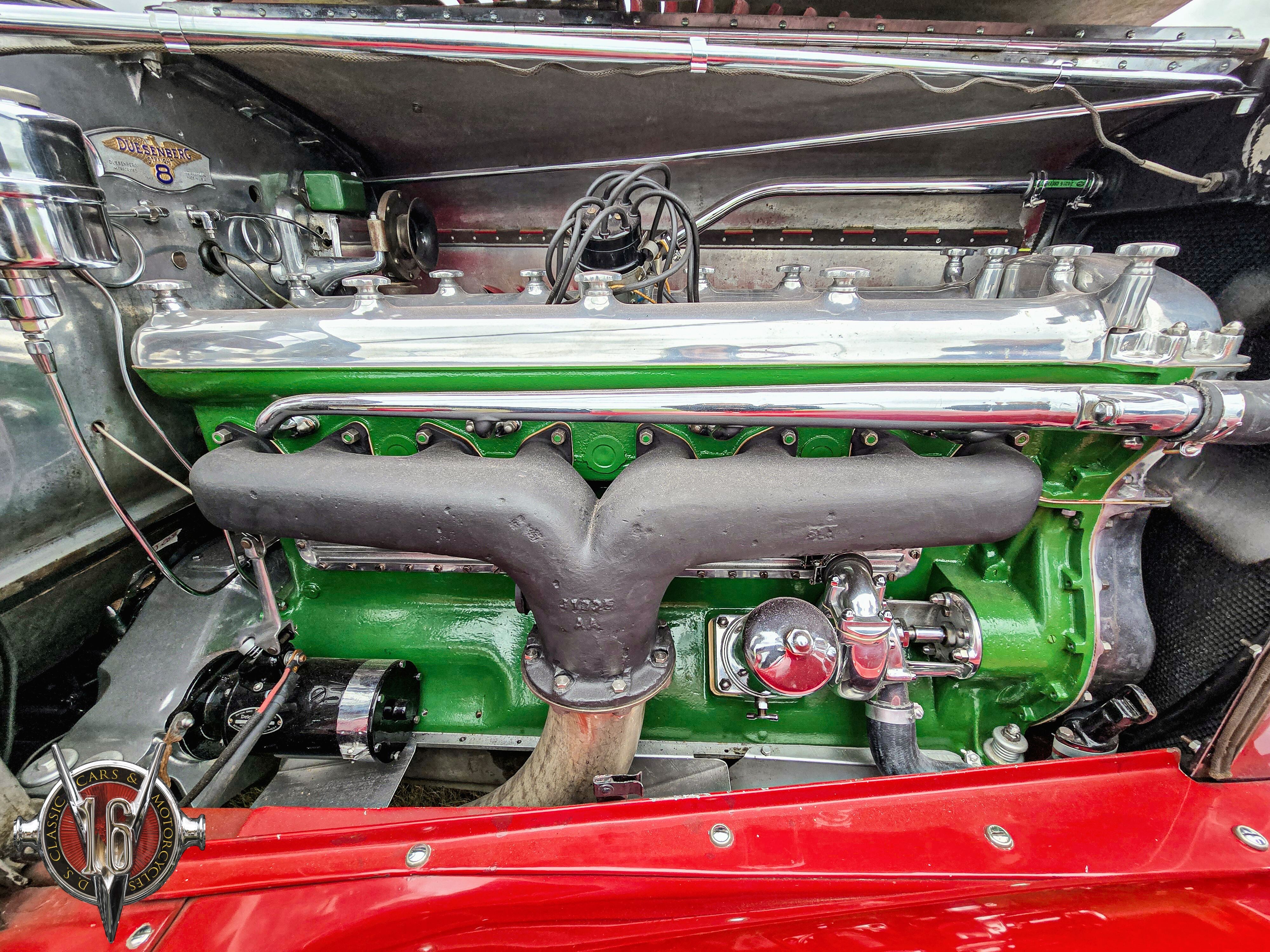
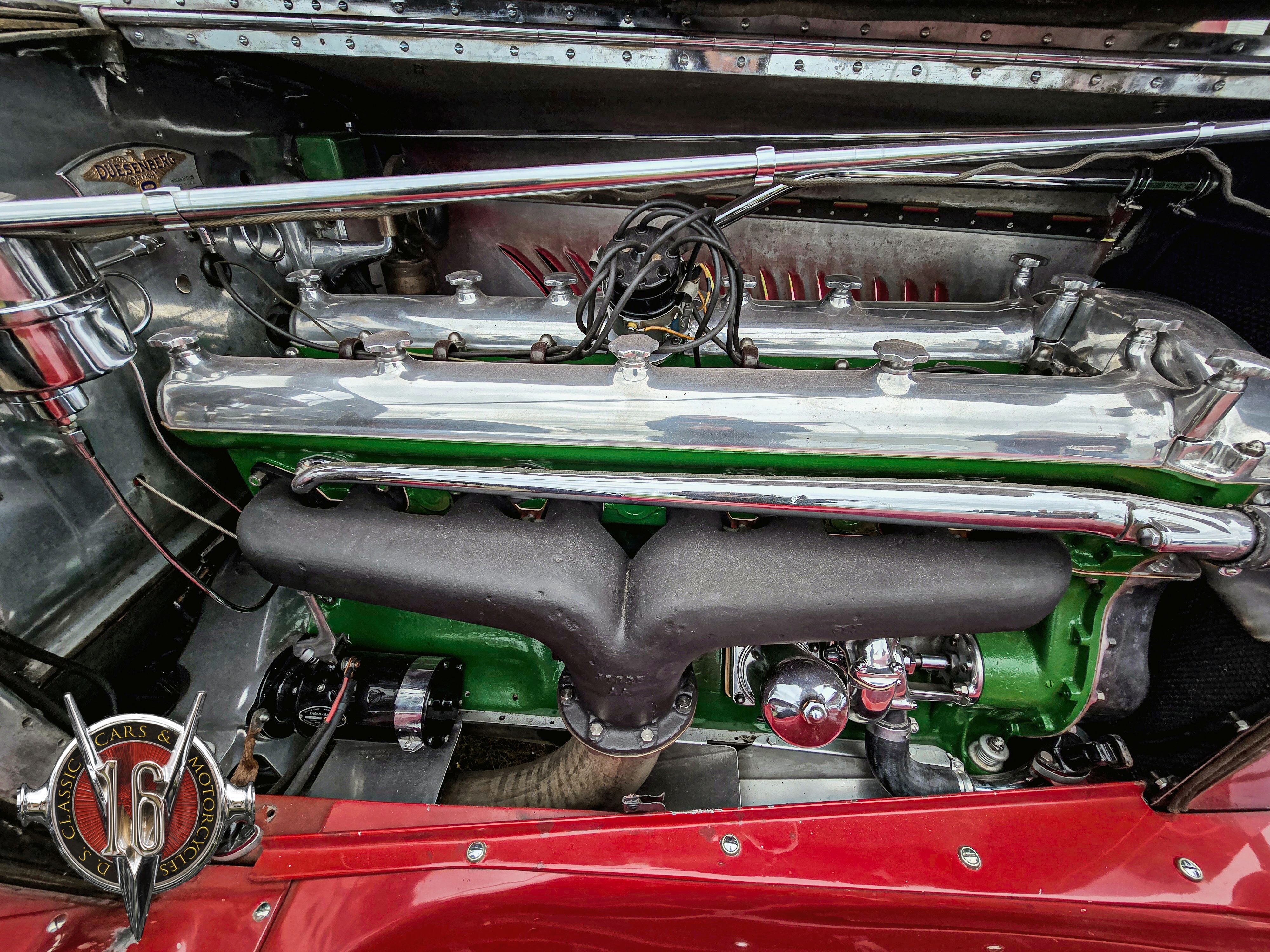
- ENGINE: Water-cooled Straight-Eight, 420-cu.-in., 6,900-cc dual overhead camshaft engine with a 3.74-in. bore and a 4.76-in. piston stroke
- CHASSIS NO: 2290
- HP: 265
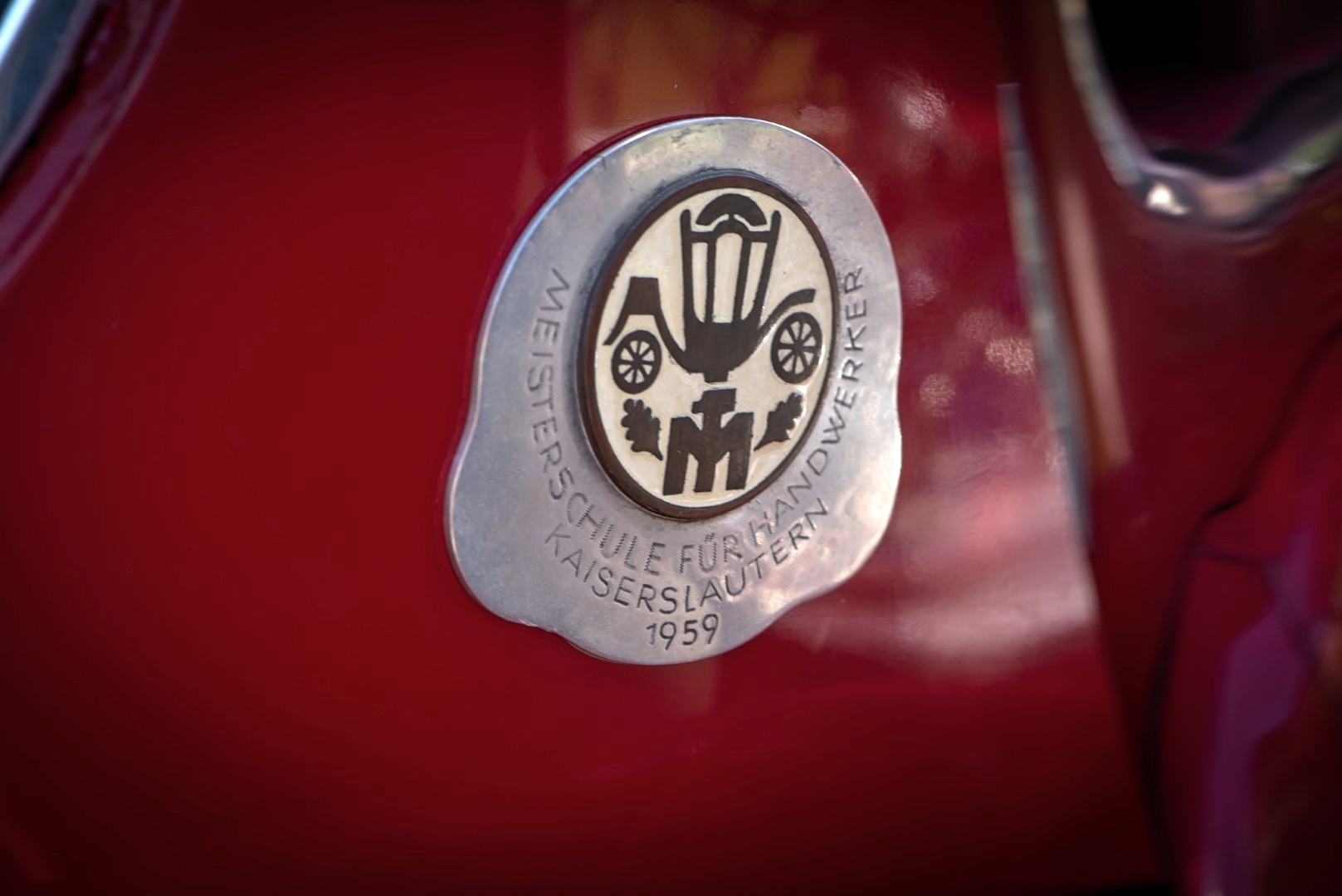
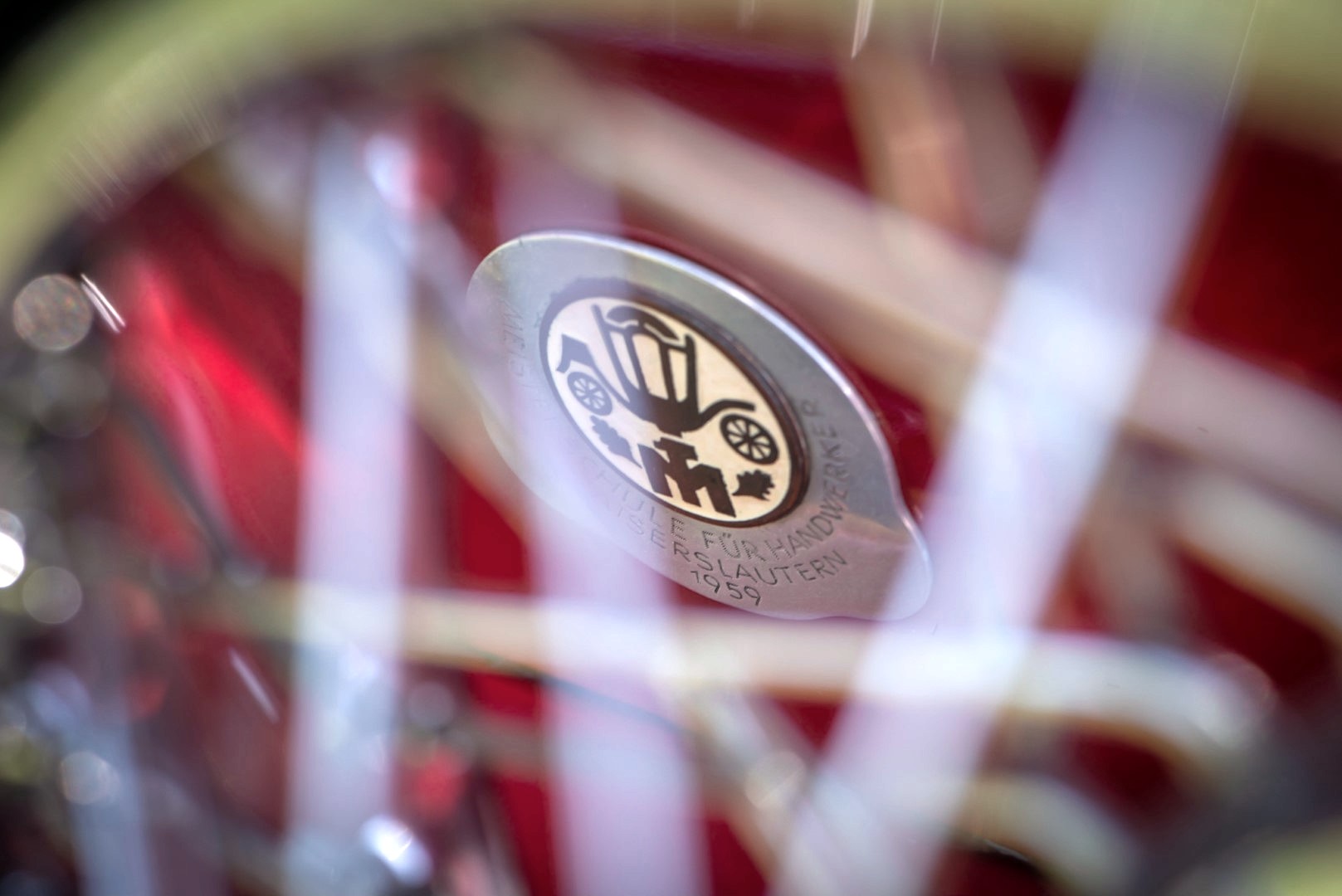
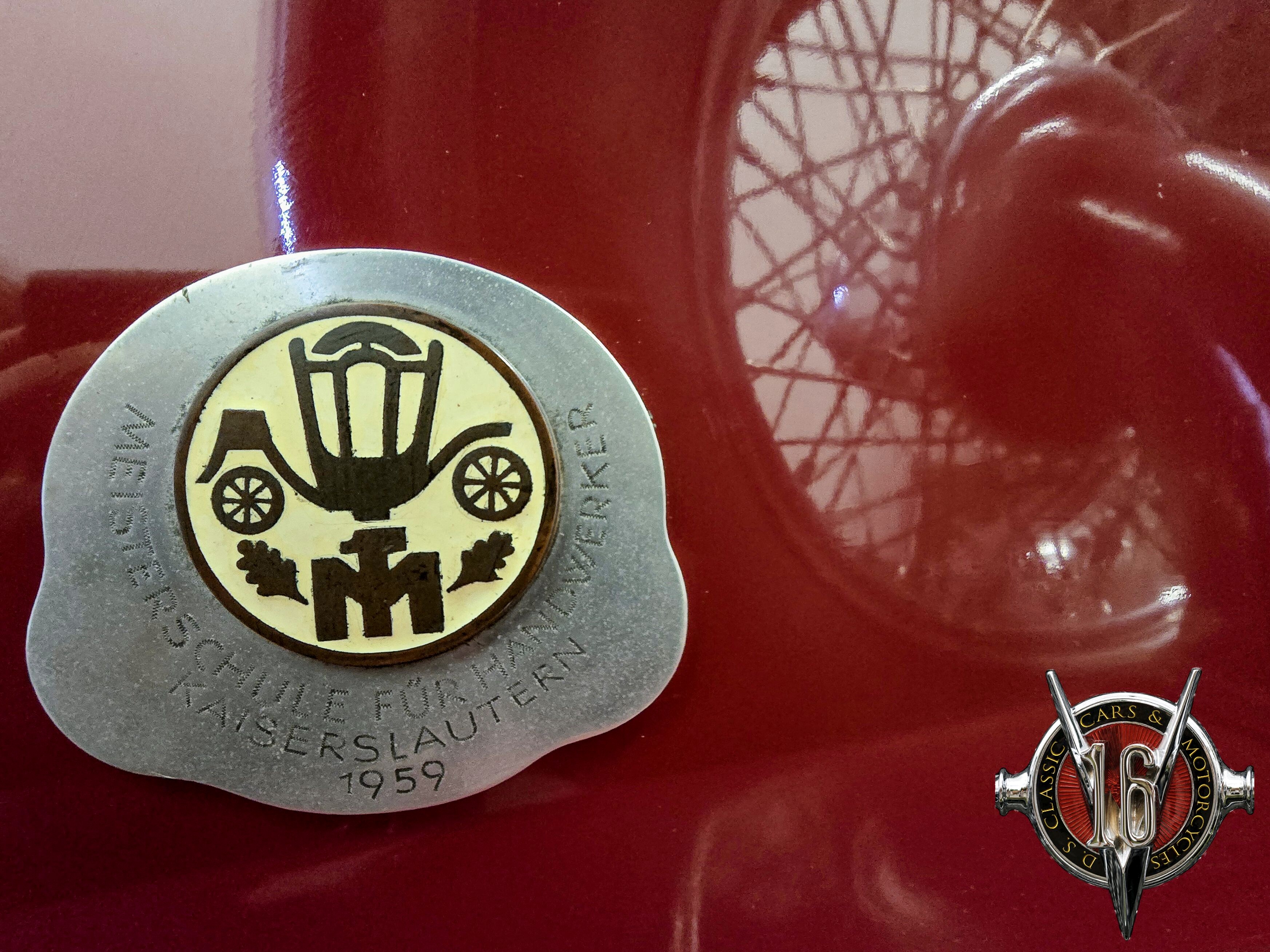
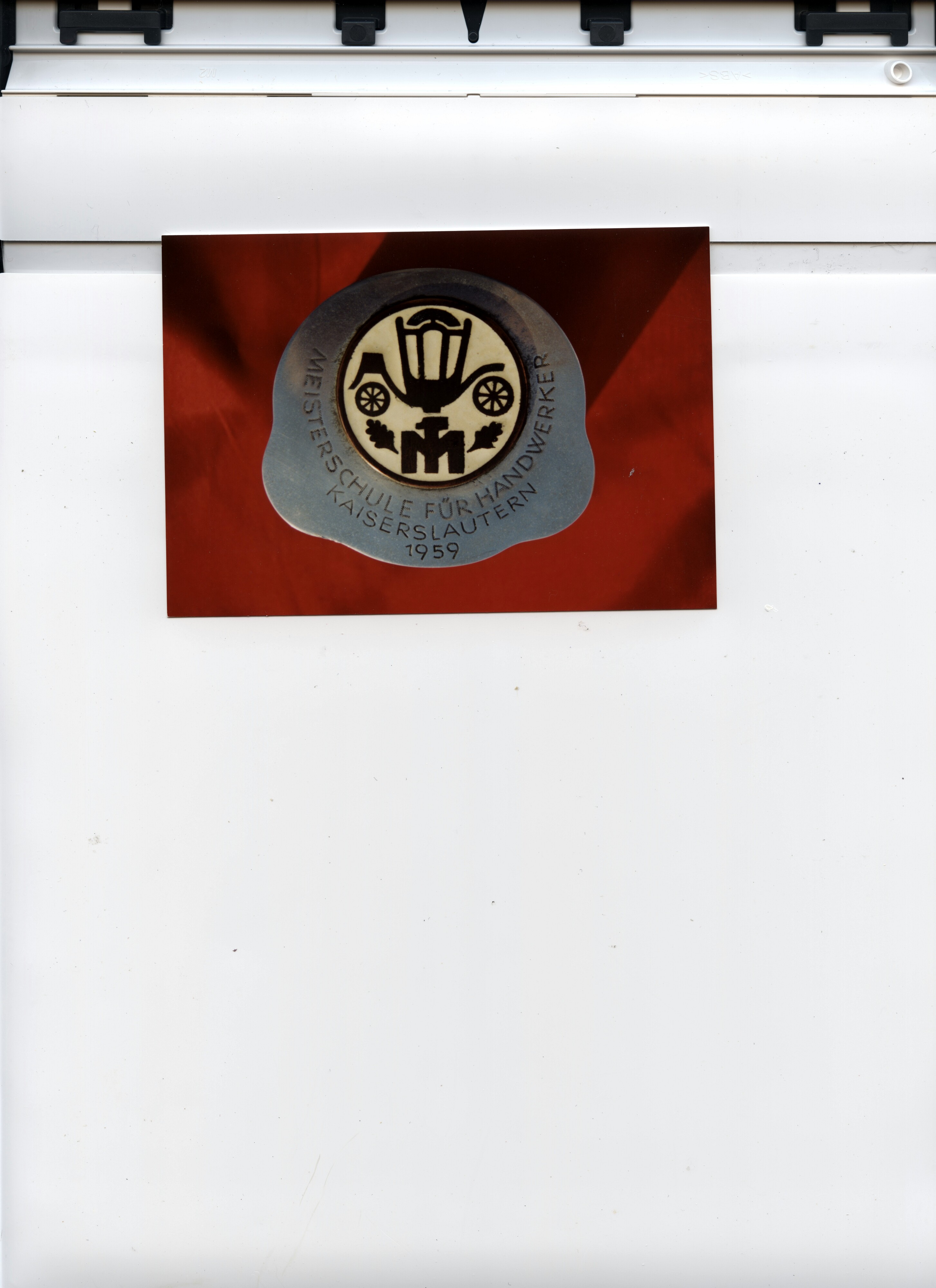
- ORIGINAL BODY: Meisterschule für Handwerker Kaiserslautern
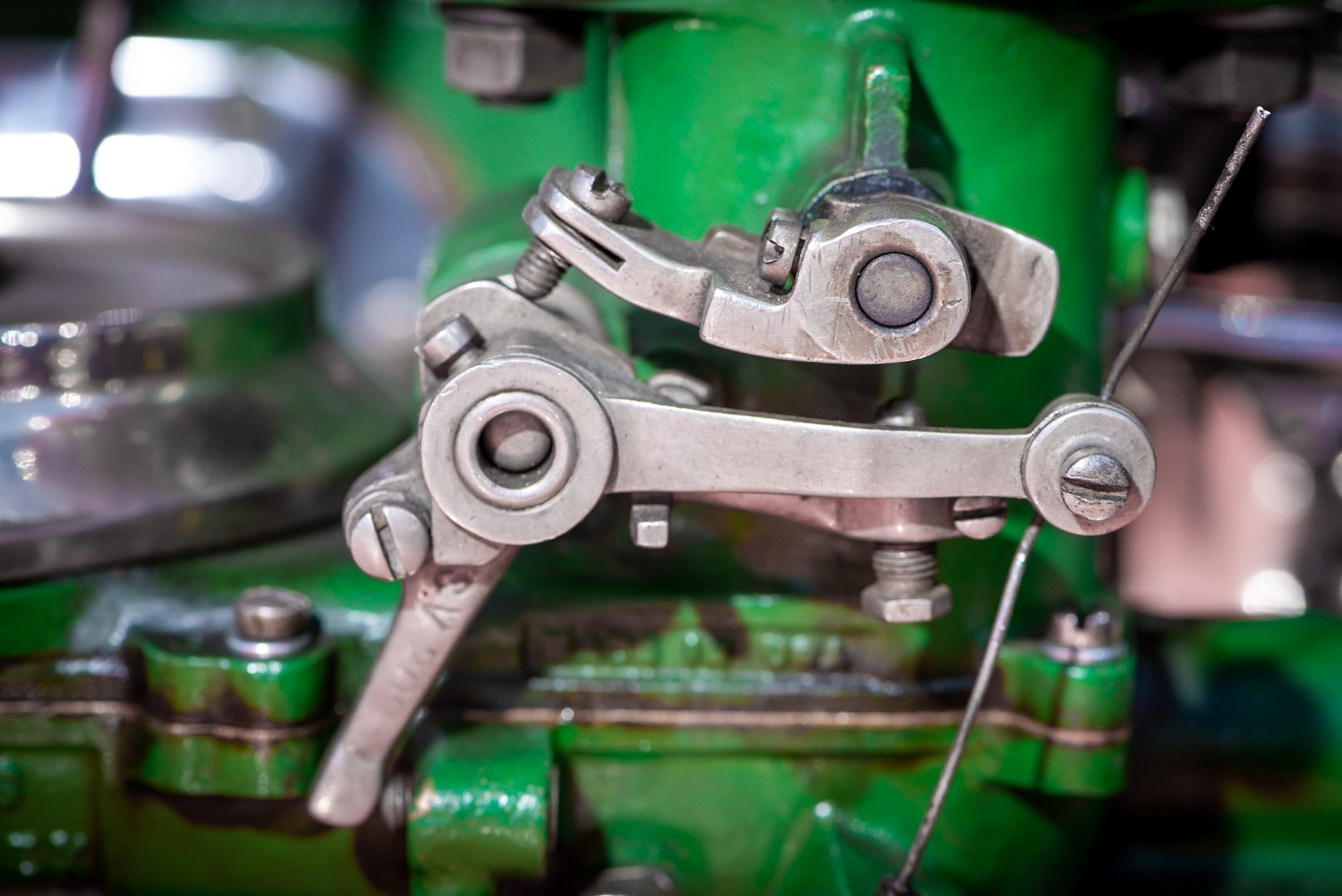
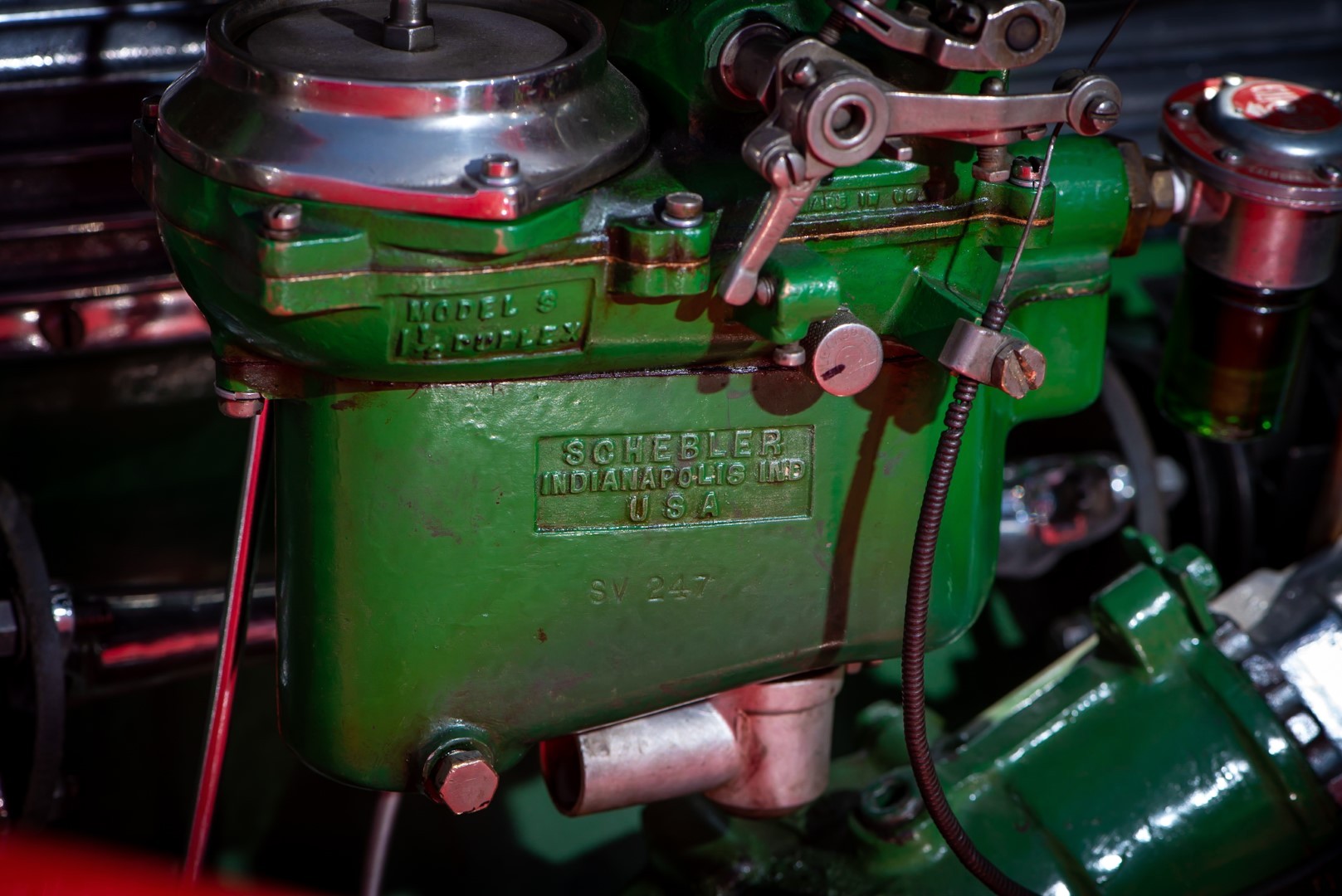
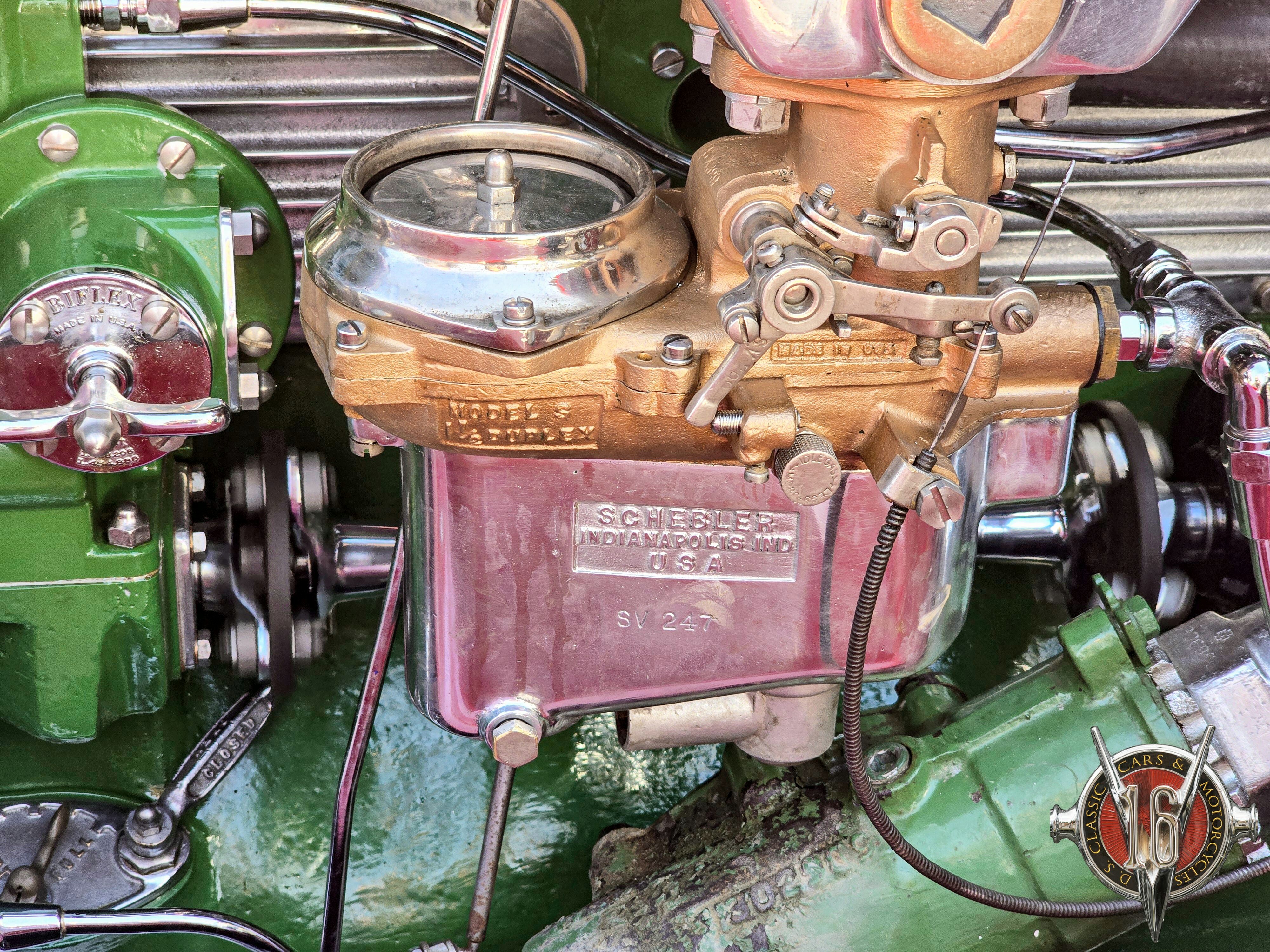
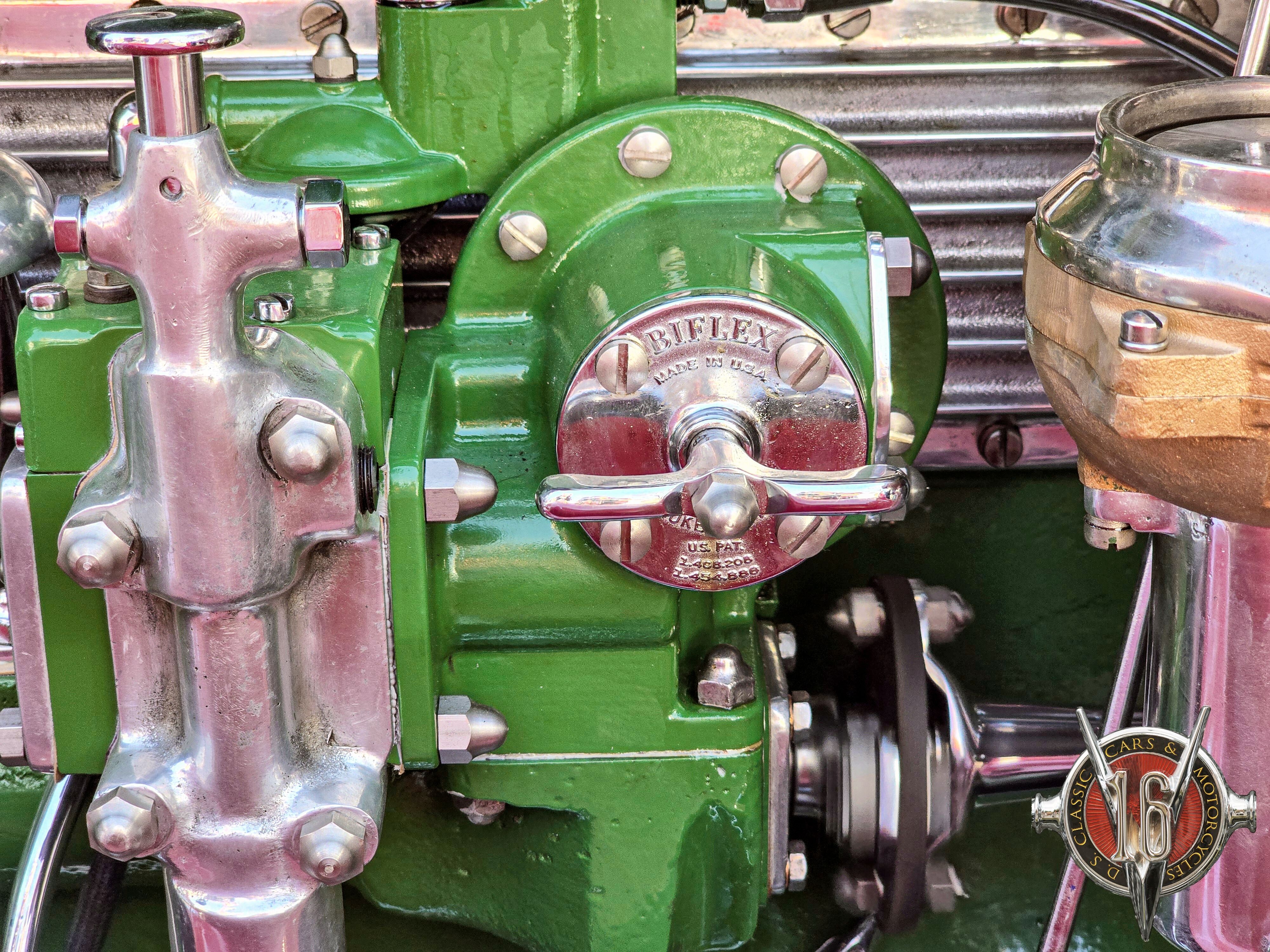
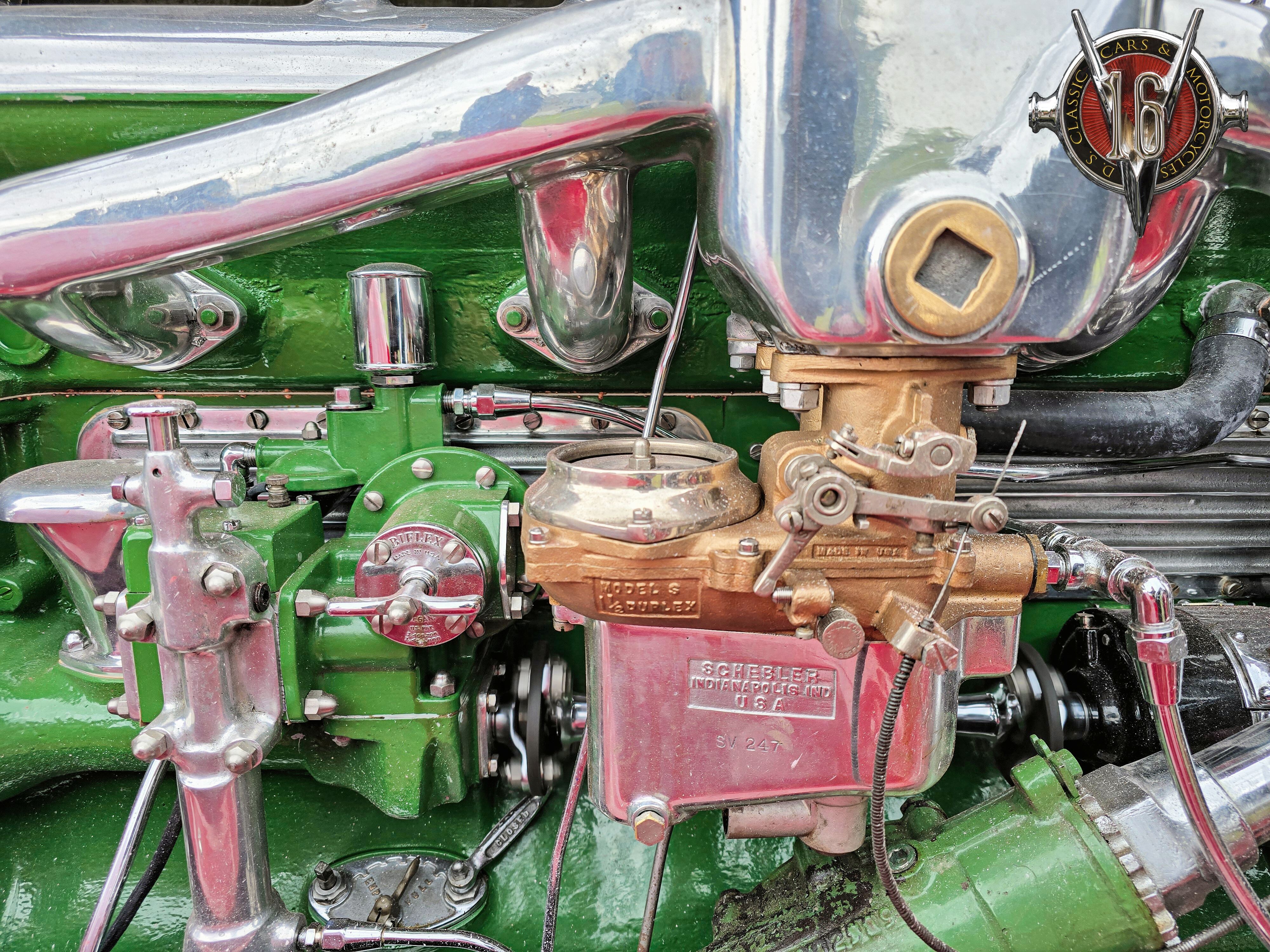
- CARBURETOR: Single updraft Model S Schebler (SV 247)
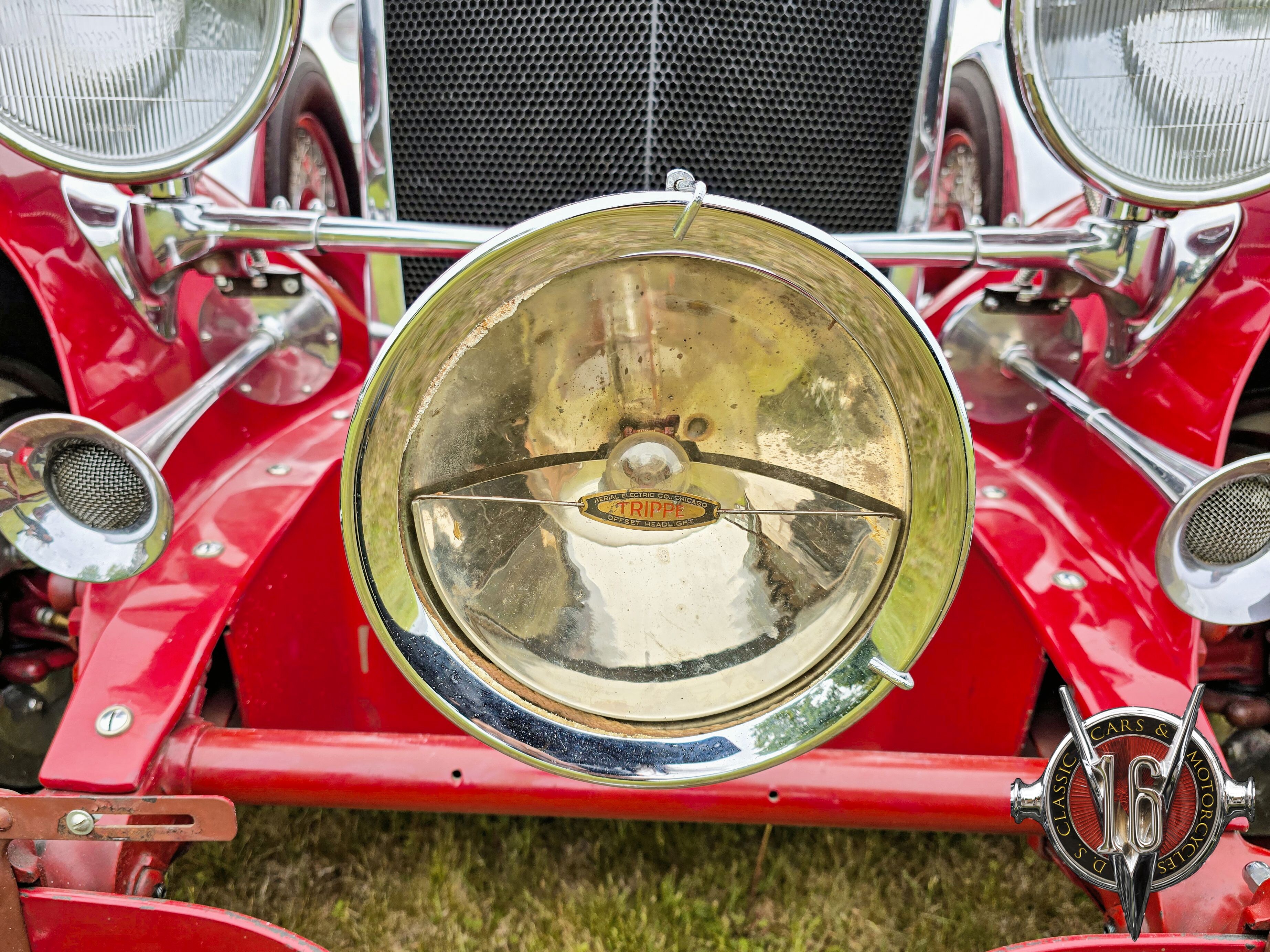
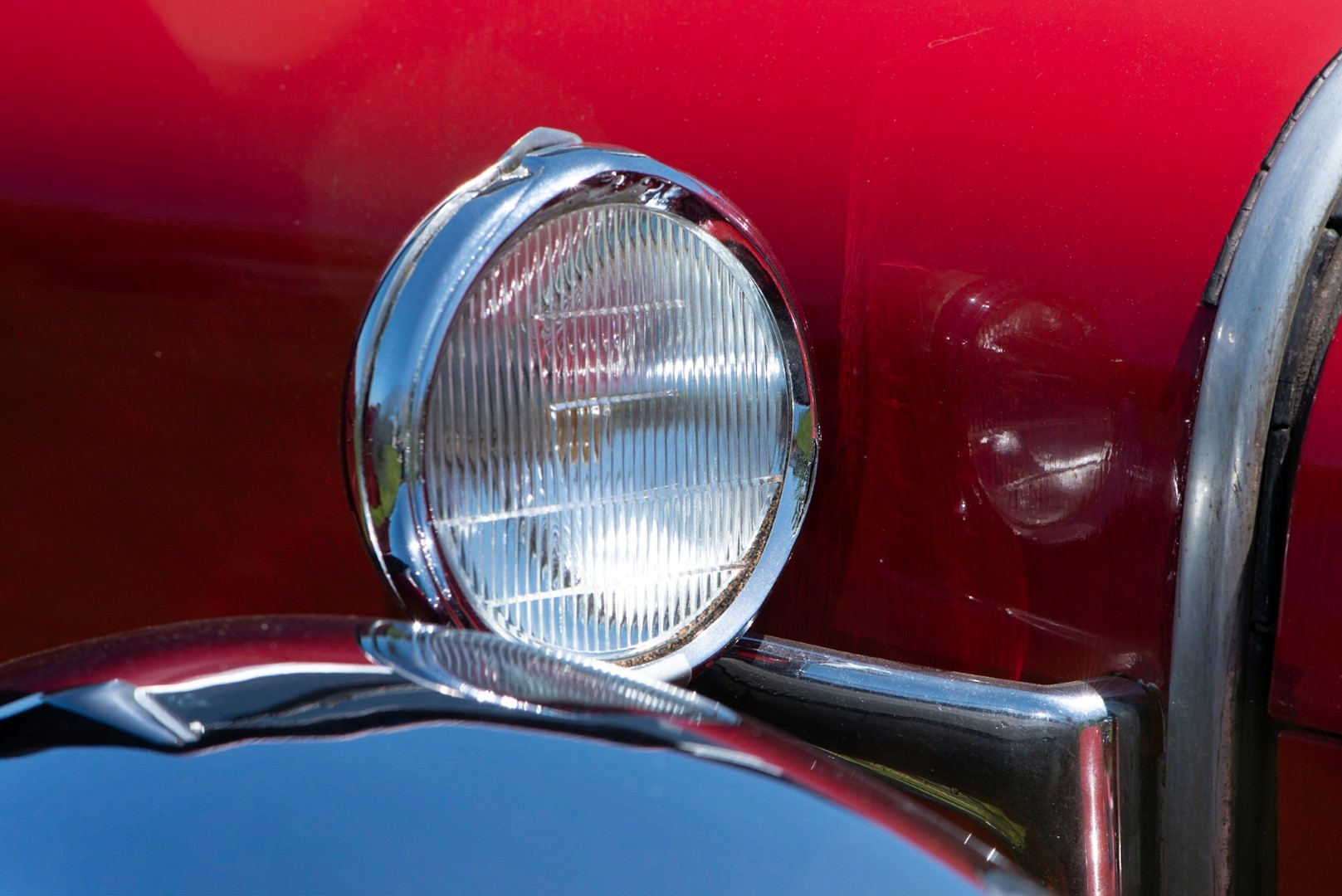
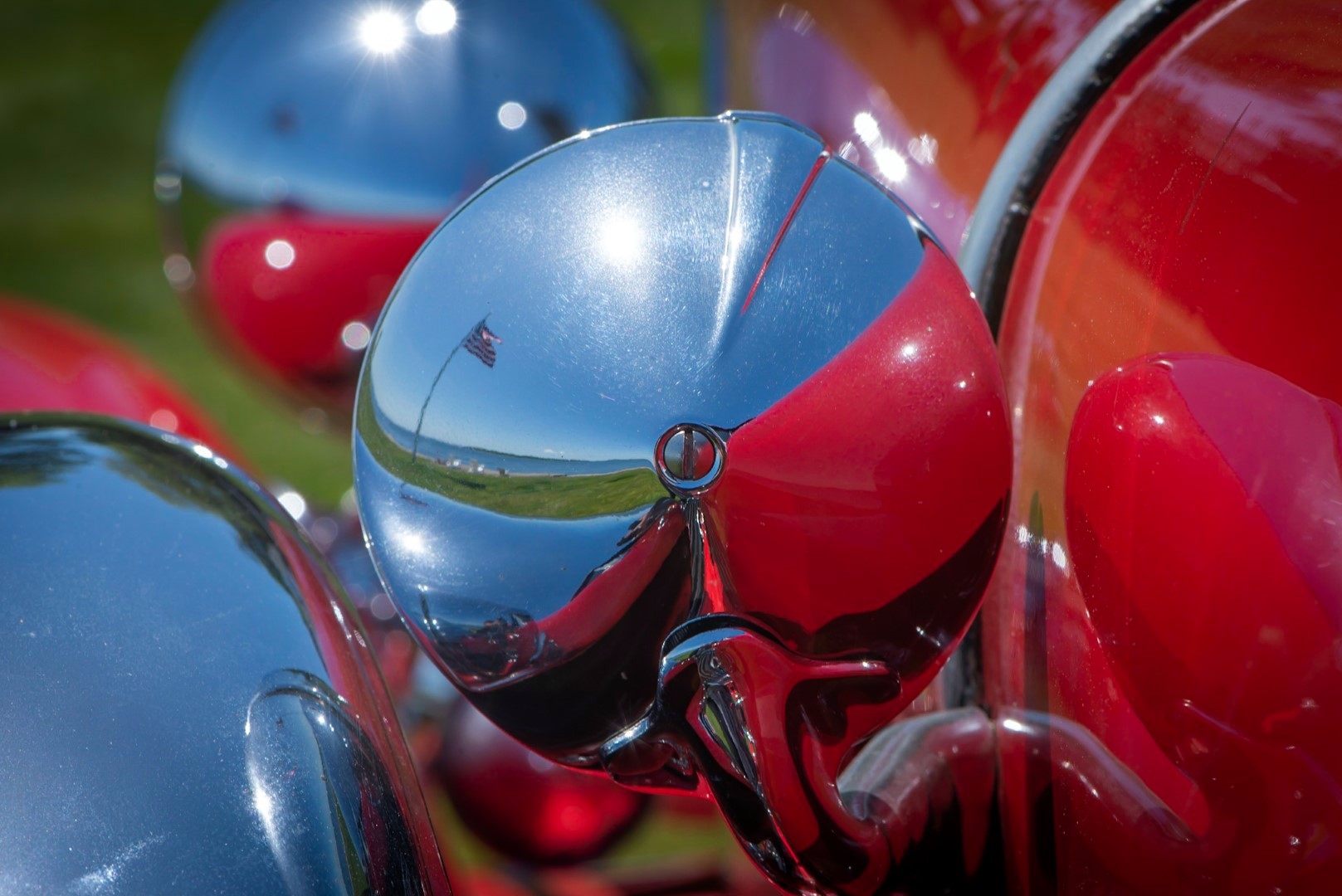
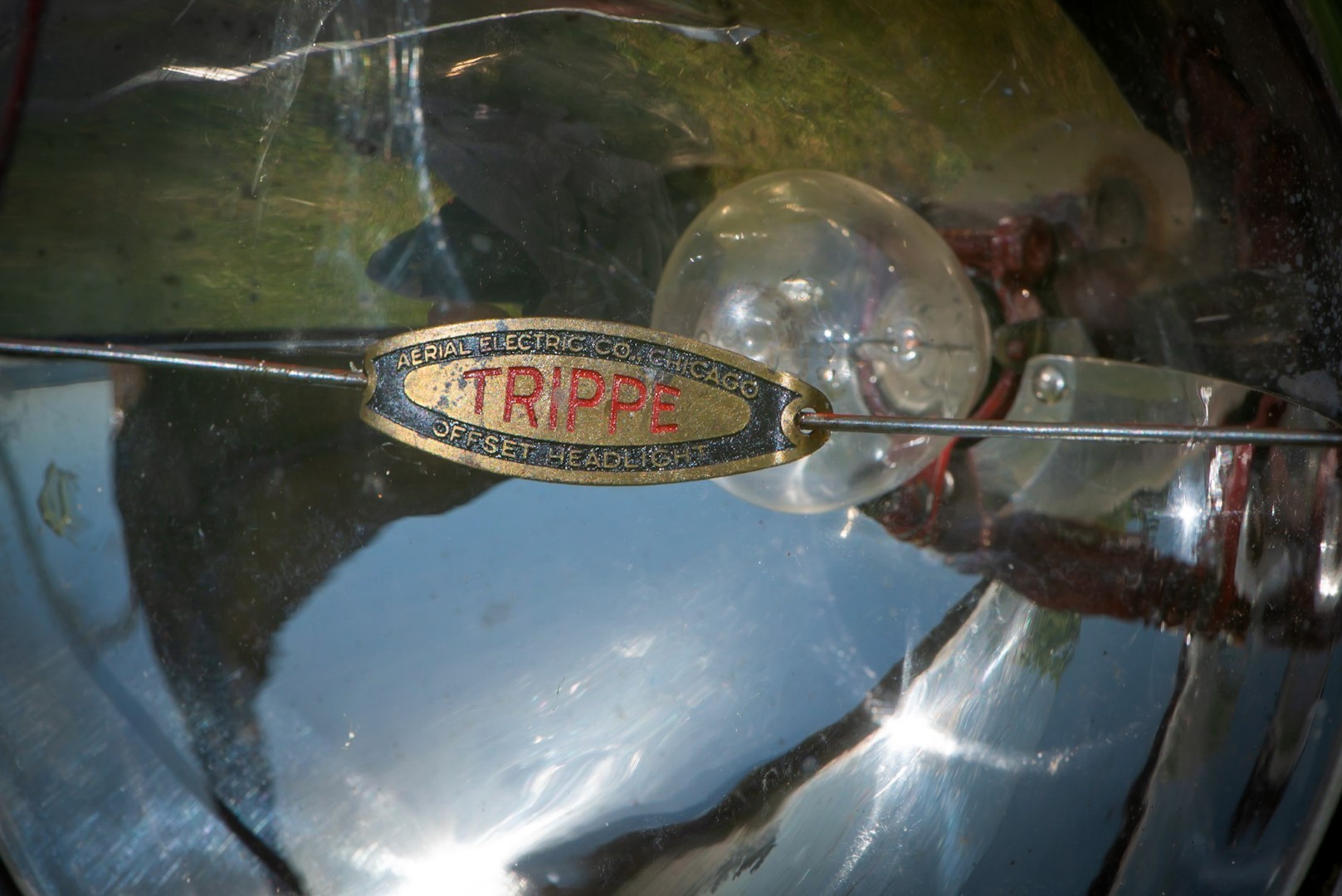
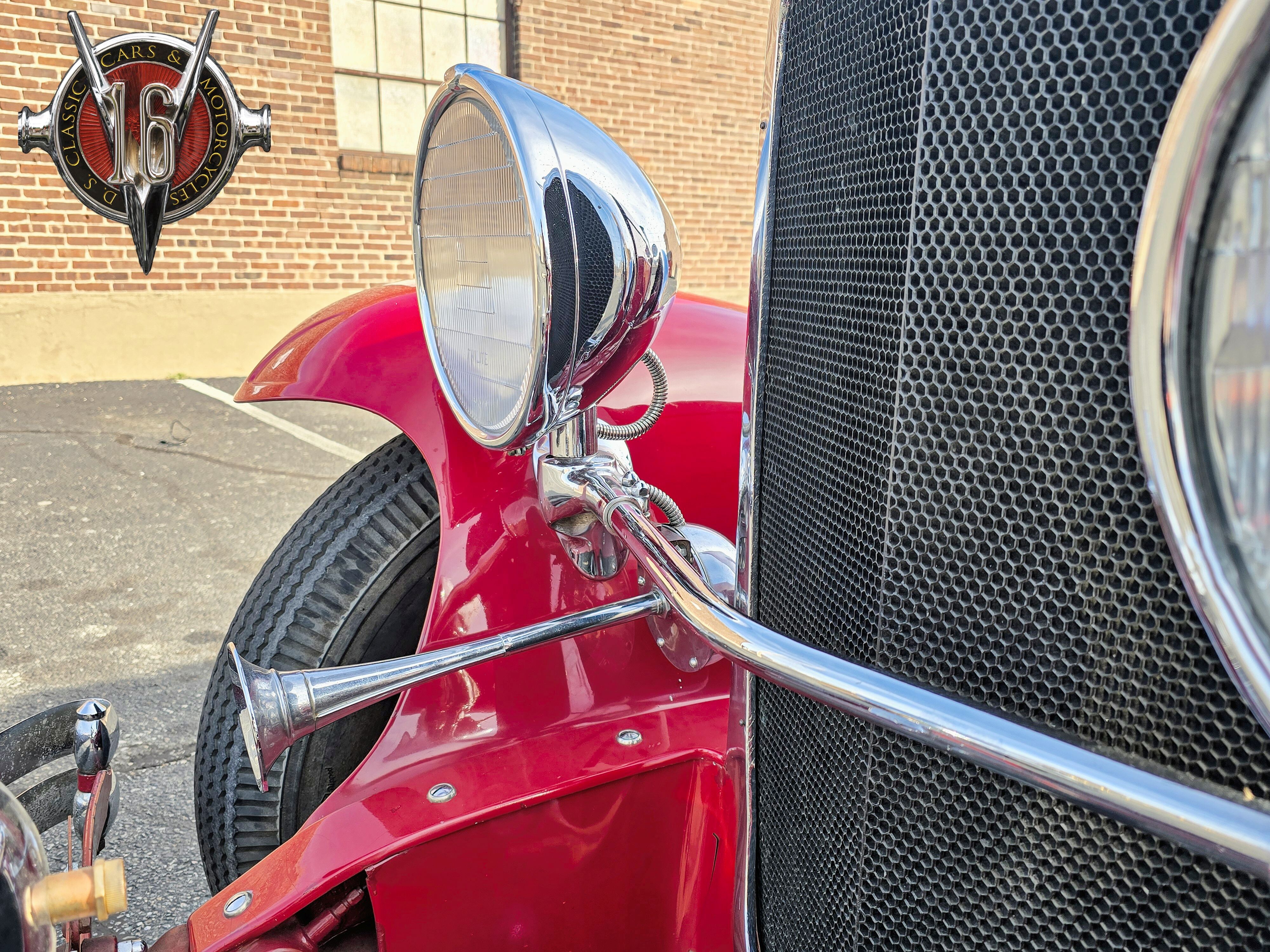
- HEADLIGHT: Aerial Electric Co. Offset Trippe
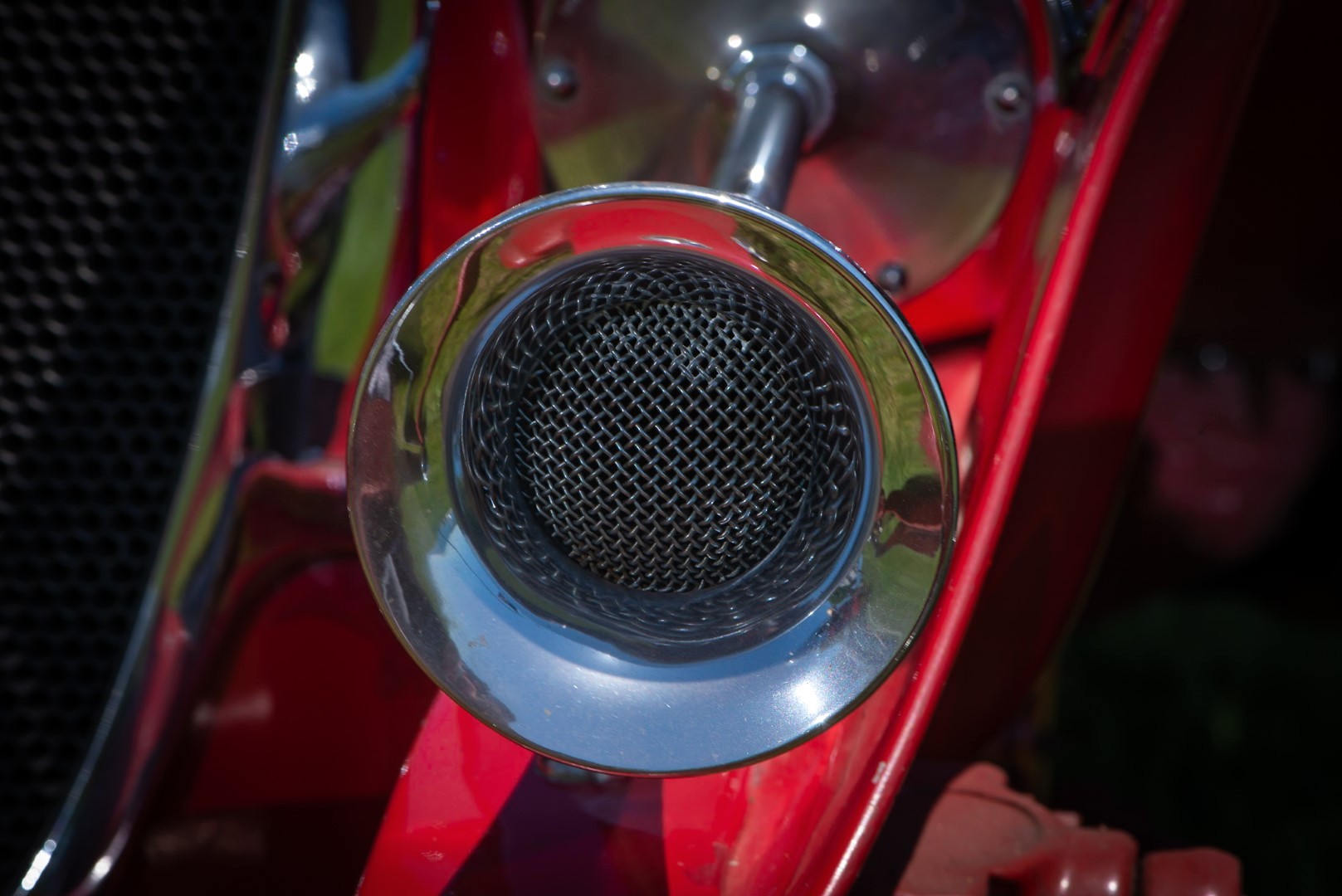
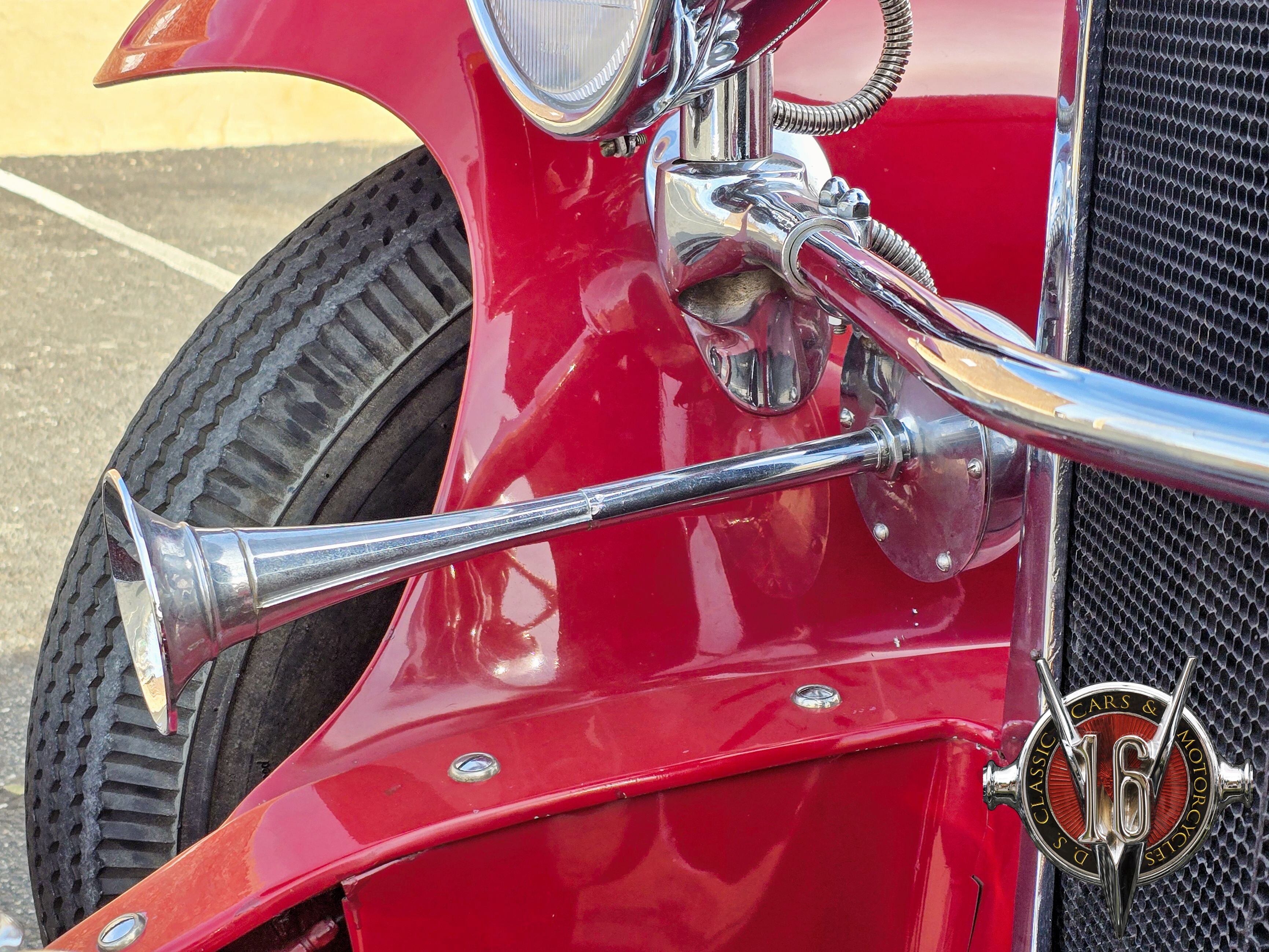
- HORN: Klaxon K-22
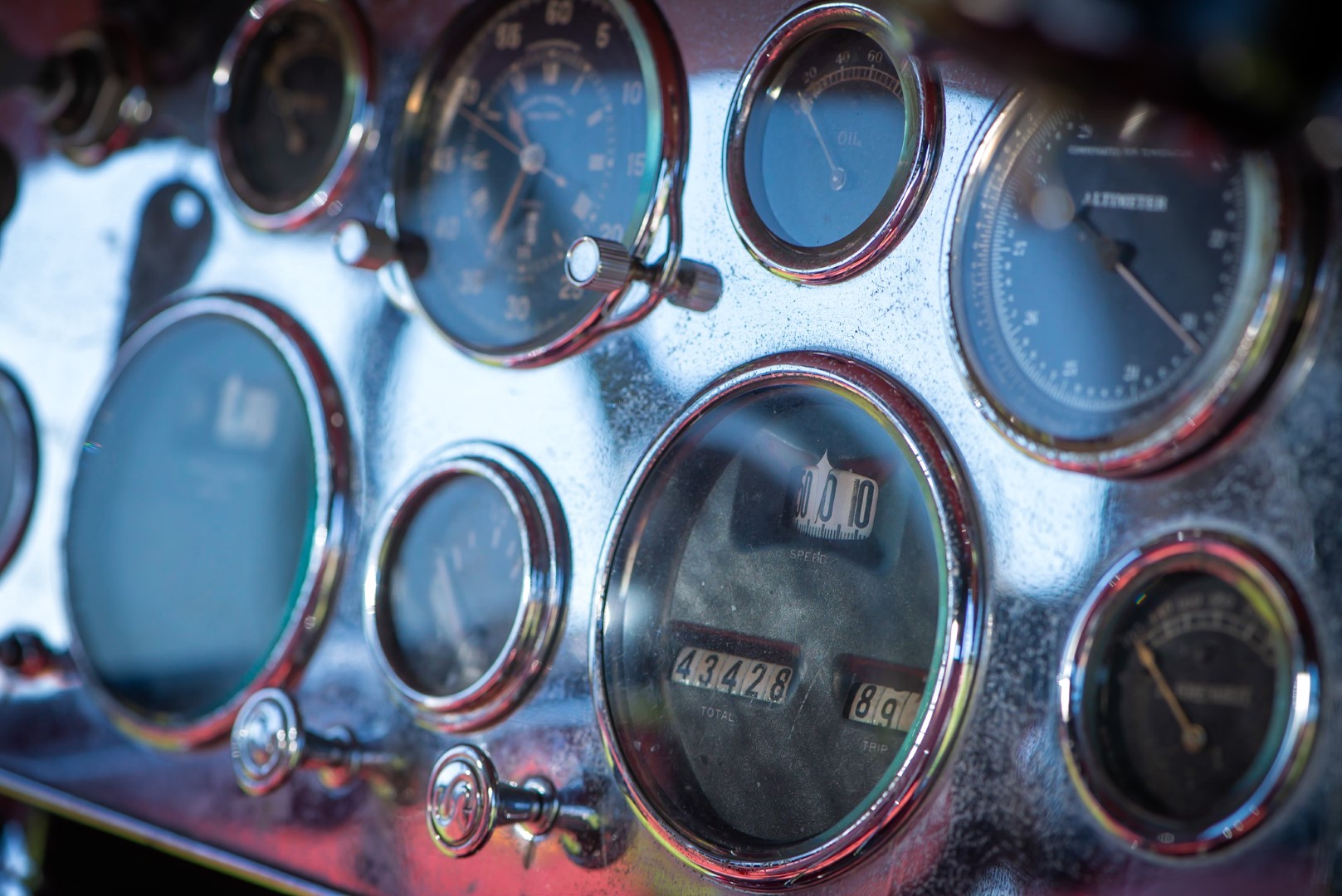
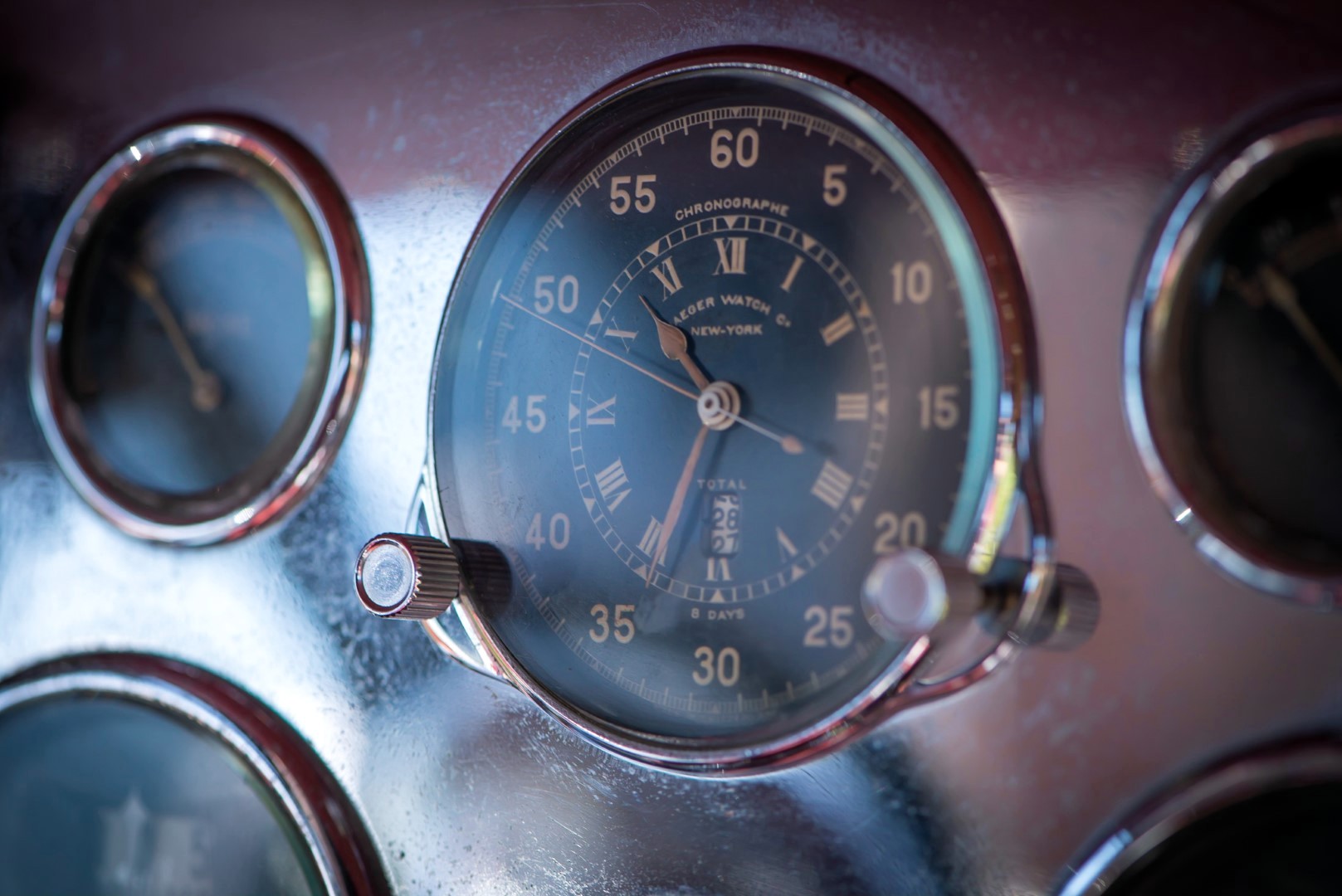
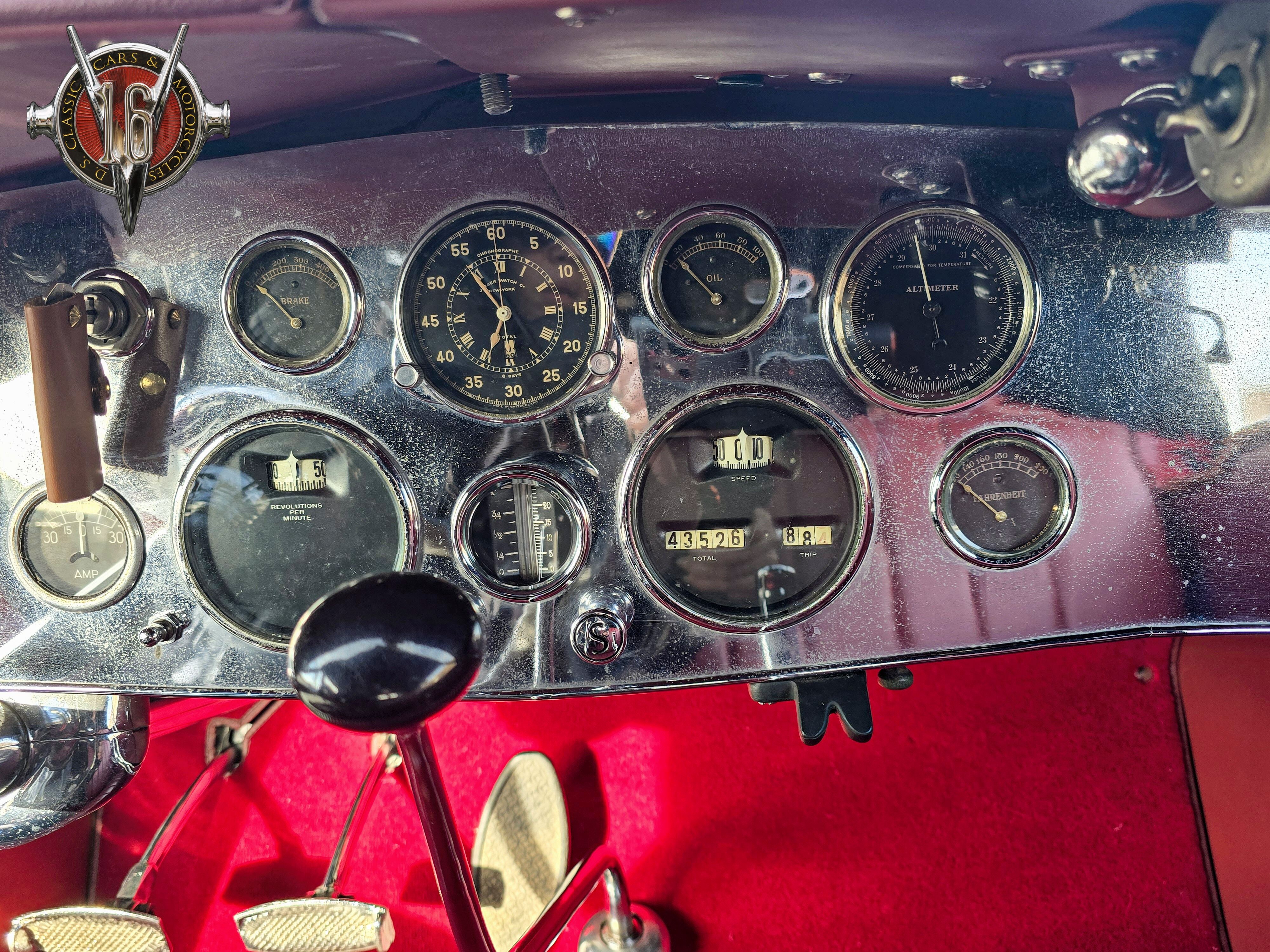
- CLOCK: 8-Day Jaeger Watch Co.
- DOCUMENTATION: US Title & Registration, multiple boxes of provenance
According to RM Sotheby’s, “The announcement of the Model J shook the industry and even momentarily halted trading on the floor of the New York Stock Exchange. The first opportunity members of the public had to see the new car was at a chassis display at the 1929 New York Auto Show. Hundreds came to see this new wonder, and they were not disappointed: there on the floor was a brand new, bare chassis on display.”
“Gooding & Company’s Classic Driver notes about the Model J, “Since its introduction nearly a century ago, automotive critics, writers, and historians have exhausted superlatives when describing the Model J Duesenberg. “The World’s Finest Motor Car,” “The Mightiest American Motor Car,” and “Chariots of the Gods” are but a few of the accolades bestowed on the Model J. Automotive historian and author Beverly Rae Kimes provided this succinct summation: “Mighty is the adjective universally used for the Model J. No American automobile produced since has approached its splendid intimidation.”
An unmatched combination of technical perfection, artistic design, and exclusivity provided original owners with an automobile with more than twice the horsepower of its contemporaries, fitted with the most stunning coachwork available and priced at $8,500 for the chassis alone. Open roadsters and phaetons appealed to those desirous of exploring Duesenberg’s performance qualities, but for others, good taste and reserved elegance were best expressed through stately designs…
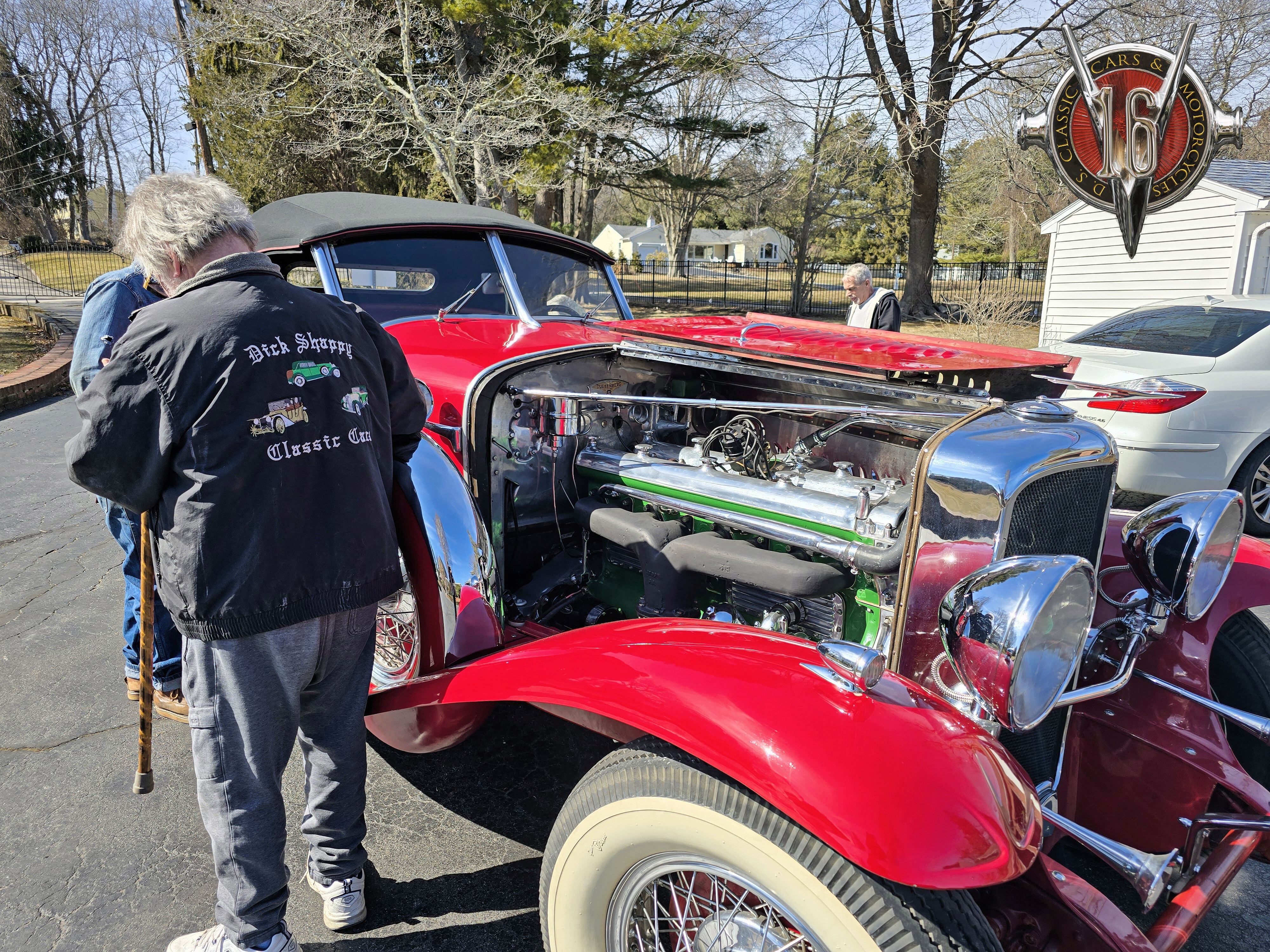
At the heart of this car is the revered Duesenberg engine, a masterpiece honed to perfection by Fred Duesenberg through years of racing experience. Employing double overhead camshafts, four valves per cylinder, and hemispherical heads, the 420 cid, straight-eight engine produced 265 hp, a figure not matched among American marques until the mid-1950s. Equally impressive, though cited less frequently, it delivered 374 lbs./ft. of torque, propelling the Duesenberg to 88 mph in second gear and capable of reaching a top speed of 116 mph.”
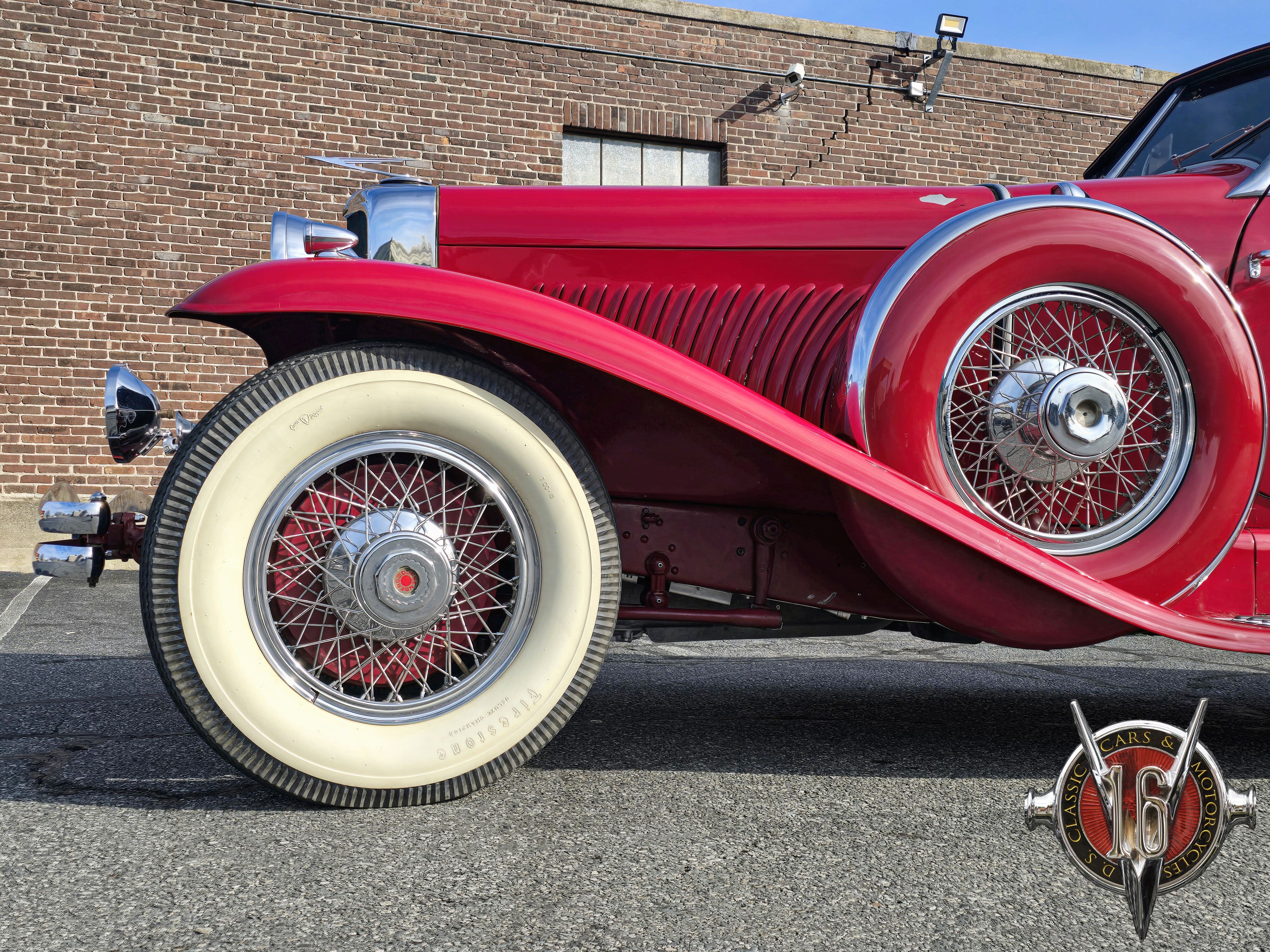
Duesenberg developed the Model J in 1928, the year before the stock market crash, but would continue producing the luxury, high-performance vehicle for the next decade. They came equipped with a powerful and competitive straight-eight engine, four-wheel hydraulic brakes, and could reach 116 mph, one of the most expensive and fastest American cars of its time. The body and interior trim of the Model Js were custom-made for the purchaser from a variety of third-party, mostly American coachbuilders, so the year for a given vehicle usually refers to the date it was bodied rather than the production of the chassis. The fenders, headlamps, radiator, hood, instrument panel, and other elements remain largely the same on most model Js. This process made each Duesenberg Model J unique with an innate character, lending itself to the creation of rich provenance.
THE HISTORY OF J-268
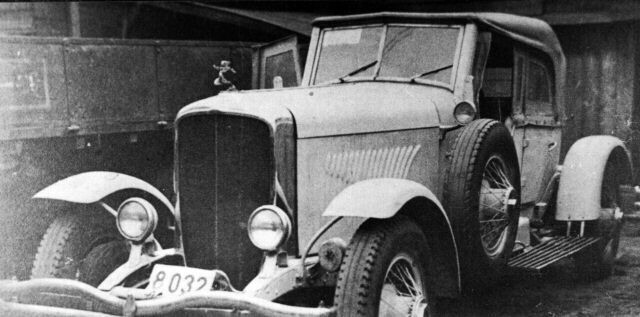
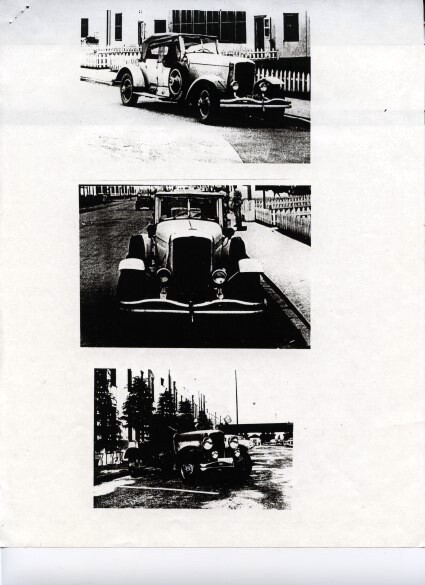
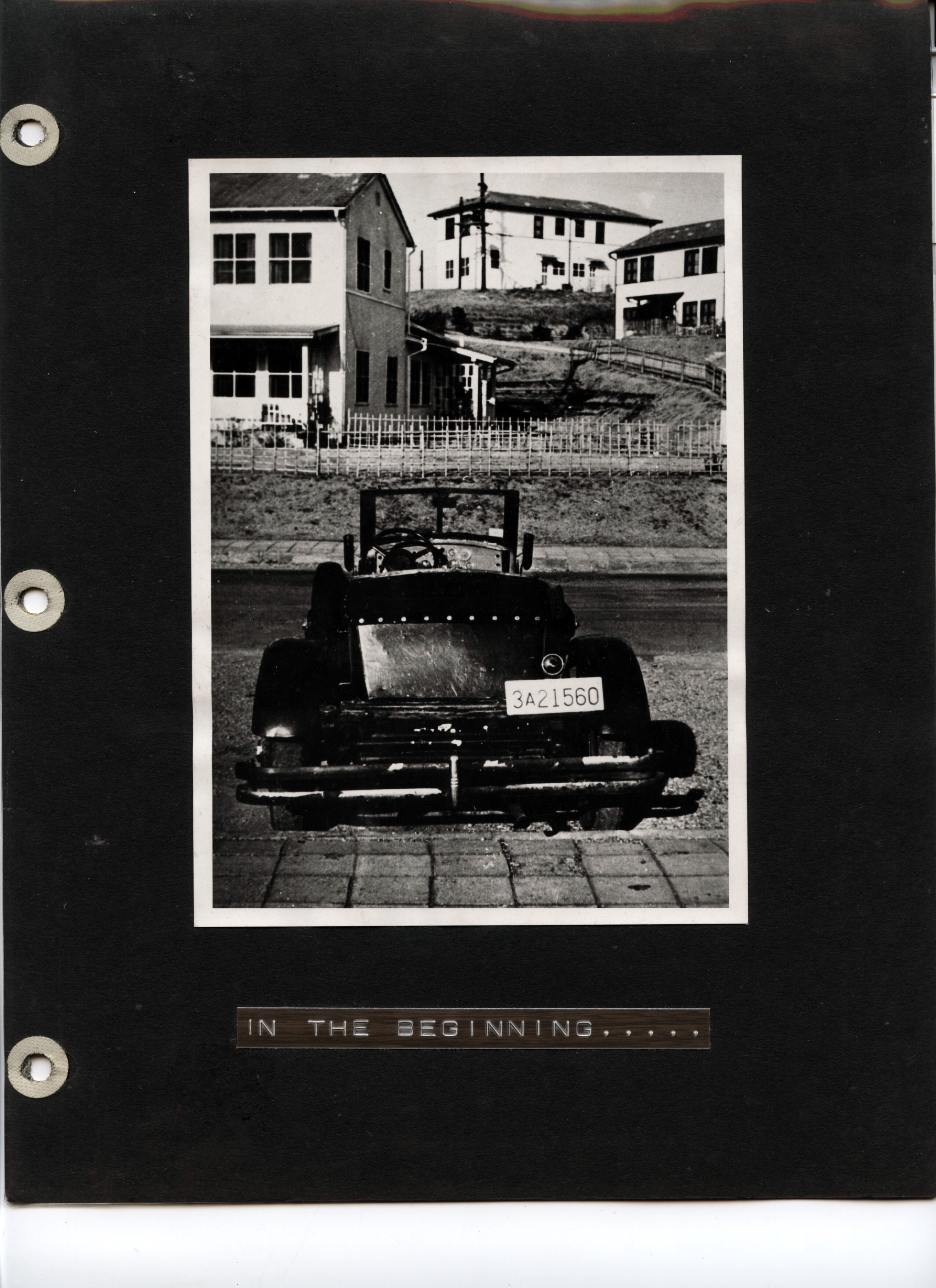
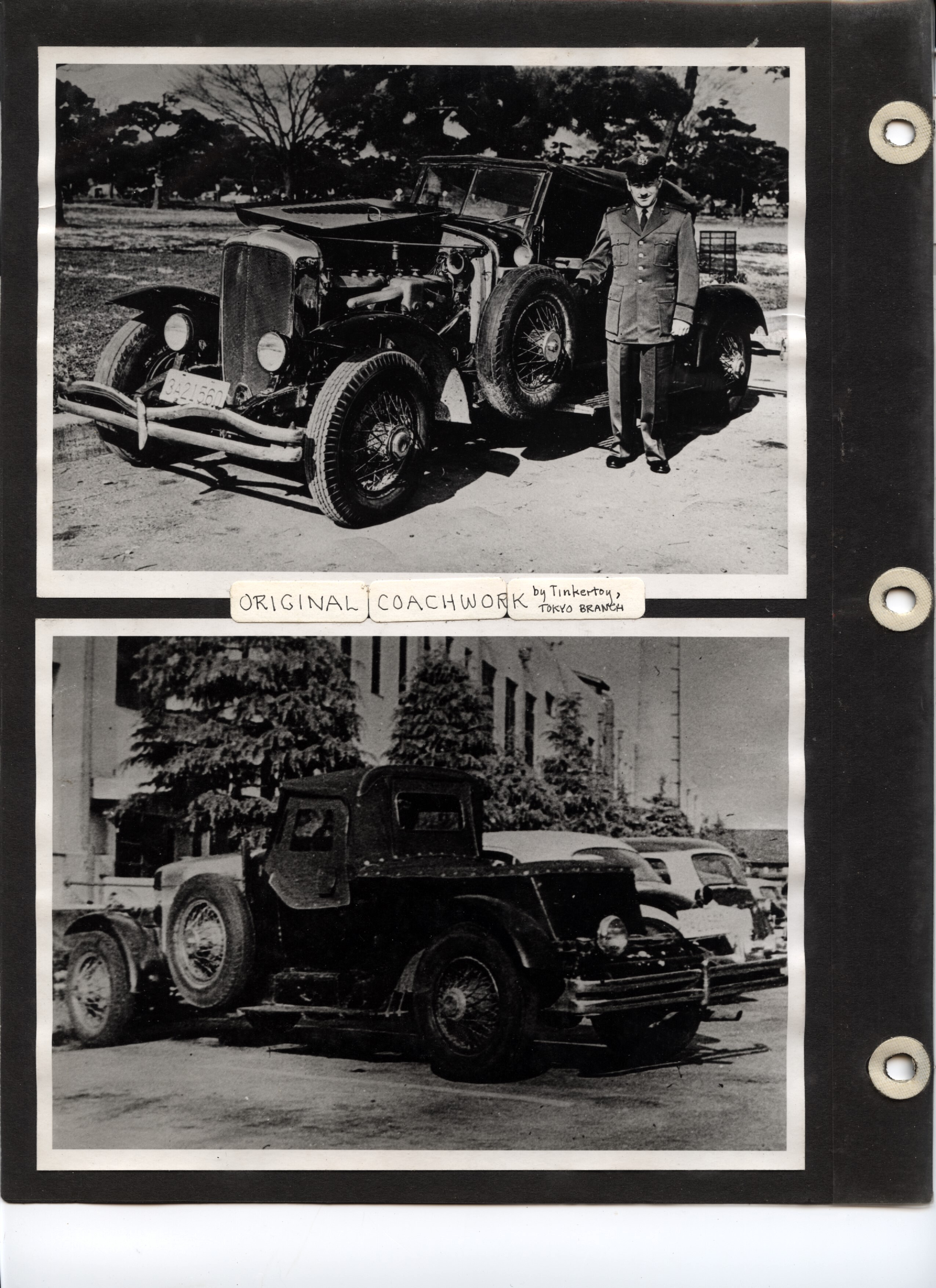
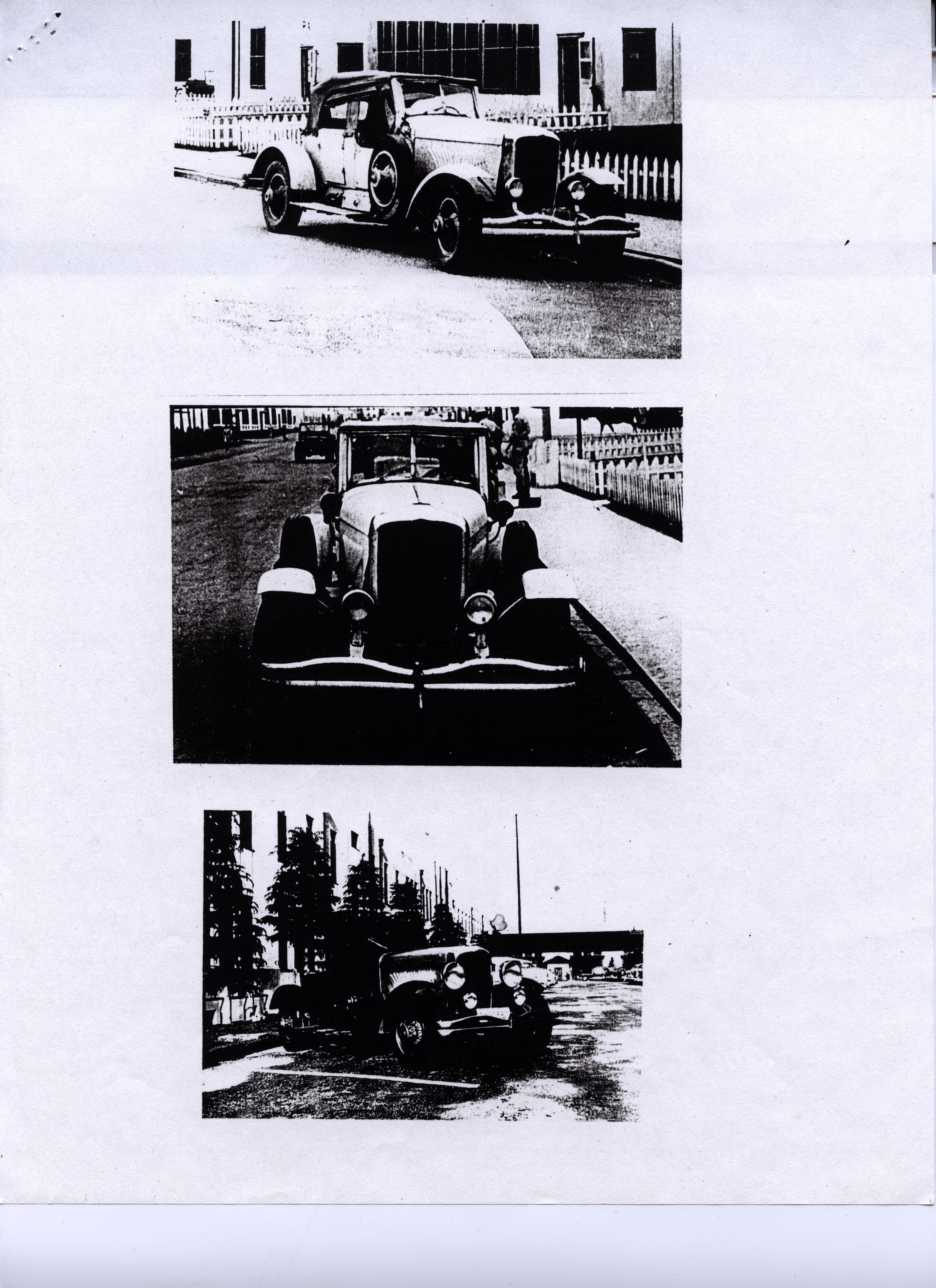
A Model J Duesenberg does not exist with a history quite so traveled or distinctive as the 1929 J-268. It was the only Duesenberg ever imported to Japan, shipped there in 1929 as only a rolling chassis through the Packard dealer, Mr. Soji Sikine. It was sold to a Japanese millionaire, prominent industrialist, and an important figure in the early electrical industry - Komakichi Fukuzawa of Tokyo. Unable to get foreign exchange during the Depression, Fukuzawa eventually created a make-shift body made by Tinkertoy in Tokyo with two seats so that he could use the car in the mornings for high-speed driving. Though he had four other vehicles, he was quite impressed with the Duesenberg.
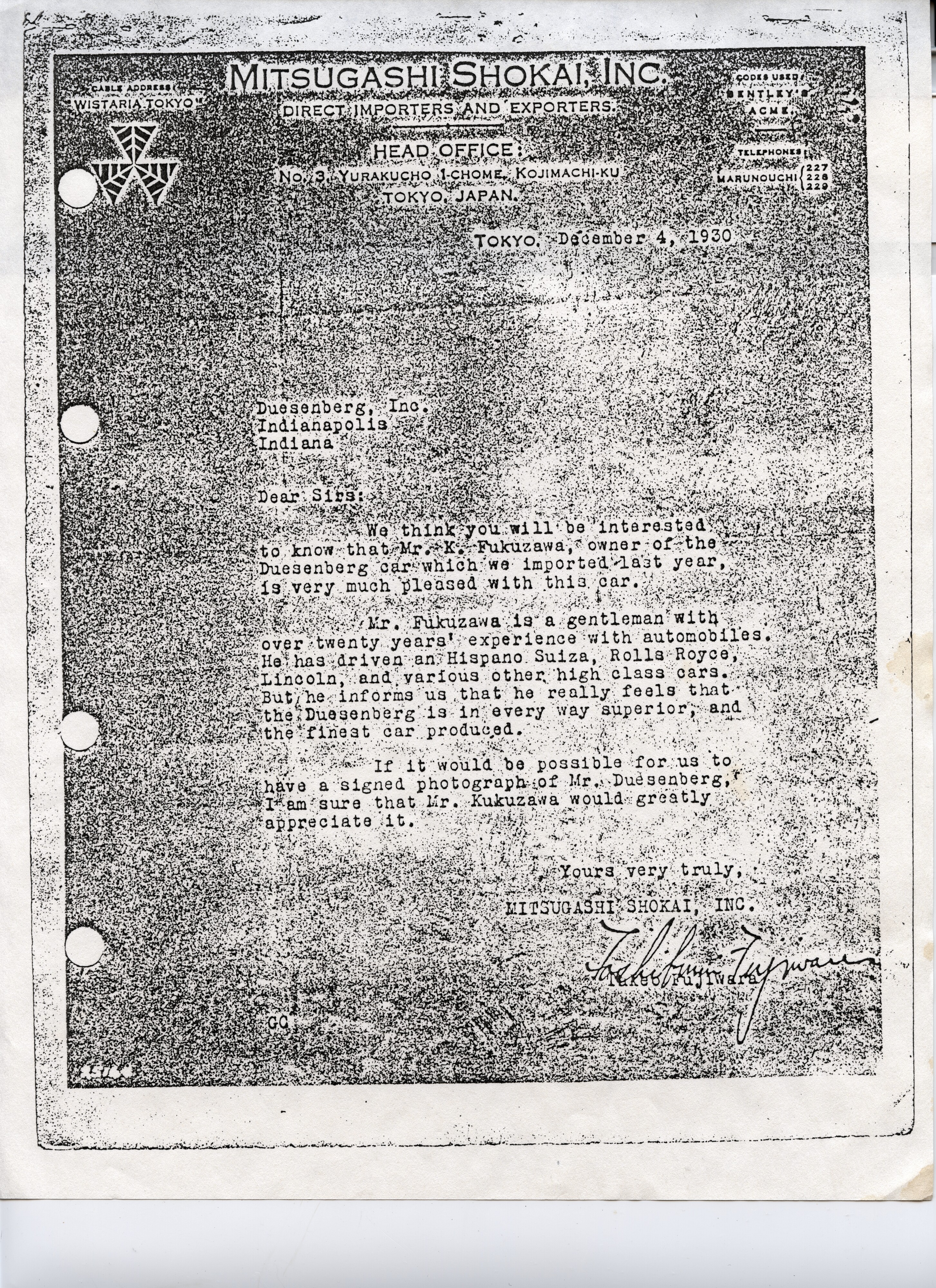
The car is mentioned on page 65 in Mr. J.L. Elbert’s book ‘Duesenberg, Mightiest American Motor Car’ published in 1951, “We think you will be interested to know that Mr. K. Fukuzawa, owner of the Duesenberg car which we imported last year, is very much pleased with his car,” wrote a Tokyo importing firm on December 4, 1930. “Mr. Fukuzawa is a gentleman with over twenty years’ experience with automobiles. He has driven an Hispano Suiza, Rolls Royce, and various other high class cars. But he informs us that he really feels that the Duesenberg is in every way superior, and the finest car produced.”
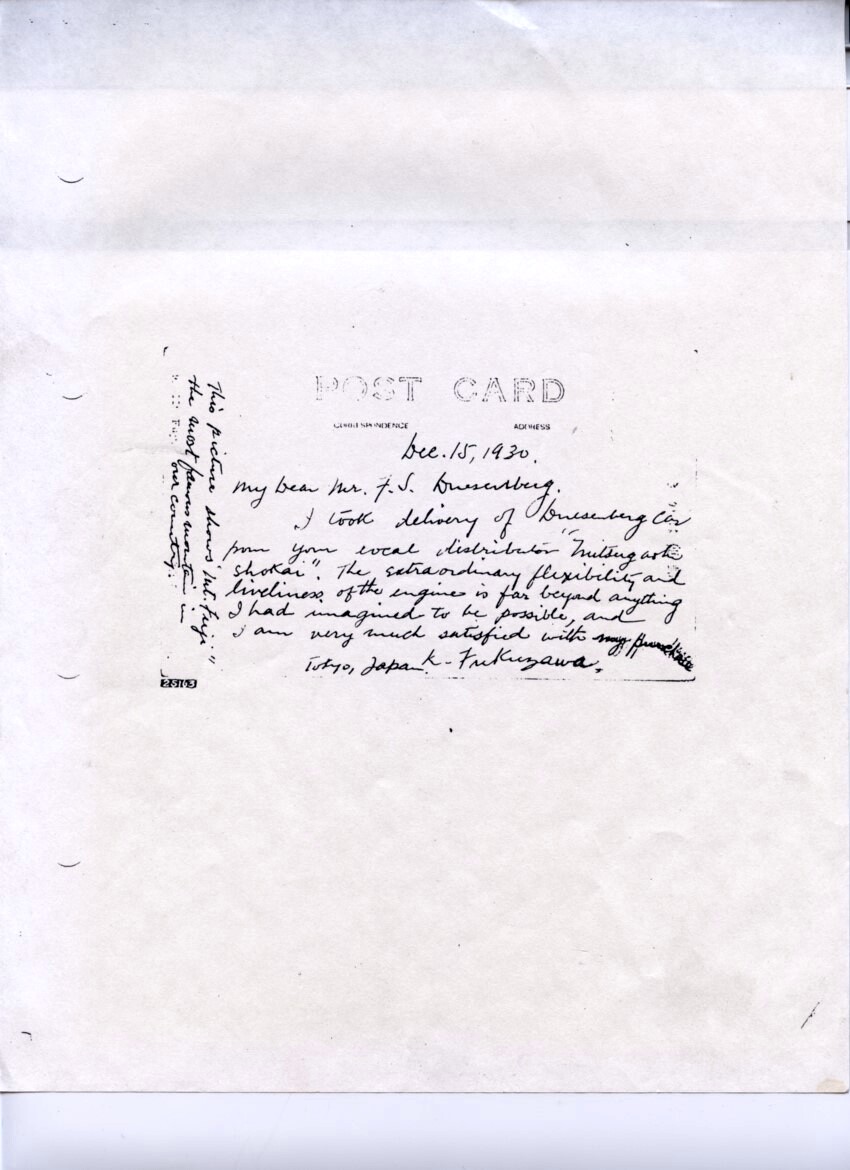
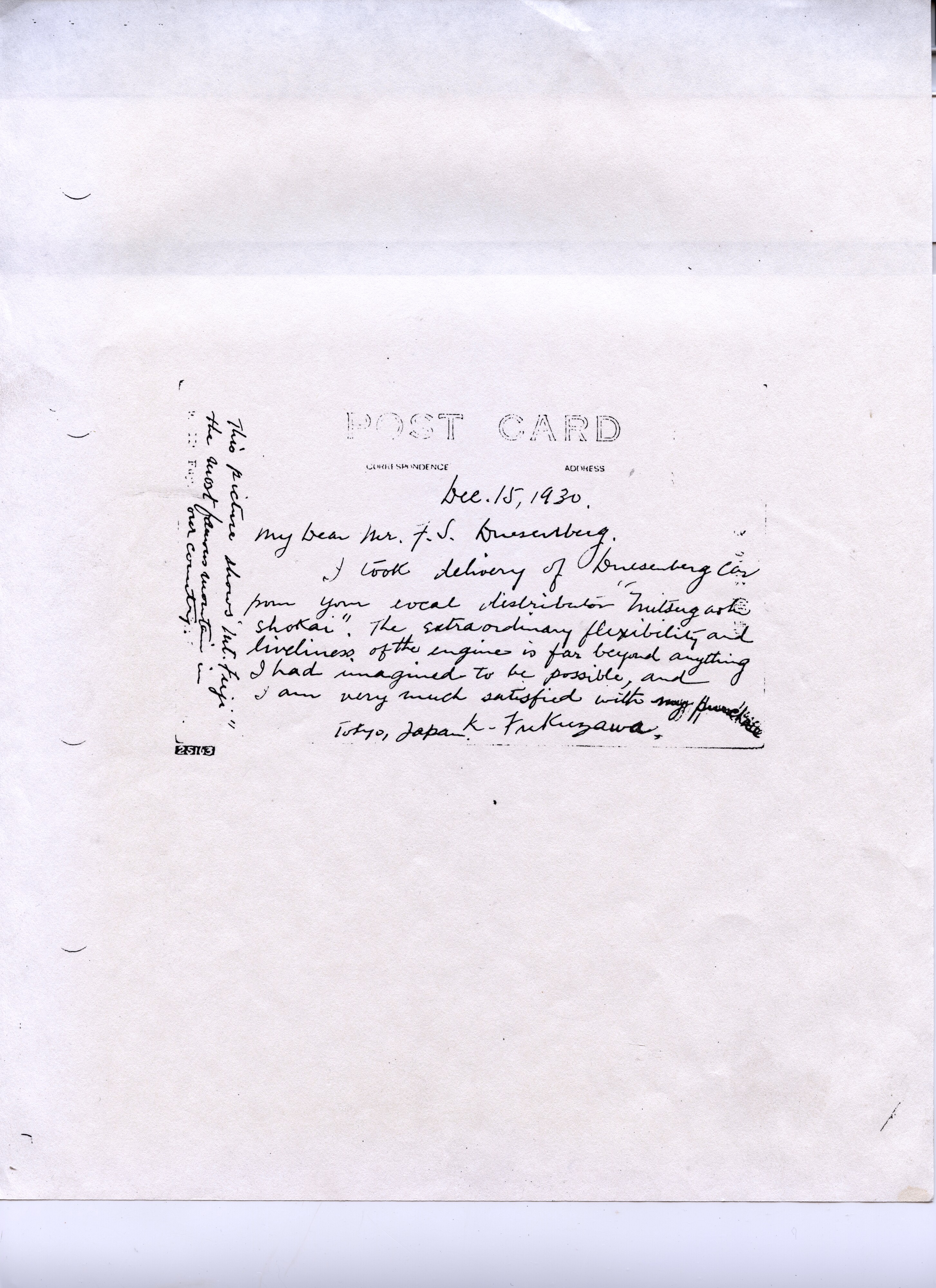
December 15th, 1930, Fukuzawa sent a postcard to Fred Duesenberg:
“My Dear Mr. F.S. Duesenberg,
I took delivery of Duesenberg Car from your local distributor… The extraordinary flexibility and drivelines of the engines is far beyond anything I had imagined to be possible, and I am very much satisfied with my Duesenberg.
K. Fukuzawa,
Tokyo, Japan”
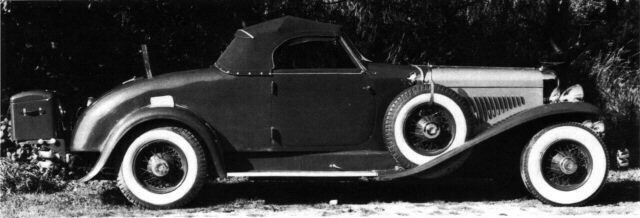
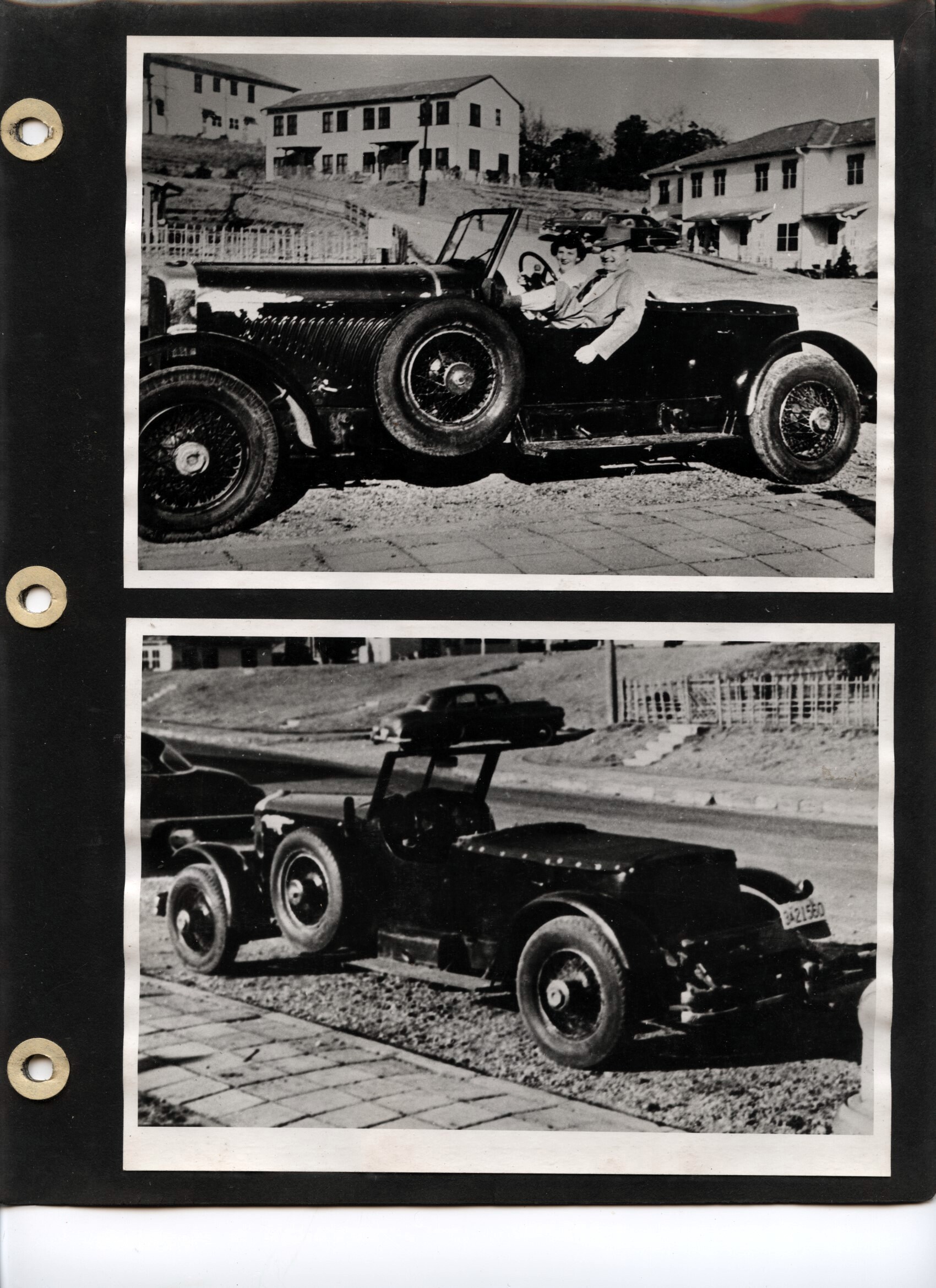
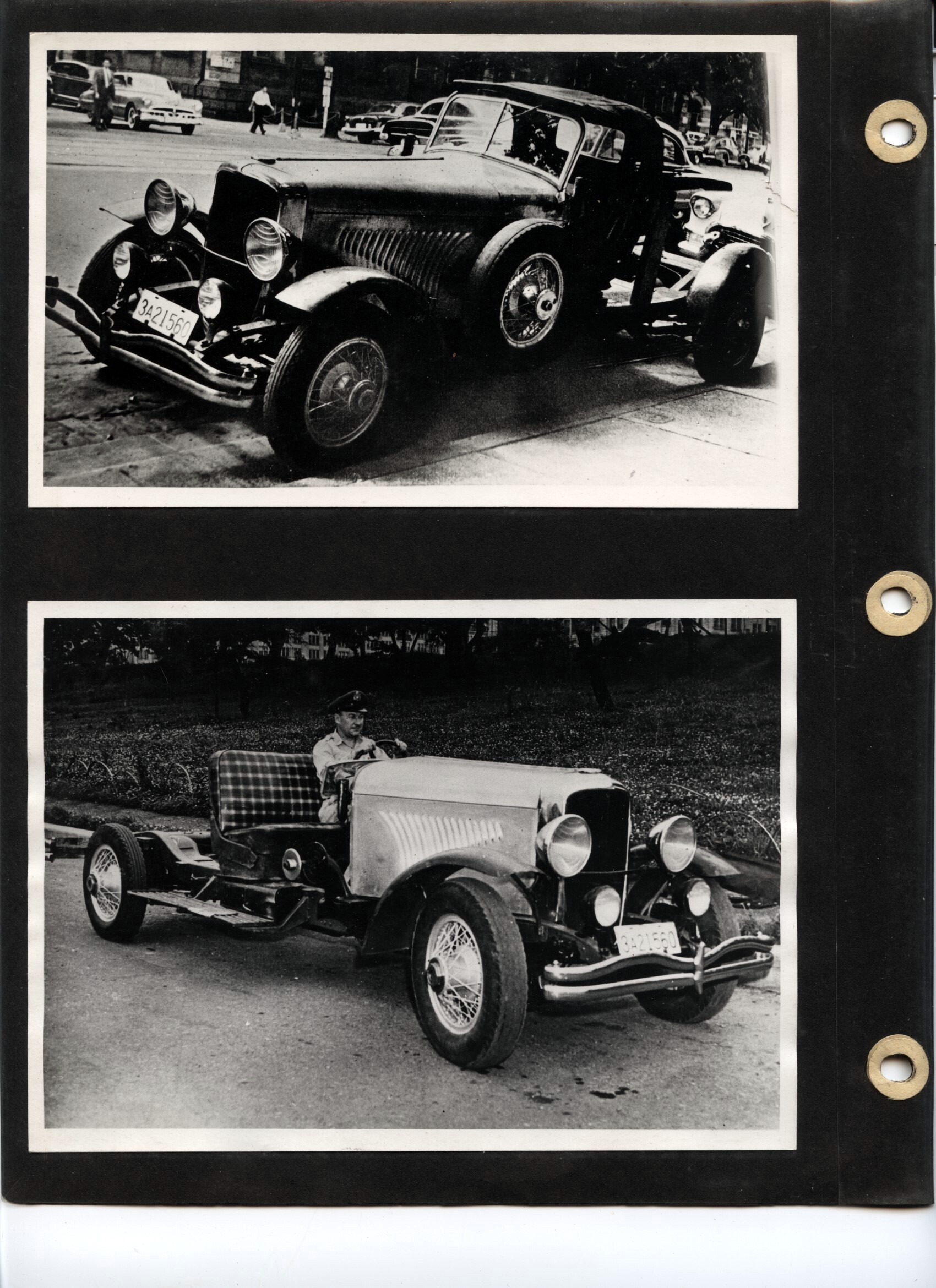
Gas rationing during the Sino-Japanese and then World War II caused J-268 to be stored for a dozen years. After Mr. Fukuzawa’s death, the car was acquired by his nephew, Mr. Tatshuhoru Okiyama, an honor graduate of the Japan Military Academy, in 1940. Around 1951, the car was sold briefly to Mr. Robert Burroughs of Sendai, Japan, and then to U.S. Servicemen Lt. McKim, a doctor at Chitose, Camp Crawford, Hokkaido, Japan. In January 1954, the car was sold to Sergeant 1st Class William J. Sonnenburg at Chitose. It wasn’t until September that the automobile met the man who would bring it to the next level, Captain Charles Halbrooks. He acquired the car from the Sergeant with 17,400 miles on it and immediately put a new top on it. In the spring, he replaced the crude and worn body with another homemade and crude speedster body.
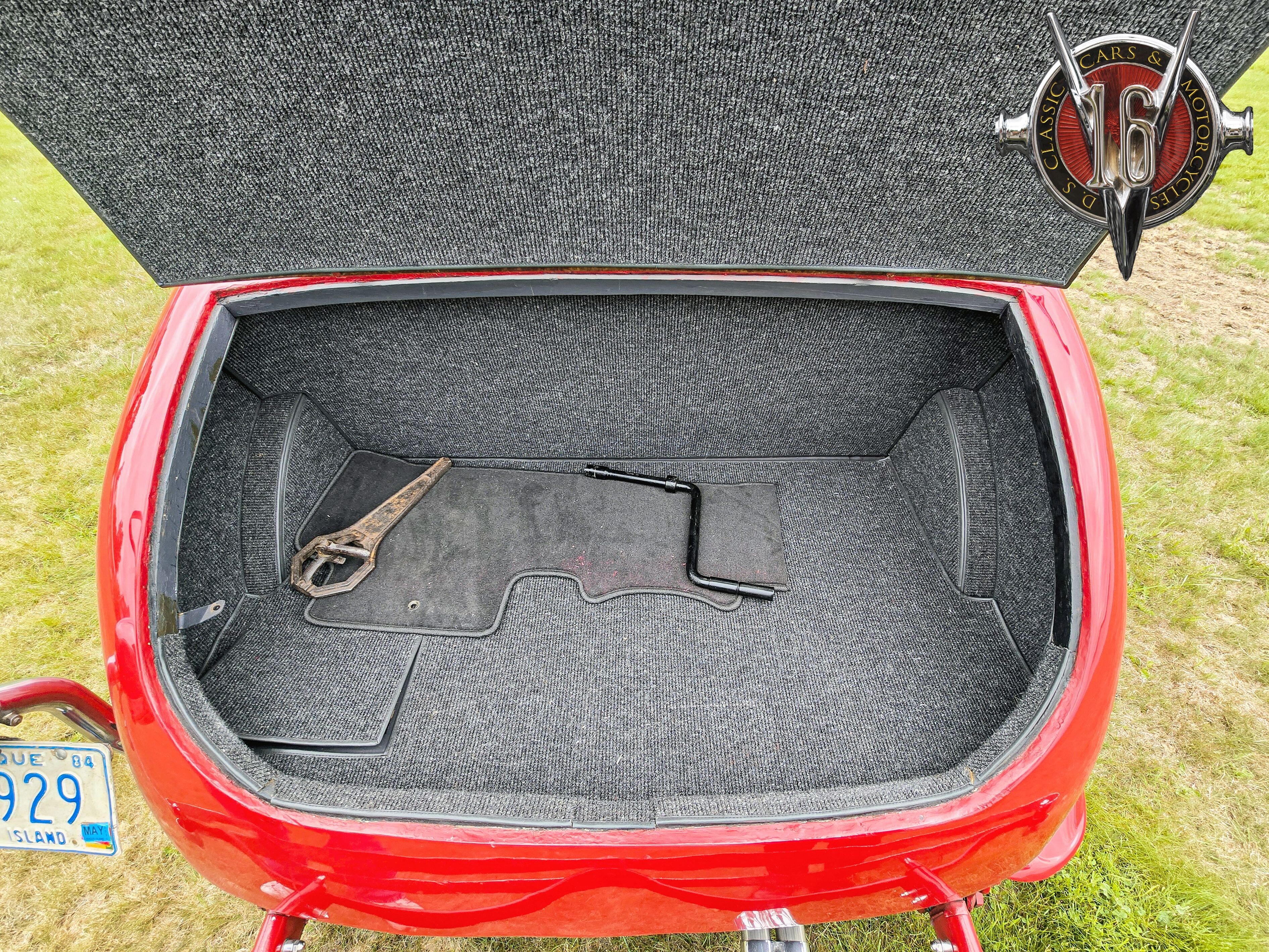
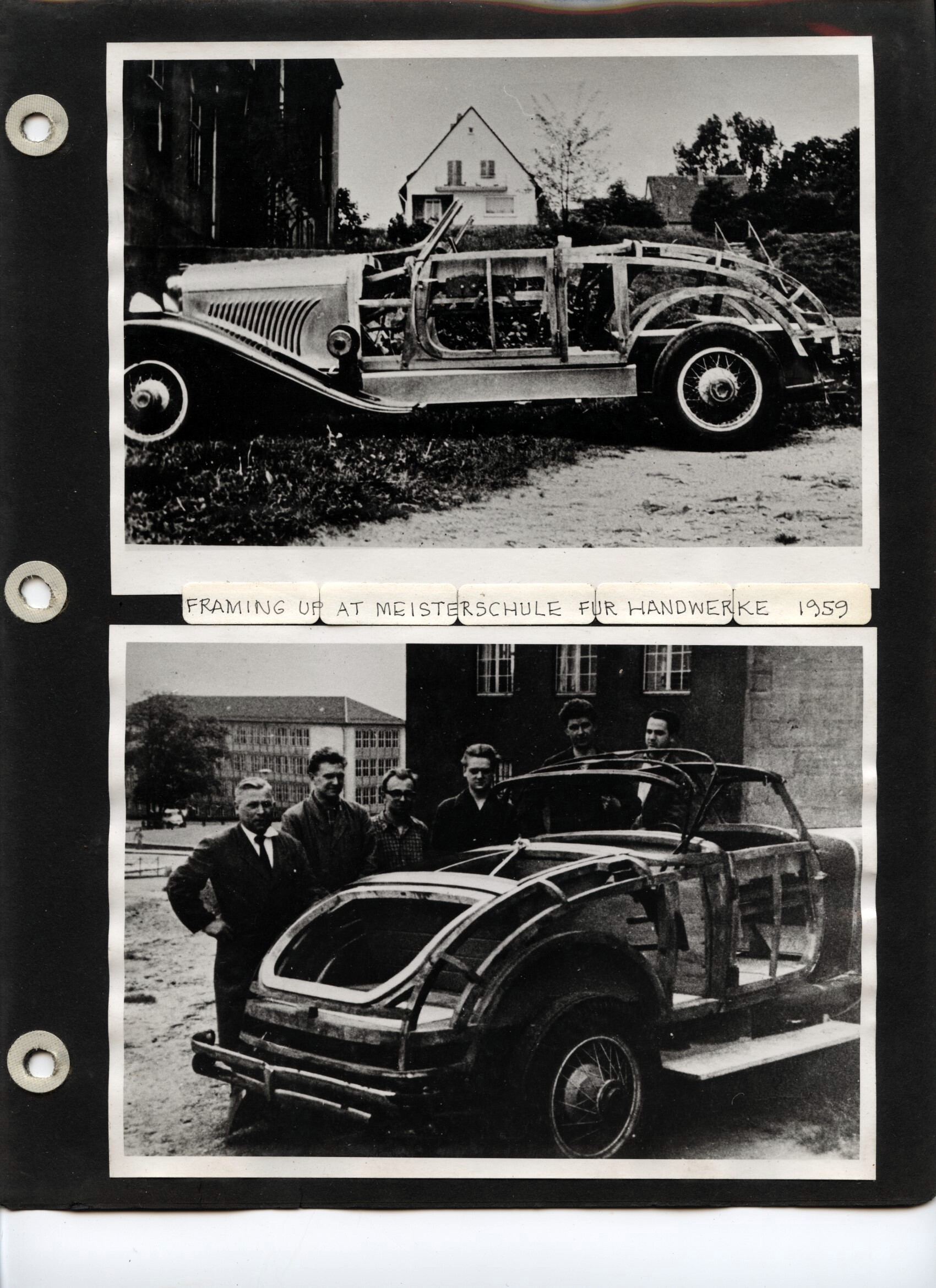
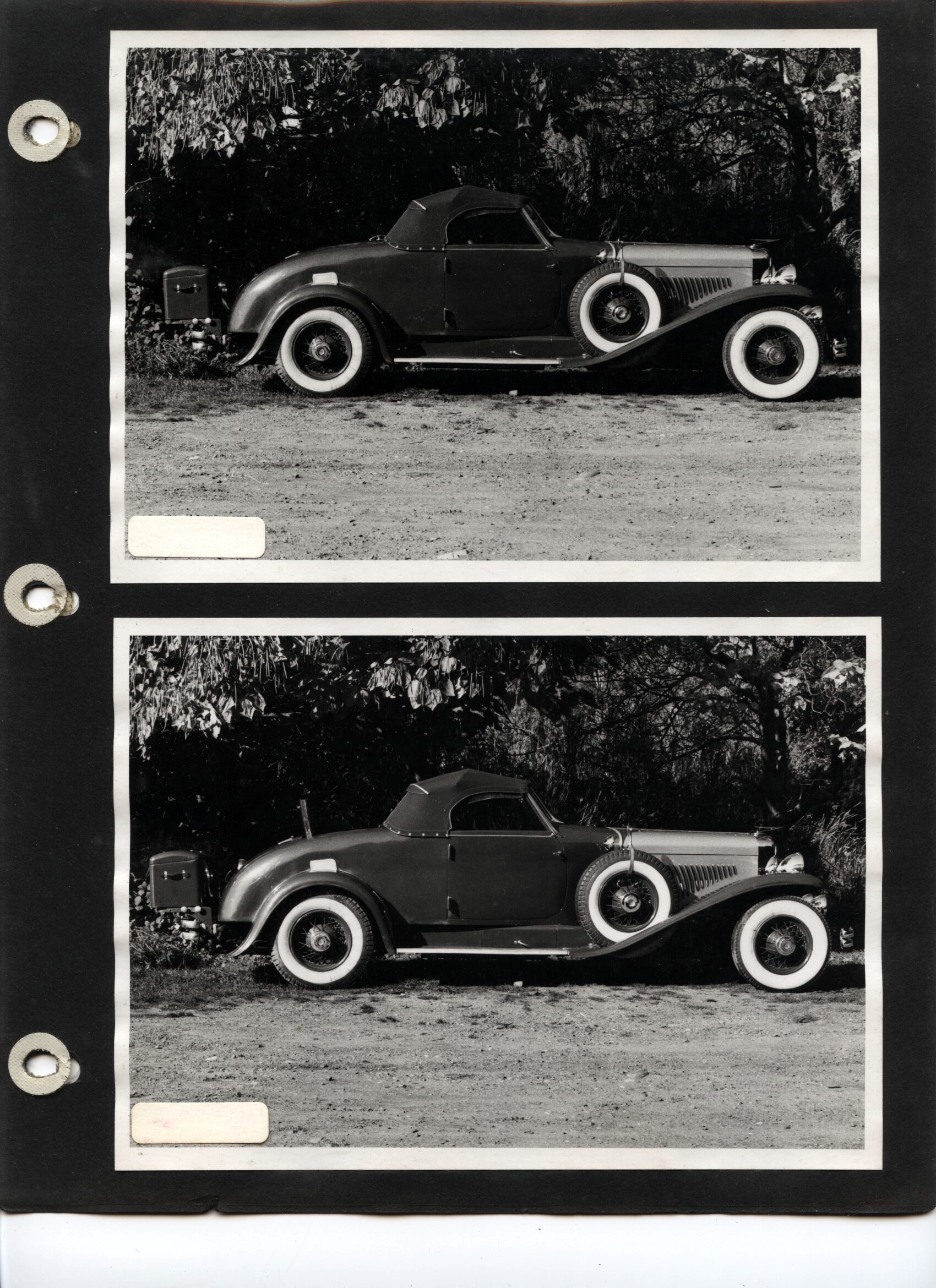
Ray Wolff, the noted Duesenberg historian, quoted J-268 as being the last Duesenberg bodied, but these construc tions were not that. The car returned home to the United States with Captain Halbrooks and was then shipped to Landstuhl, Germany, in 1958 when he became stationed there. After many attempts to locate someone capable of creating the body the J-268 deserved, Halbrooks met Prof. Wilhelm Holfermann of Meiterschule fur Handwerke Kaiserslautern, a Master craftsman’s school, in 1959. Holfermann and his students would fit chassis #2290 with all-steel sheathed permanent coachwork. This Duesenberg body is as rare as it gets - fully custom and complete with both a rumble seat and a trunk, an unusual combination.
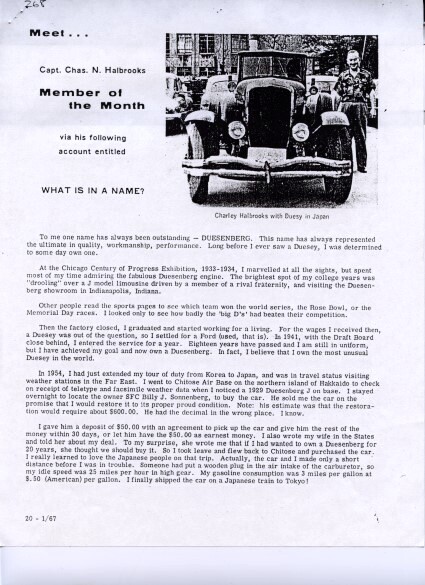
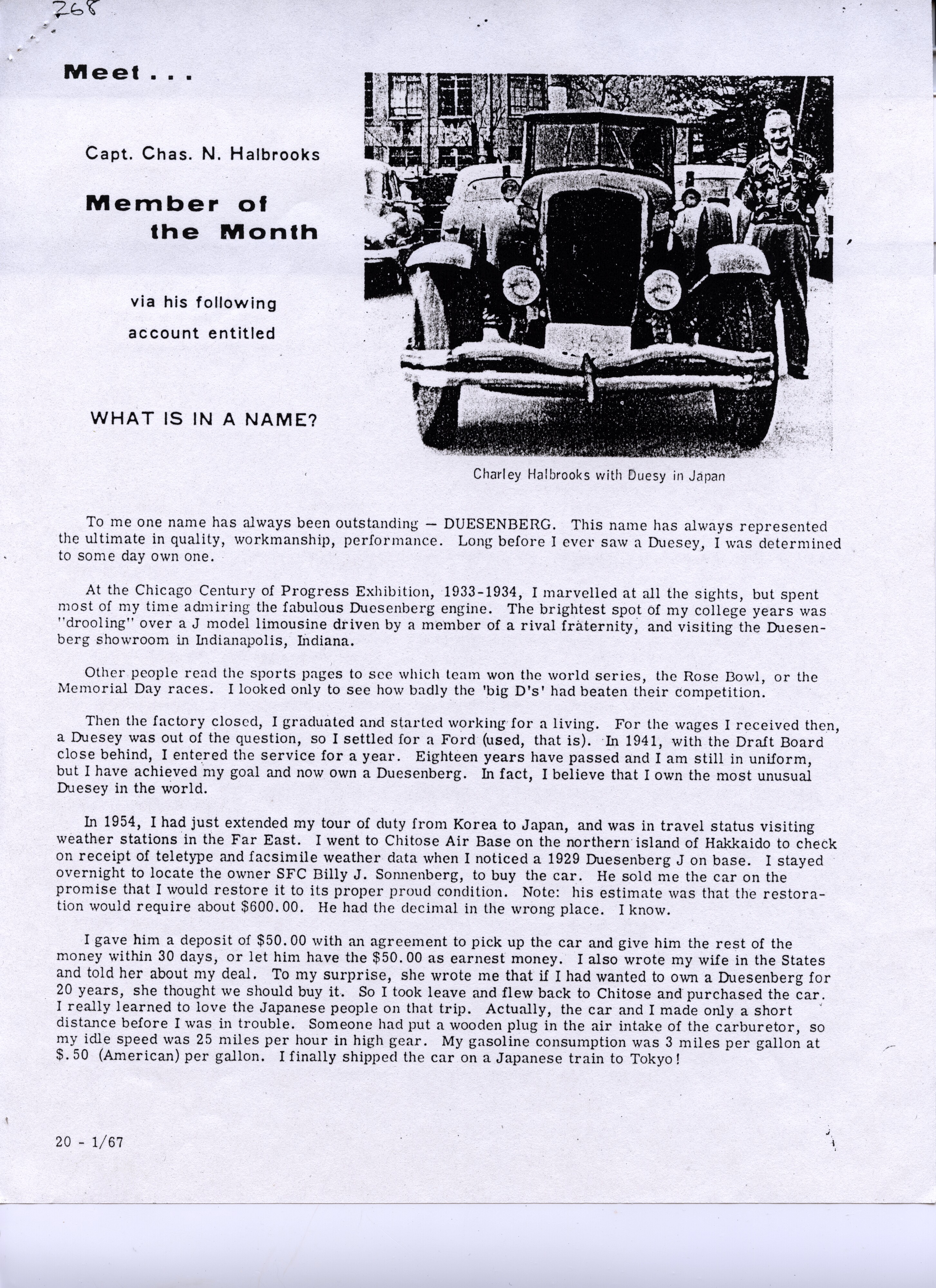
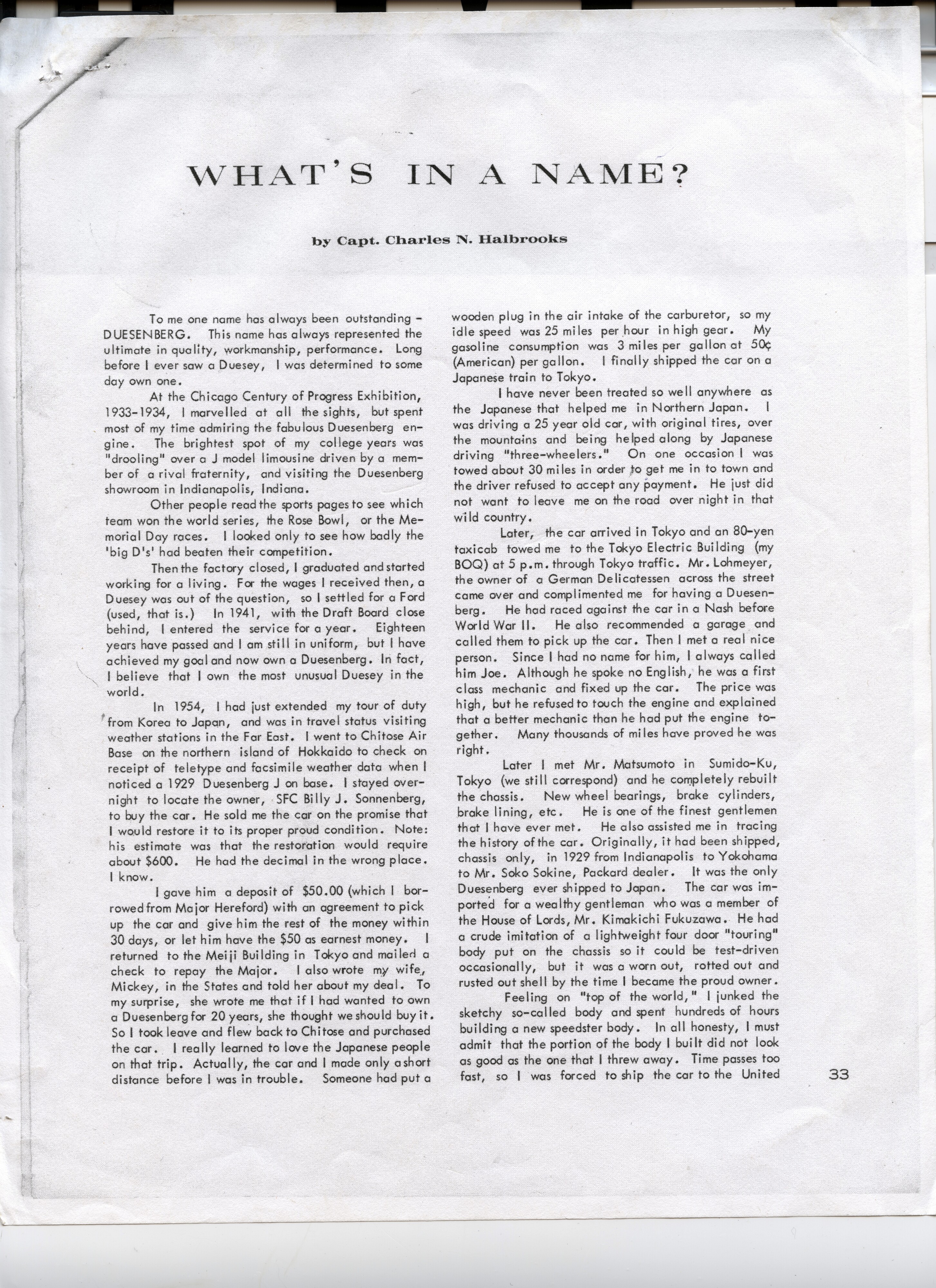
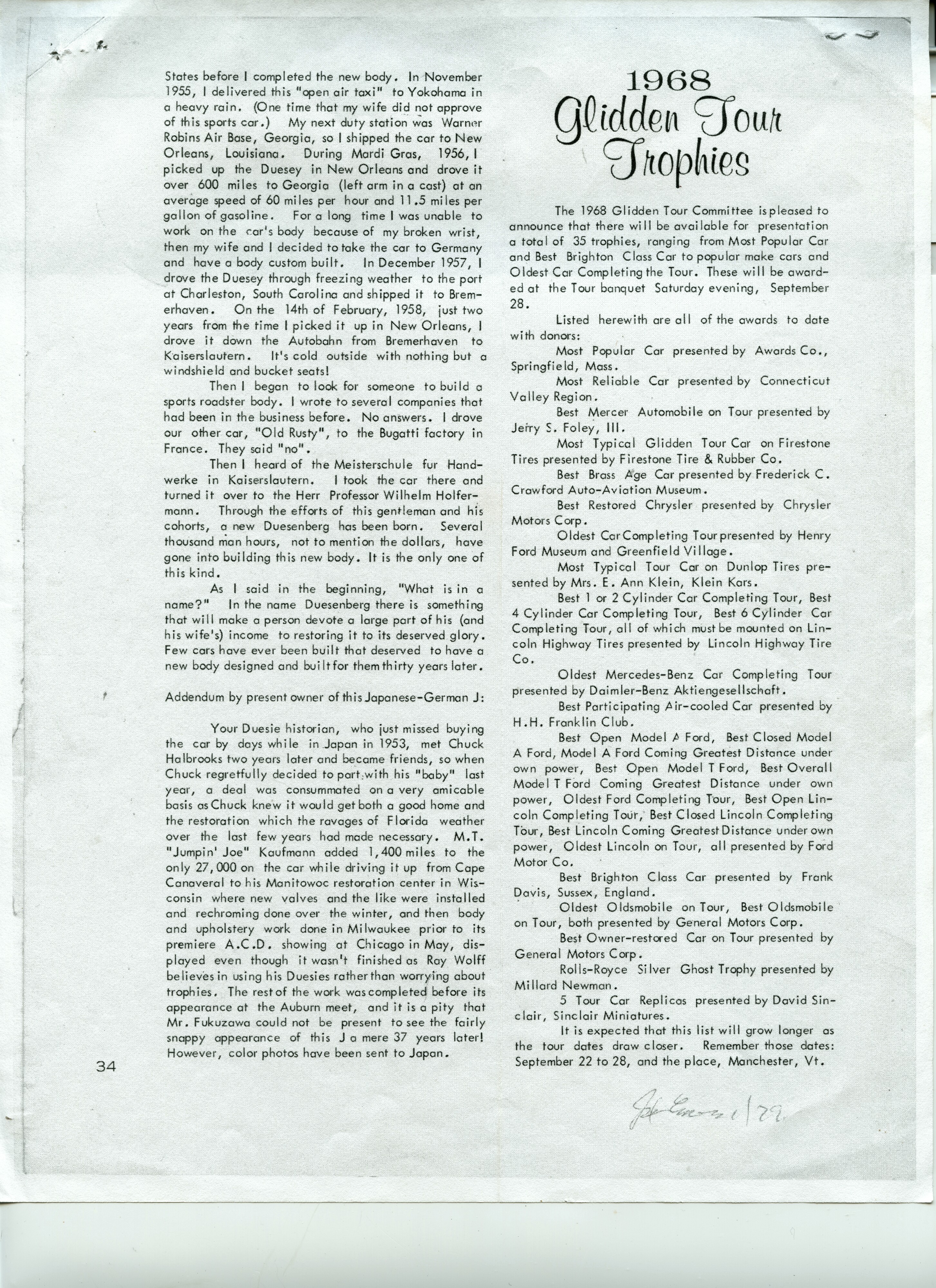
Charles Halbrooks writes in an Auburn-Cord-Duesenberg Club Newsletter:
“Meet… Capt. Chas. N. Halbrooks:
Member of the Month:
“What is in a Name?”
“To me one name has always been outstanding - DUESENBERG. This name has always represented the ultimate in quality, workmanship, performance. Long before I ever saw a Duesey, I was determined to some day own one.
At the Chicago Century of Progress Exhibition, 1933-1934, I marvelled at all the sights, but spent most of my time admiring the fabulous Duesenberg engine. The brightest spot of my college years was “drooling” over a J model limousine driven by a member of a rival fraternity, and visiting the Duesenberg showroom in Indianapolis, Indiana.
Other people read the sports pages to see which team won the world series, the Rose Bowl, or the Memorial Day races. I looked only to see how badly the ‘big D’s’ had beaten their competition.
Then the factory closed, I graduated and started working for a living. For the wages I received then, a Duesey was out of the question, so I settled for a Ford (used, that is). In 1941, with the Draft Board close behind, I entered the service for a year. Eighteen years have passed and I am still in uniform, but I have achieved my goal and now own a Duesenberg. In fact, I believe that I own the most unusual Duesy in the world.
In 1954, I had just extended my tour of duty from Korea to Japan, and was in travel status visiting weather stations in the Far East. I went to Chitose Air Base on the northern island of Hakkaldo to check on receipt of teletype and facsimile weather data when I noticed a 1929 Duesenberg J on base. I stayed overnight to locate the owner SFC Billy J. Sonnenerg, to buy the car. He sold me the car on the promise that I would restore it to its proper proud condition. Note: his estimate was that the restoration would require about $600.00. He had the decimal in the wrong place, I know.
I gave him a deposit of $50.00 with an agreement to pick up the car and give him the rest of the money within 30 days, or let him have the $50.00 as earnest money. I also wrote my wife in the States and told her about my deal. To my surprise, she wrote me that if I had wanted to own a Duesenberg for 20 years, she thought we should buy it. So I took leave and flew back to Chitose and purchased the car. I really learned to love the Japanese people on that trip.
Actually, the car and I made only a short distance before I was in trouble. Someone had put a wooden plug in the air intake of the carburetor, so my idle speed was 25 miles per hour in high gear. My gasoline consumption was 3 miles per gallon at $.50 (American) per gallon. I finally shipped the car on a Japanese train to Tokyo.
I have never been treated so well anywhere as the Japanese that helped me in Northern Japan. I was driving a 25 year old car, with original tires, over the mountains and being helped along by Japanese driving “three-wheelers.” On one occasion I was towed about 30 miles in order to get me in to town and the driver refused to accept any payment. He just did not want to leave me on the road over night in that wild country.
Later, the car arrived in Tokyo and an 80-yen taxicab towed me to the Tokyo Electric Building (my BOQ) at 5 p.m. through Tokyo traffic. Mr. Lohmeyer, the owner of a German Delicatessen across the street came over and complimented me for having a Duesenberg. He had raced against the car in a Nash before World War II. He also recommended a garage and called them to pick up the car. Then I met a real nice person. Since I had no name for him, I always called him Joe. Although he spoke no English, he was a first class mechanic and fixed up the car. The price was high, but he refused to touch the engine and explained that a better mechanic than he had put the engine together. Many thousands of miles have proved he was right.
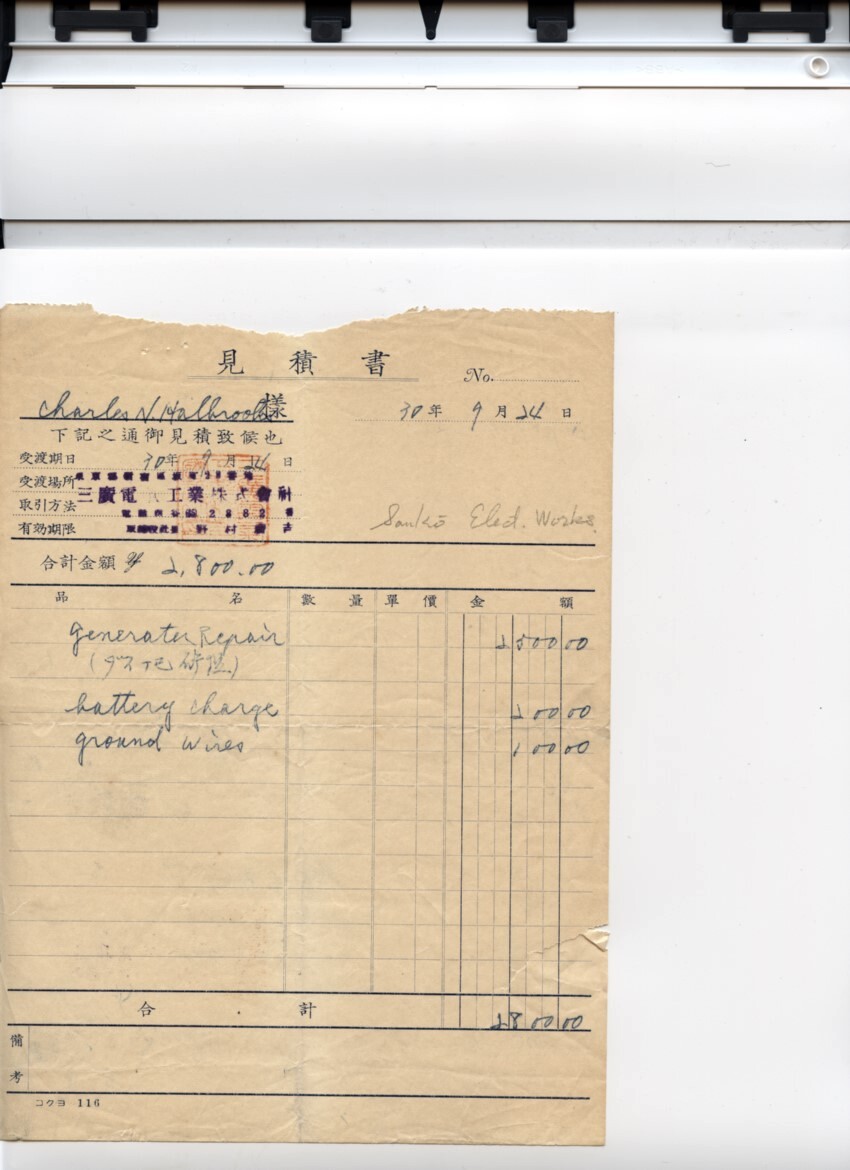
Later I met Mr. Matsumoto in Sumido-Ku, Tokyo (we still correspond) and he completely rebuilt the chassis. New wheel bearings, brake cylinders, brake lining, etc. He is one of the finest gentlemen that I have ever met. He also assisted me in tracing the history of the car. Originally, it had been shipped, chassis only, in 1929 from Indianapolis to Yokohama to Mr. Soko Sakine, Packard dealer. It was the only Duesenberg ever shipped to Japan. It was imported for a wealthy gentleman who was a member of the House of Lords, Mr. Kimakichi Fukuzawa. He had a crude imitation of a lightweight four door “touring” body put on the chassis so it could be test-driven occasionally, but it was a worn out, rotted out and rusted out shell by the time I became the proud owner.
Feeling on “top of the world,” I junked the sketchy so-called body and spent hundreds of hours building a new speedster body. In all honesty, I must admit that the portion of the body I built did not look as good as the one that I threw away. Time passes too fast, so I was forced to ship the car to the United States before I completed the new body. In No vember 1955, I delivered this “open air taxi” to Yokohama in a heavy rain. (One time that my wife did not approve of this sports car). My next duty station was Warner Robins Air Base, Georgia, so I shipped the car to New Orleans, Louisiana. During Mardi Gras, 1956, I picked up the Duesy in New Orleans and drove it over 600 miles to Georgia (left arm in a cast) at an average speed of 60 miles per hour and 11.5 miles per gallon of gasoline. For a long time I was unable to work on the car’s body because of my broken wrist, then my wife and I decided to take the car to Germany and have a body custom built. In December 1957, I drove the Duesy through freezing weather to the port at Charleston, South Carolina and shipped it to Bremerhaven. On the 14th of February, 1958, just two years from the time I picked it up in New Orleans, I drove it down the Autobahn from Bremerhaven to Kaiserslautern. It’s cold outside with nothing but a windshield and bucket seats!
Then I began to look for someone to build a sports roadster body. I wrote several companies that had been in the business before. No answers. I drove our other car, “Old Rusty,” to the Bugatti factory in France. They said “no.”
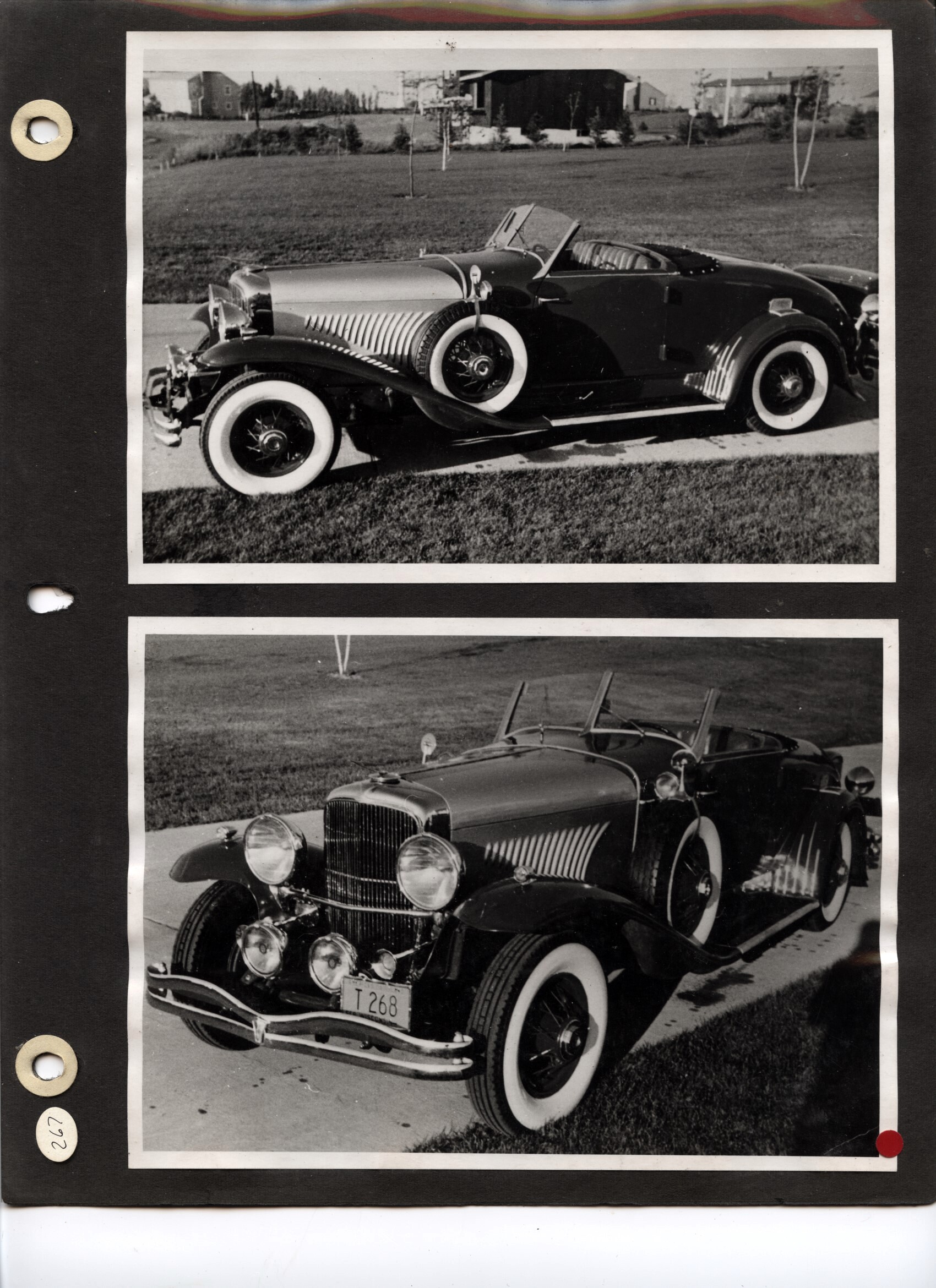
Then I heard of the Meisterschule fur Handwerke in Kaiserslautern. I took the car there and turned it over to Herr Professor Wilhelm Holfermann. Through the efforts of this gentleman and his cohorts, a new Duesenberg has been born. Several thousand man hours, not to mention the dollars, have gone into building this new body. It is the only one of this kind.
As I said in the beginning, “What is in a name?” In the name Duesenberg there is something that will make a person devote a large part of his (and his wife’s) income to restoring it to its deserved glory. Few cars have ever been built that deserved to have a new body designed and built for them thirty years later.
Addendum by present owner [Ray Wolff] of this Japanese-German J:
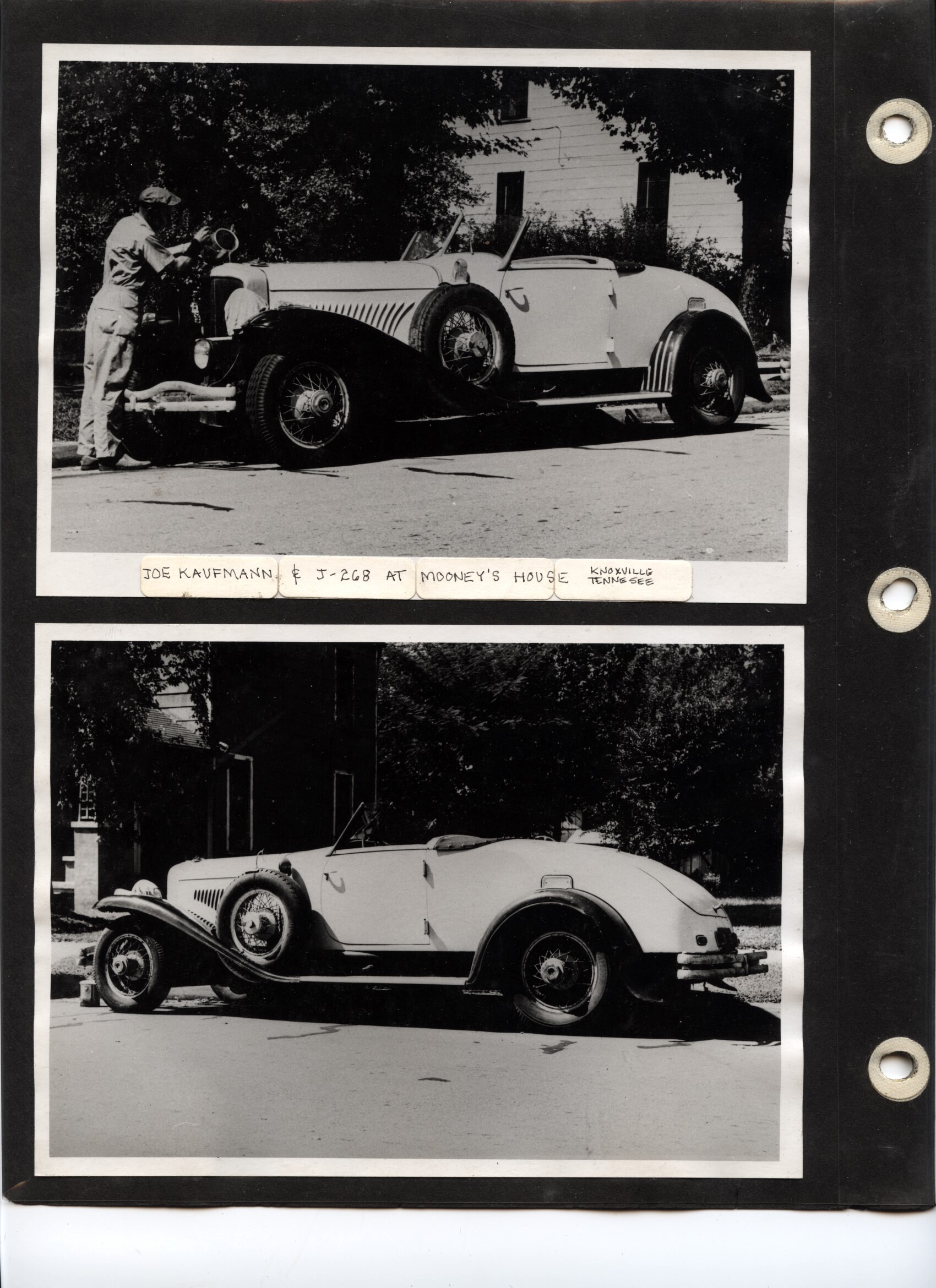
Your Duesie historian, who just missed buying the car by days while in Japan in 1953, met Chuck Halbrooks two years later and became friends, so when Chuck regretfully decided to part with his “baby” last year, a deal was consummated on a very amicable basis as Chuck knew it would get both a good home and the restoration which the ravages of Florida weather over the last few years had made necessary. M. T. “Jumpin’ Joe” Kaufmann added 1,400 miles to the only 27,000 on the car while driving it up from Cape Canaveral to his Manitowoc restoration center in Wisconsin where new valves and the like were installed and rechroming done over the winter, and then body and upholstery work done in Milwaukee prior to its premiere A.C.D. showing at Chicago in May, displayed even though it wasn’t finished as Ray Wolff believes in using his Duesies rather than worrying about trophies. The rest of the work was completed before its appearance at the Auburn meet, and it is a pity that Mr. Fukuzawa could not be present to see the fairly snappy appearance of this J a mere 37 years later! However, color photos have been sent to Japan.”
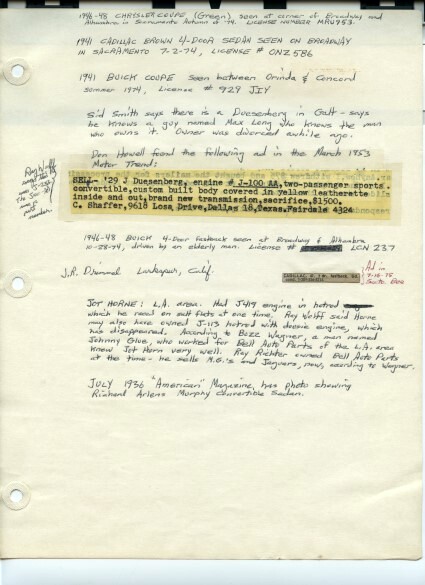
In 1960, they returned to the United States, but by 1965, the Floridian saltwater air had the J-268 in need of restoration. It had caught the eye of Ray Wolff, the Duesenberg historian for the Auburn-Cord-Duesenberg Club, and he purchased it from Halbrooks.
From the Auburn Cord Duesenberg Club Newsletter (No. 2, 1973):
“Dementia Duesenberg
Auto-Biography by Raymond A. Wolff
“...I started out in 1948 with a classic Graham-Paige and it took me seven years to work up to a Duesie. Boyhood memories of “America’s Mightiest Motorcar” stirred my desire and a 1950 article, “The Big D,” by John Bentley, really set me agog! Then a bit later I discovered Elbert’s superb book on the marque, a masterpiece which still enthralls me, and I was really “bitten by the bug.”
In 1952 I became a charter member of both the Auburn-Cord-Duesenberg Club and Classic Car Club of America and have served as an officer of both clubs. Perhaps I should mention that I enjoy and appreciate all old and fine cars regardless of year, and have been a member of many national clubs. I should like to also add that I’ve owned quite a variety of cars over the years, but never many at one time. Currently I only own a 1922 Mercer Raceabout, a 1929 Duesenberg, an Aston-Martin, and an Avanti, i.e. an antique, a classic and a couple of modern collector’s items.
…Once inspired in 1950 to own a J. Duesenberg, I carried on extensive correspondence for five years with everyone who advertised one, and every owner whose name I could learn, trying to buy one, and of course it HAD to be an open model. Fortunately the data acquired was invaluable later on when I became the Duesenberg Historian for ACD. At any rate, my voluminous letterwriting finally caused a comment to come to my ears, to the effect that, “that guy just writes letters, he’ll never buy a Duesie.” That did it! I rushed out and paid down on THREE Duesenbergs!...
I might interject that my restoration aims are not to win trophies but merely to give a respectable exterior and mechanical excellence. My classic cars can be (and are) driven anywhere, any time of the year, and at any speed.”
J-268 was pale yellow at the time Wolff acquired it, and he would go on to have it painted red and thoroughly restored in Wisconsin by Joe Kaufmann. When restoration costs began to mount in 1967, he sold it to Jim Southard in Marshfield, Wisconsin. A year or two later, Southard sold it to Jeff James Caves of Sacramento, CA.
From the Auburn Cord Duesenberg Club Newsletter:
‘A Duesie That Really Gets Around!’
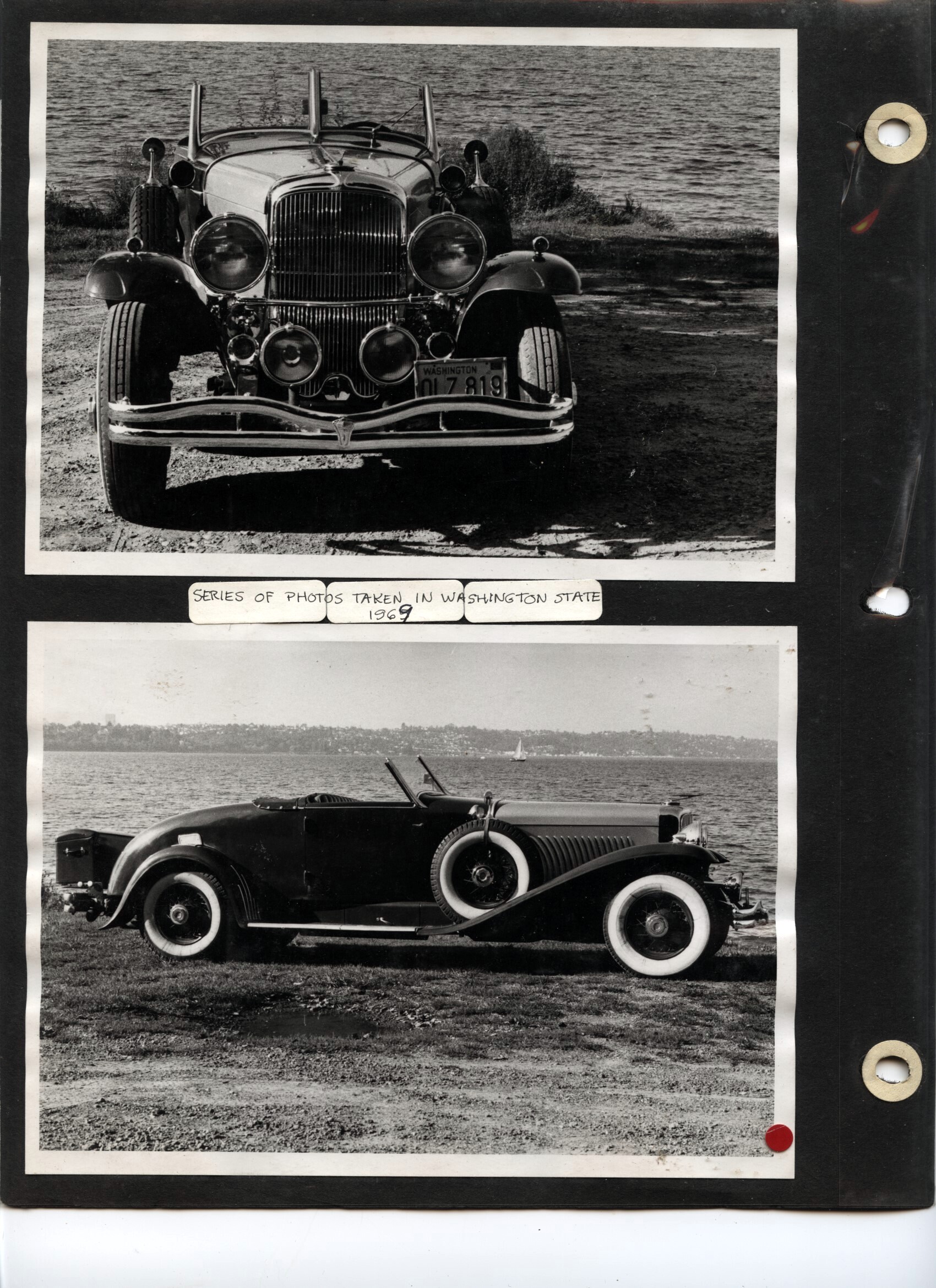
“A new long distance record for a 40 year old Duesenberg has just been set by Jeff Caves of Seattle, with J-268, the German-bodied convertible coupe. He put on almost exactly 5,000 miles in one month, to reach 36,946 miles on the odomoeter, having picked it up at Joe Kaufmann’s in Manitowoc, Wisconsin where it had been stored for seven months, then commuted back and forth to Ohio and Kentucky (he won the North-South long distance trophy at Oakbrooks for that) before taking off for the West Coast. This is the car which formerly had travelled more by water than on land - what with having traversed the Atlantic, Caribbean and Pacific to Japan and back and then the Atlantic to Germany and back! (R.W.)”
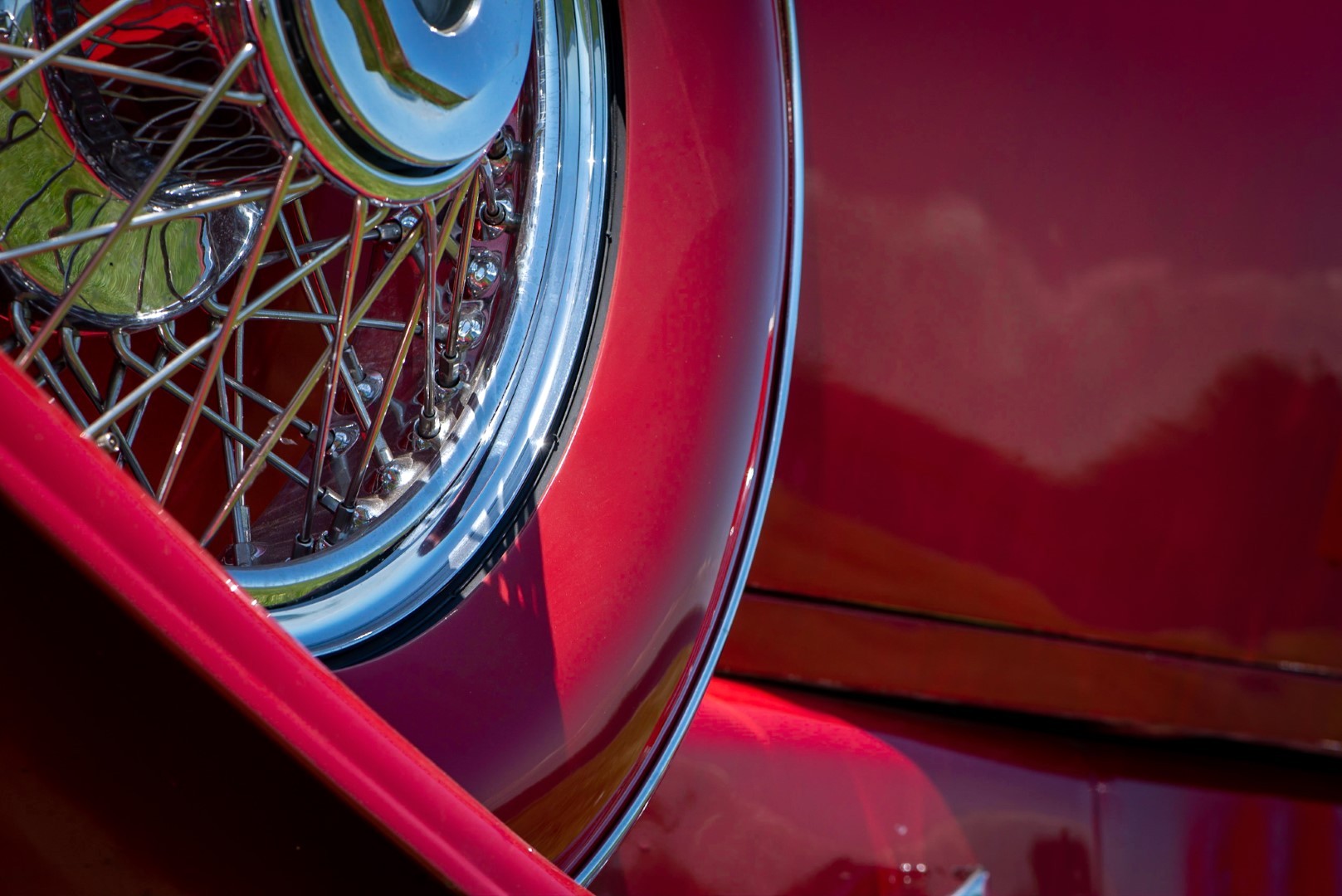
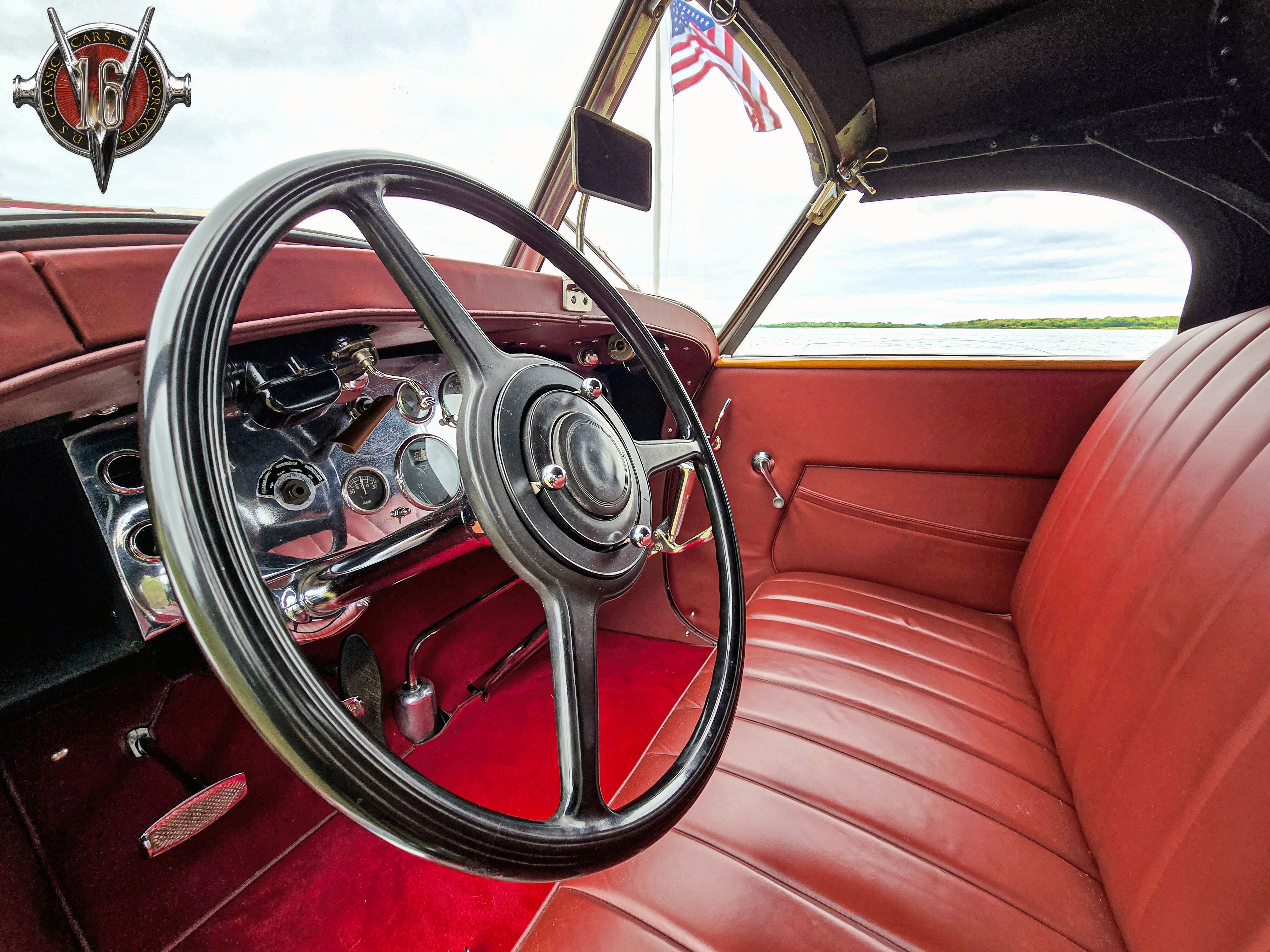
Jeff Caves kept extensive records of his upkeep and fascination with J-268, as did Charles Halbrooks and Ray Wolff. Boxes of provenance contain glimpses into the story of this one-of-a-kind vehicle. Now under the care and in the collection of Dick Shappy since 2018, no cost has been spared in its upkeep. A complete engine rebuild was recently completed by Brian Joseph of Classic & Exotic Service and Tim Purrier of Straight Eight in Troy, Michigan. The upholstery and top have been completed by master upholsterer Nick Pitcu of Wakefield, RI, and J-268 shines once again in a fresh coat of cherry red paint.
The next chapters for J-268 contain shows and awards, the perfect vehicle to adorn any Concours d’Elegance’s lawn or to turn heads on the highway.
DUESENBERG
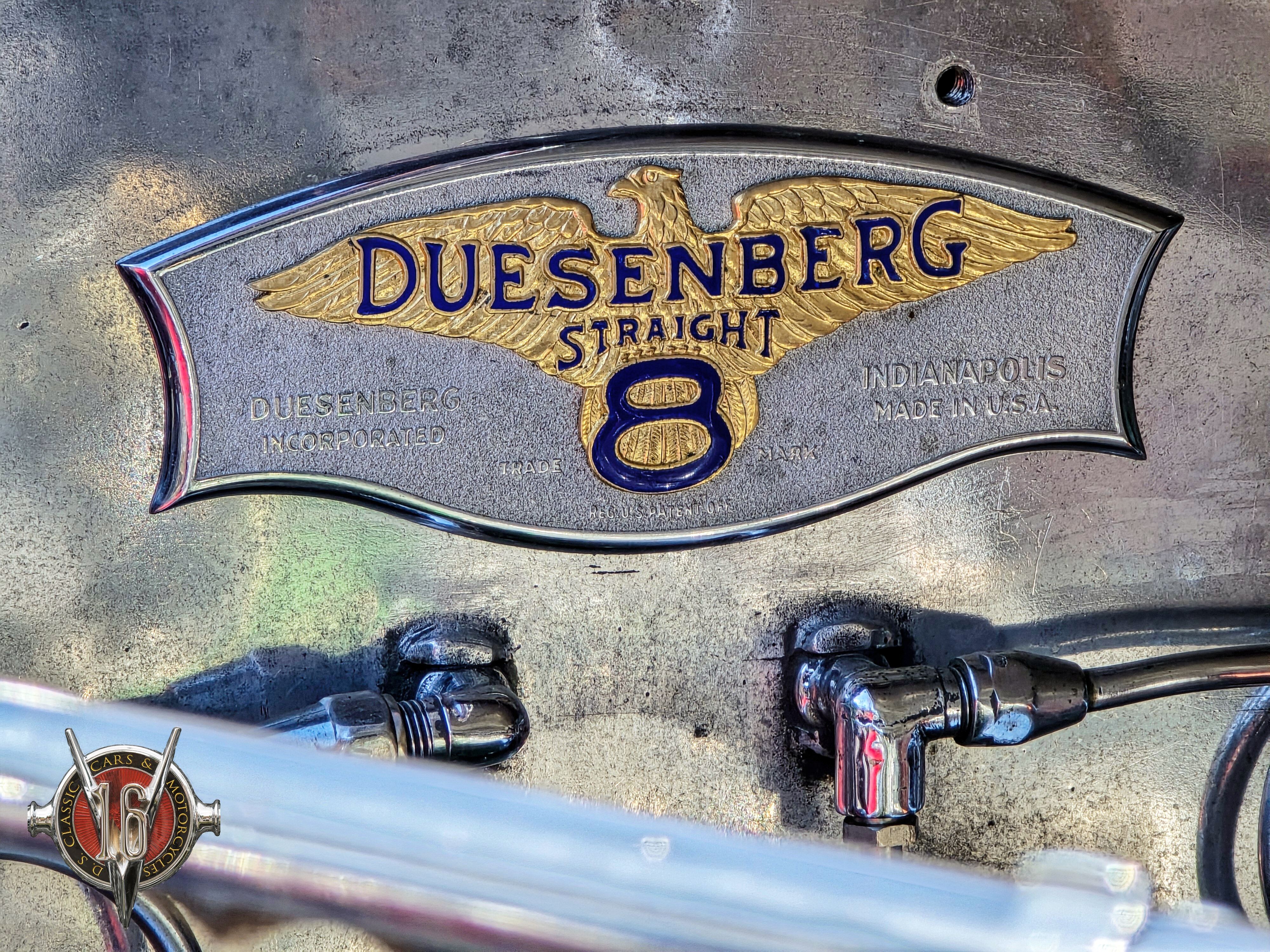
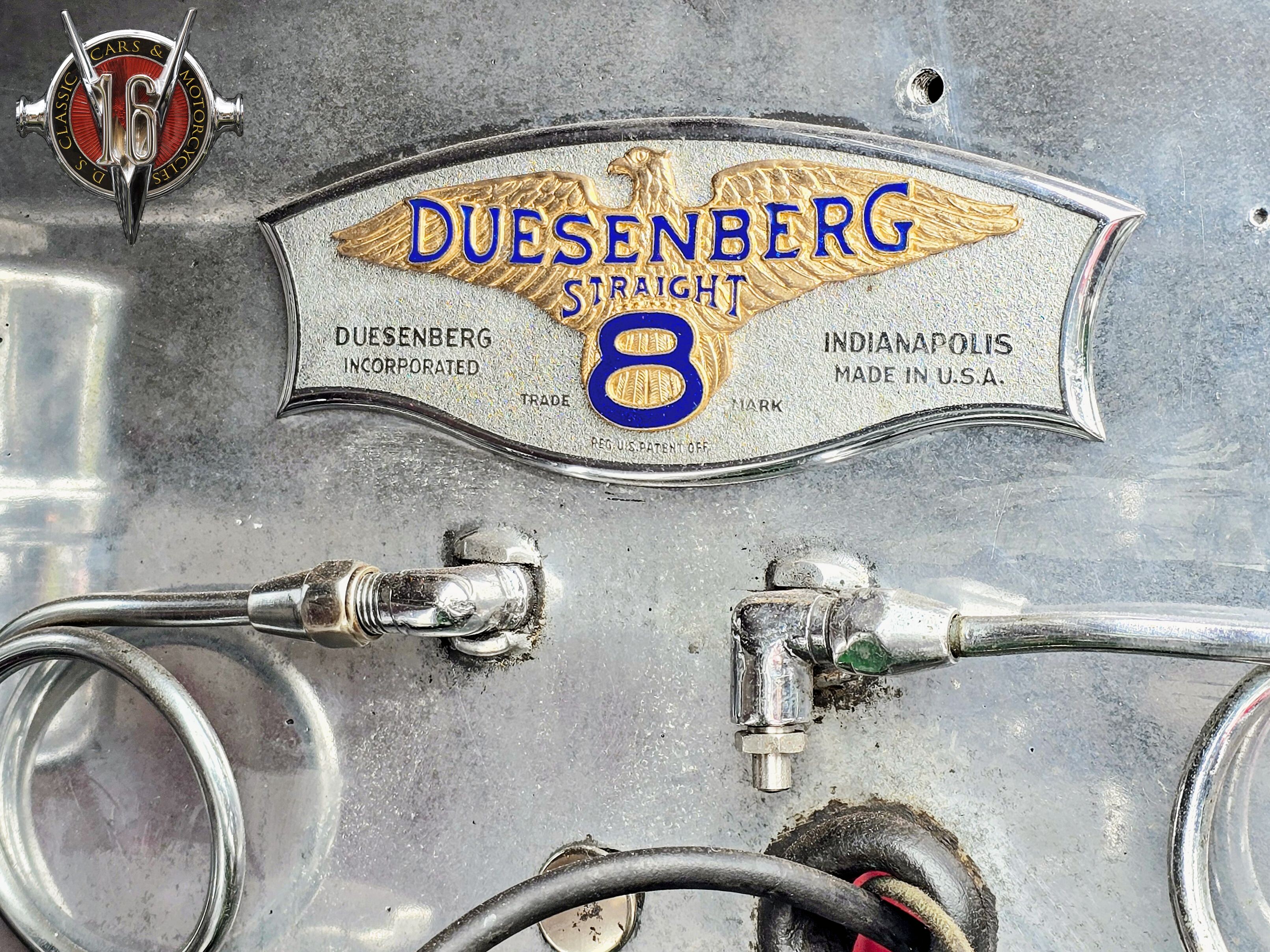
The Duesenberg Automobile & Motors Co., Inc., founded in 1920, was known for its luxury and high-performance racing automobiles. In 1921, founders and brothers Fred and August Duesenberg won a Grand Prix race with an American automobile for the first time, catapulting the Duesen berg into the spotlight. In 1926, E. L. Cord, the owner of the Auburn Automobile Company, bought Duesenberg for the engineering skills of the brothers to produce a car to rival the top European brands. They would go on to popularize the straight-eight engine and the four-wheel hydraulic brake system, becoming the ultimate means of transportation for the rich and famous of the time. Its logo, a detailed eagle with outspread wings featuring “Duesenberg” in ornate lettering, became a symbol of power and prestige, and everyone from kings to Al Capone coveted the cars. Duesenberg ceased production in 1937 after the Cord financial empire collapsed. The fall of the Duesenberg brand was brief, however, as the market for the remaining vehicles briefly dipped and has steadily risen ever since, becoming one of the most sought-after and respected names in American automotive history.
The 1929 Duesenberg Model J-268 Convertible Coupe won the “Grand Marshal” award at the New England Concours d’Elegance at the Farmington Polo Club in Farmington, Connecticut - October 12, 2025.
See awards photos here.
See 21 minute video of the 1929 Duesenberg Model J 268 Convertible Coupe here