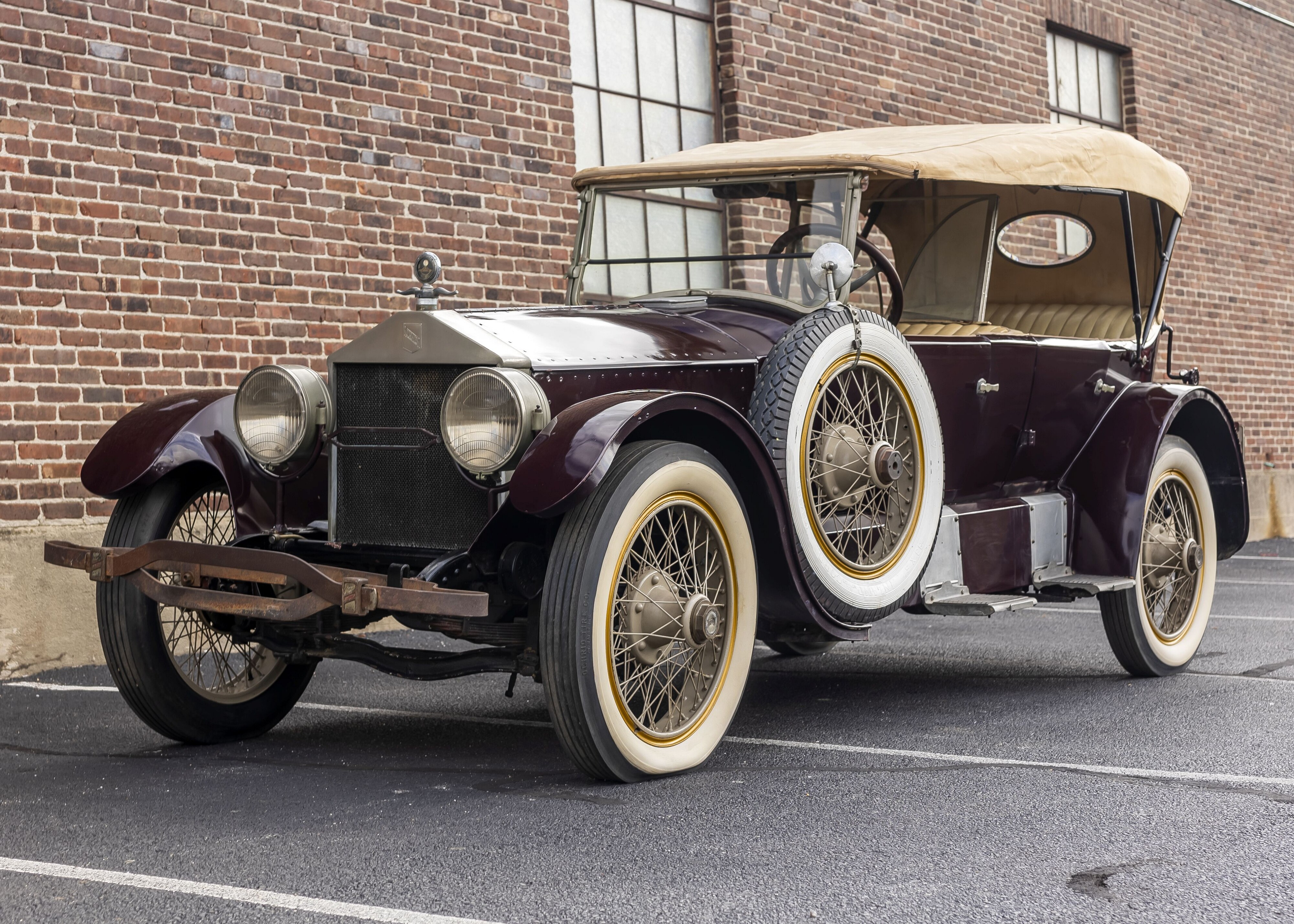
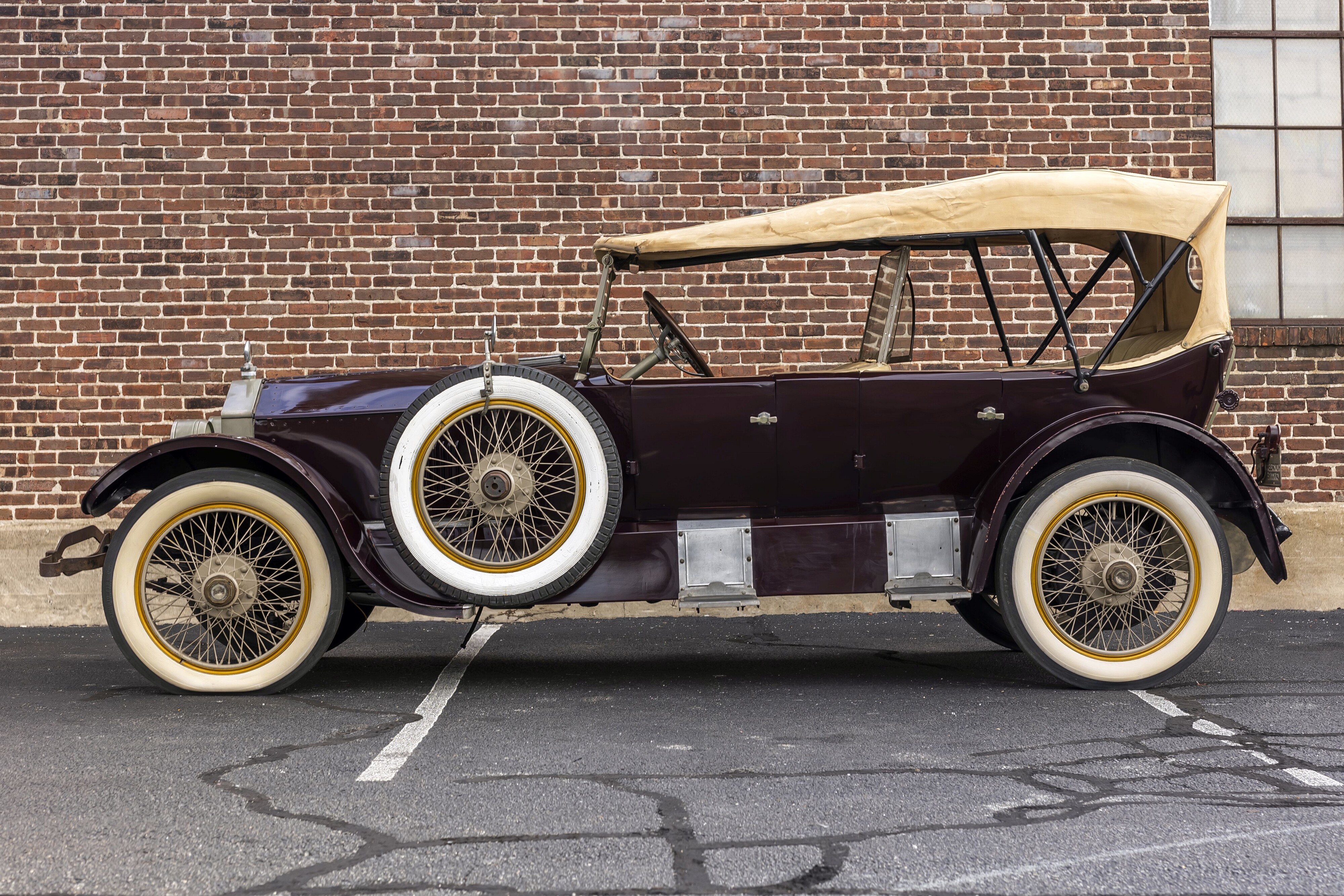
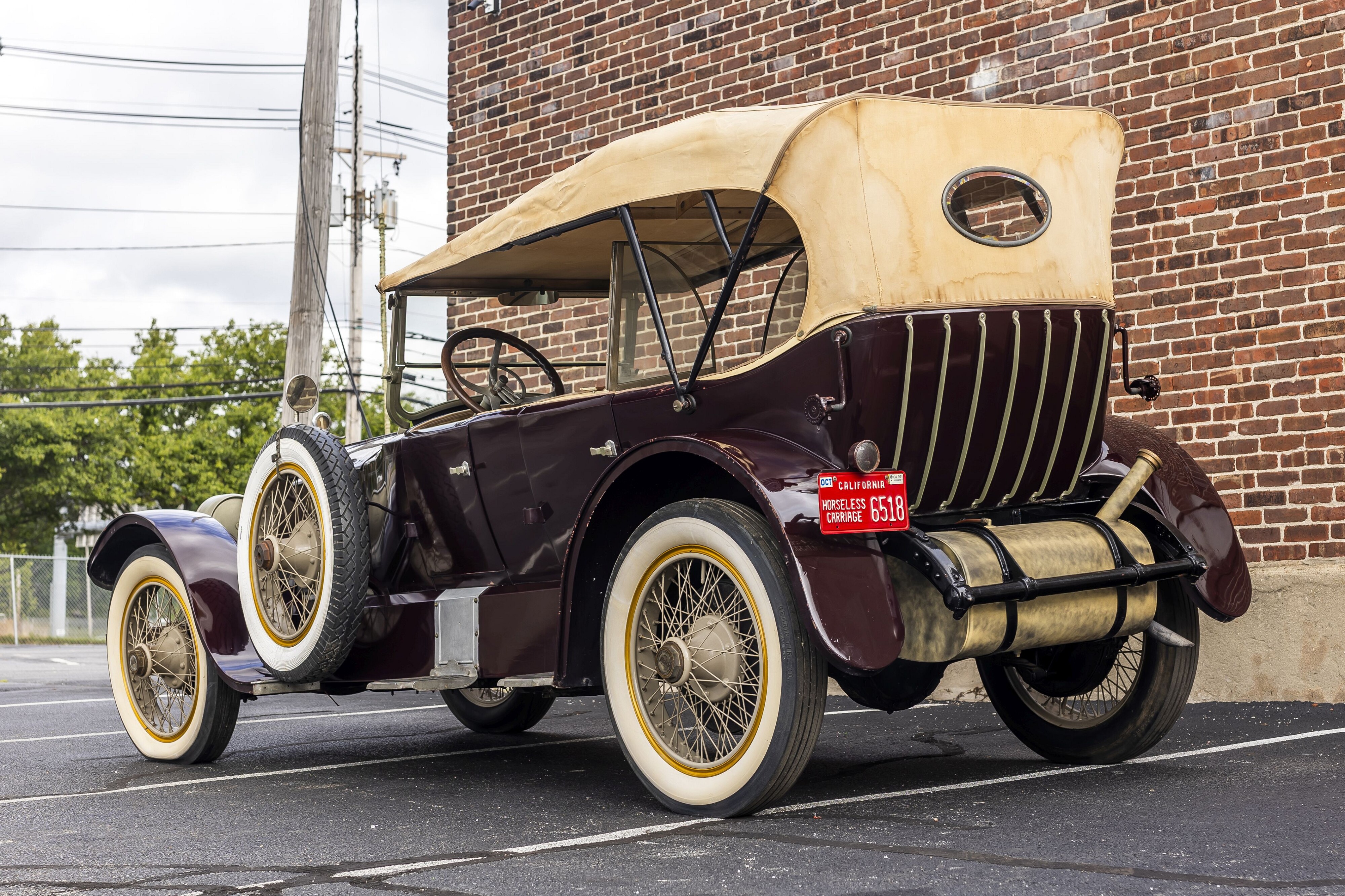
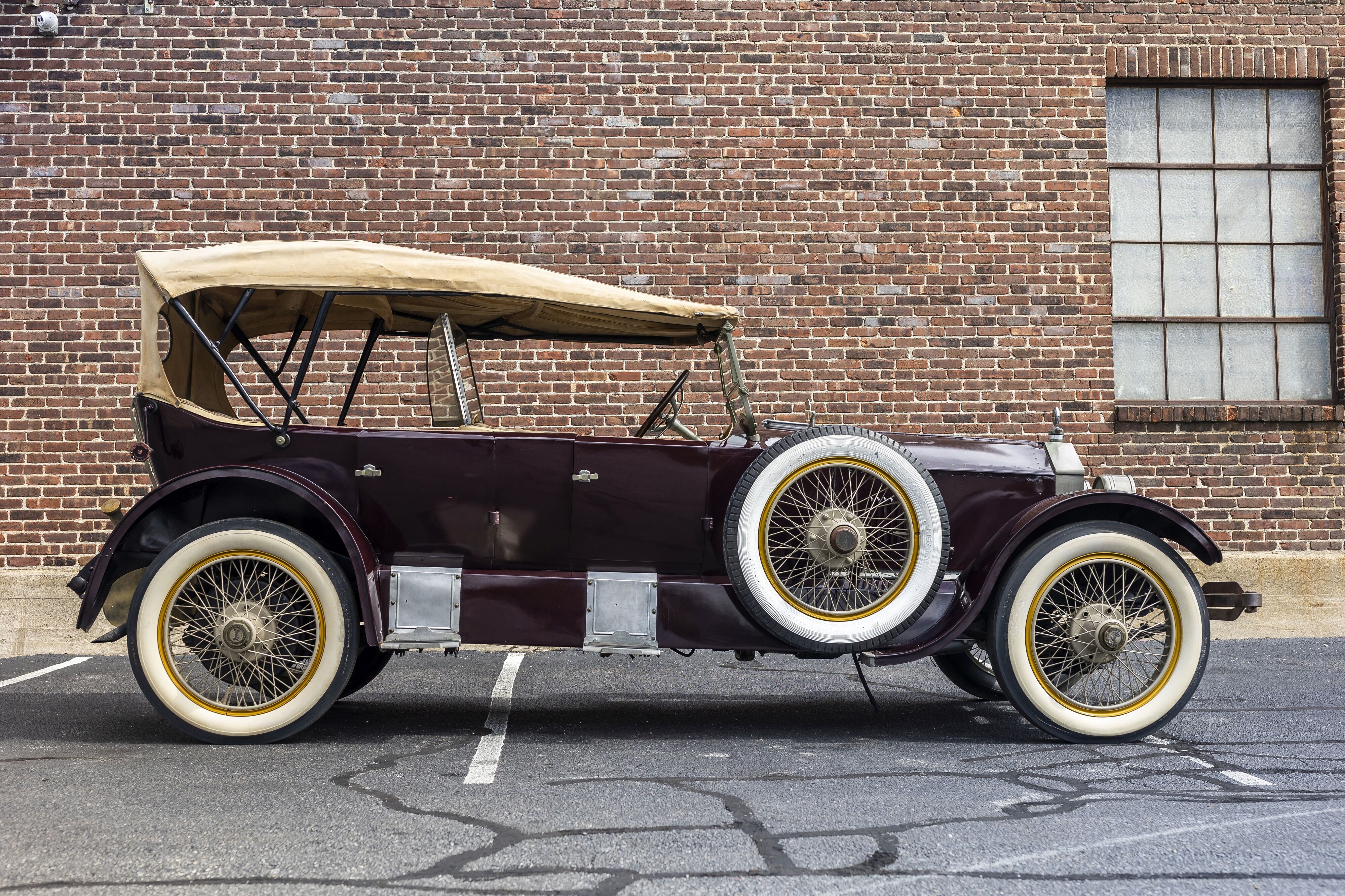
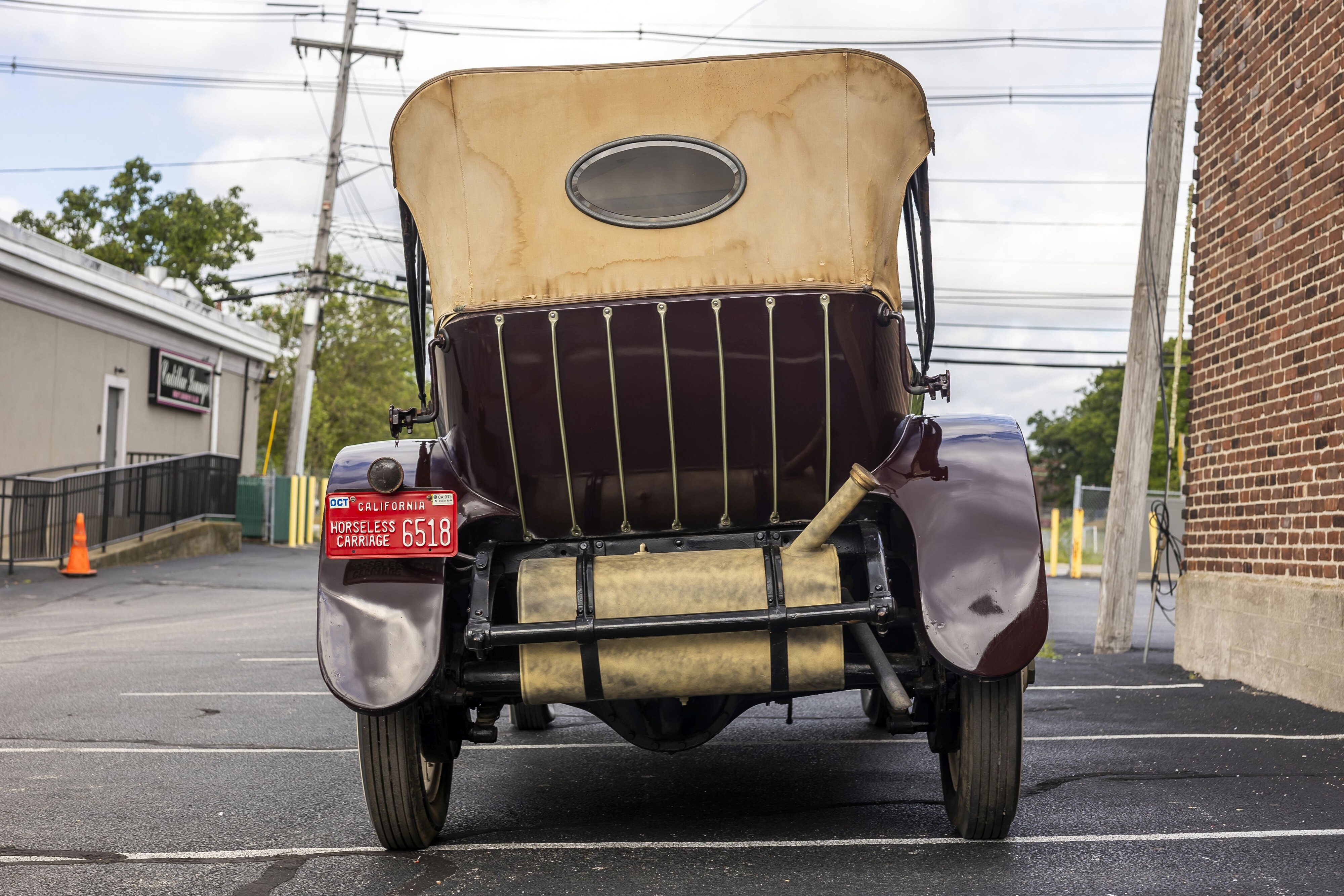
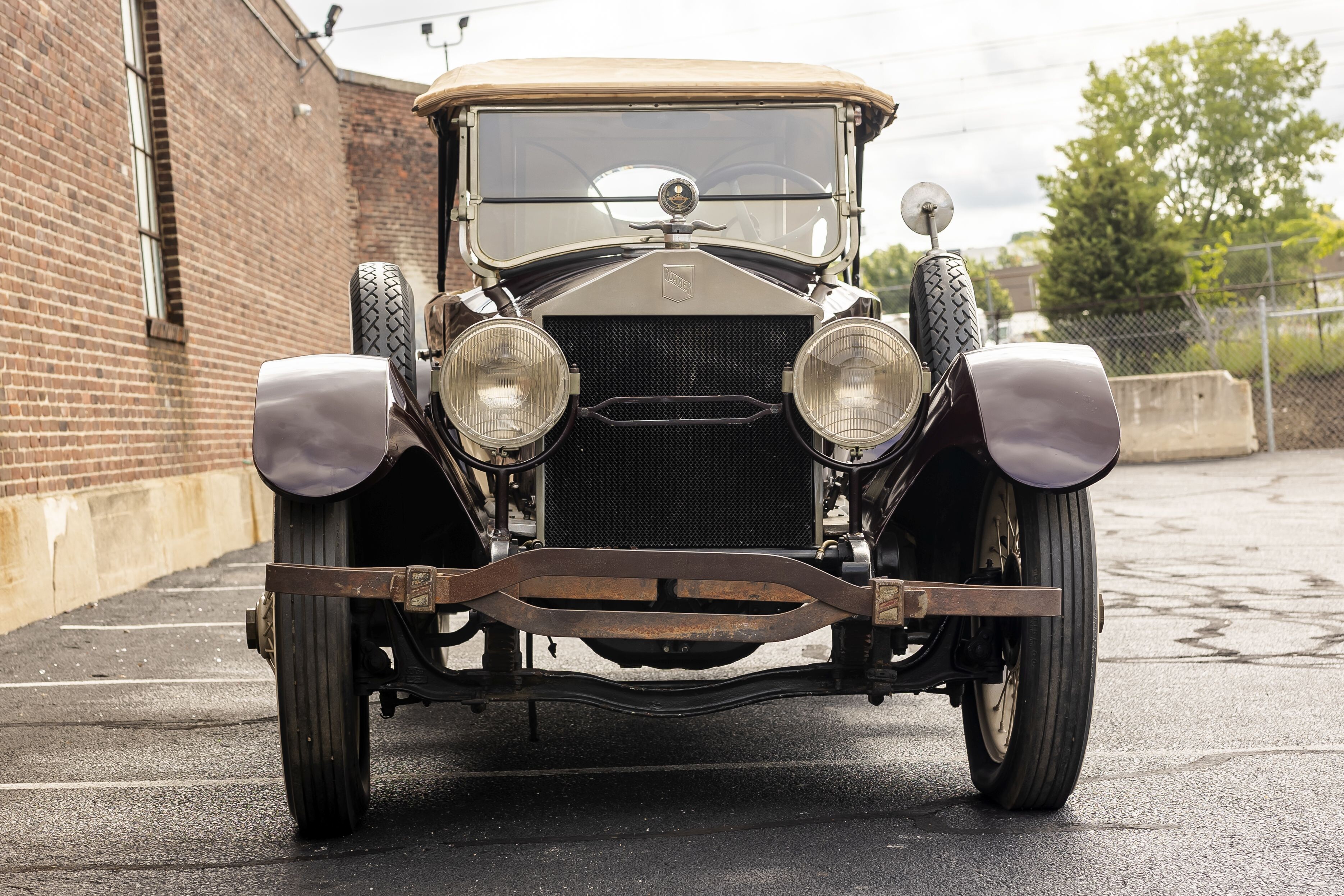
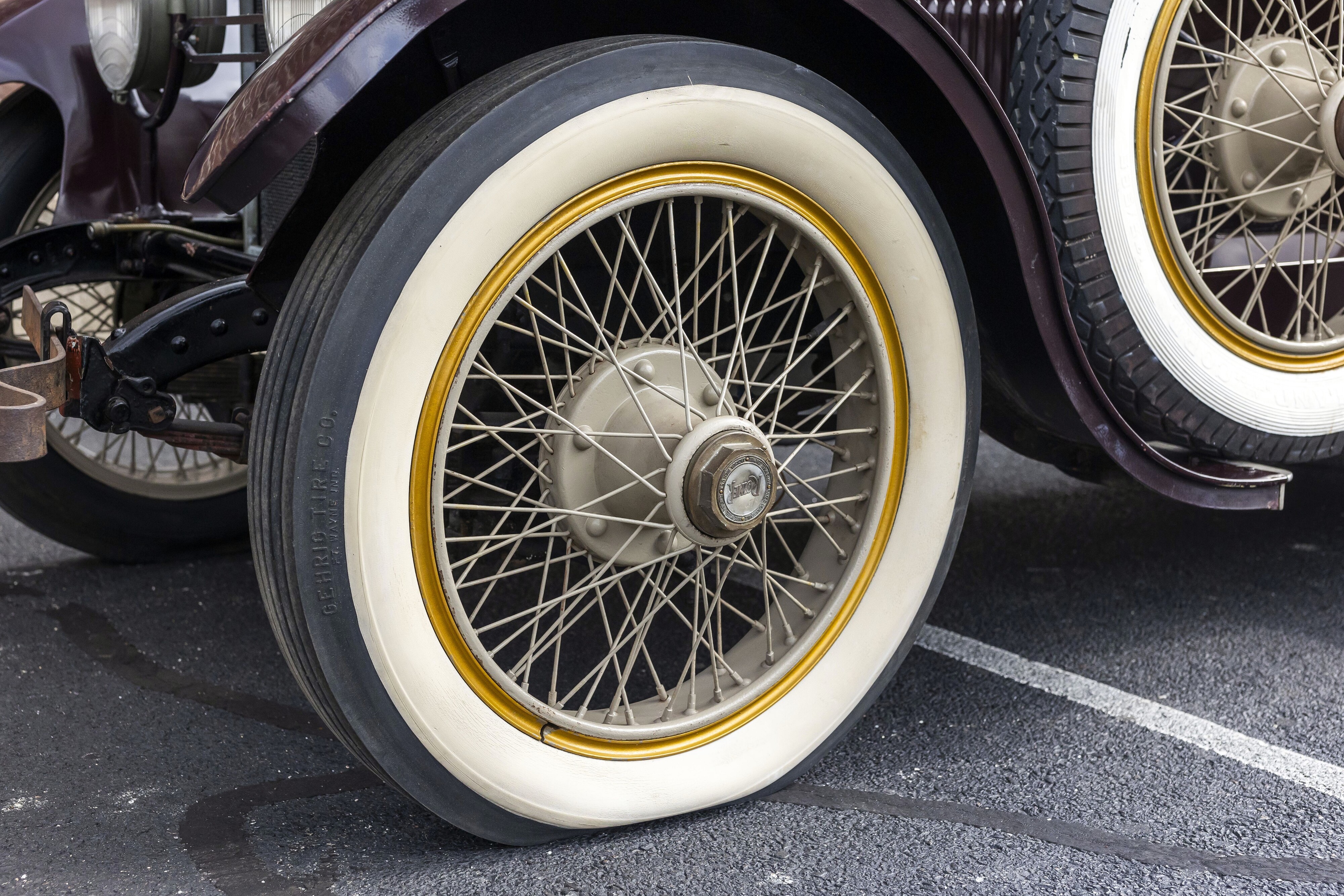
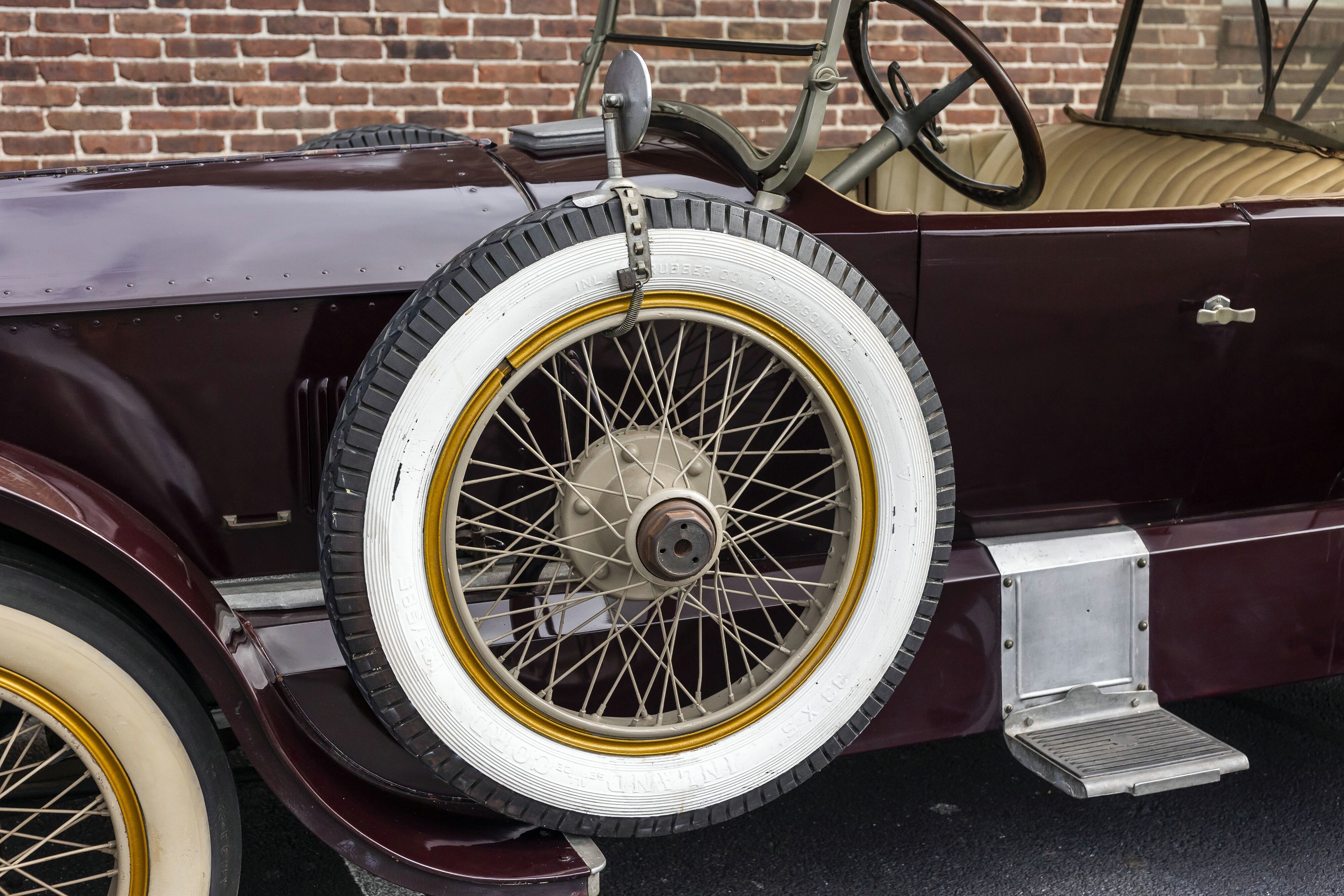
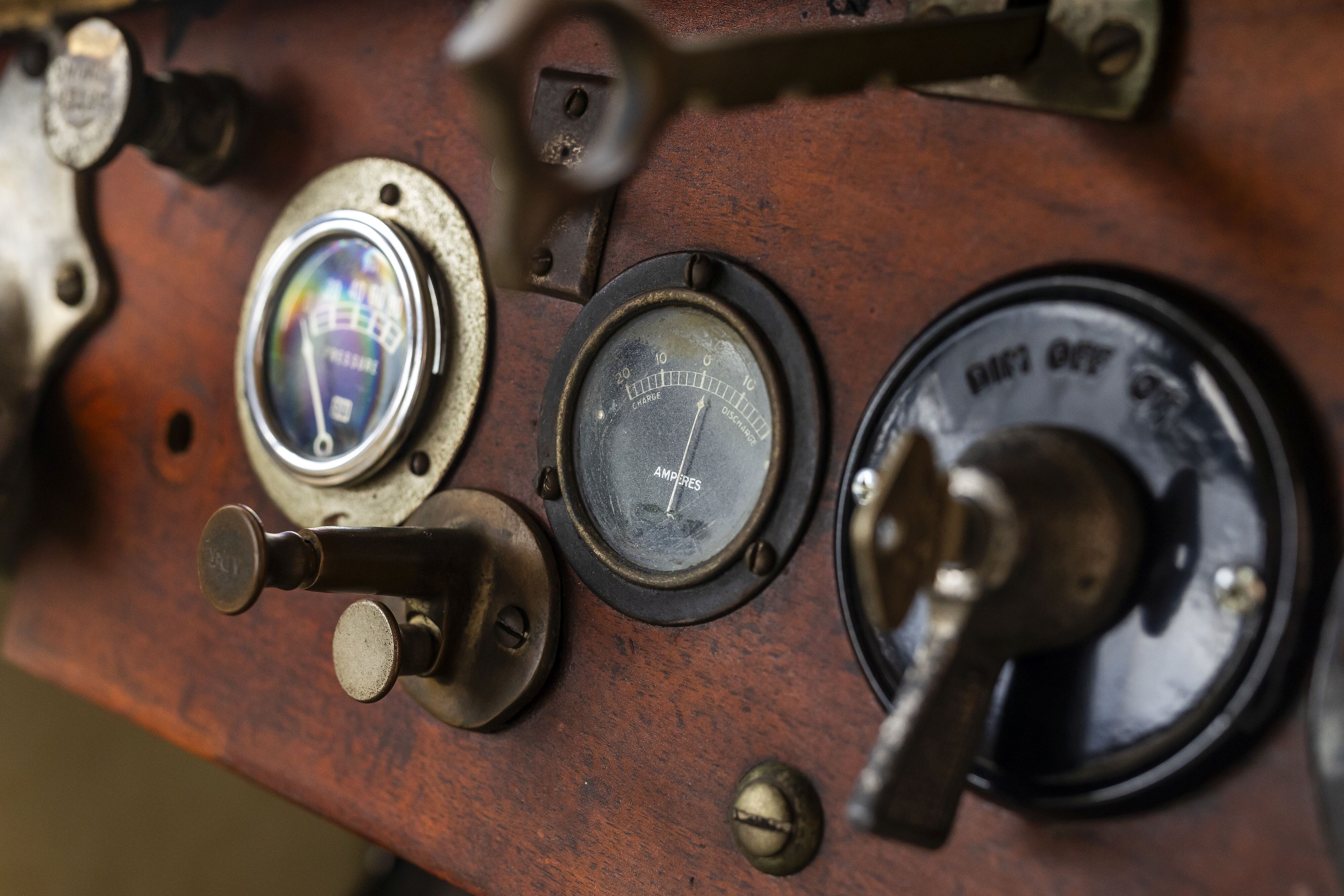
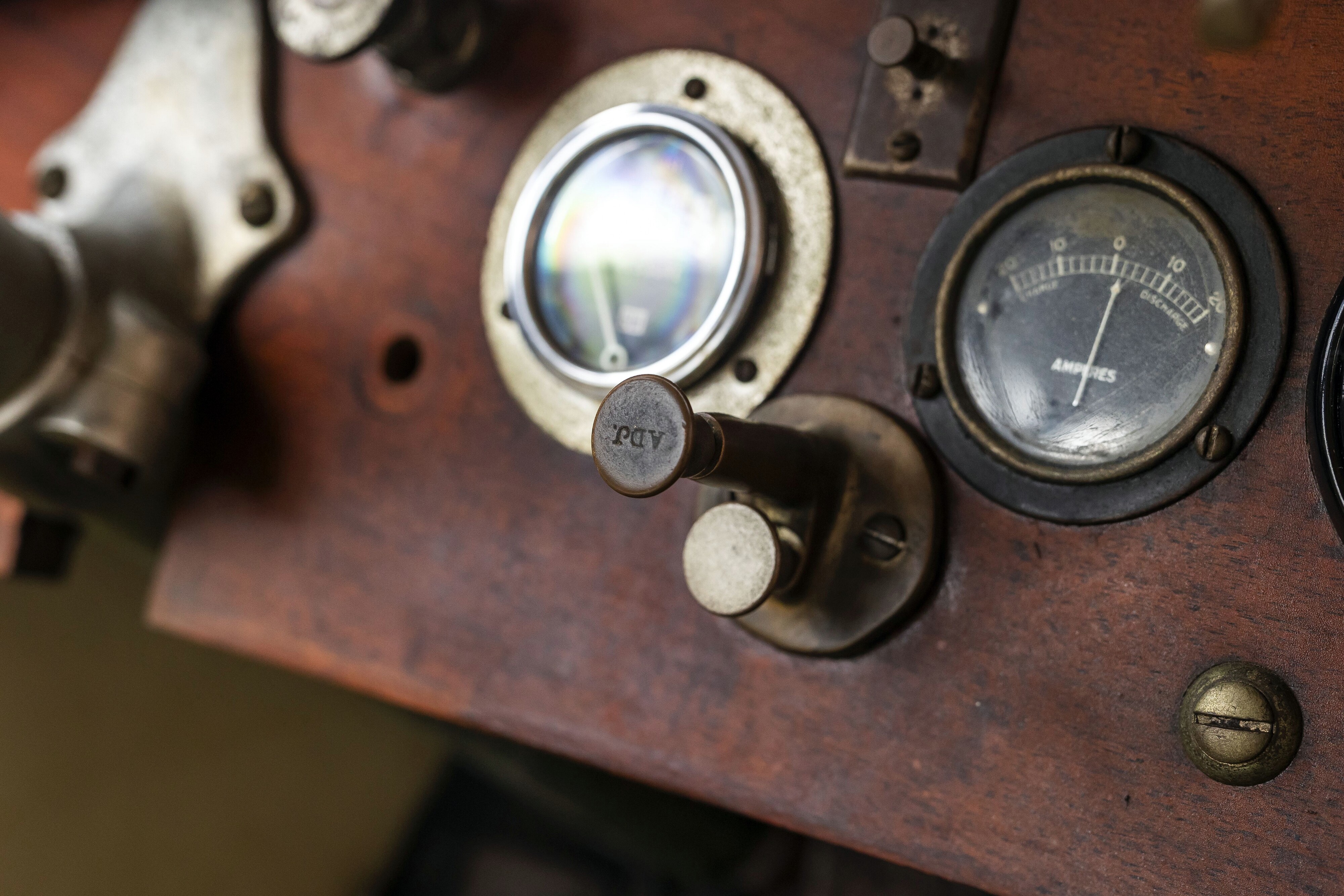
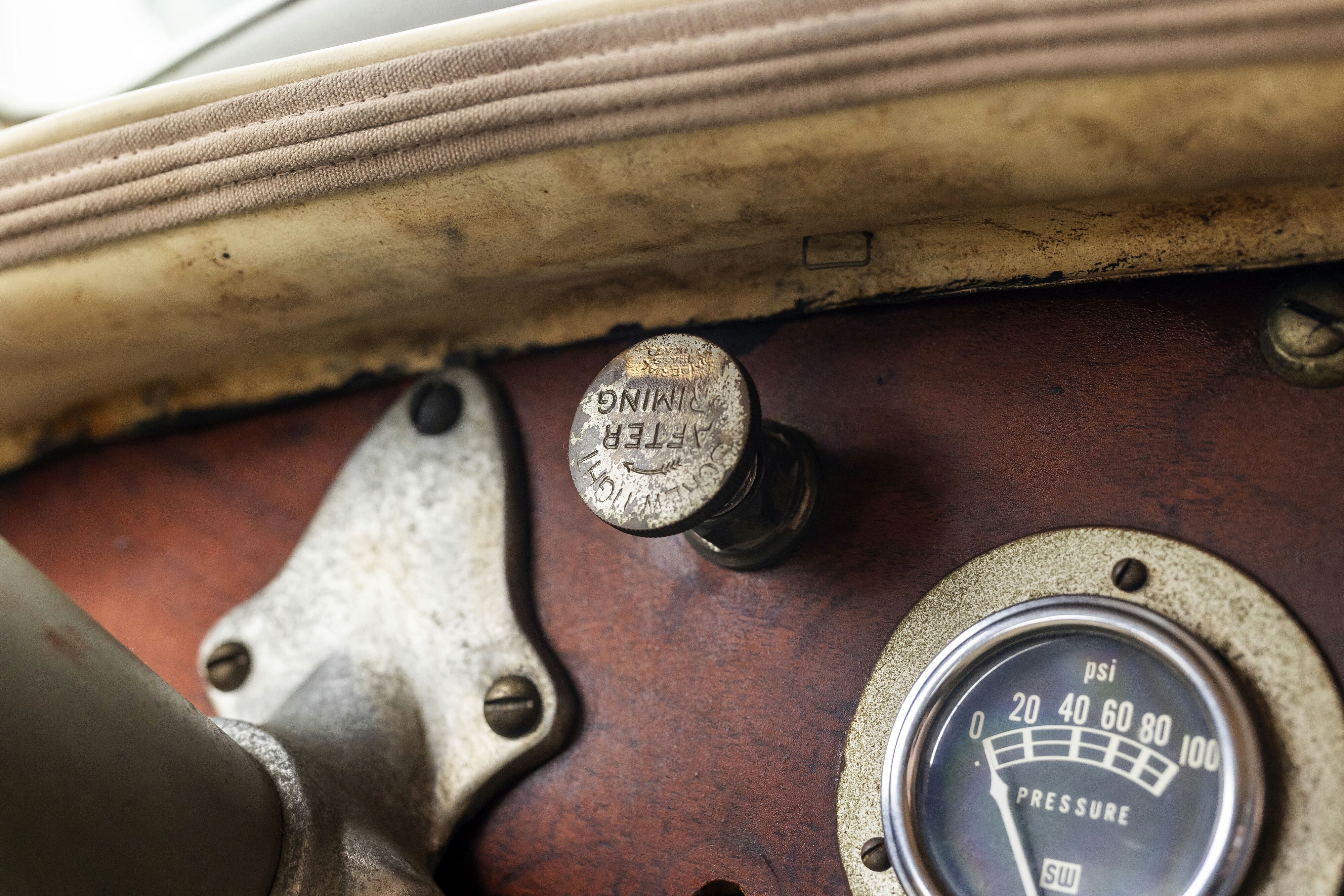
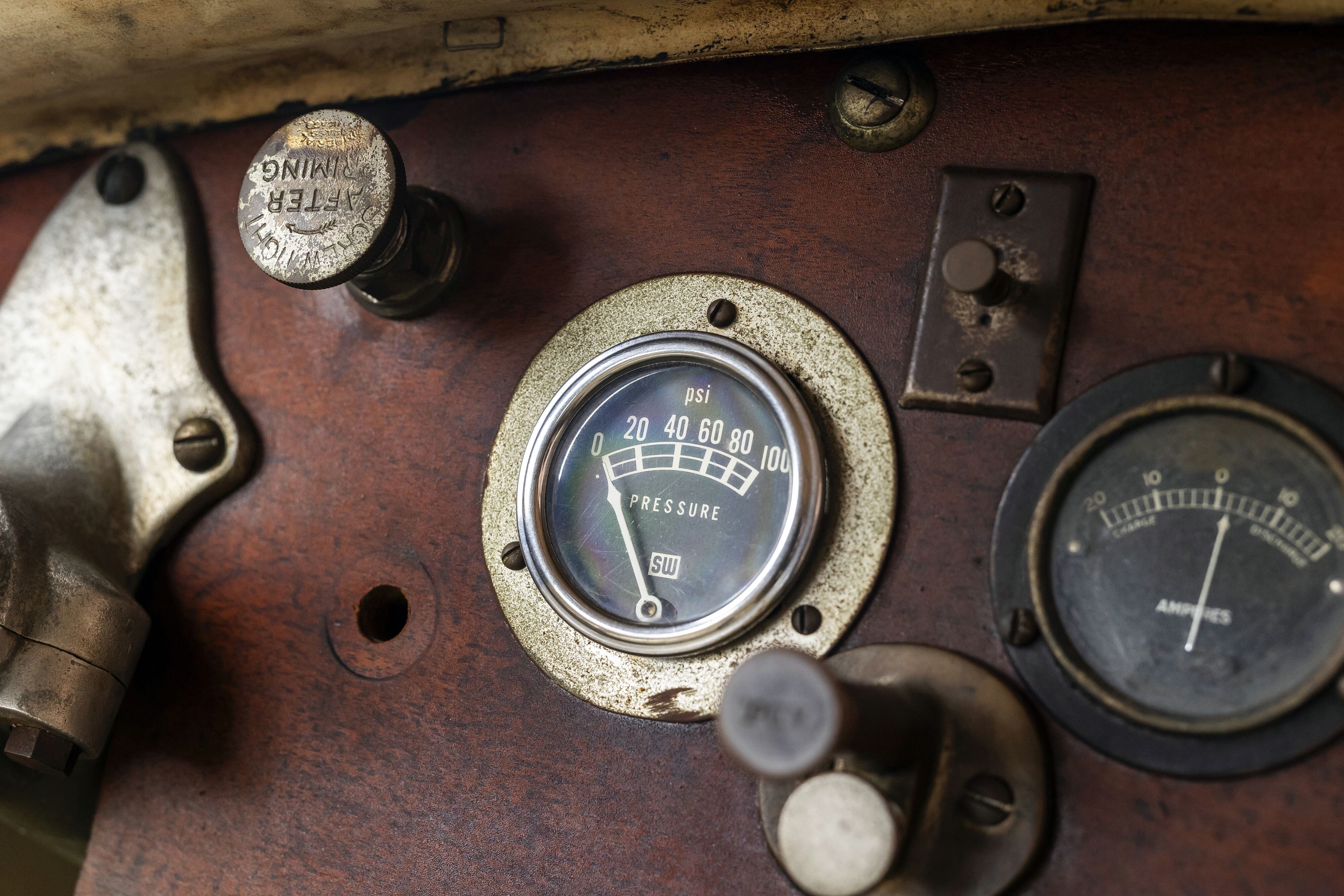
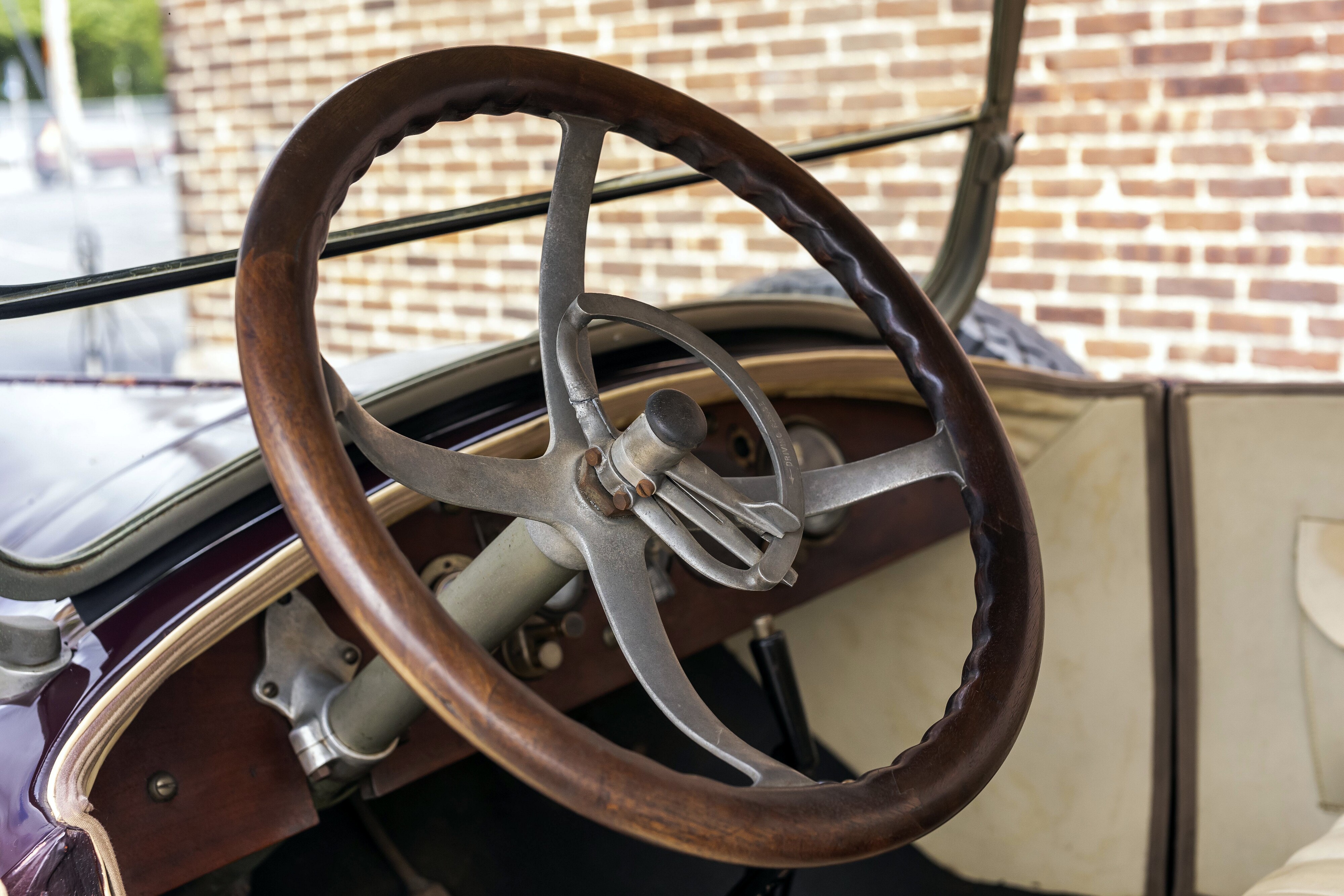
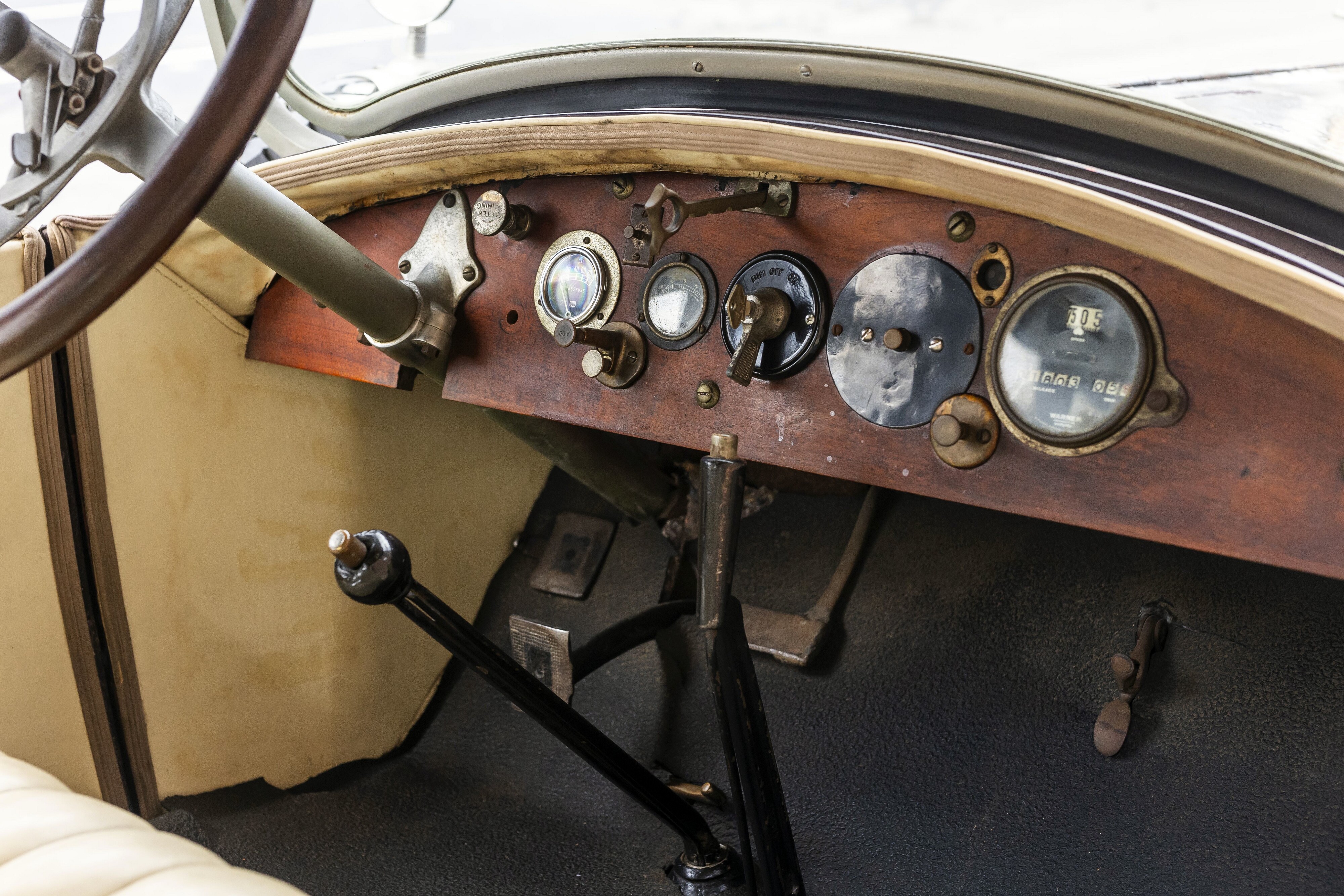
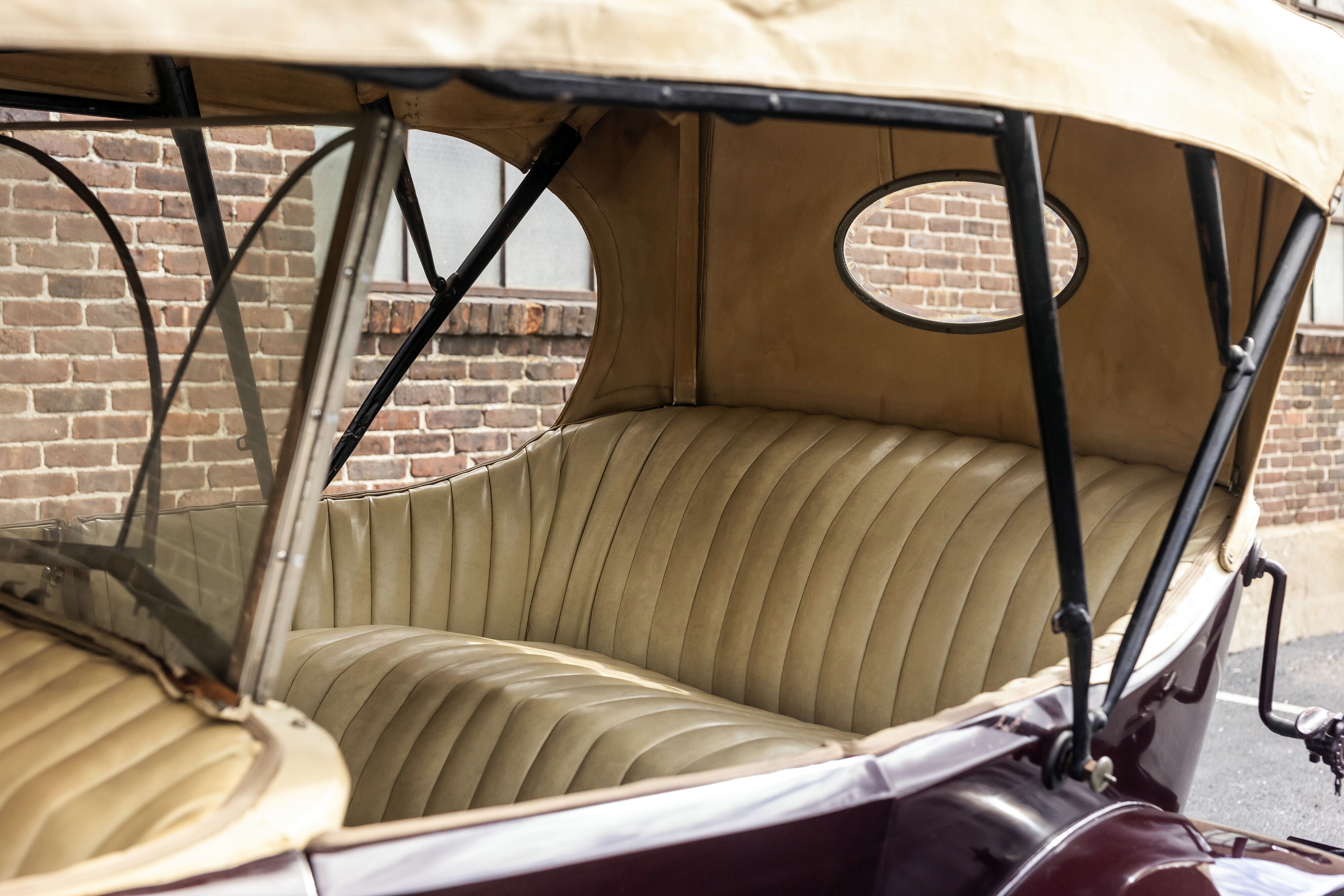
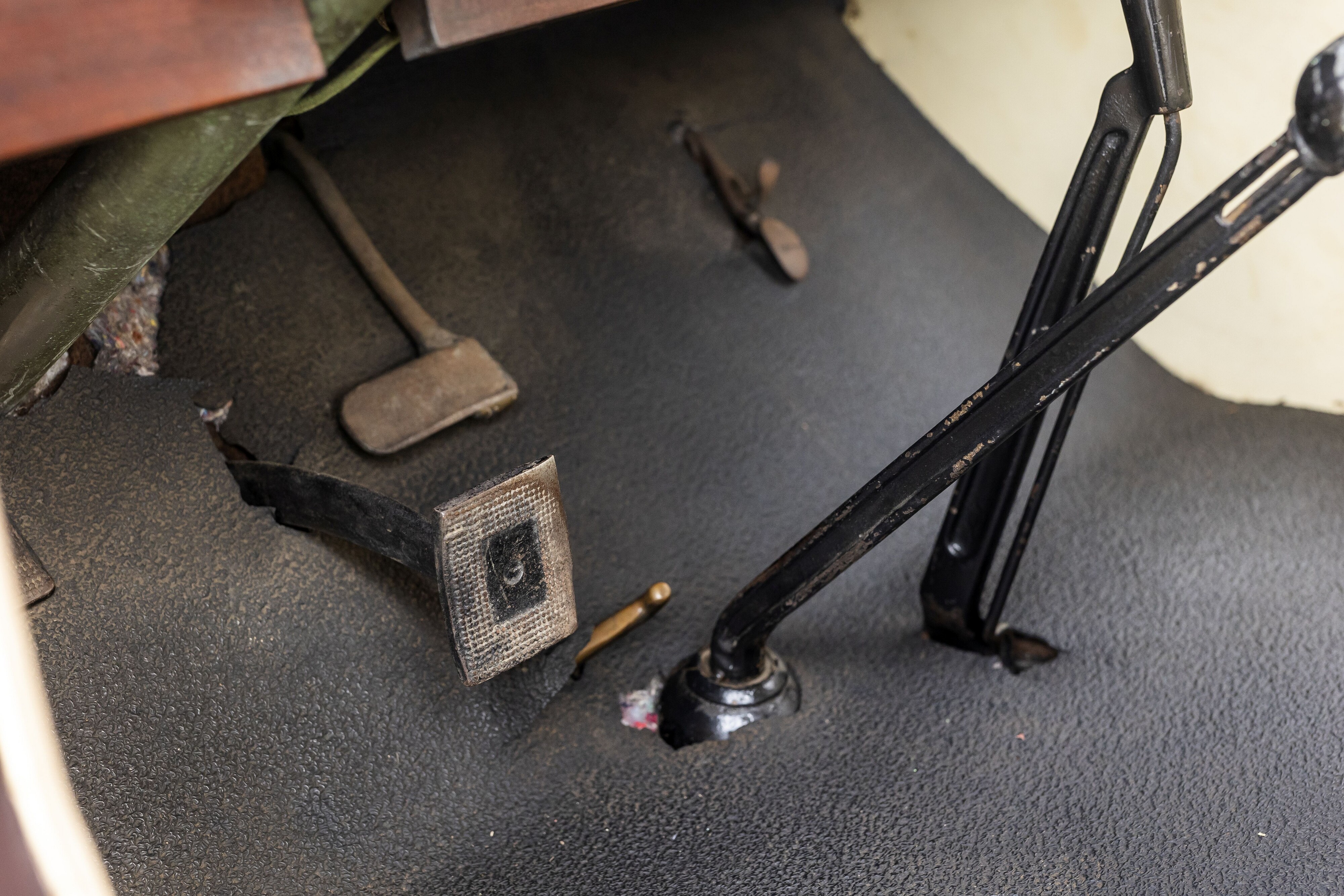
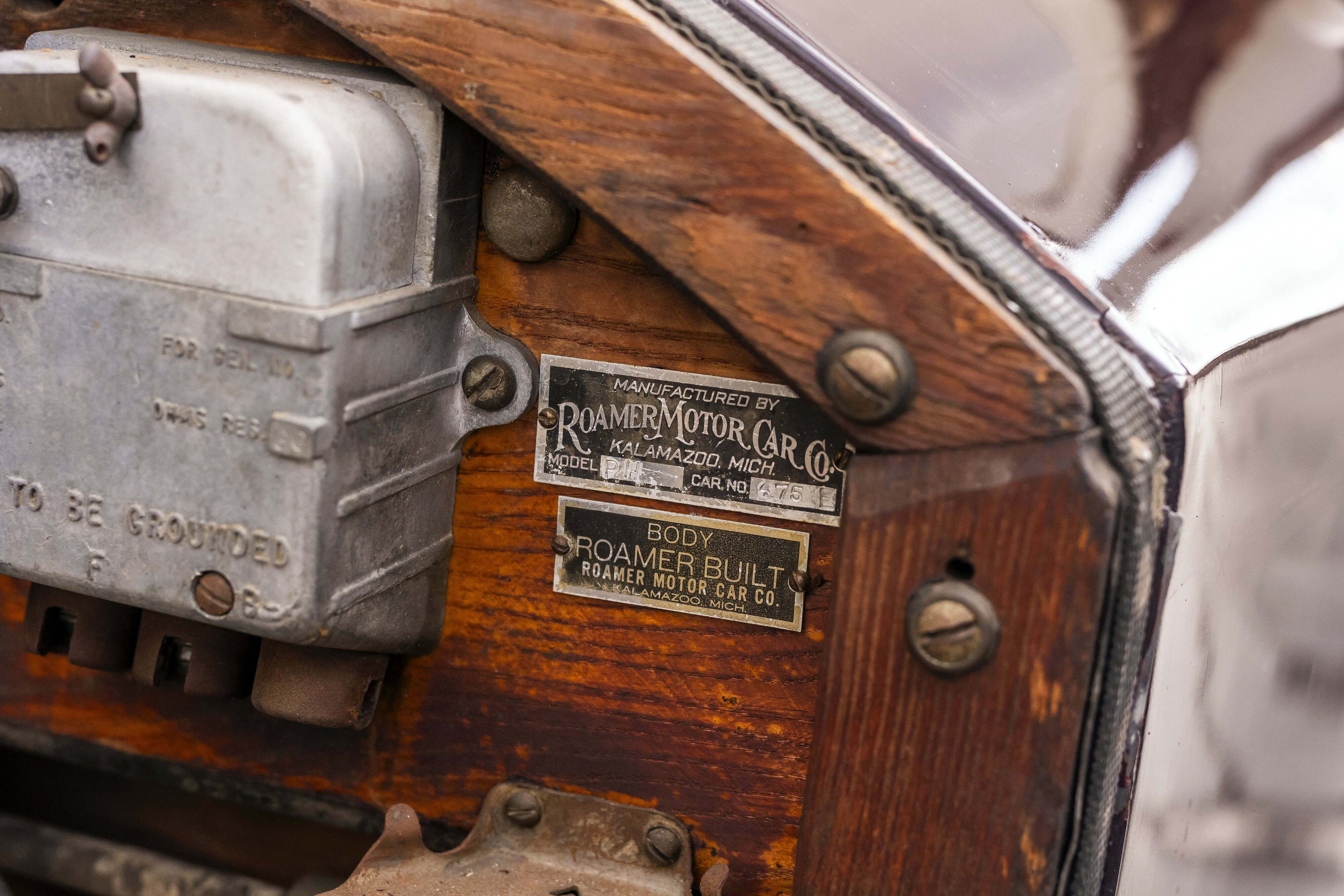
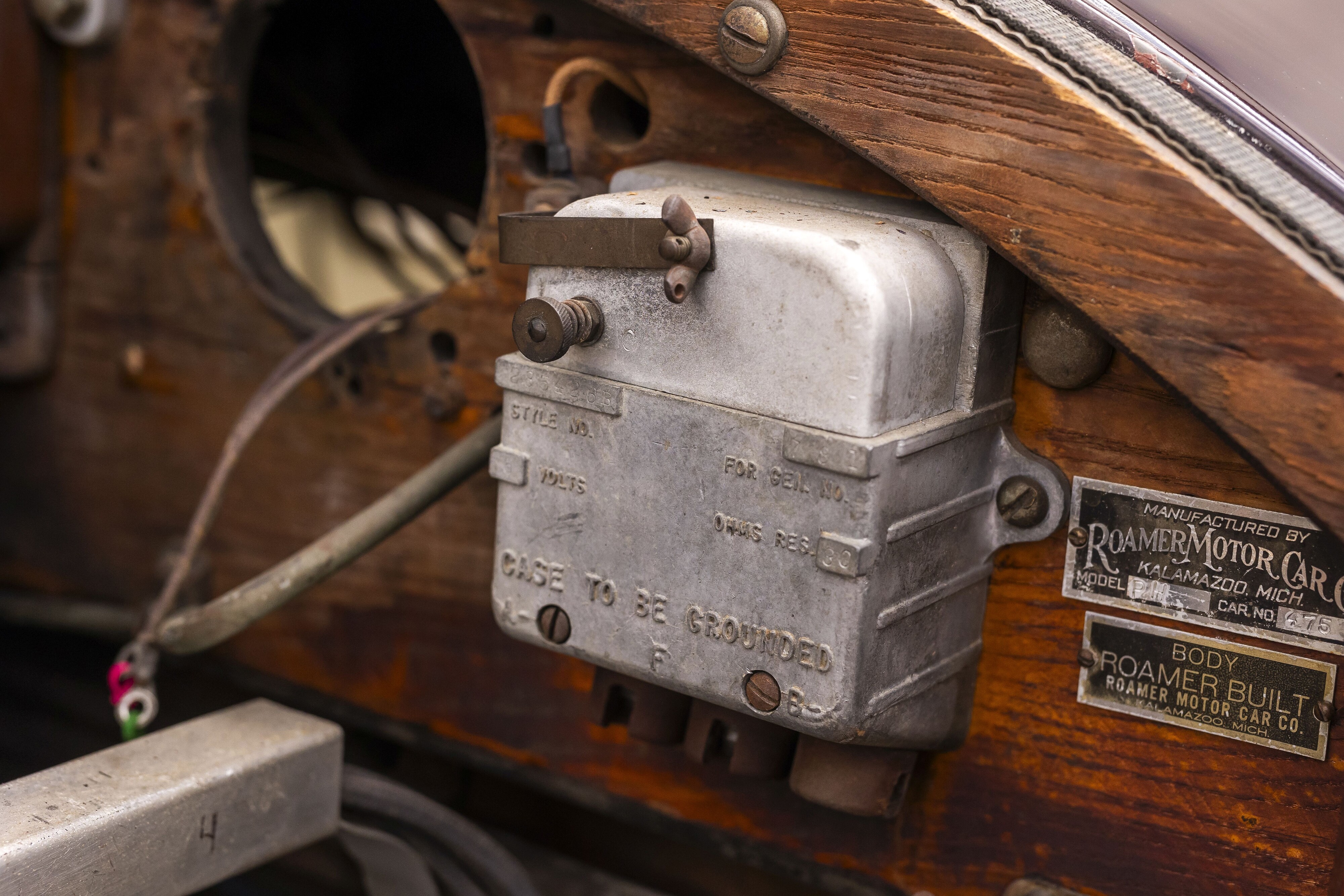
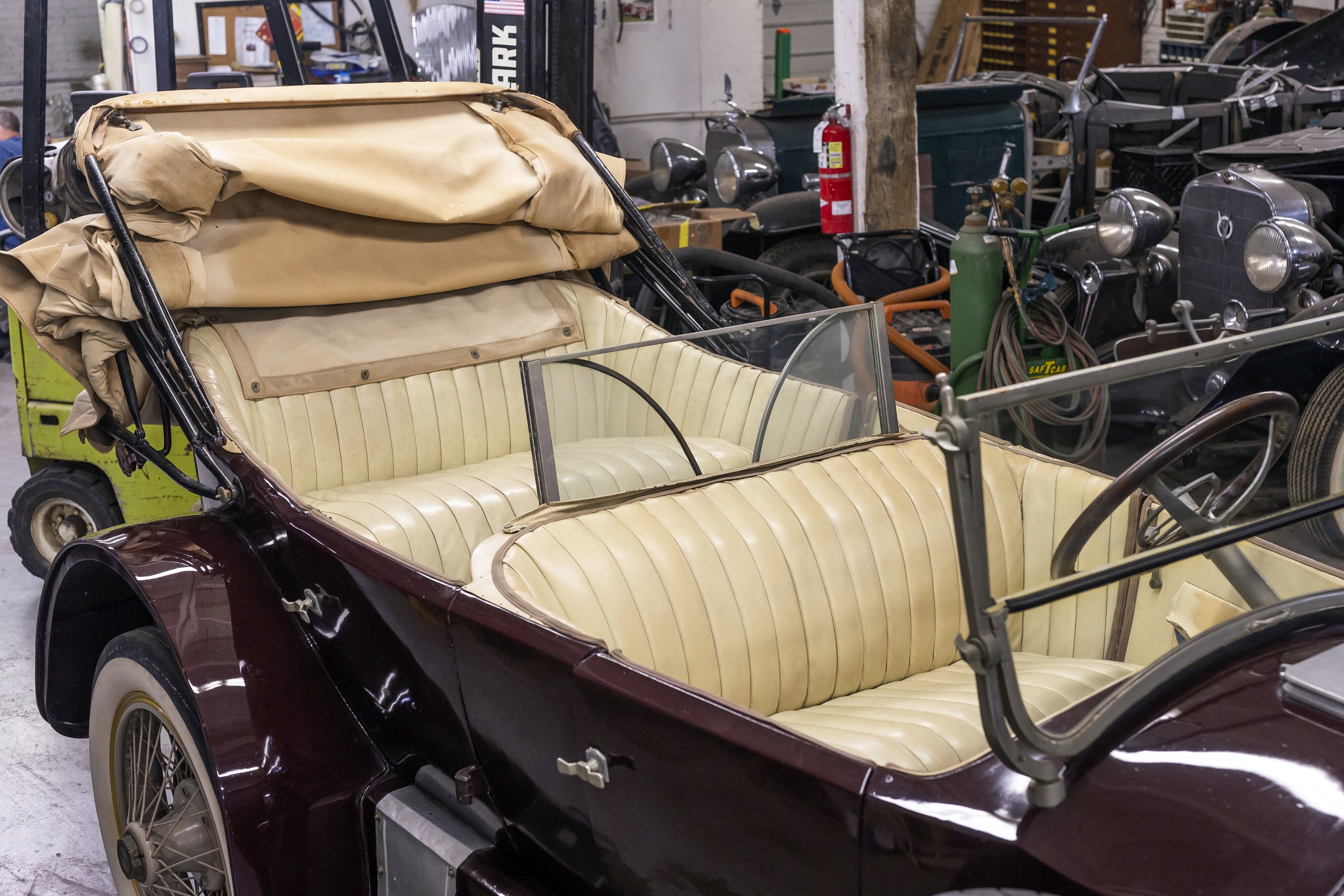
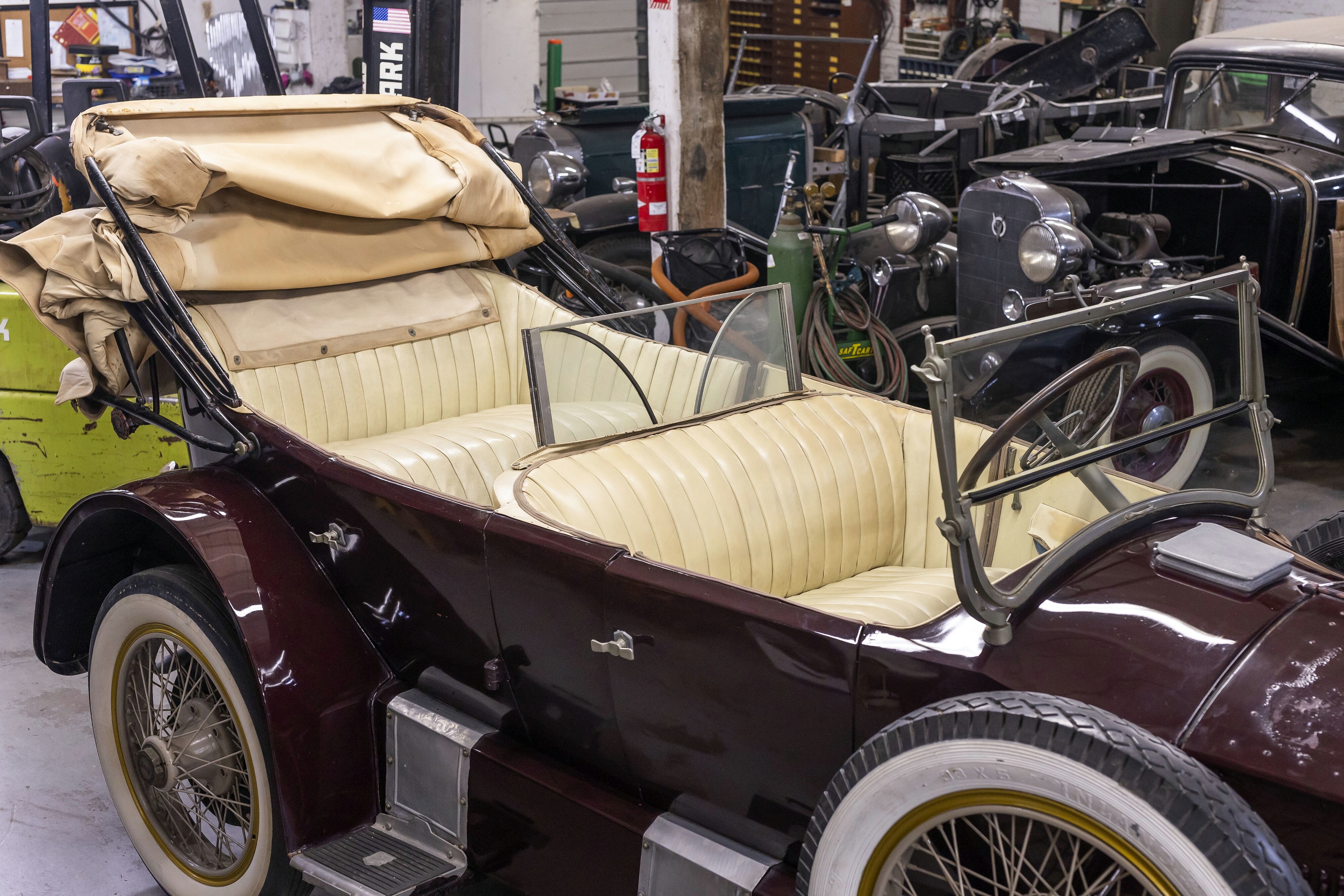
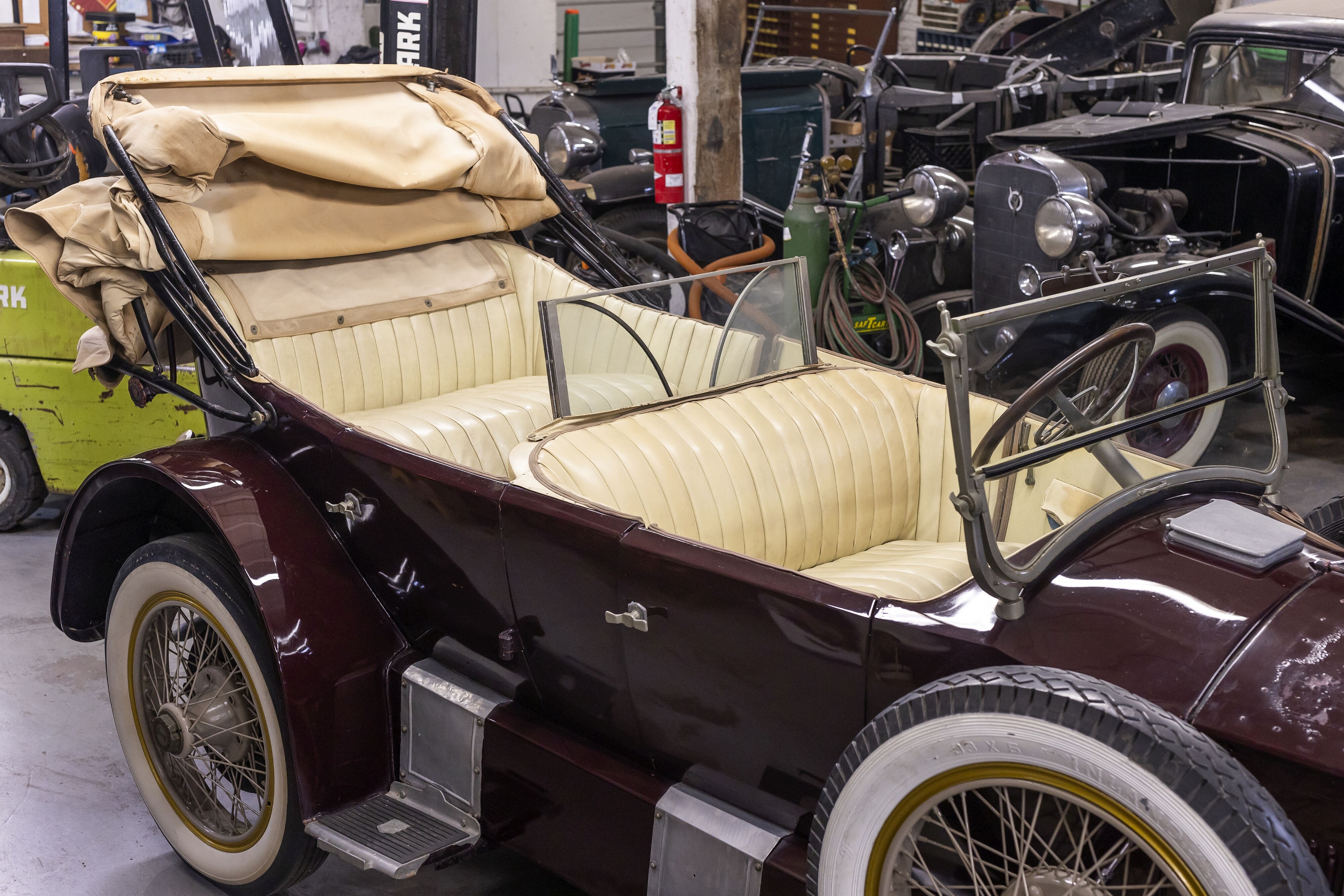
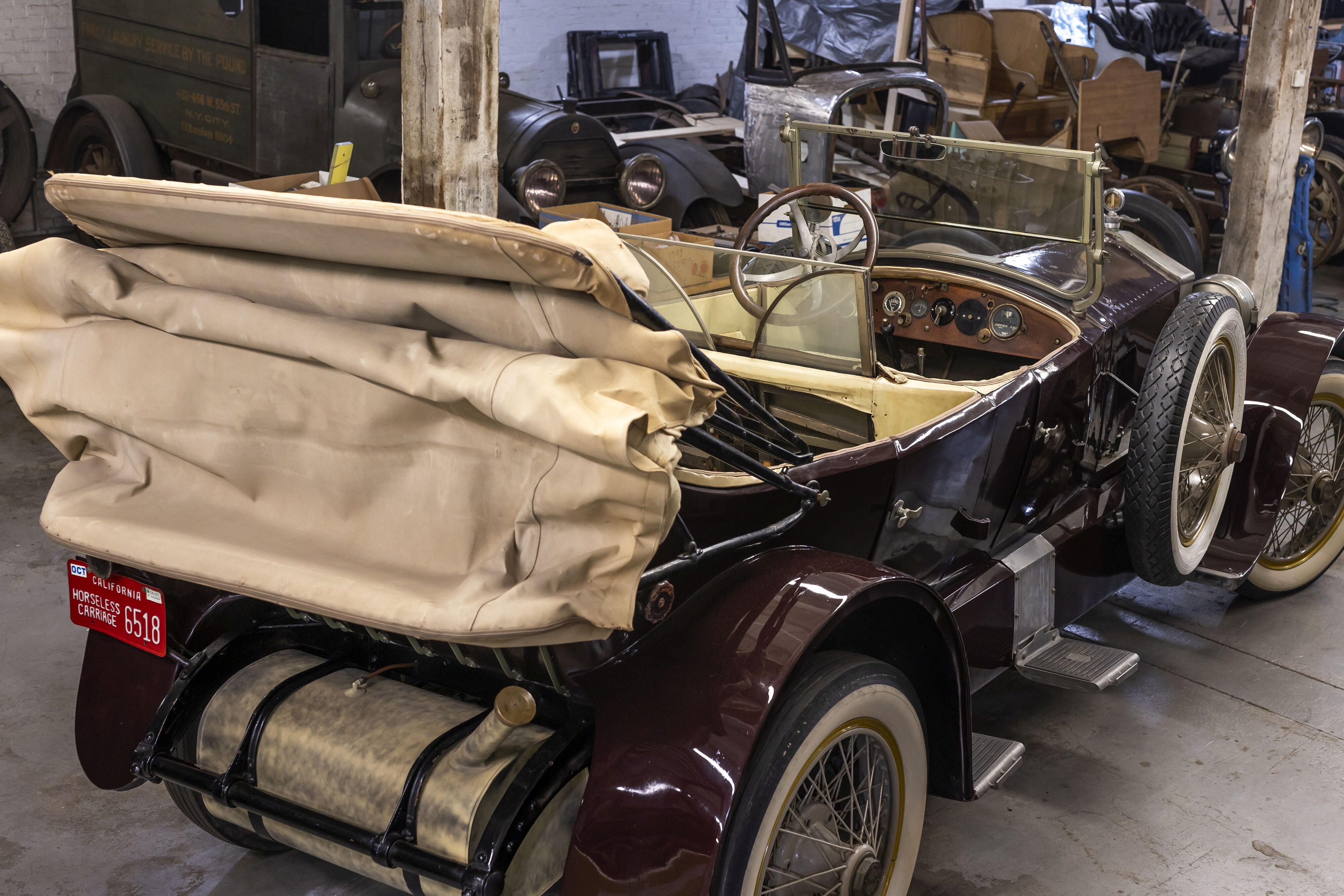
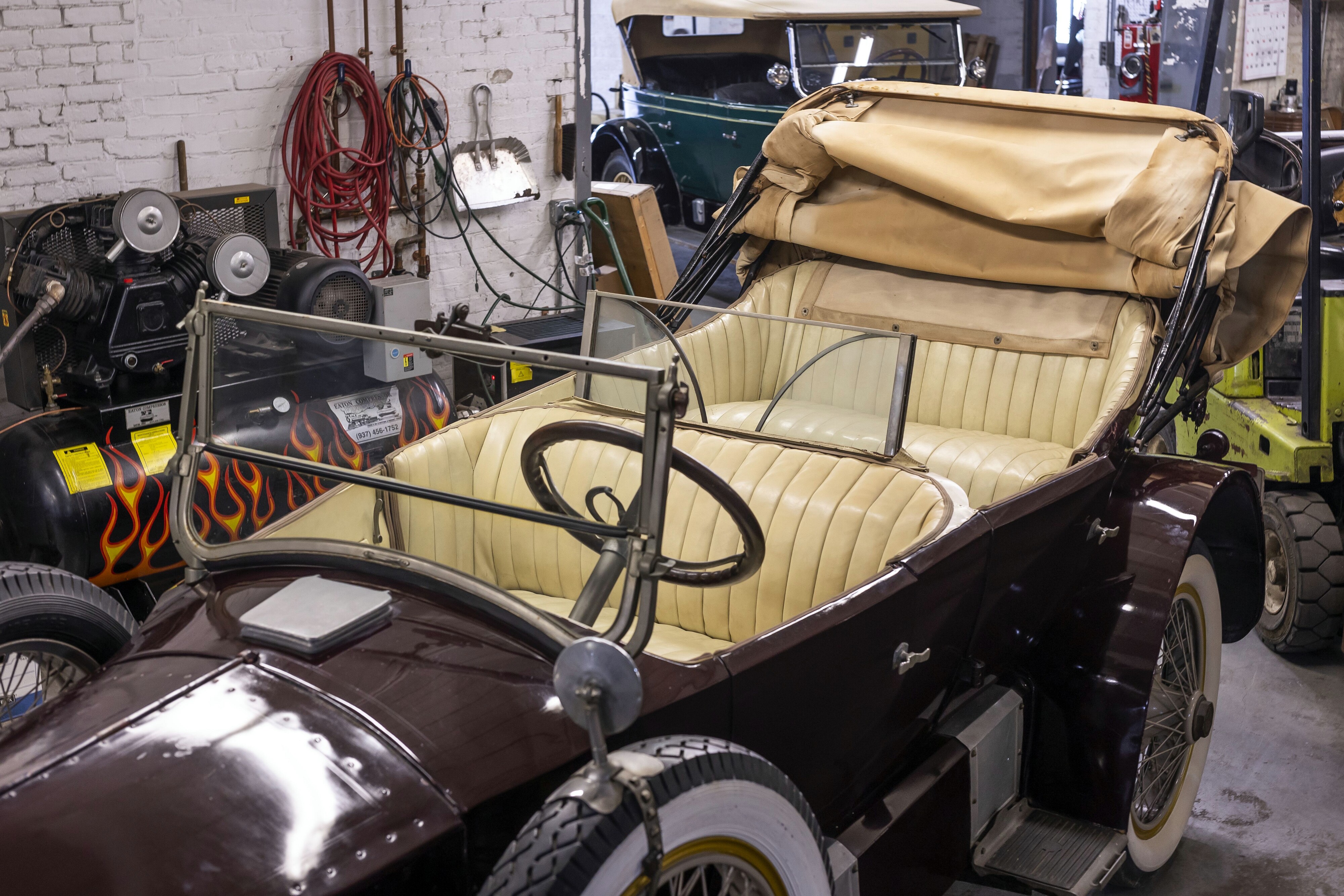
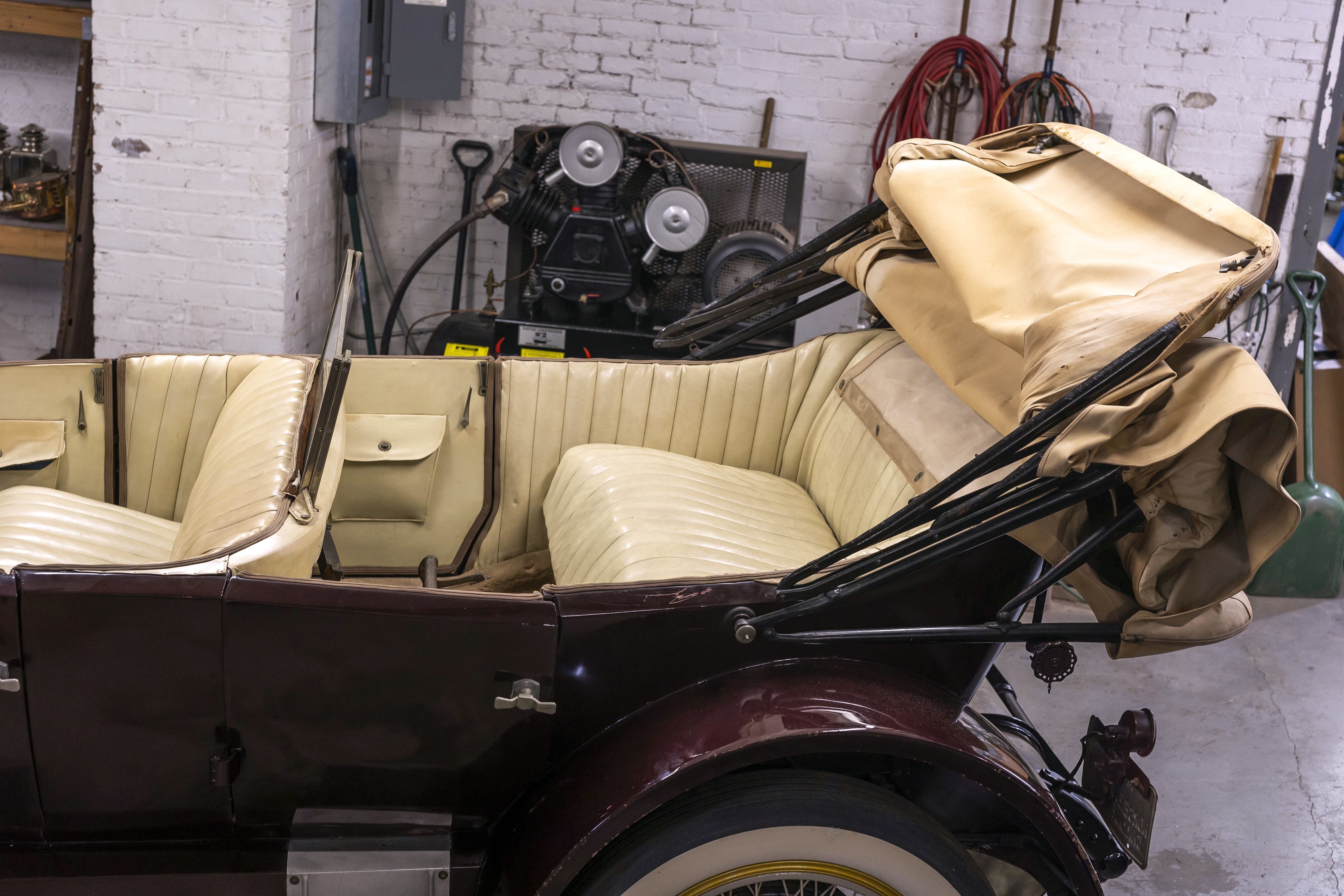
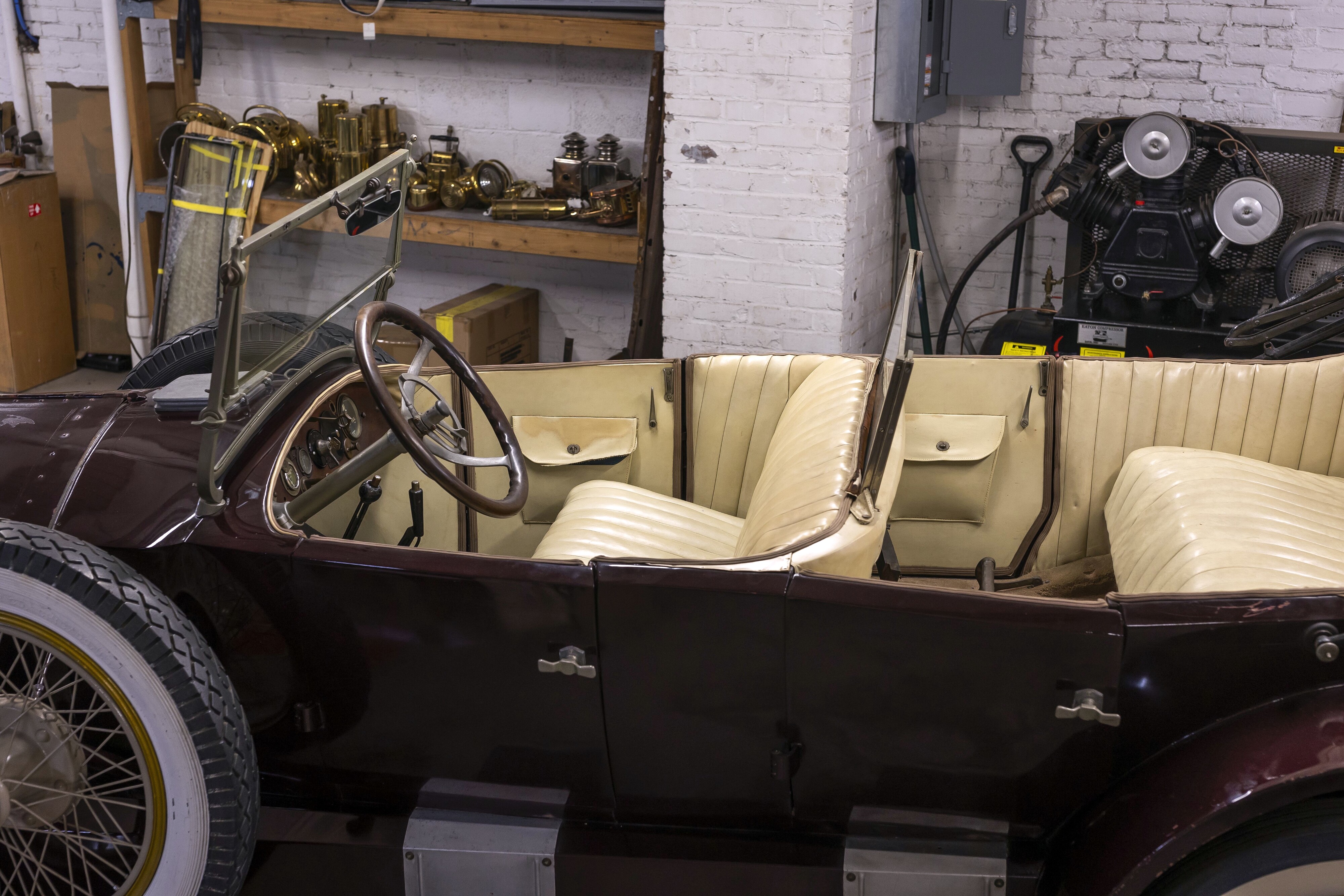
1920 Roamer Model 4-75-E 4-Passenger Touring Sport (Rochester Duesenberg Engine No 174)
Inventory Number: 3056
$225,000
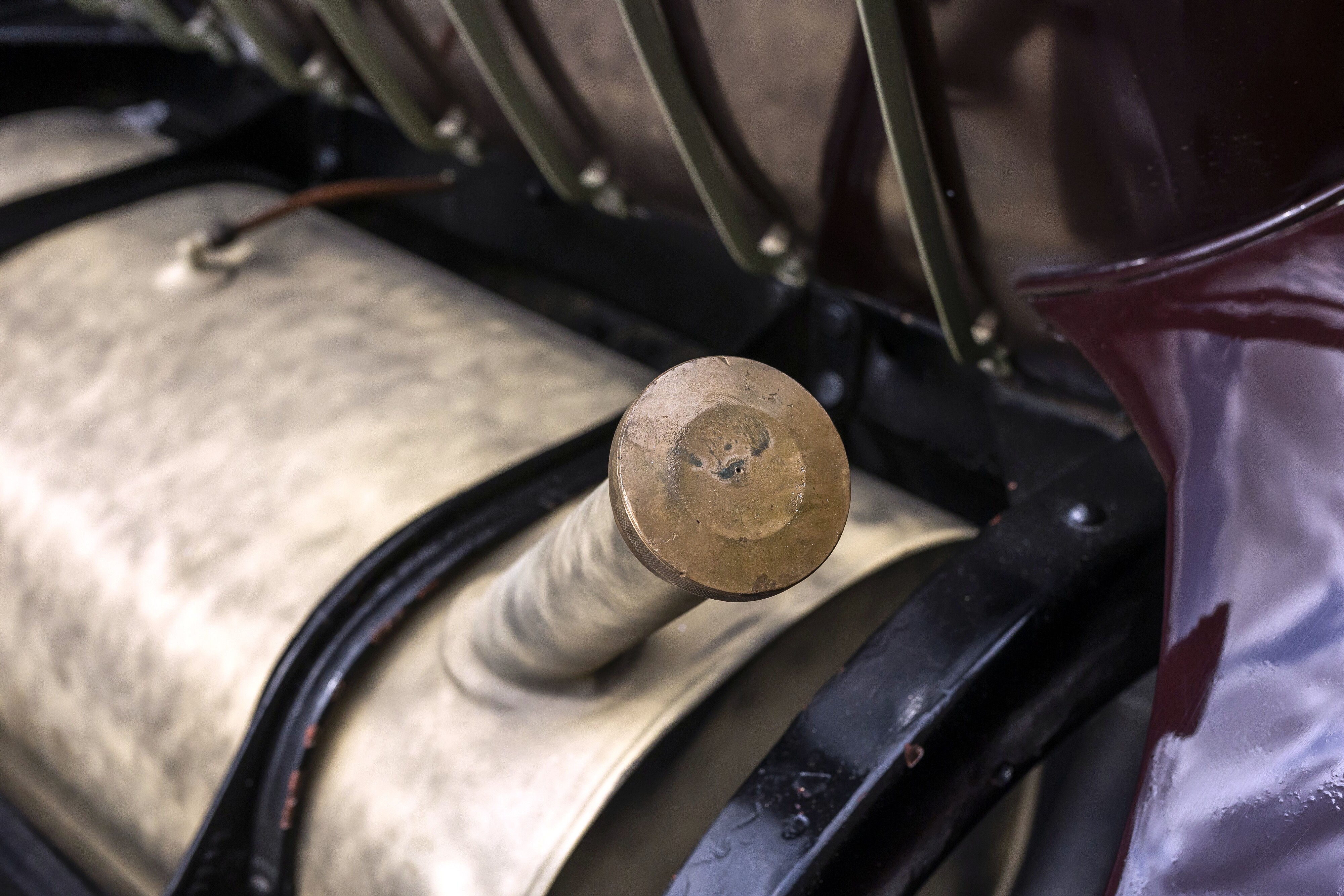
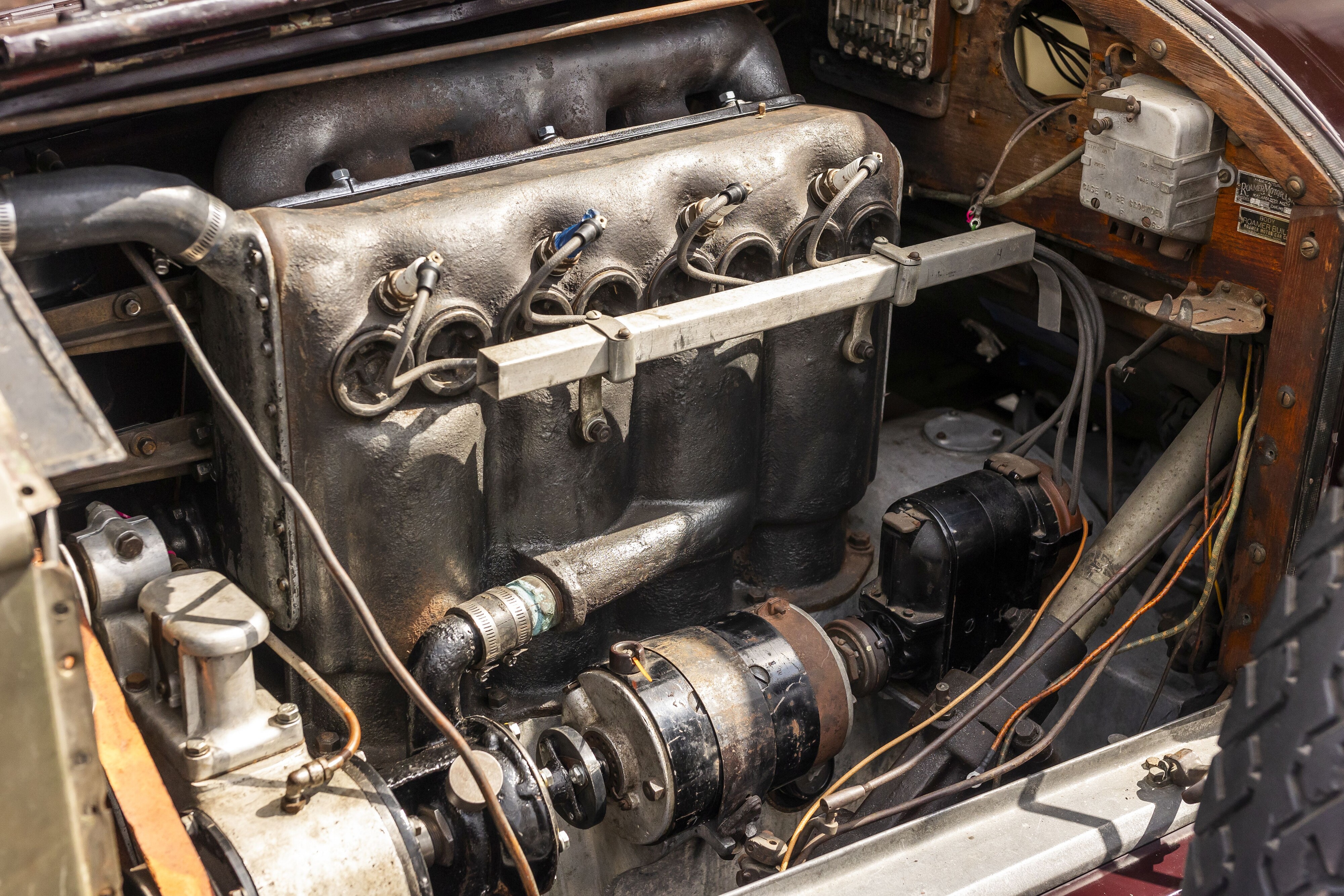
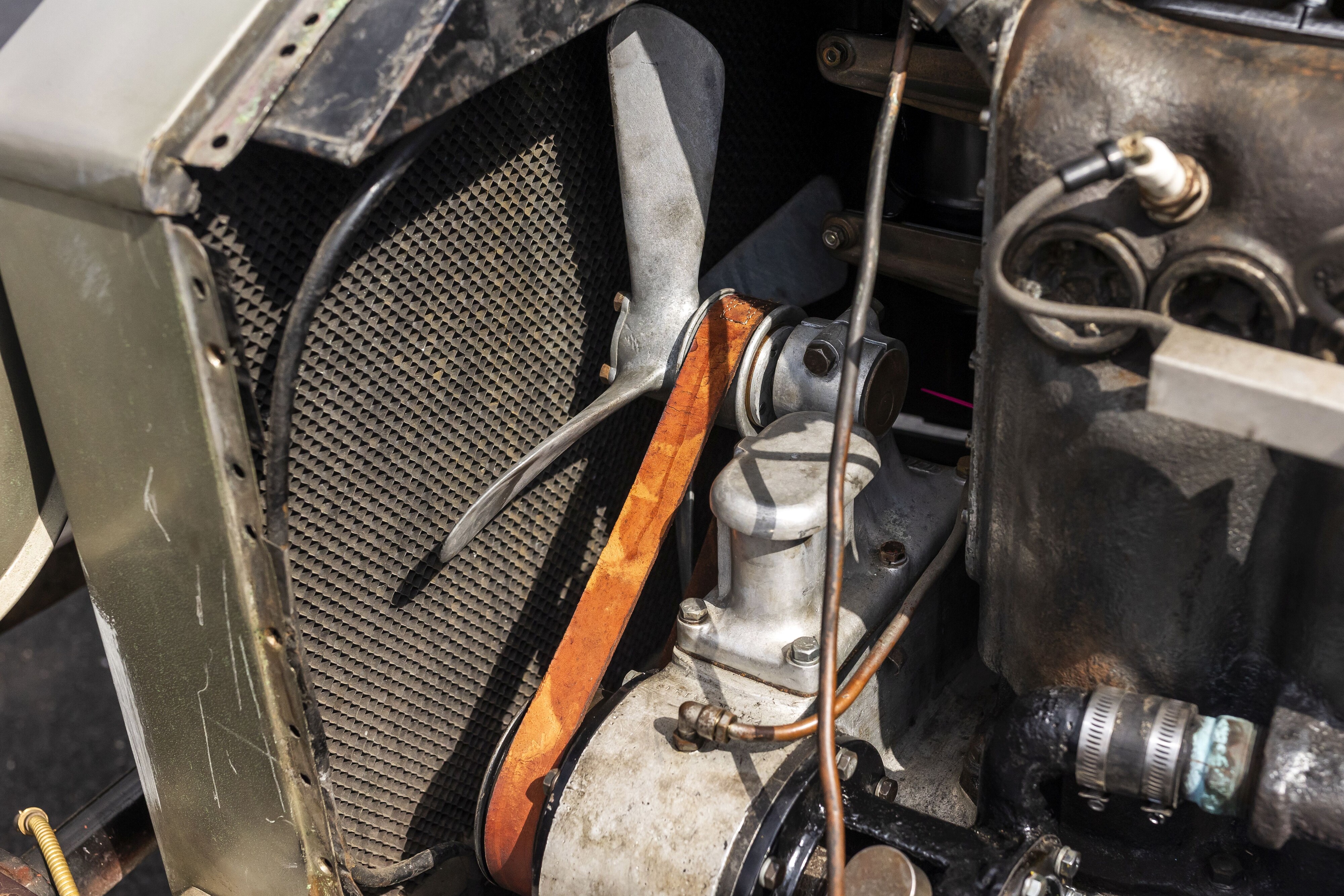
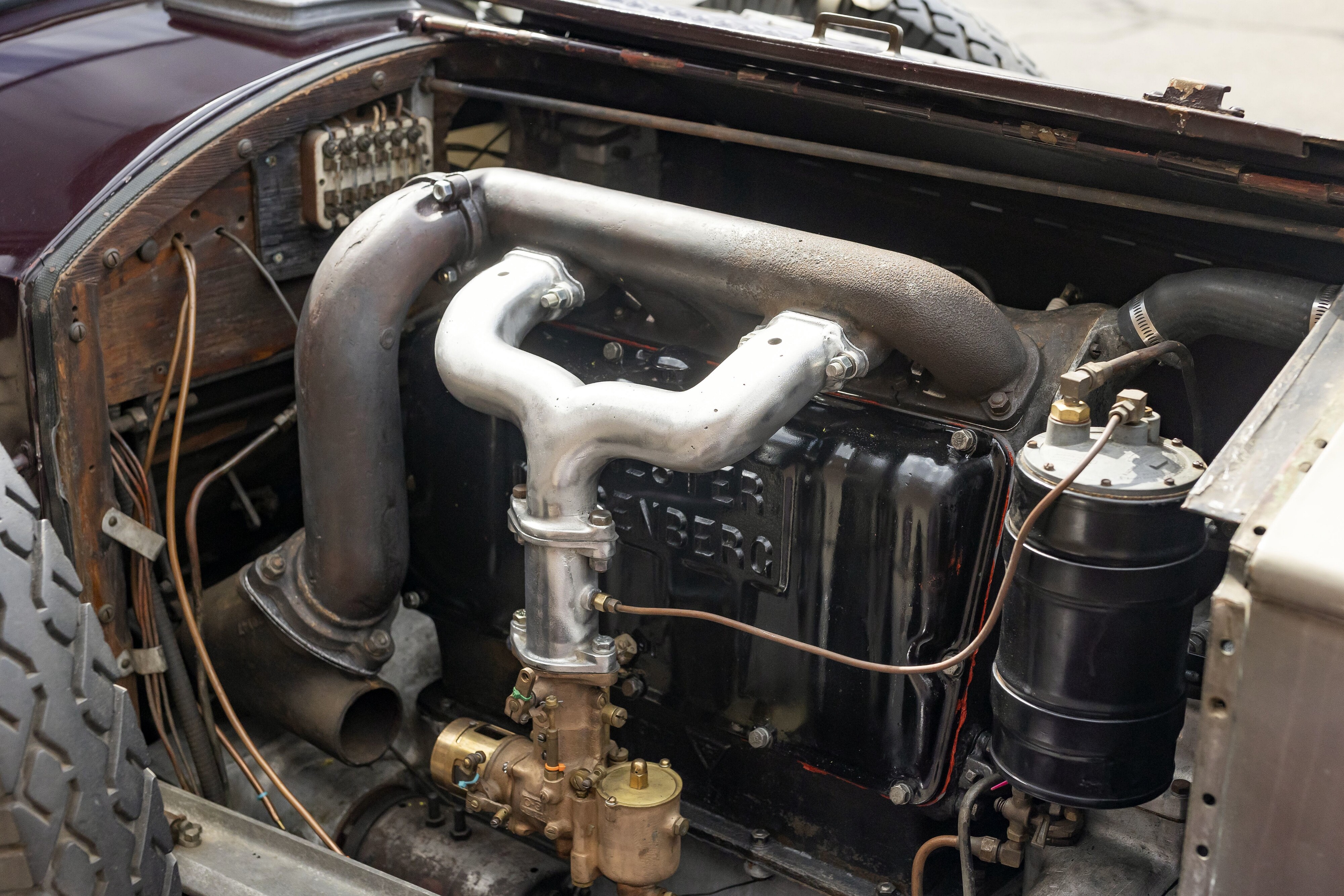
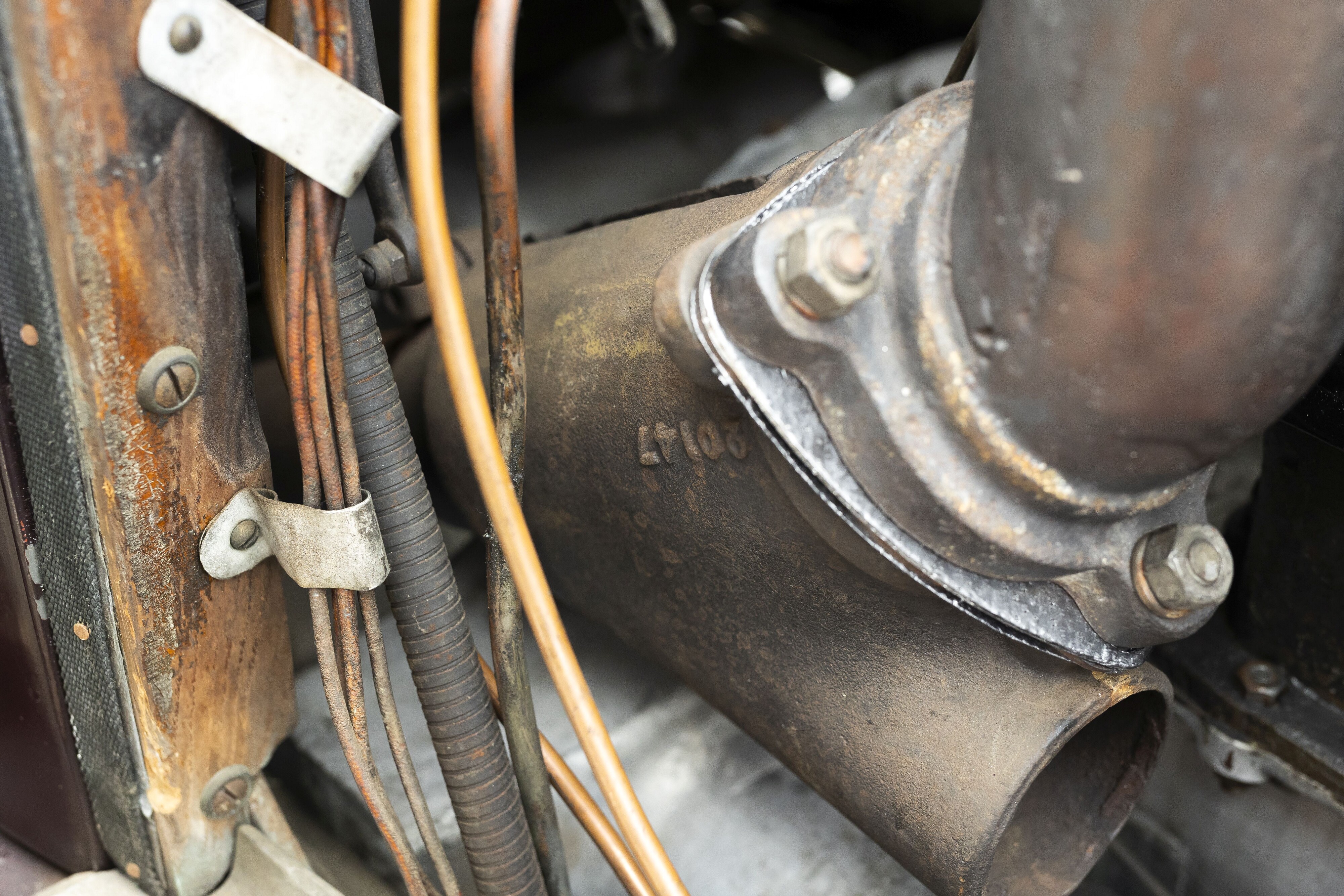
- ENGINE: 4-Cylinder Rochester Duesenberg straight-four-cylinder engine, notably featuring Fred Duesenbergs patented "walking beam" overhead valve (OHC) design
- BORE: 4”
- STROKE: 6”
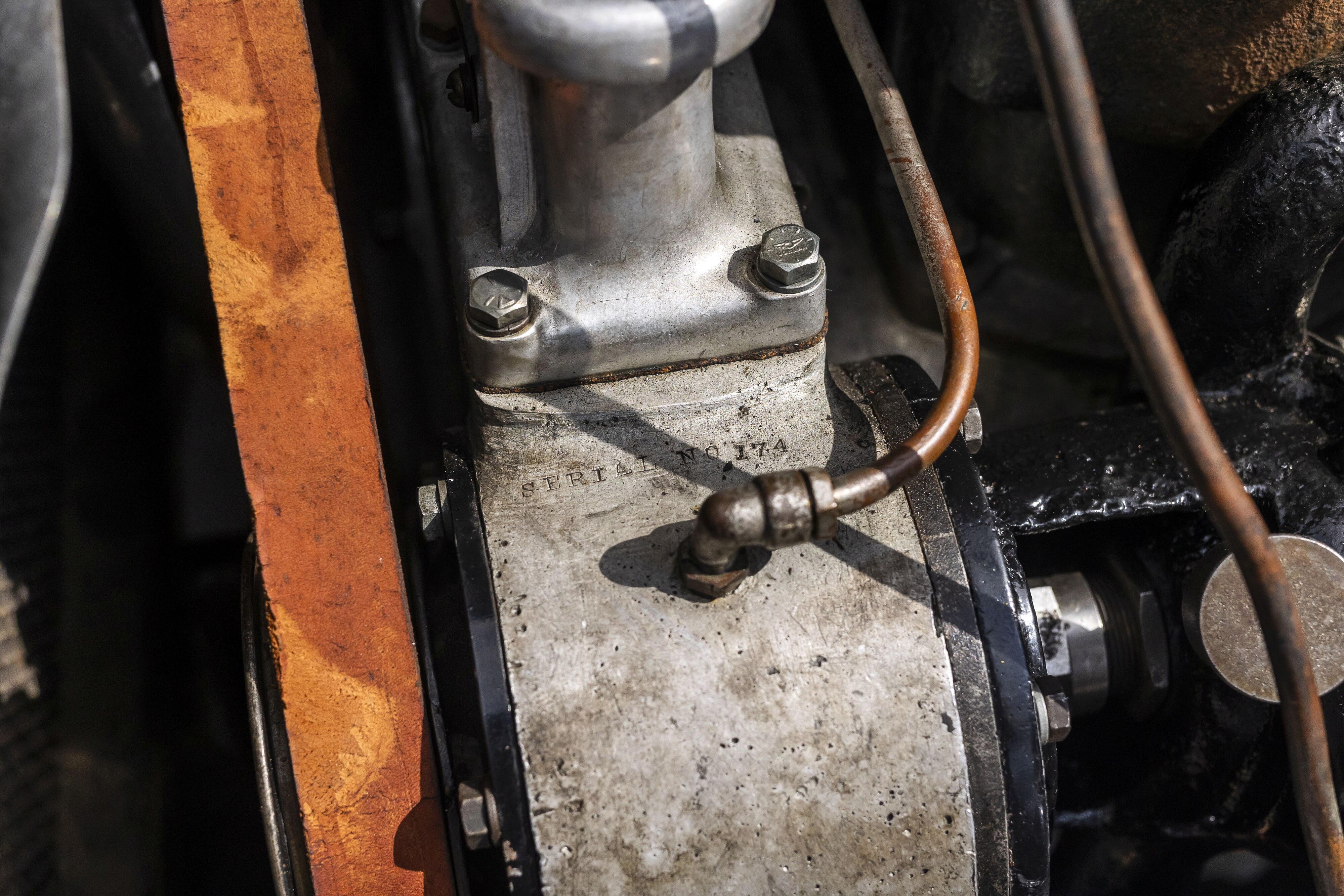
- ENGINE NO: 174
- HP: 78
- WHEELBASE: 128 in.
- SUSPENSION: first year of the rear double cantilever springs
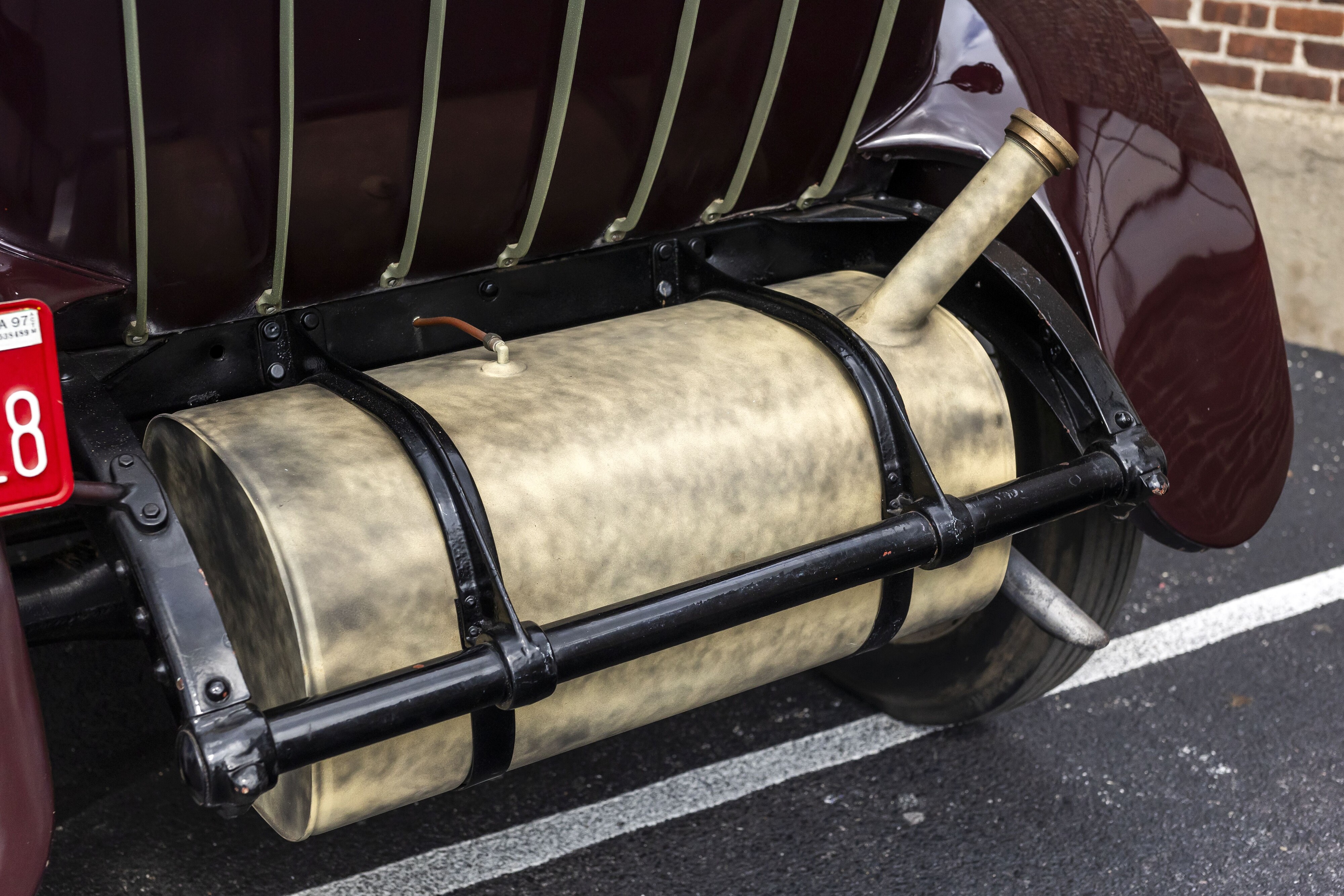
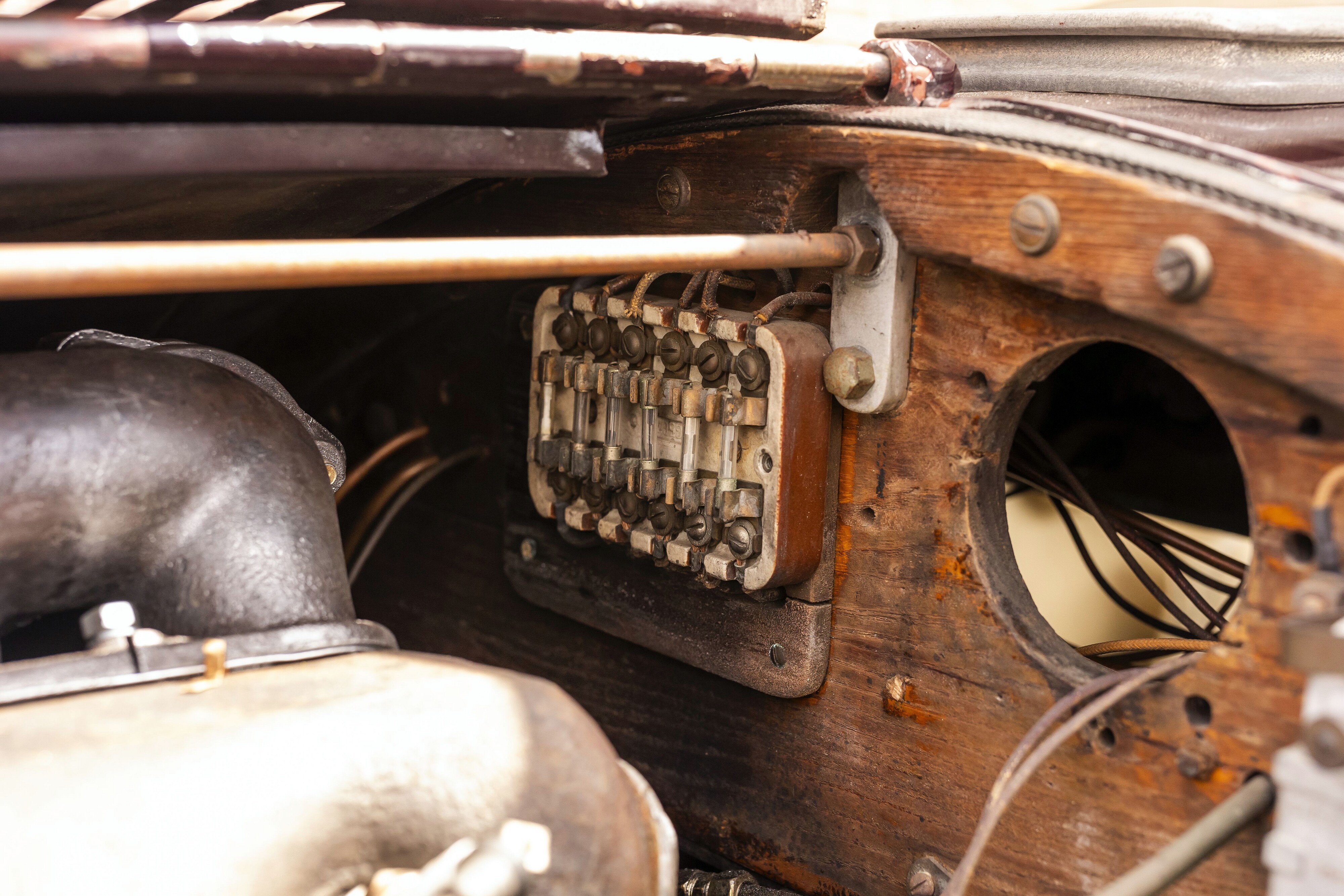
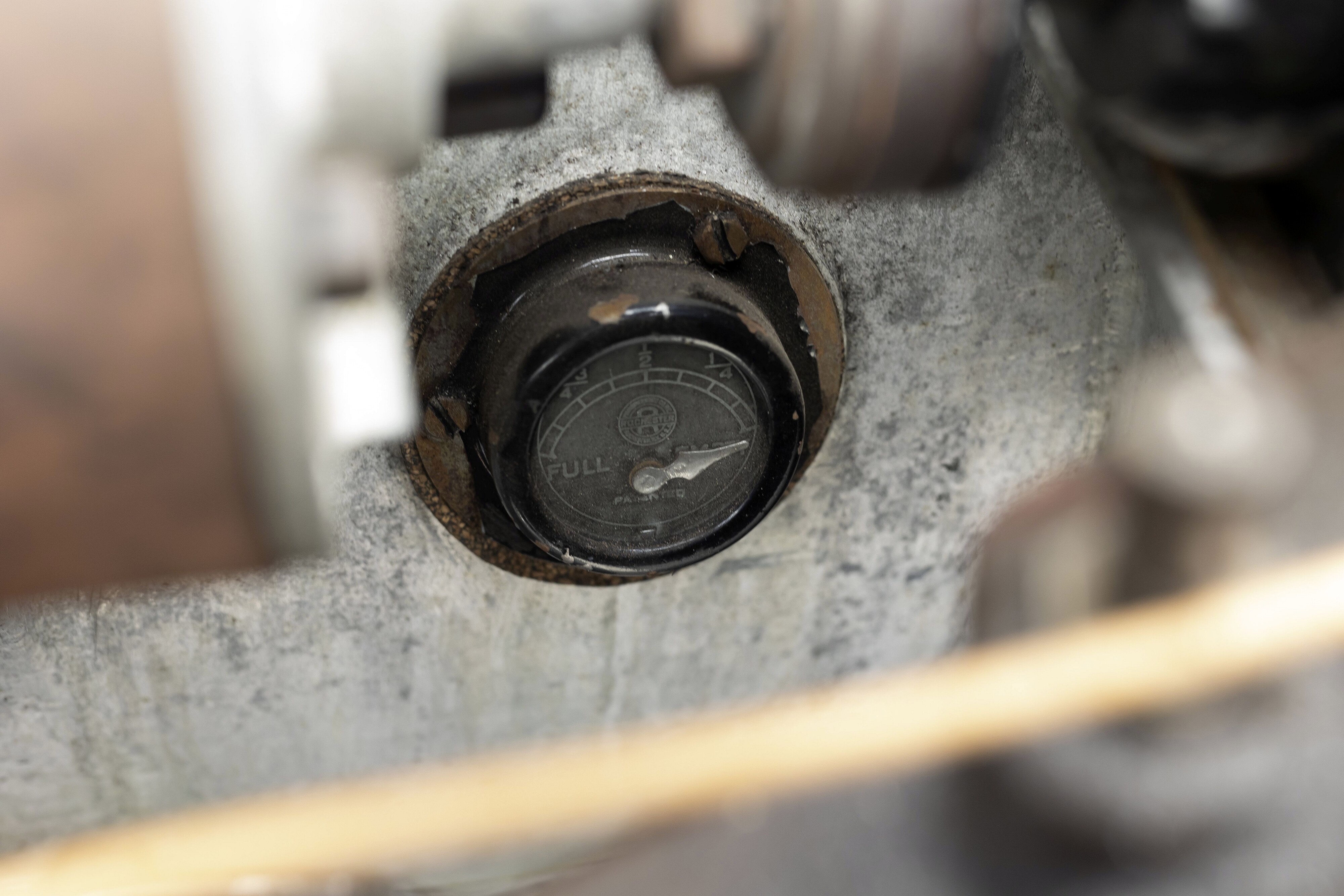
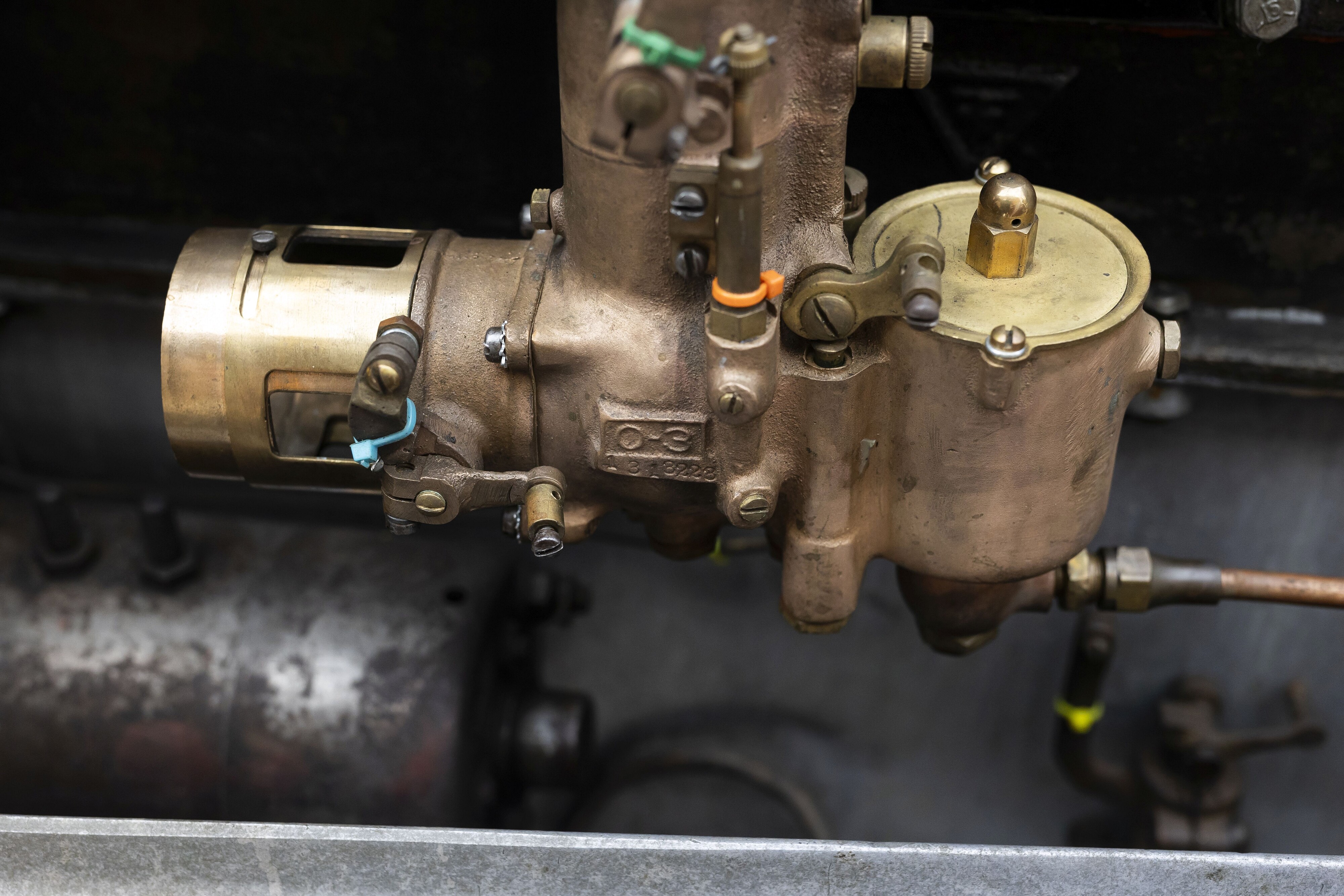
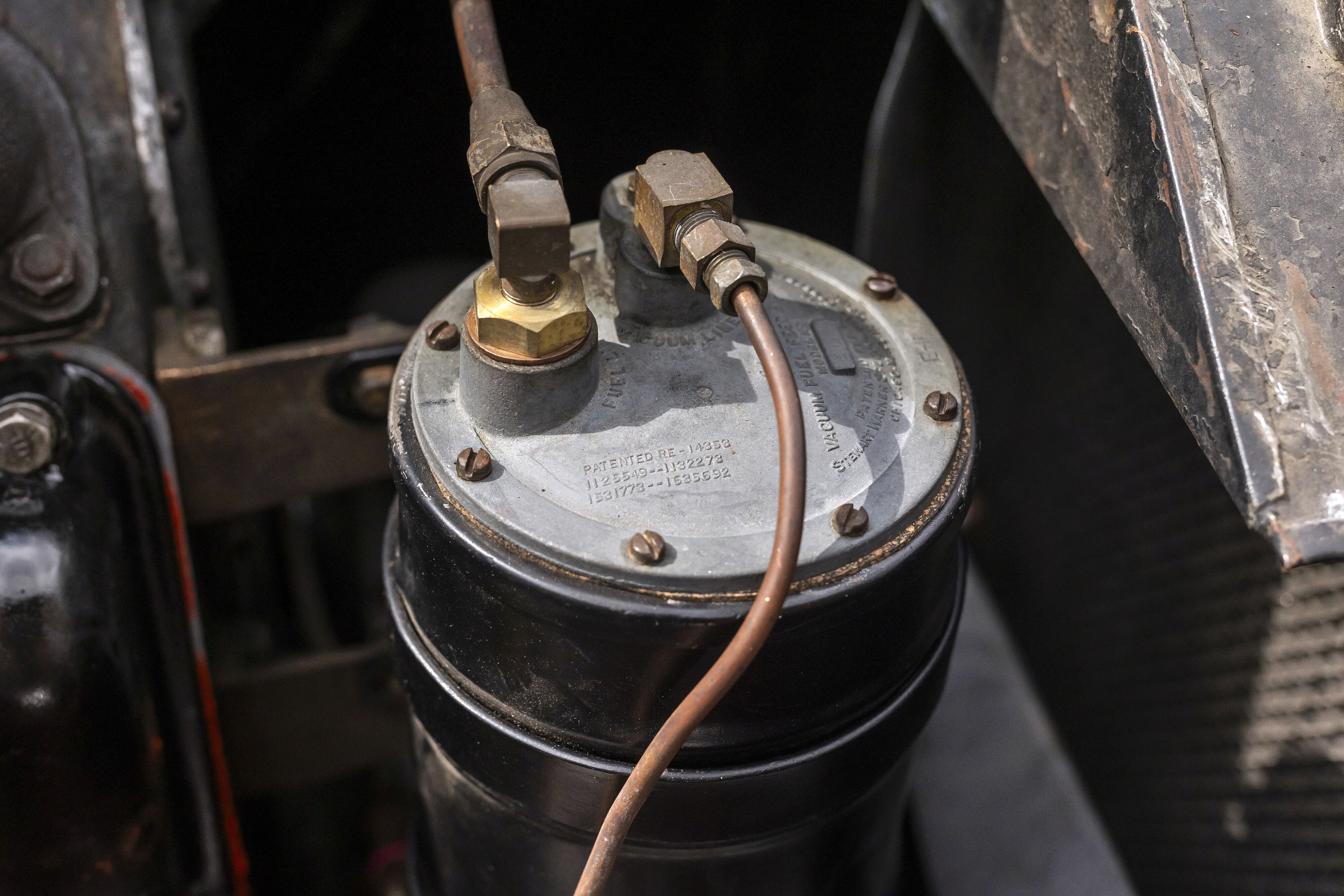
- VACUUM GASOLINE SYSTEM: Stewart Model 127 B from the Stewart-Warner Speedometer Corp. of Chicago
- ELECTRIC STARTING & LIGHTING SYSTEM: Westinghouse Electric & Mfg. Co. of East Pittsburg, PA #293478
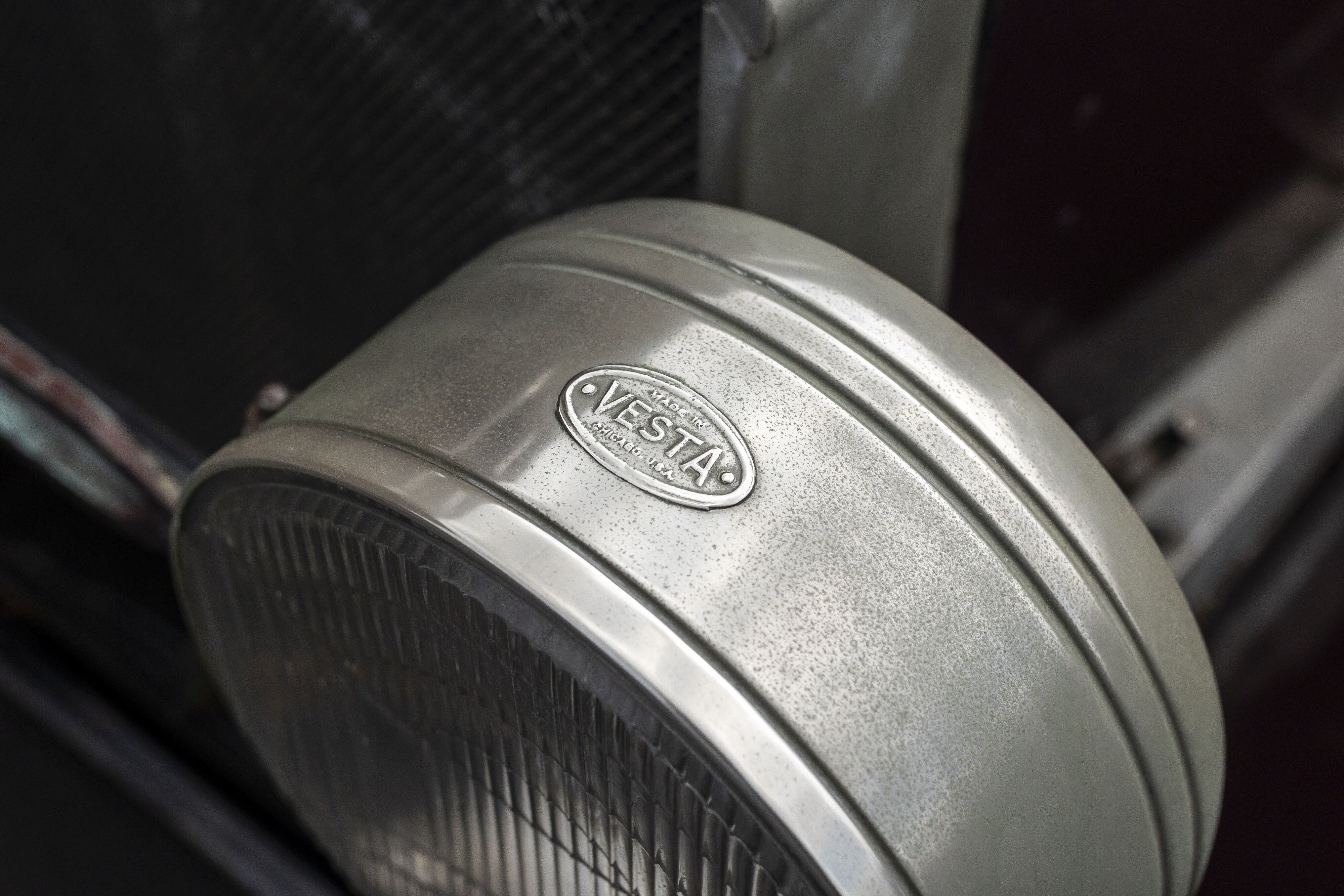
- HEADLIGHTS: Vesta Accumulator Co. of Chicago, IL, USA
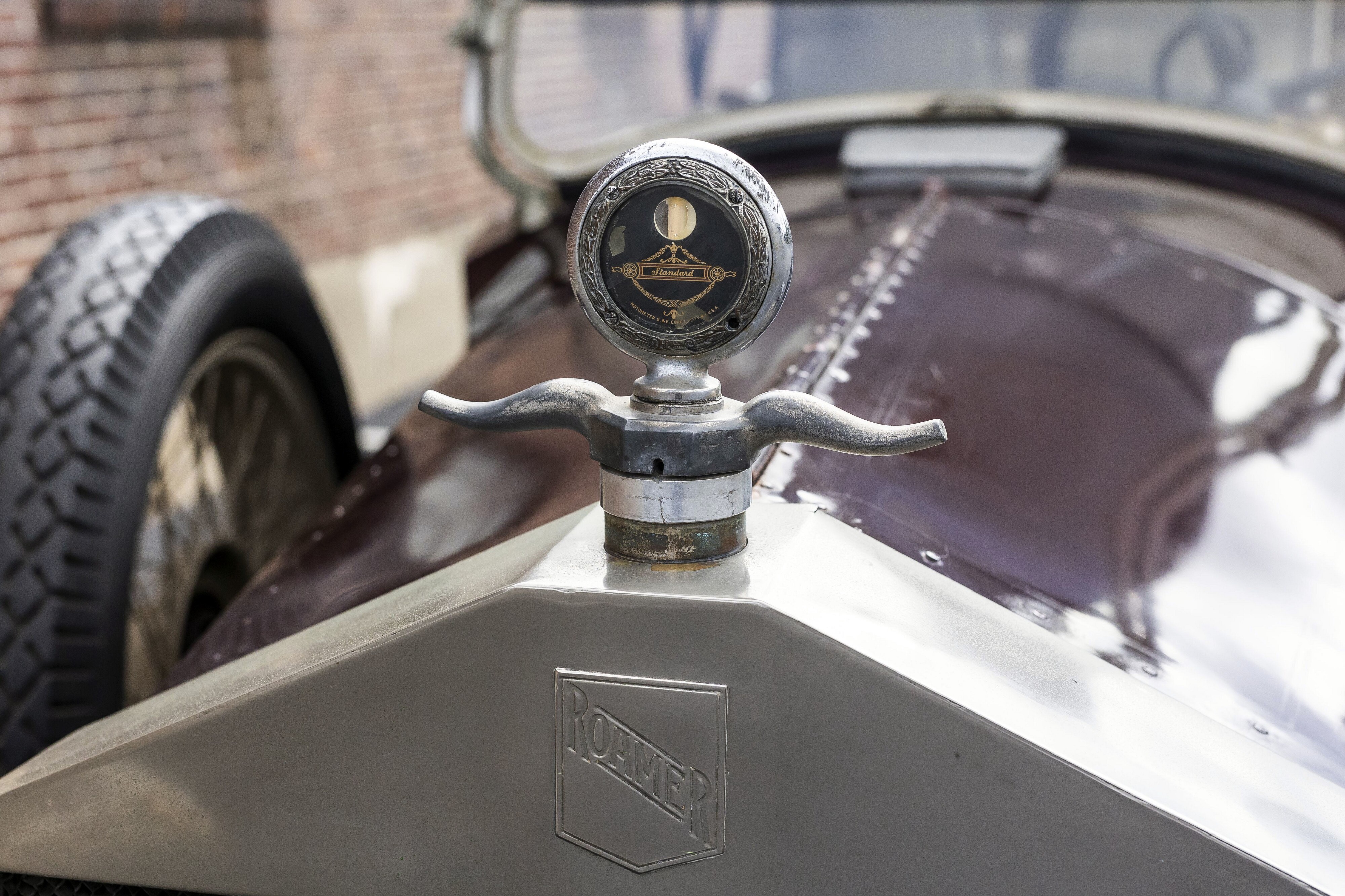
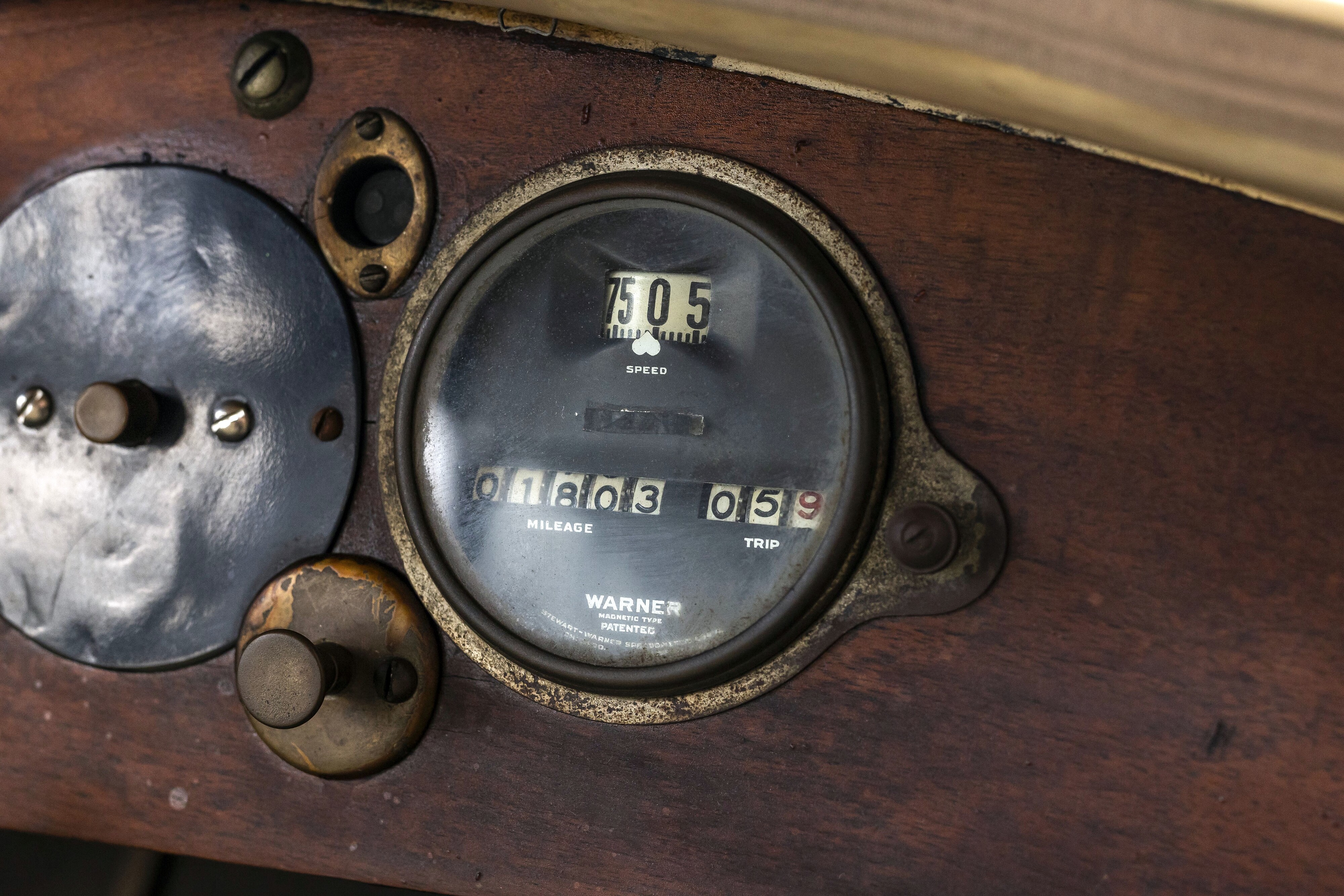
- SPEEDOMETER: Stewart-Warner Speedometer Corp. with 1,803 miles
- TIRES: 32 x 4.5
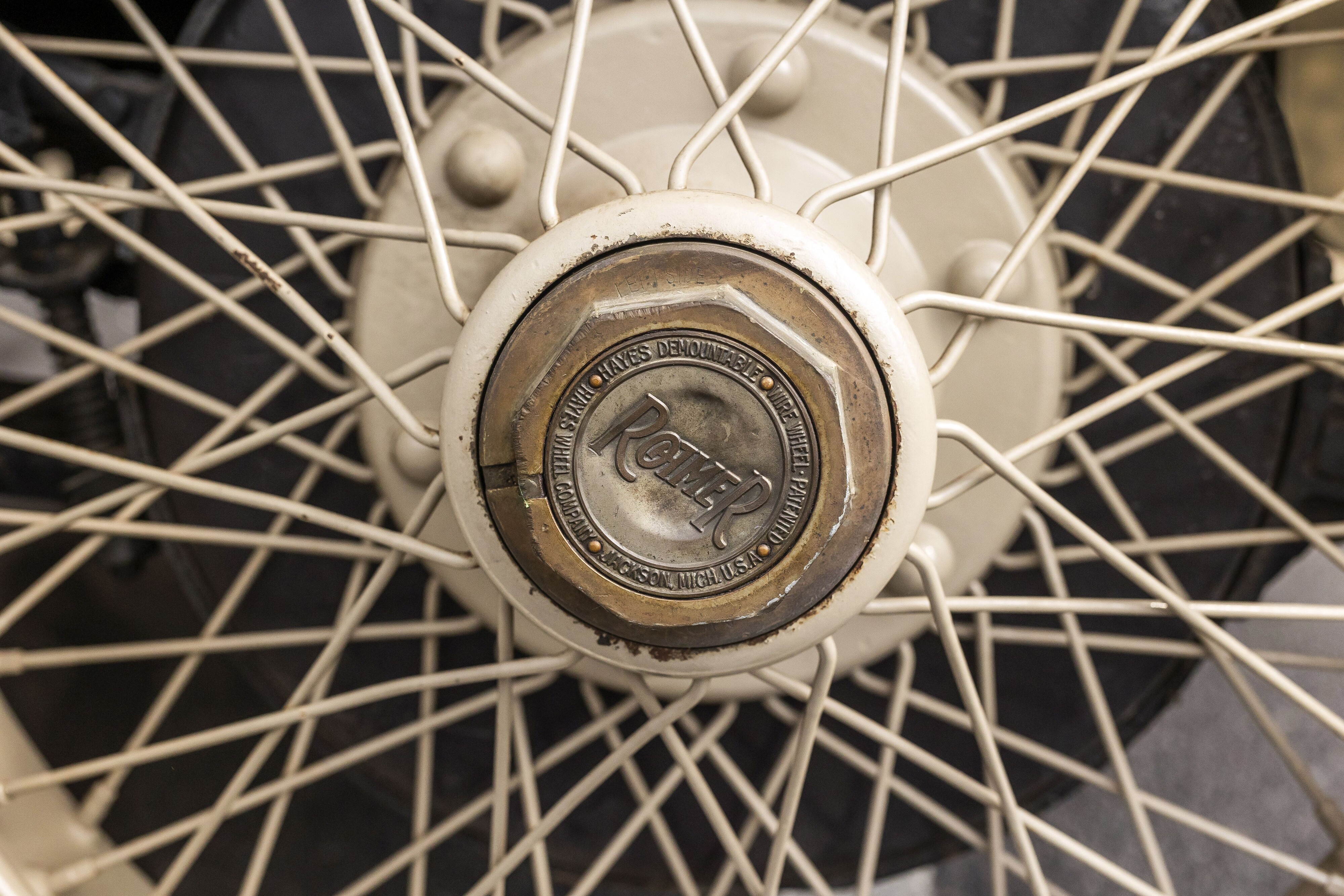
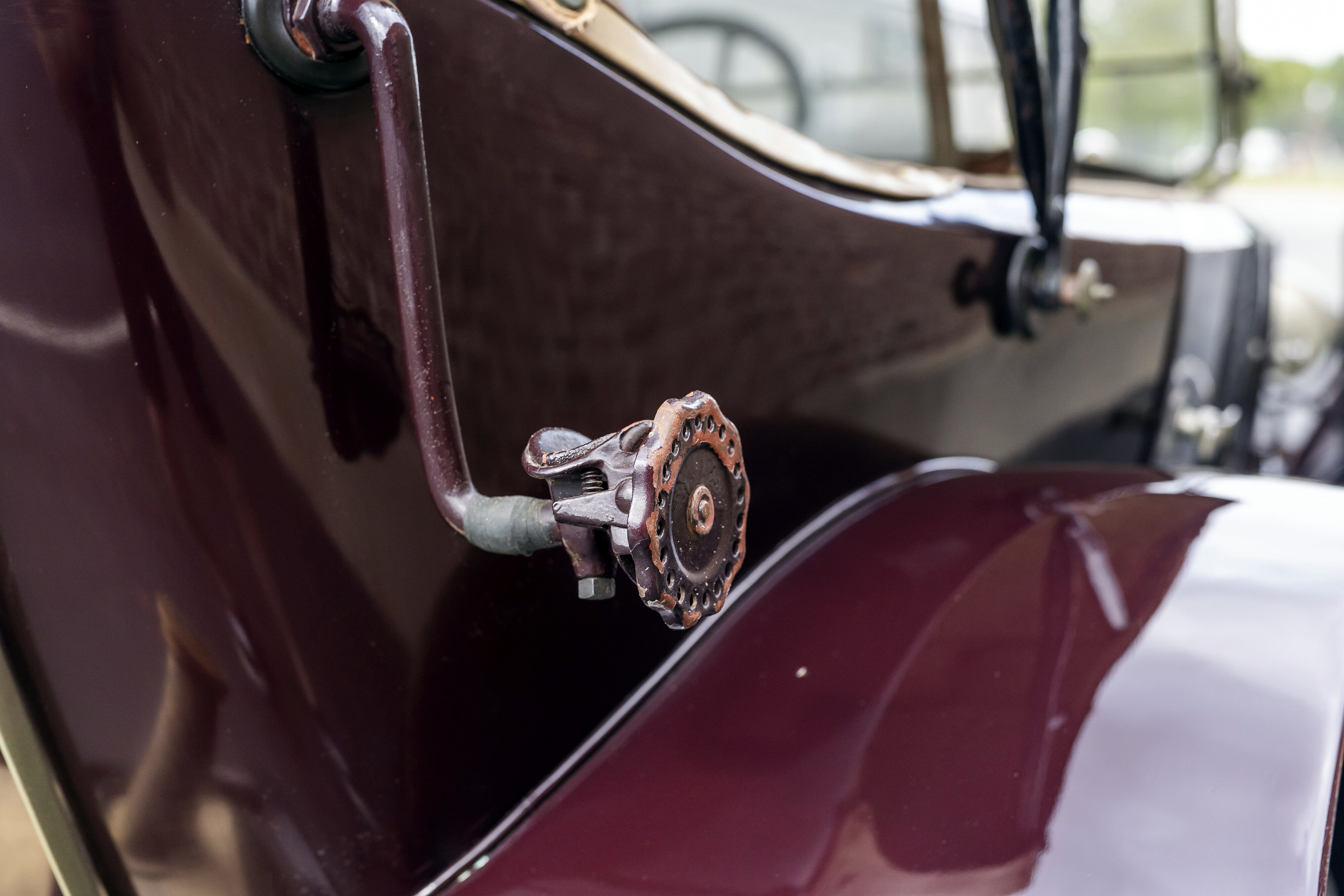
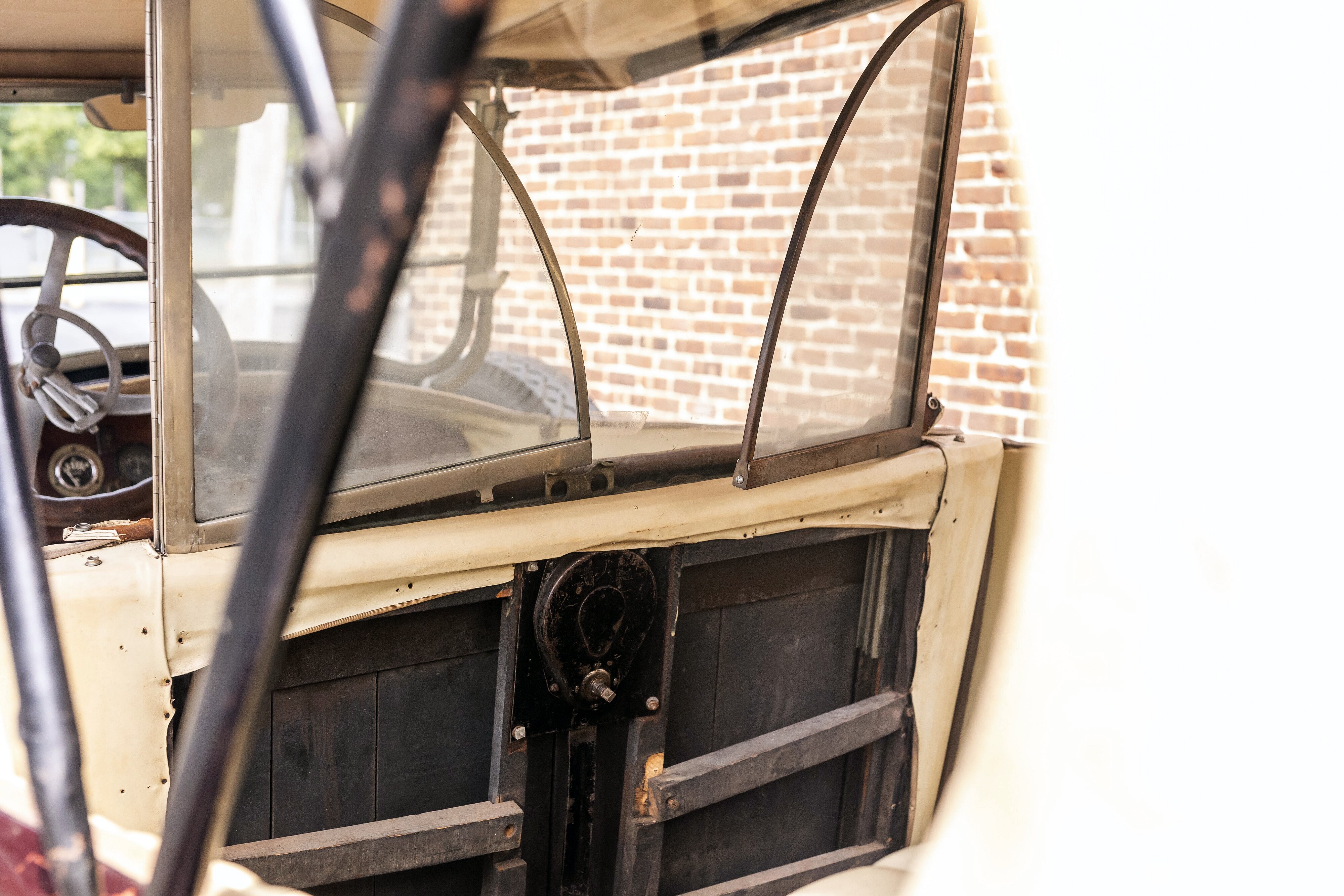
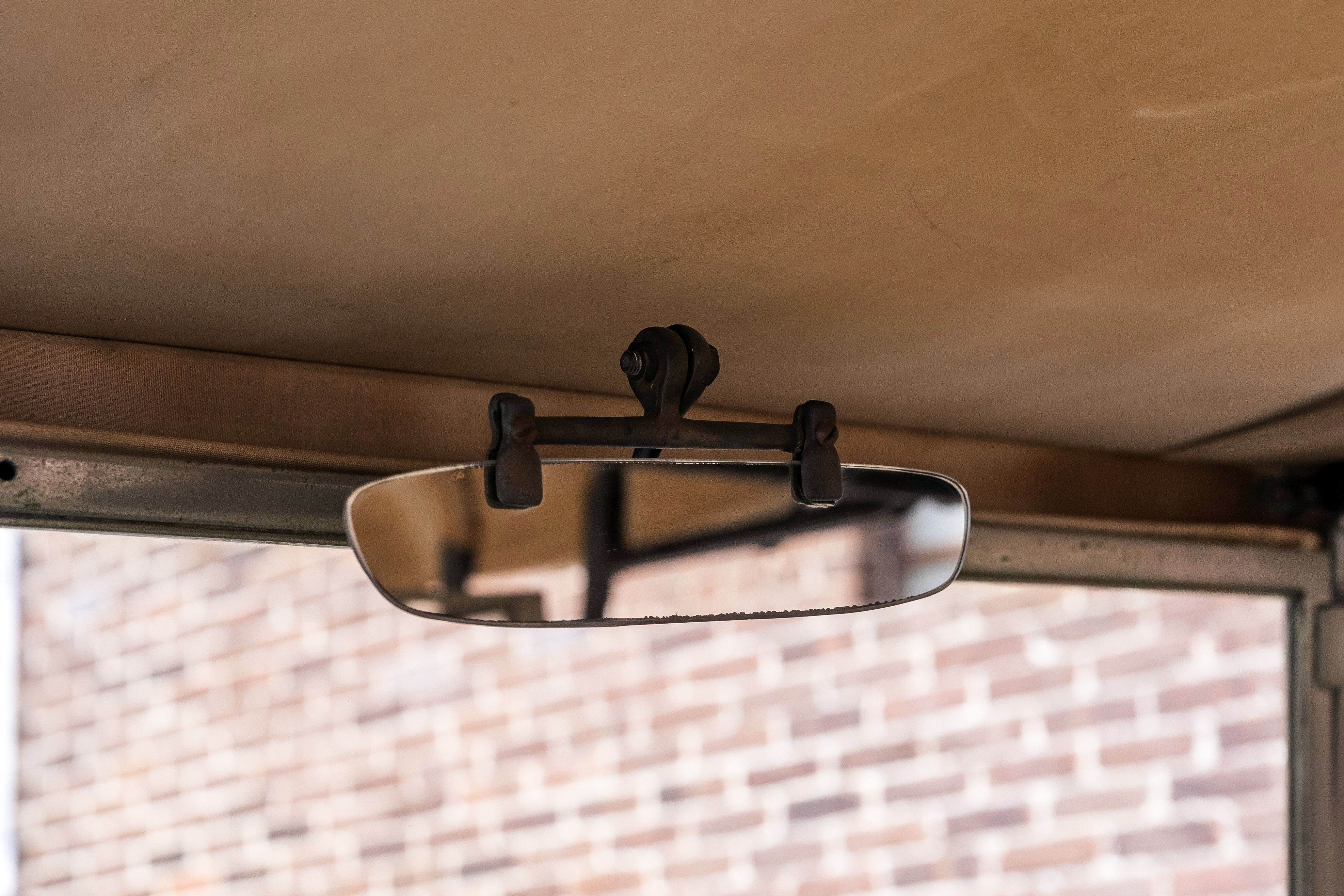
- FEATURES: (2) Side-mounted wire-rimmed spares, disappearing tonneau windshield, rearview mirror
The Roamer Automobile Company was founded in Kalamazoo, Michigan, in 1916 to produce luxury automobiles, including the Roamer (1916–1929), the Barley (1922–1924), and the Pennant (1924–1925). Albert Barley, successor of the Erie Motor Carriage Company and manufacturer of the Halladay automobile since 1905, purchased the assets of the Streator Motor Car Company in 1913 and formed the Barley Manufacturing Company. Cloyd Kenworthy (who later developed the Kenworthy), a distributor of Rauch & Lang electric automobiles at the time, approached Barley about producing an upscale gasoline-powered vehicle. Together with Karl H. Martin (who later developed the Wasp), they incorporated the Barley Motor Car Company in New York from Barley Manufacturing and later reformed it into the Roamer Motor Car Company in 1924. They would produce an estimated 11,800 vehicles from Kalamazoo in a factory that had formerly manufactured the Michigan and Greyhounds.
Roamer automobiles were assembled cars of a very high quality, quite expensive, and named after a racehorse. They were sporty in style, with low body lines, rakish windshields, thin fenders, and wire wheels. They were offered to the prospective buyer with various engine options, including a Rutenber, a six-cylinder, 303-cubic-inch L-head Continental, or the pricier but magnificent 75–100 horsepower Rochester-Duesenberg “Walking Beam.” The efficient Duesenberg engines were operated by a complex rocker-arm arrangement hidden behind a polished alloy cover with side combustion chamber valves and could be found in race cars of the era. This exclusive model was expensive, and fewer than 1,000 were equipped with the Walking Beam. A Roamer with a Duesenberg engine driven by chief engineer L.F. Godspeed and Eddie Herne set six records for one-kilometer and five-mile sprints at Daytona Beach in 1921. The advertisements that followed stated that “America’s smartest car makes America’s fastest mile.”
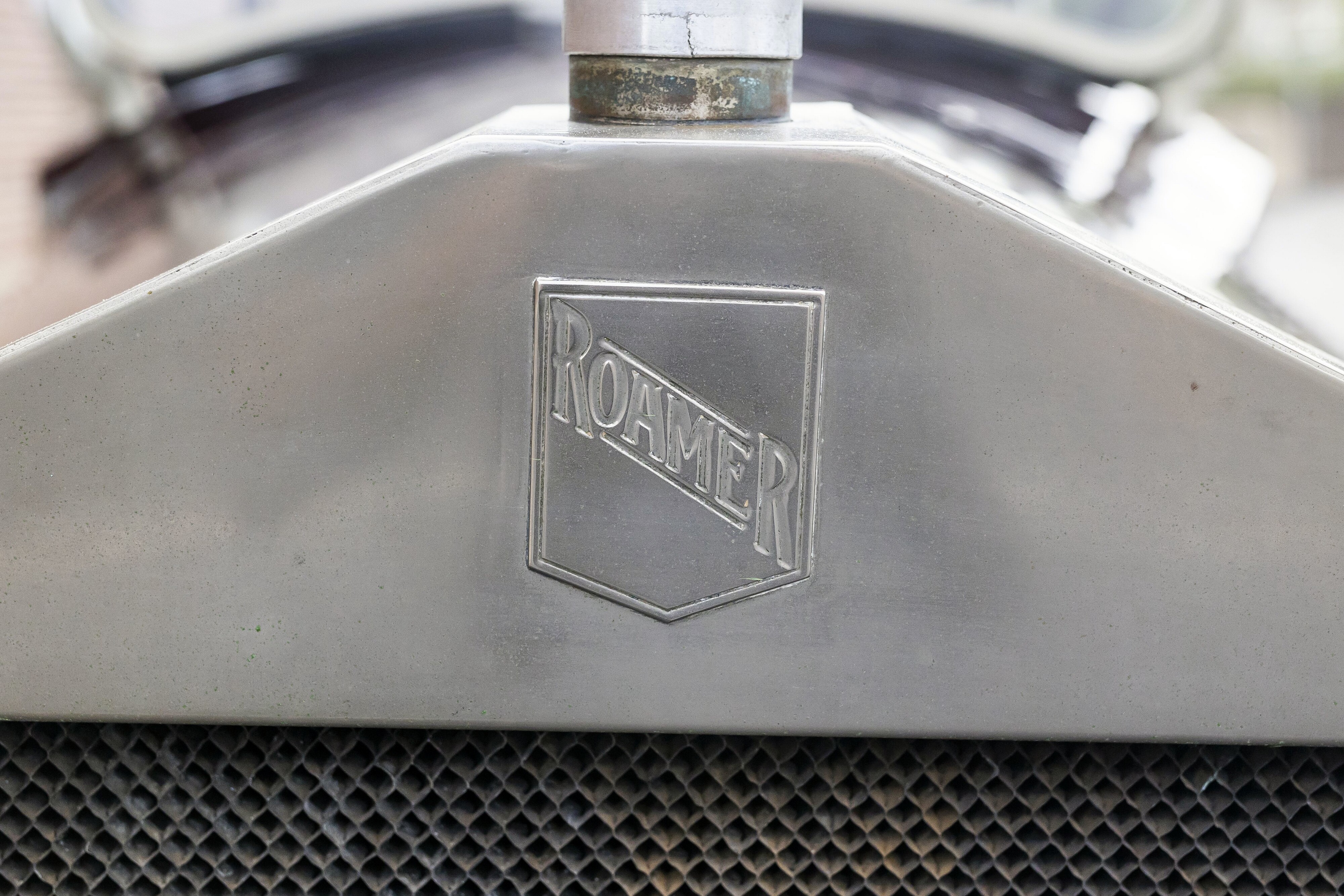
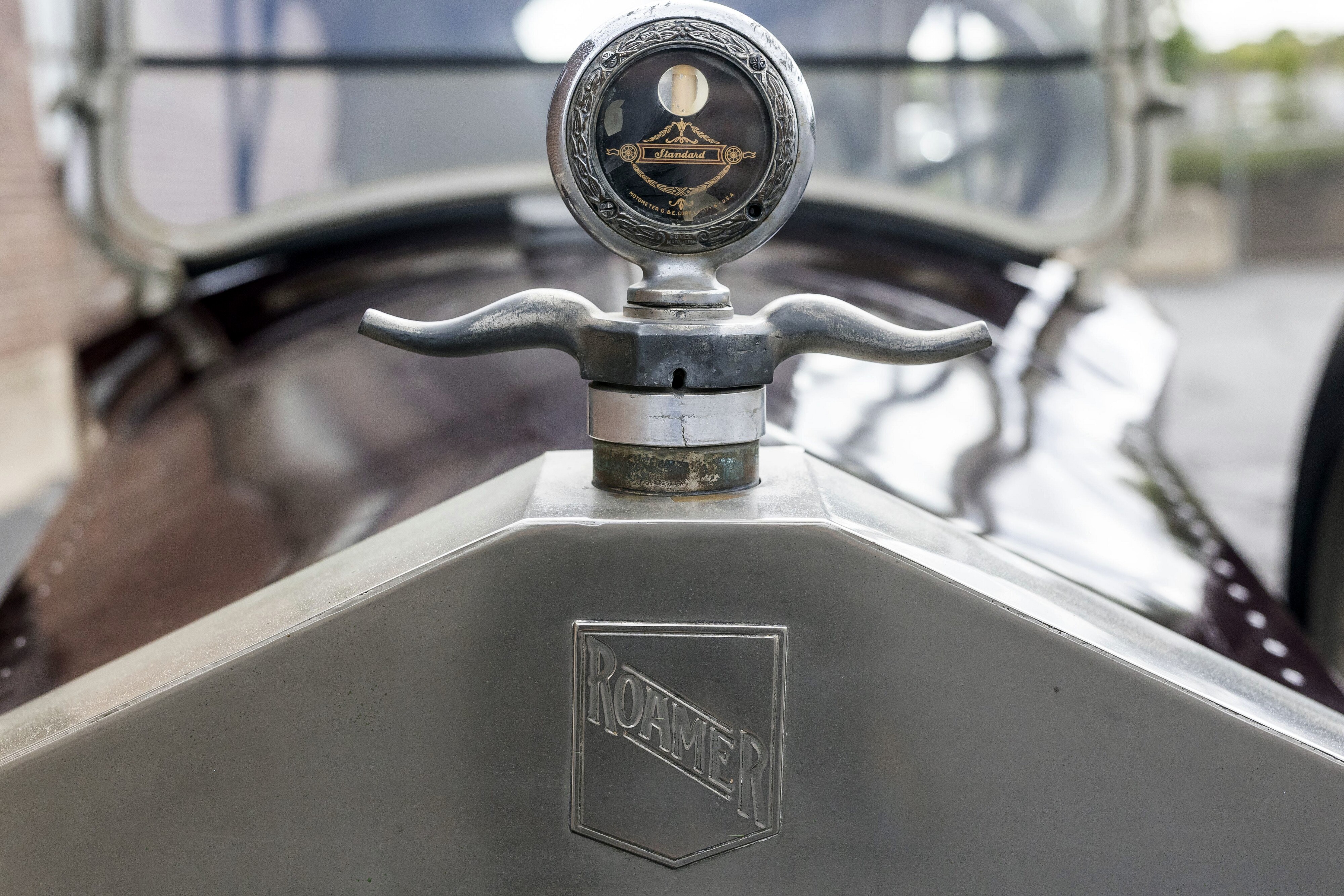
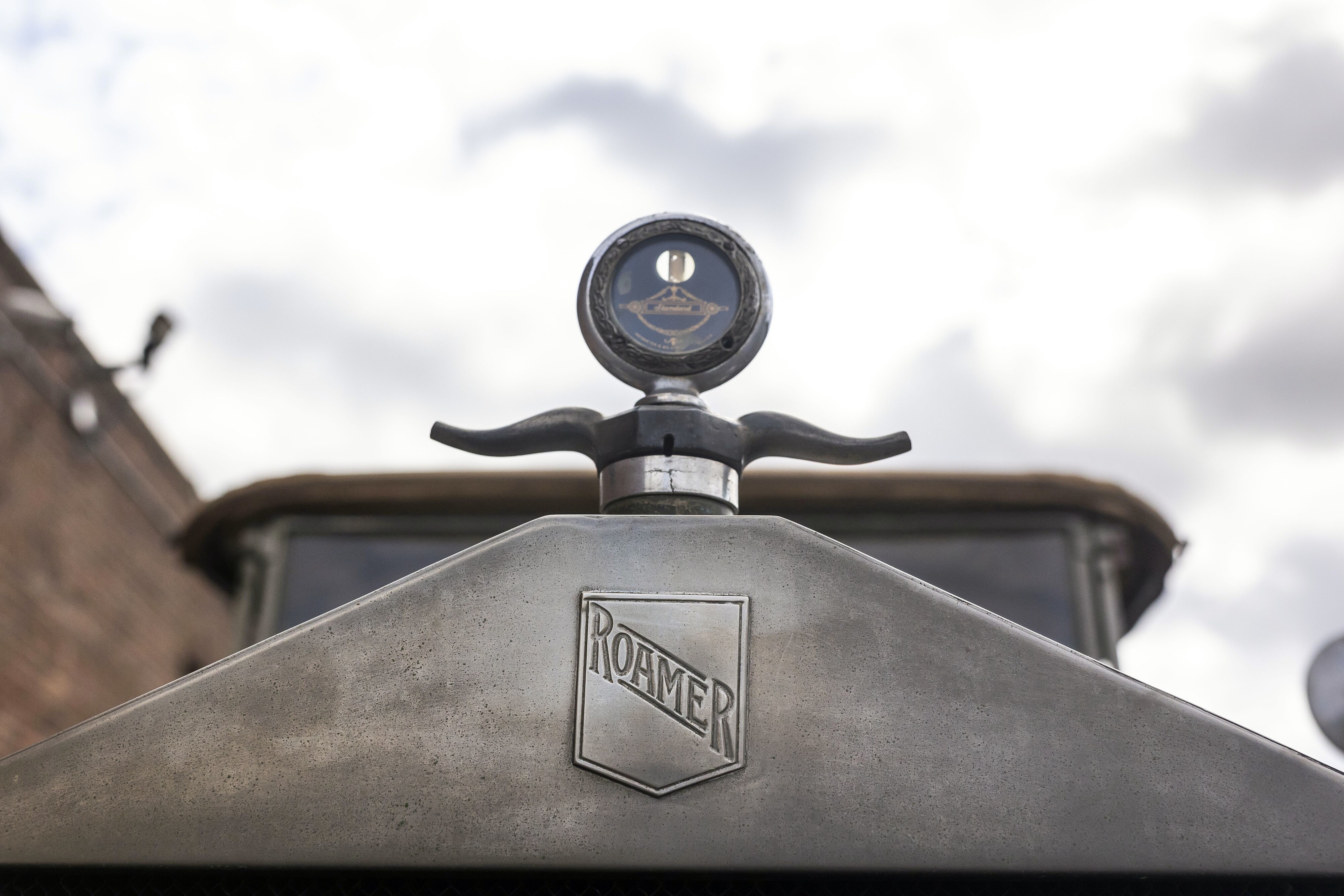
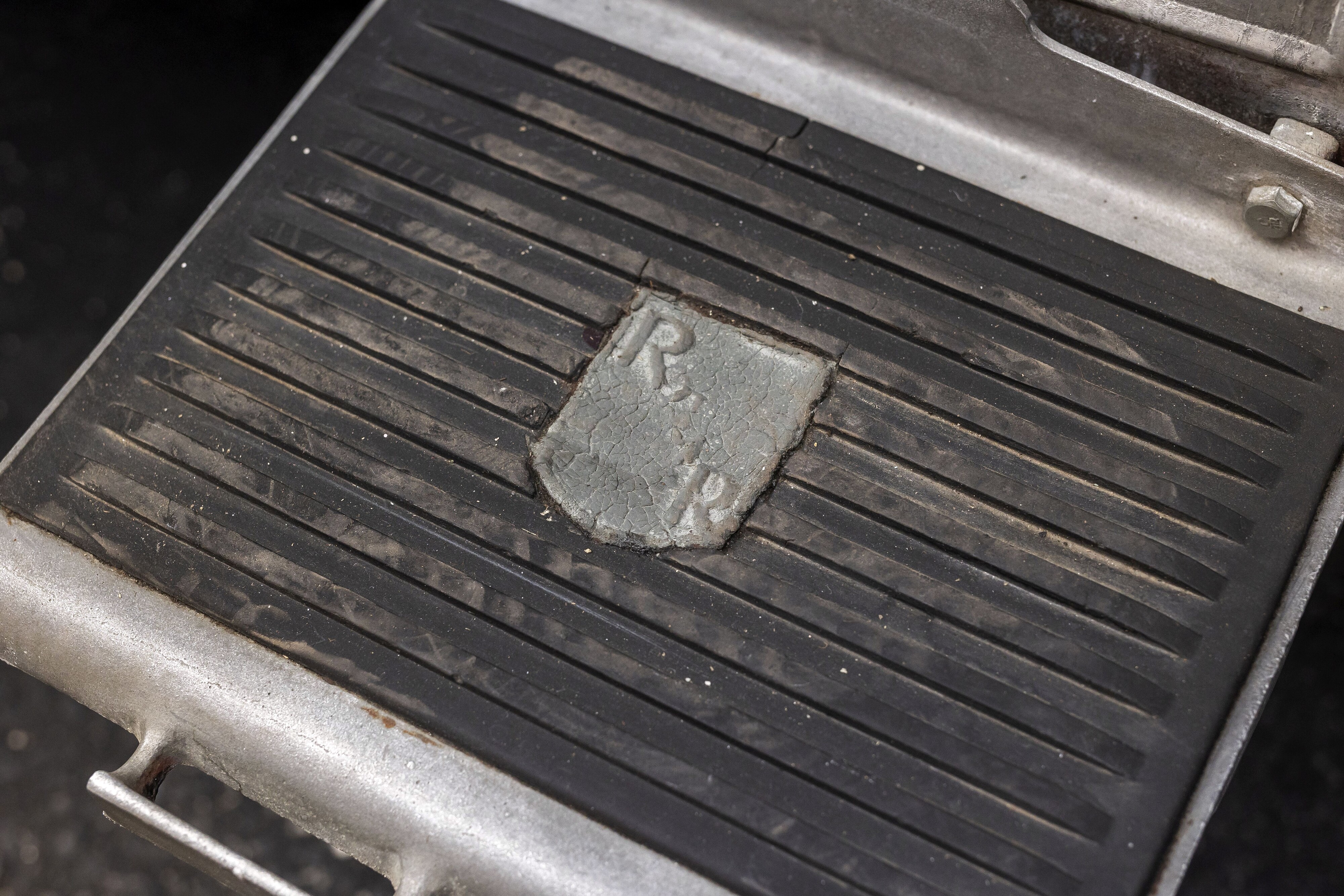
As assembled vehicles, they were sold to the customer as entirely customizable. Each year, there was not only a variety of engine options but also quite a few body styles to choose from. You could choose any color scheme you desired and numerous upholstery options, making each Roamer unique. They advertised, “There need be no standard color or even no standard body for your Roamer. You may select as you choose or select our own creations. Thus your Roamer is your own conception.” The grille was nickel-plated and fashioned after the Rolls-Royce, and the resemblance, combined with the R logo, was embraced by consumers.
In 1925, the Roamer switched to Lycoming engines, and sales were disappointing. The market for assembled cars in the luxury sector declined ahead of the impending Depression, and the last Roamer was produced in 1929. Roamer is still remembered as “America’s Smartest Car” for its striking appearance, luxurious features, early racing success, and custom options. Only a select few Duesenberg-Roamers remain in existence today, making them a remarkable piece of history.