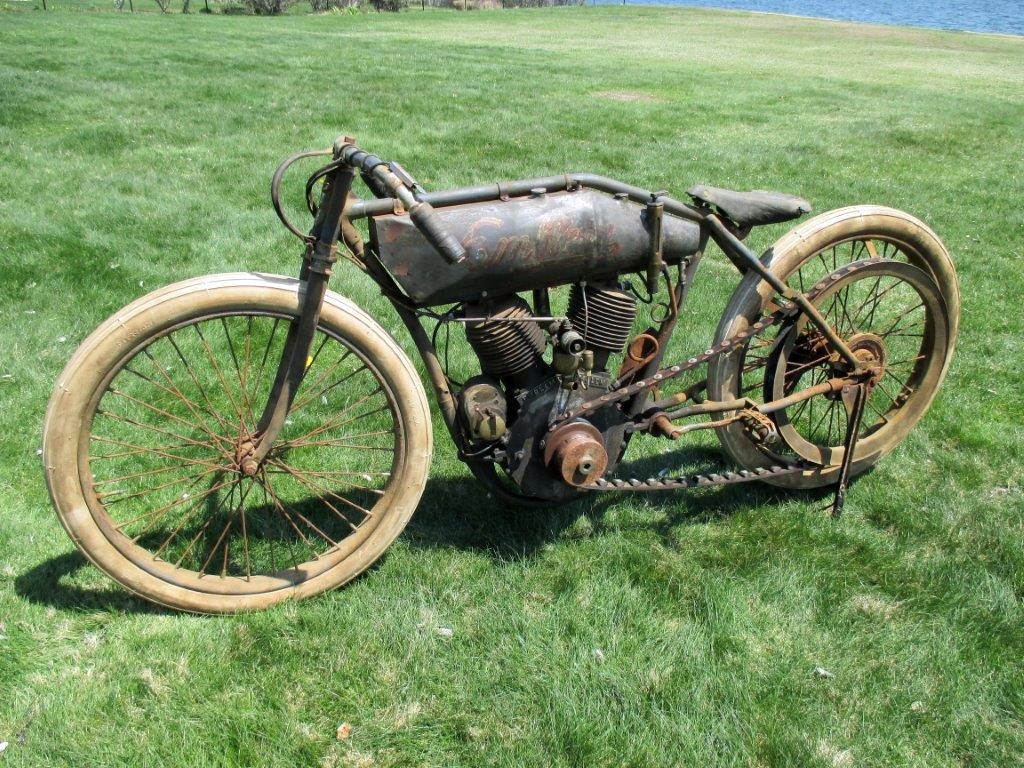
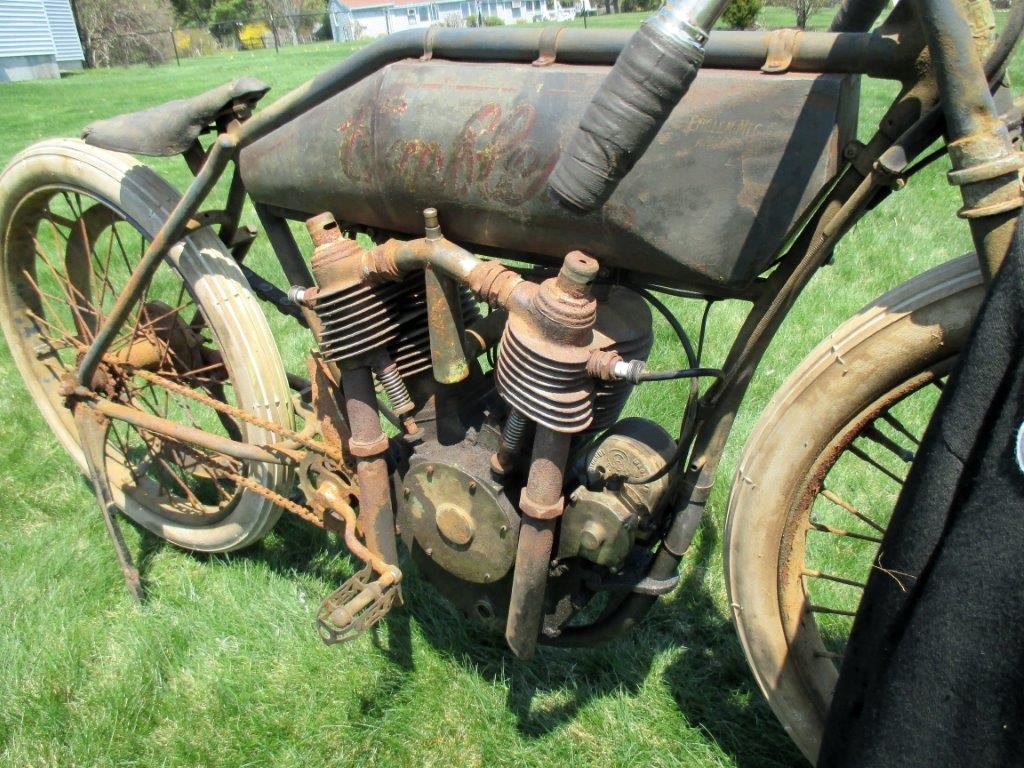
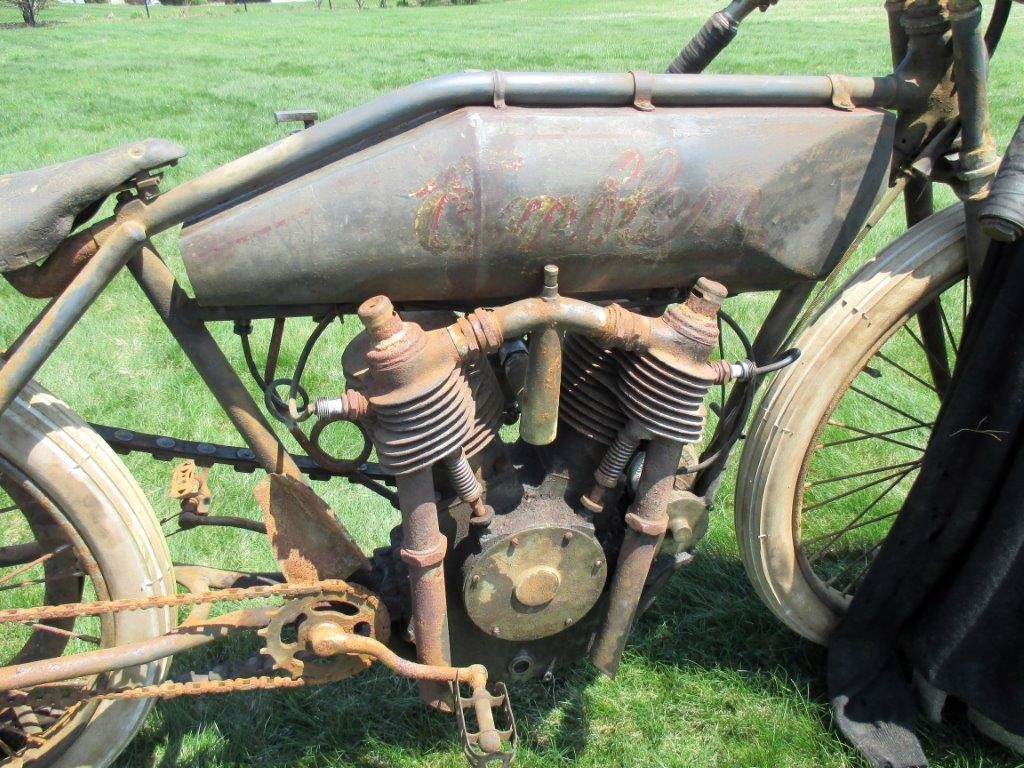
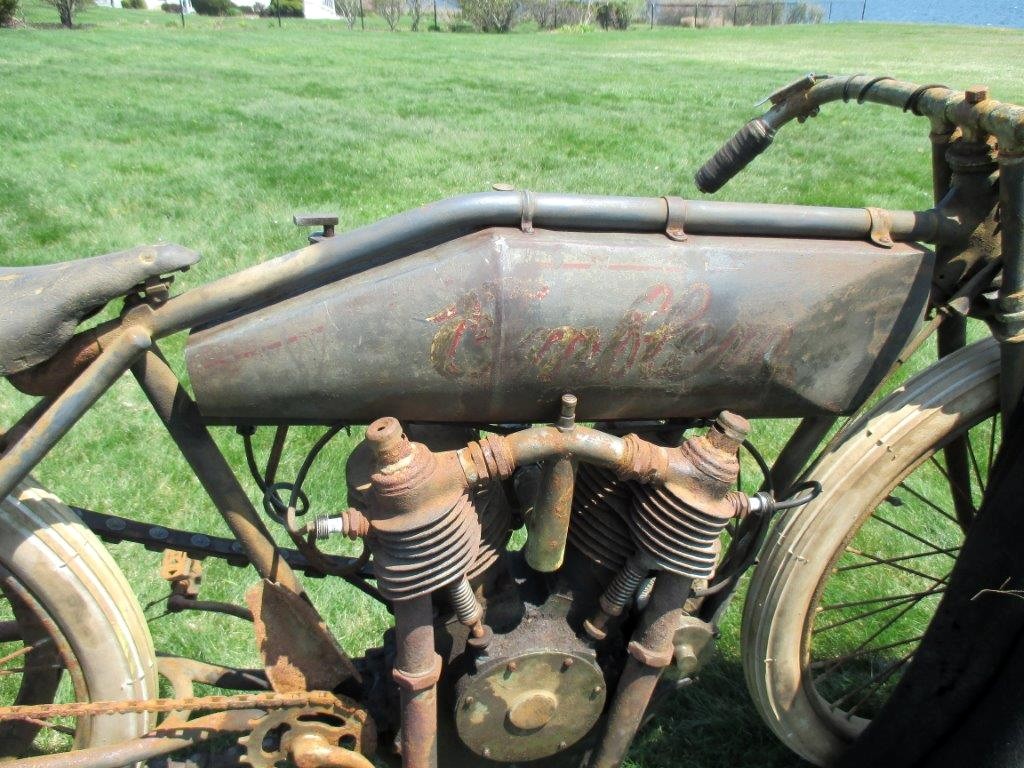
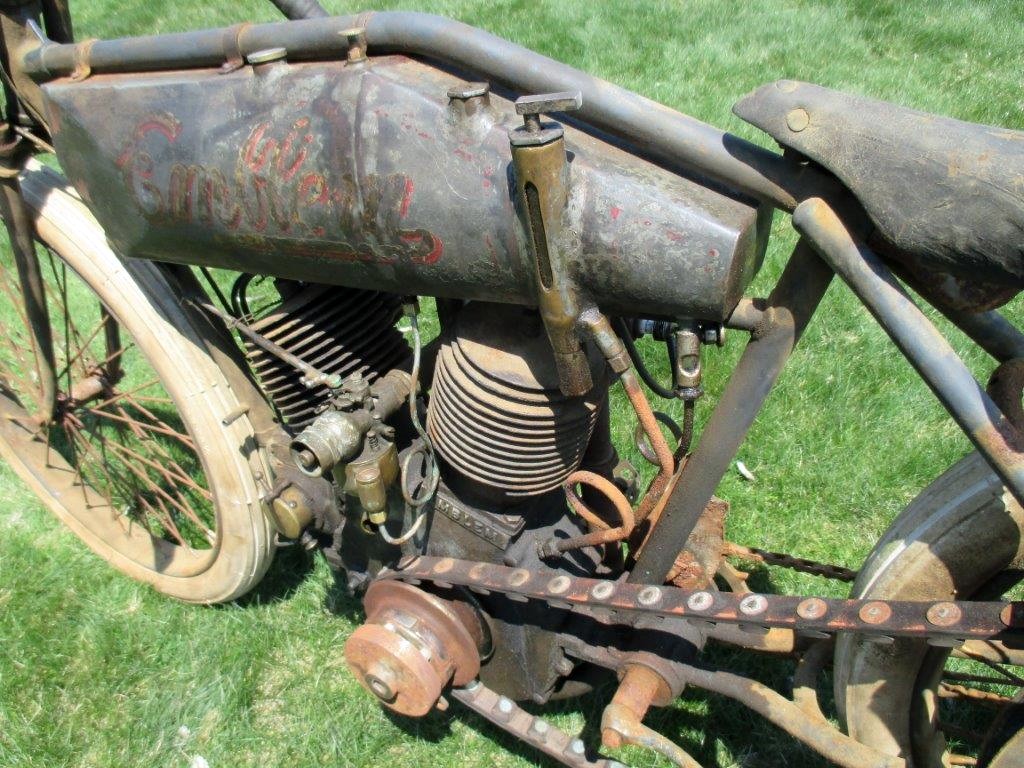
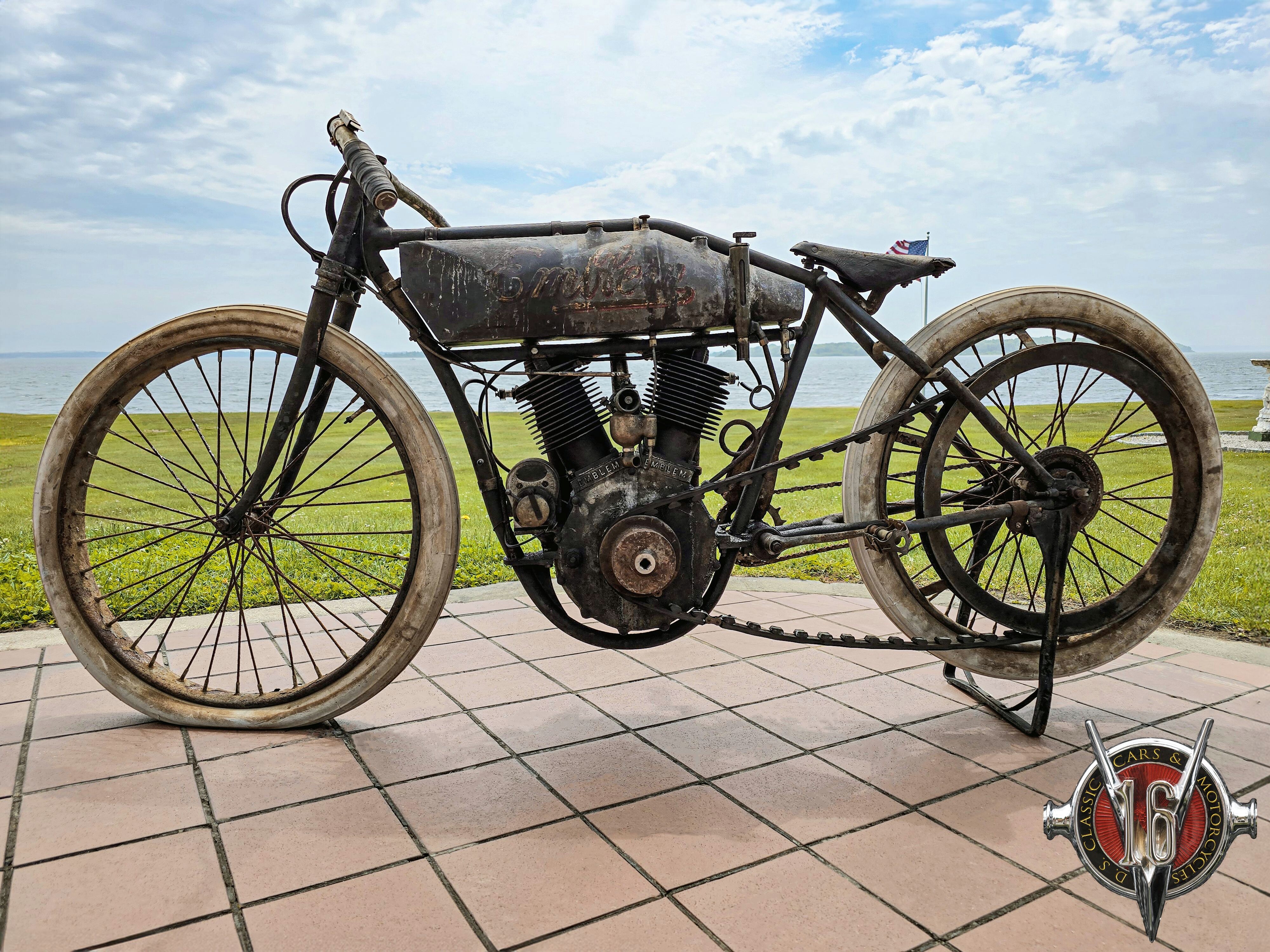
1911 Emblem Twin Factory Racer
Inventory Number: 5010
$225,000
- ENGINE #: 7428
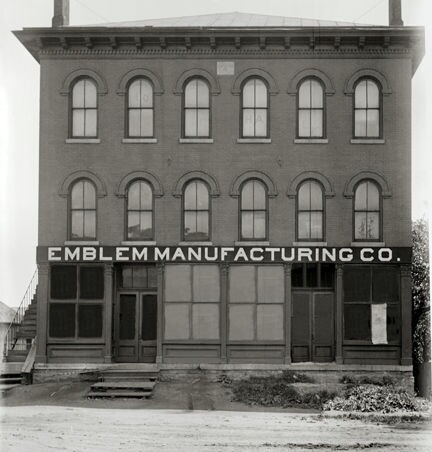
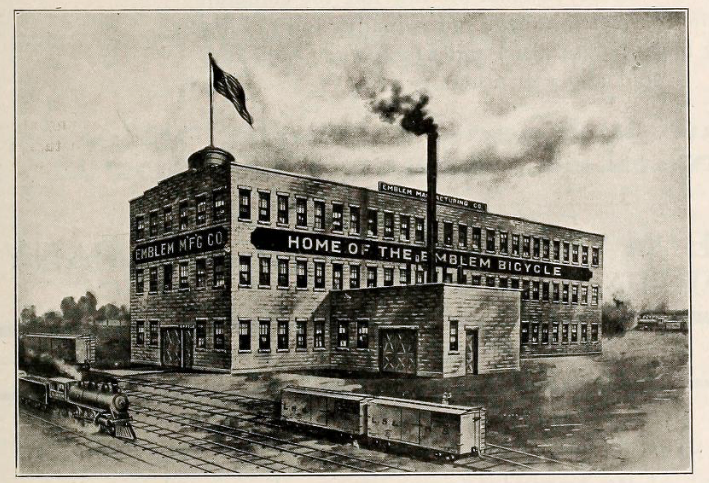
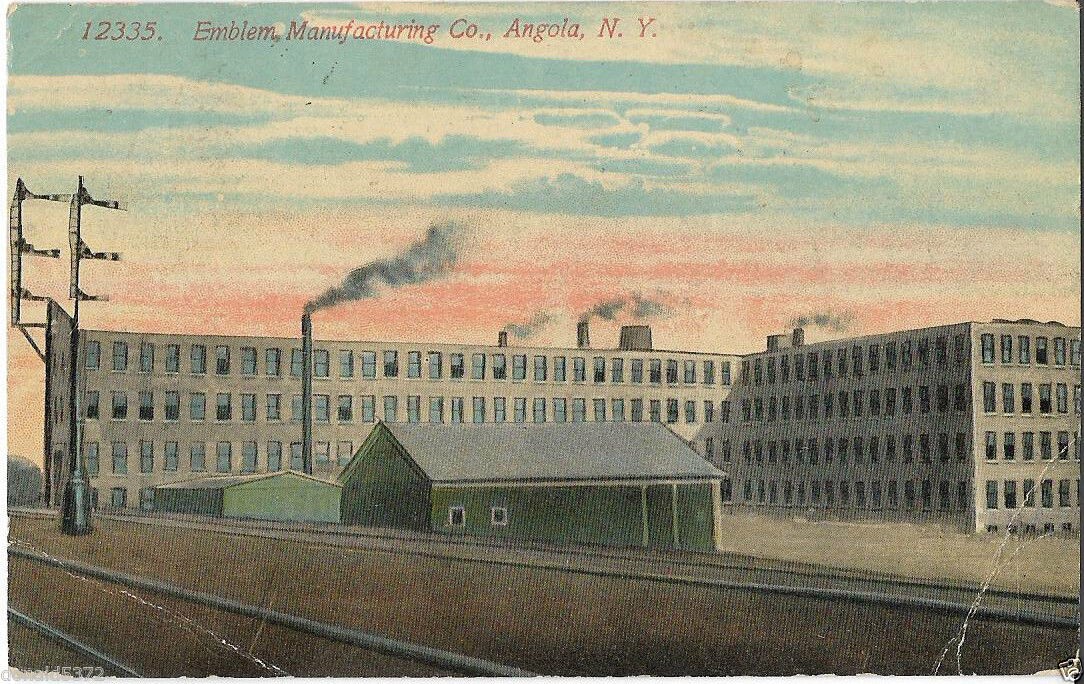
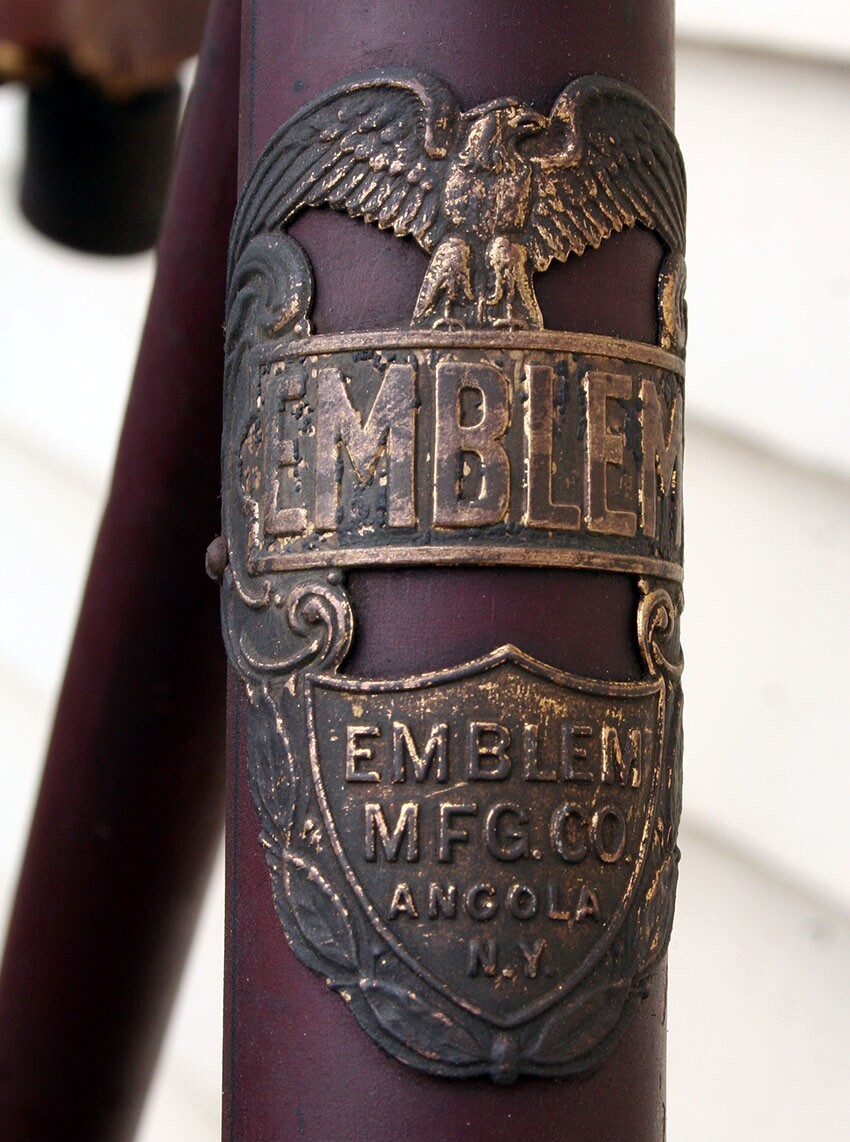
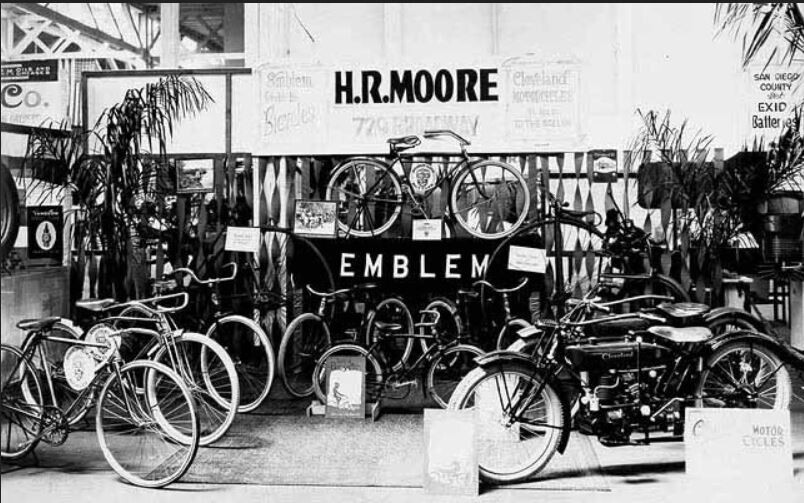
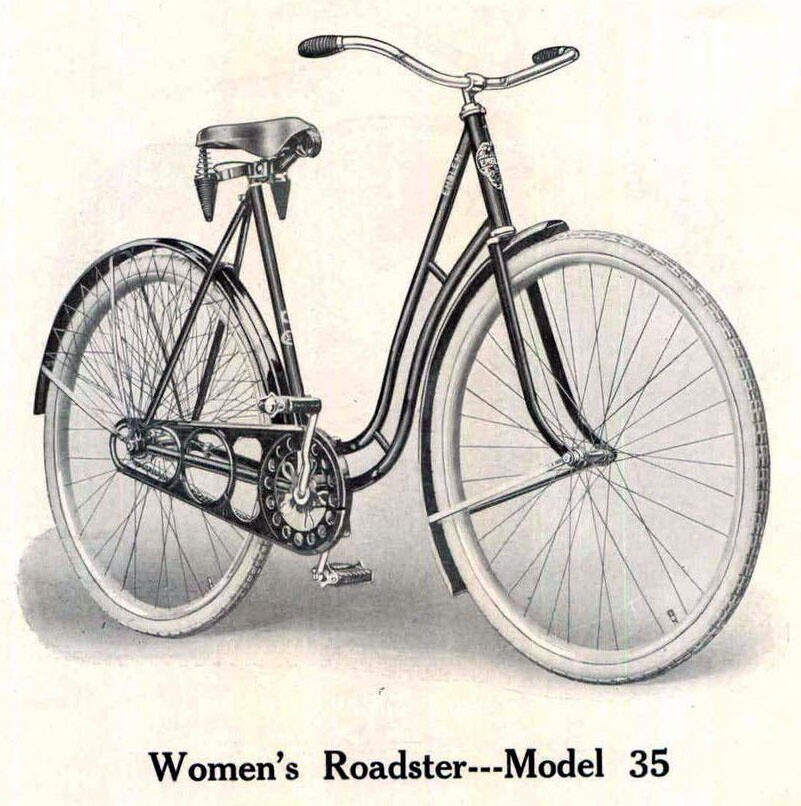
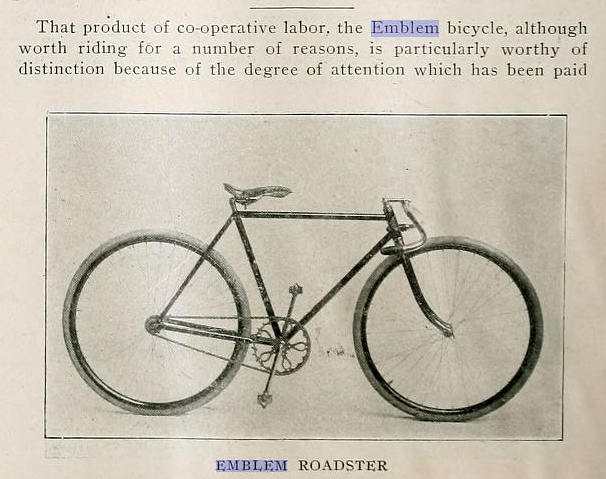
Attention to quality and a high degree of involvement were attained by giving a number of their 200 employees shareholder status, many of whom had been farm hands they educated in the business and then elevated. Together, they built their own factory and by 1906, they had already produced 15,000 bicycles.
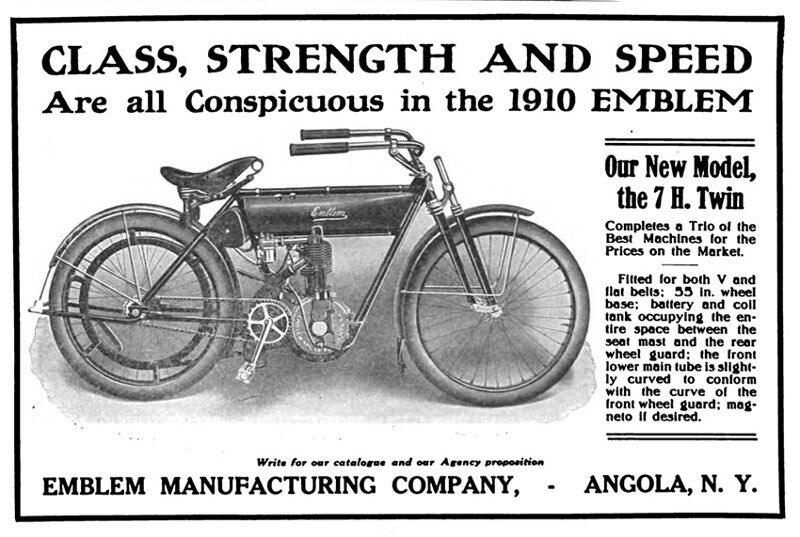
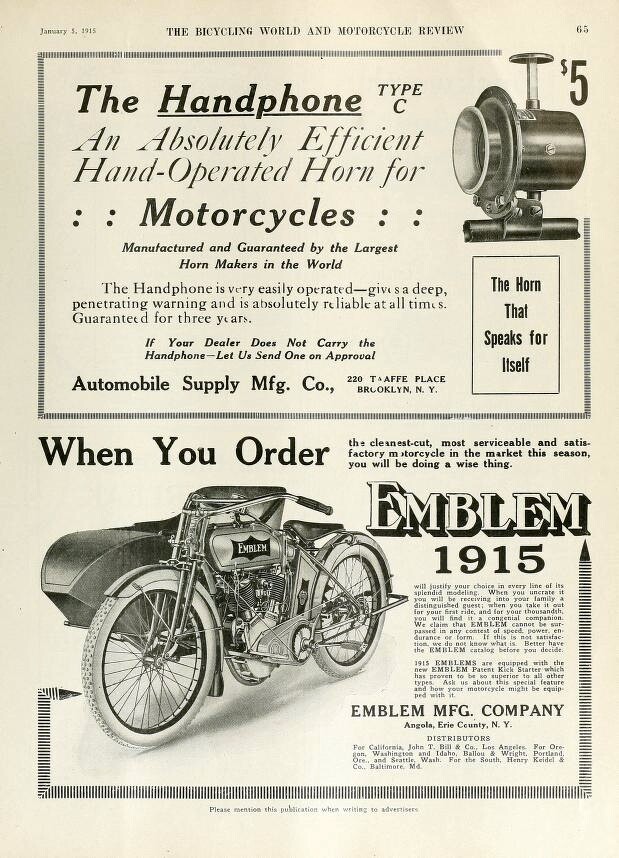
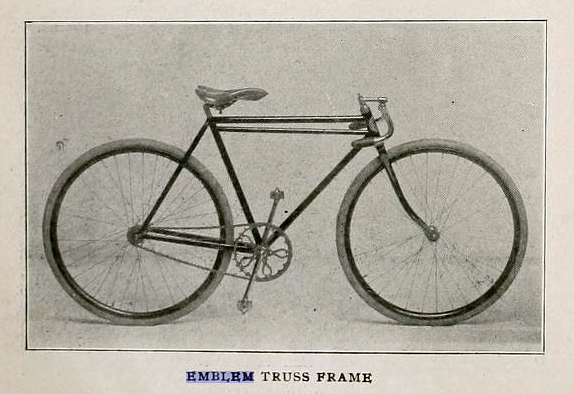
Around 1907, they began producing and marketing both single-cylinder and v-twin motorcycles in limited numbers, as their focus remained on their core bicycle business. They began with their Model 100, a single-cylinder Thor engine on a machine that looked remarkably similar to an early Indian, which Thor also supplied.
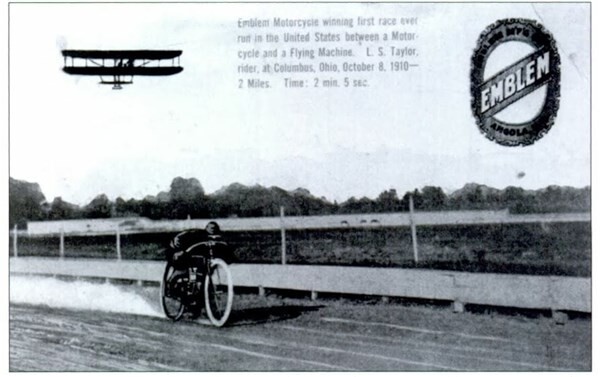
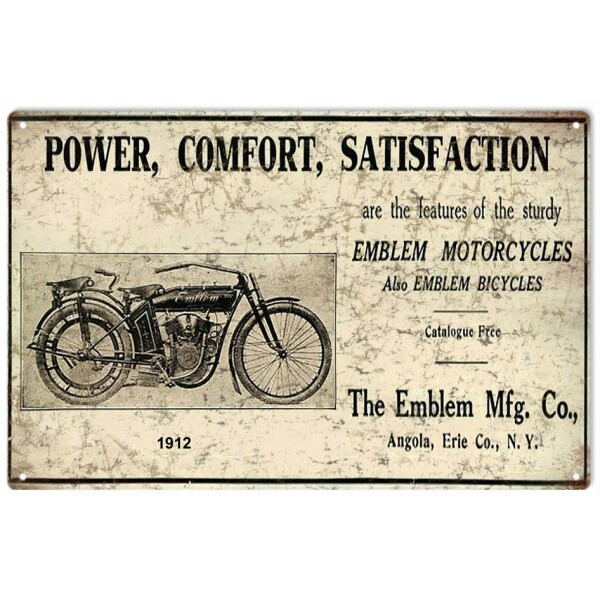
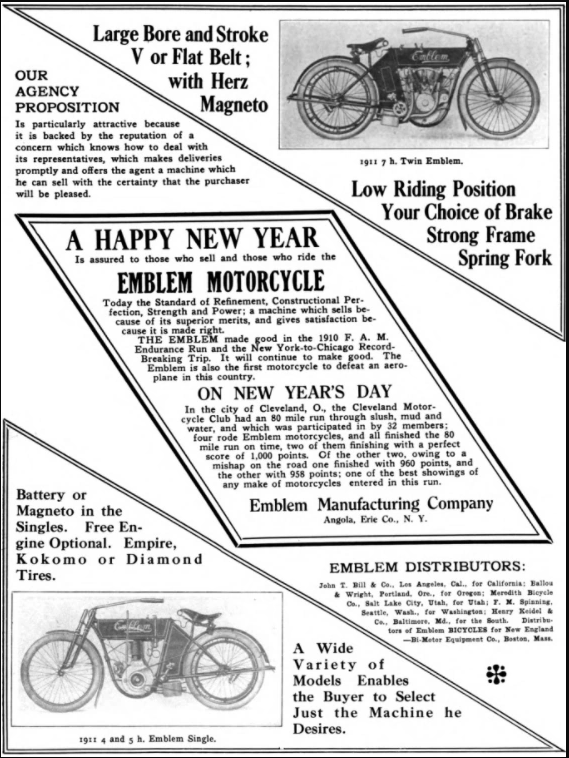
A 1912 advertisement promotes, “Power, Comfort, Satisfaction are the features of the sturdy Emblem motorcycles.” Another 1912 advertisement presents Emblem as, “Today the Standard of Refinement, Constructional Perfection, Strength and Power; a machine which sells because of its superior merits, and gives satisfaction because it is made right. The Emblem made good in the 1910 F. A. M. Endurance Run and the New York-to-Chicago Record-Breaking Trip. It will continue to make good. The Emblem is also the first motorcycle to defeat an aeroplane in this country.”
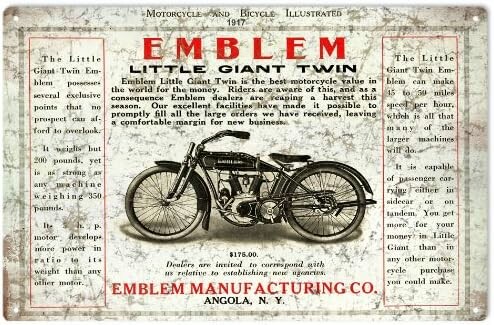
In 1913, they began producing the Model 108, the largest production machine of the time, with a 76 cu. in. 1,255cc V- twin engine made by combining two of the company’s single cylinders. By 1915, Schack decided to focus on the motorcycle export market, soon sending bikes as far as China, England, Australia, Japan, Scandinavia, and the Netherlands. According to the Classic and Antique Bicycle Exchange, at one time, production reached 125-150 bicycles a day and 25 motorcycles per week. After 1917, Schack focused on exporting and just one motorcycle model, the lightweight Model 106 “Little Giant” with 532 CCs, available in single or three-speed, and produced 1,000 of them that year according to Motorcycle and Bicycle Illustrated.
Exporting of the Little Giants continued until 1923, though it is unclear just when in the mid-late 1920s, around 1925, that motorcycle production ceased. The company was highly prosperous throughout the 1920s but struggled through the Great Depression, finally succumbing to economic pressures in the early 1940s. Emblem Motorcycles would be remembered as high-quality and pioneering, having even manufactured a four-seat bike, and for their racing records.
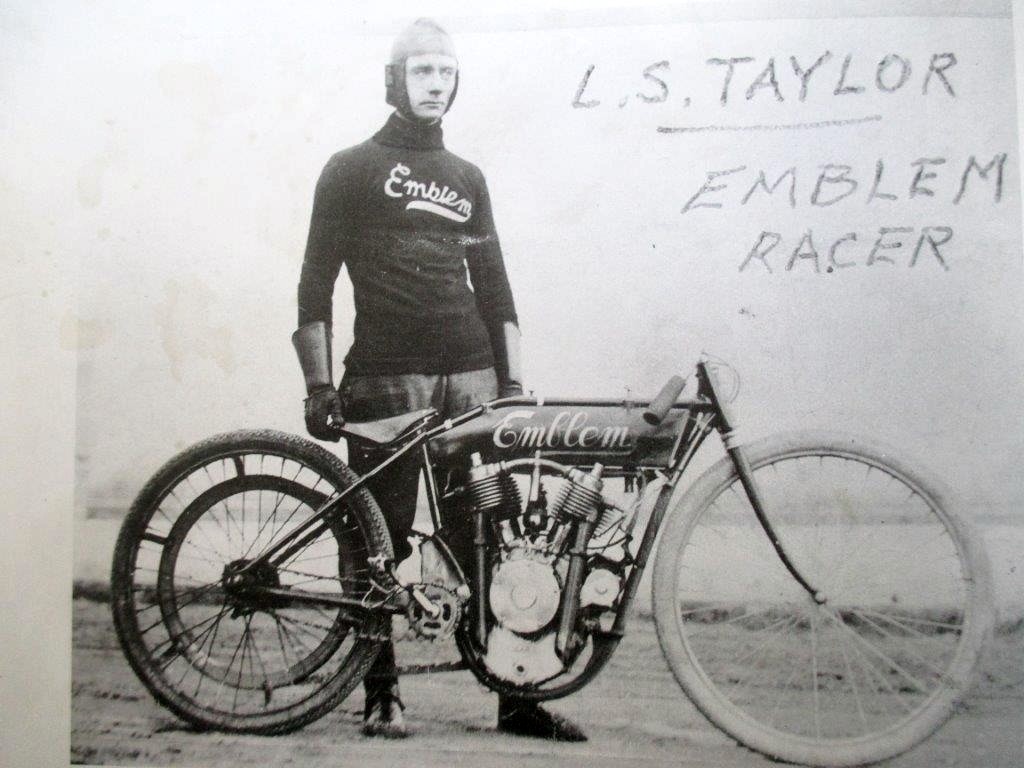
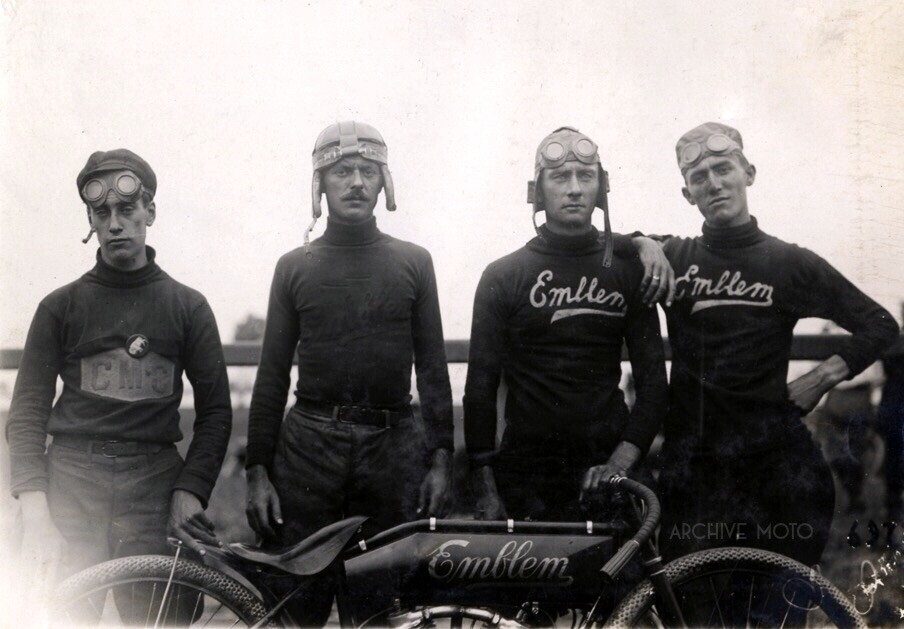
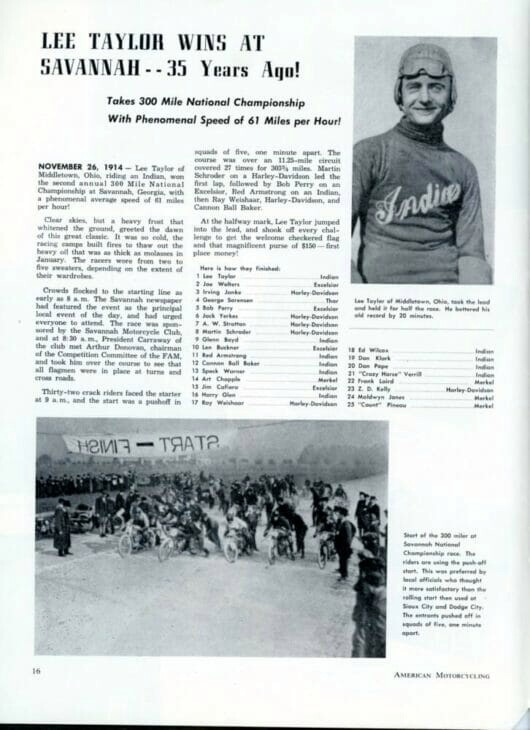
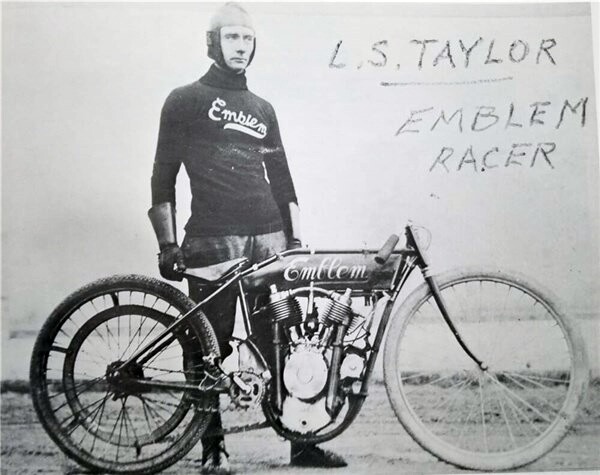
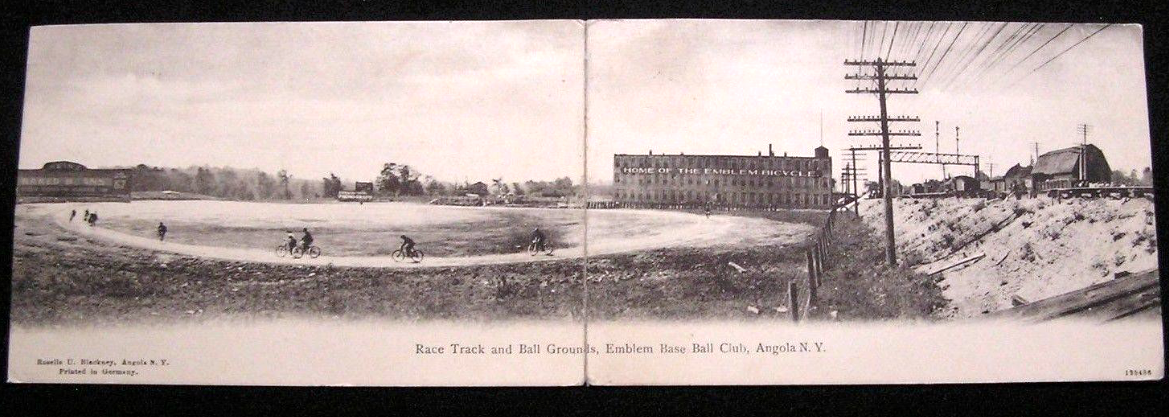
Emblem’s race team, though operating stripped stock machines rather than specifically engineered racing motorcycles, produced a few notable accomplishments. Led by the talented Lee S. Taylor, they achieved a record 35- hour run between New York and Chicago in 1910 by Maurice E. Gale, and Taylor set the 100-mile record in 1912 for a belt- driven single, averaging 48.7 mph.
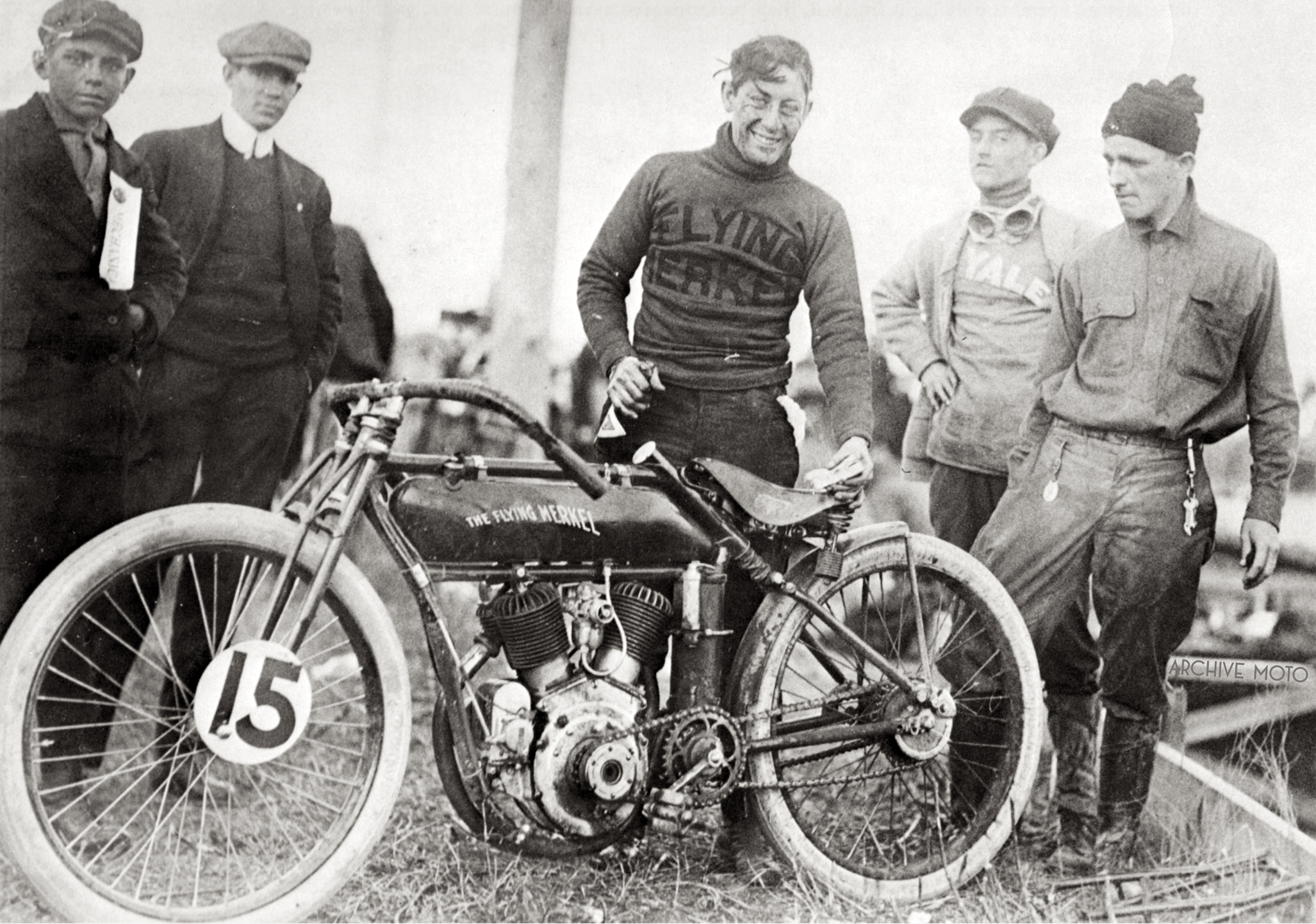
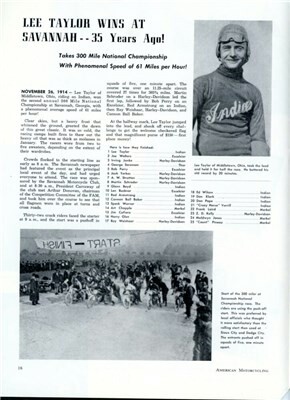
Lee Taylor, born and raised in Ohio, joined the earliest generation of motorcycle racers. His rise to fame began racing an Emblem motorcycle on a mile dirt track in Columbus against a flying Wright Model B airplane, a victory which became an important aspect of Emblem marketing. He would go on to also race for the “Yellow Jackets” as the lead rider for Flying Merkel, and later, for Indian.
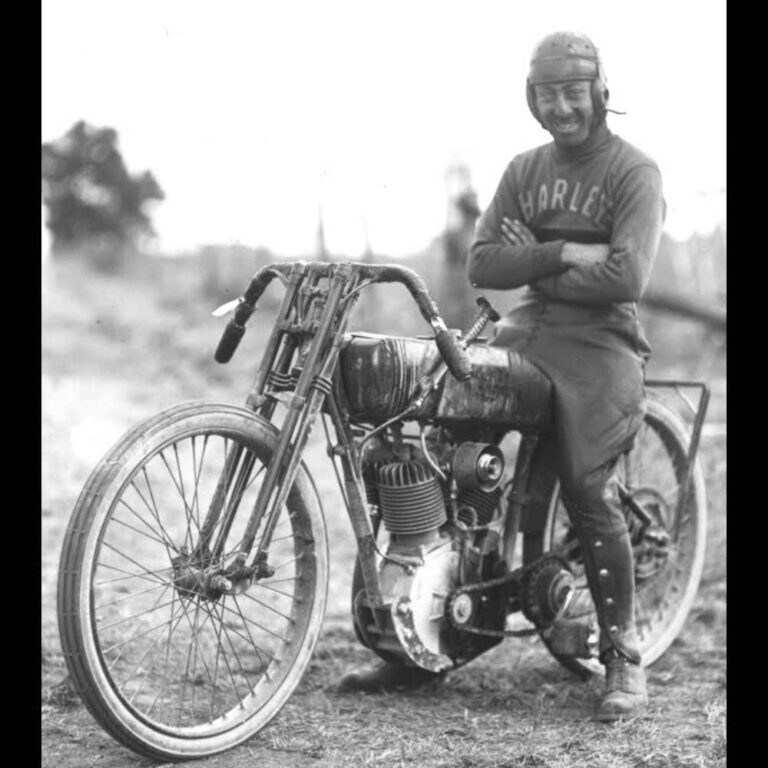
Taylor was killed as a result of injuries he received while racing on July 4, 1916, after colliding with another famed rider, racer Maldwyn Jones, who rode for the likes of Merkel, Harley-Davidson, and Excelsior.
In an interview with Stephen Wright in “American Racer,” Maldwyn Jones recollected: “I had a lot of spills and crashes, generally without serious results, but one bad crash happened at a race on the Hamilton, Ohio, half-mile dirt track. The race was a once-a-year affair and drew big crowds on July 4th. This one was in 1916. When the 25-mile event came up, the track was very dusty. I had gotten a bad start and Lee Taylor, on an Indian four-valve, had gone into the turn ahead of me very fast and the dust was terrific. I thought that Lee might have fallen and I went farther out on the track, but about halfway around the turn he slid out of the dust and right in front of me. It was impossible to miss him and my countershaft cut deep into his leg. I landed on my shoulder about 25 feet ahead of him, but was able to get back to him and help get him off the track and into the ambulance. On account of the hot weather and no refrigeration, gangrene set in and his leg was amputated. In spite of this, Lee died about a week later. It was quite a shock to everyone who knew him and especially to me, as we’d been friends for a long time.”
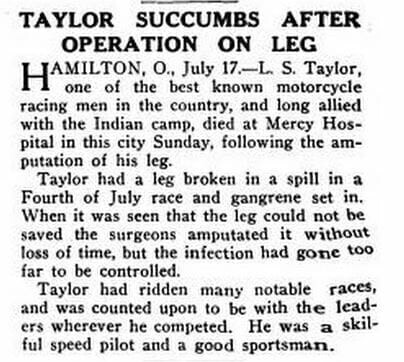
Lee Taylor’s obituary in Motorcycle Illustrated concludes, “Taylor Succumbs After Operation on Leg” “Hamilton, O., July 17. - L.S. Taylor, one of the best known motorcycle racing men in the country, and long allied with the Indian camp, died at Mercy Hospital in this city Sunday, following the amputation of his leg. Taylor had a leg broken in a spill in a Fourth of July race and gangrene set in. When it was seen that the leg could not be saved, the surgeons amputated it without loss of time, but the infection had gone too far to be controlled. Taylor had ridden many notable races, and was counted upon to be with the leaders wherever he competed. He was a skillful speed pilot and a good sportsman.”
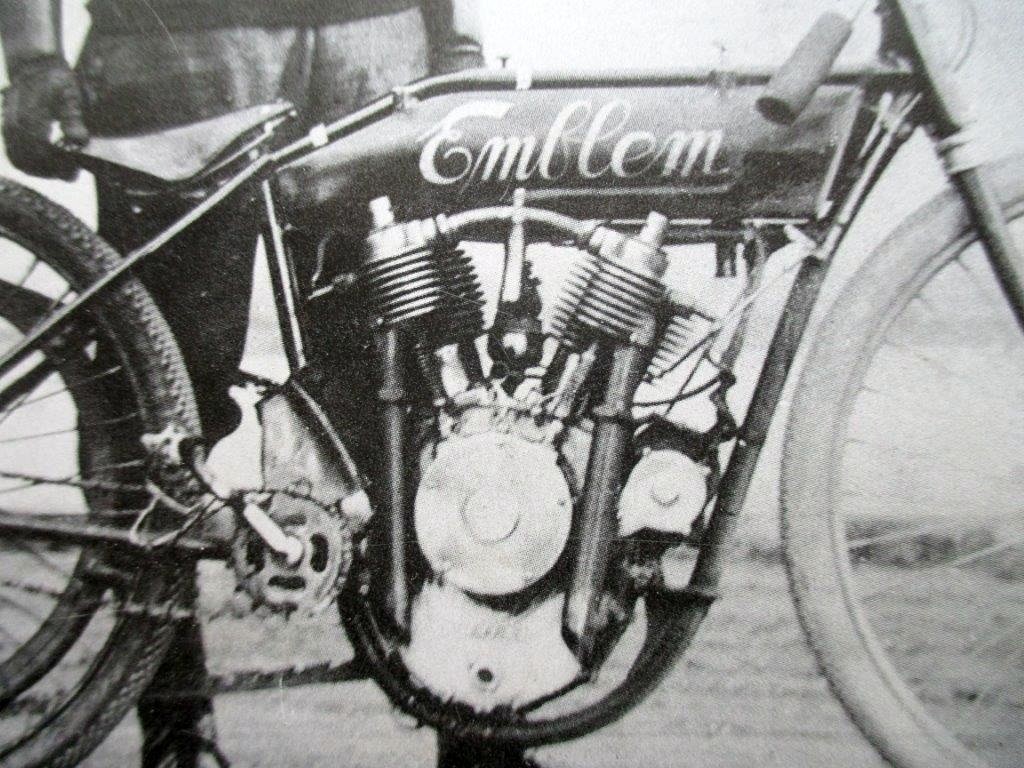
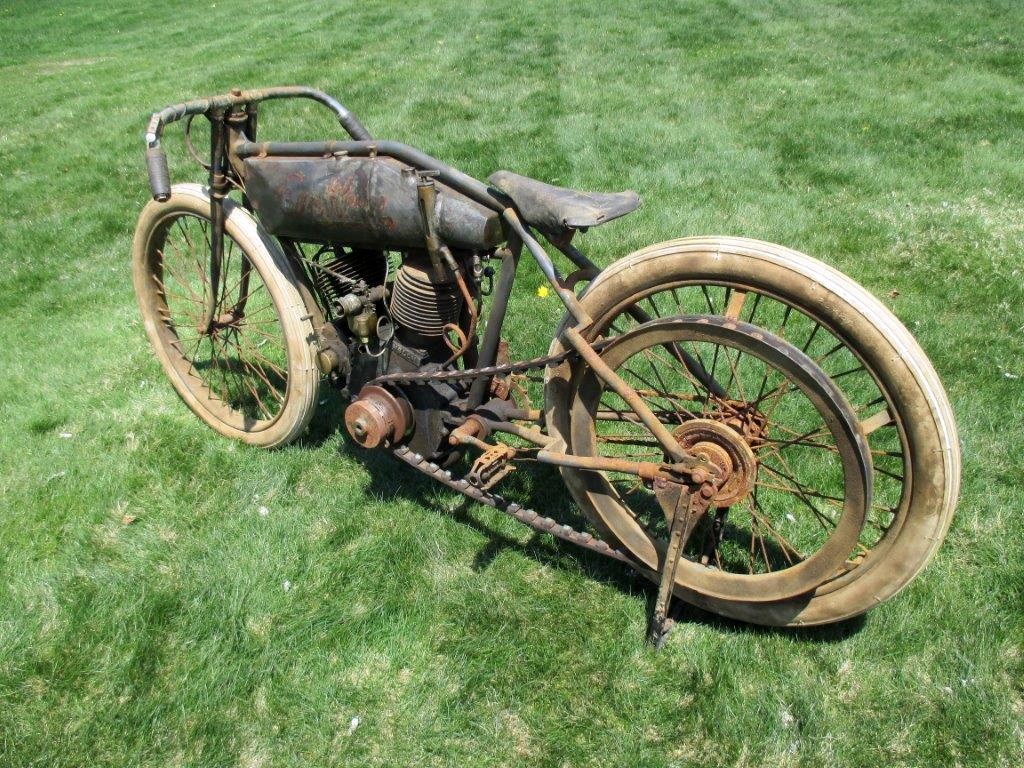
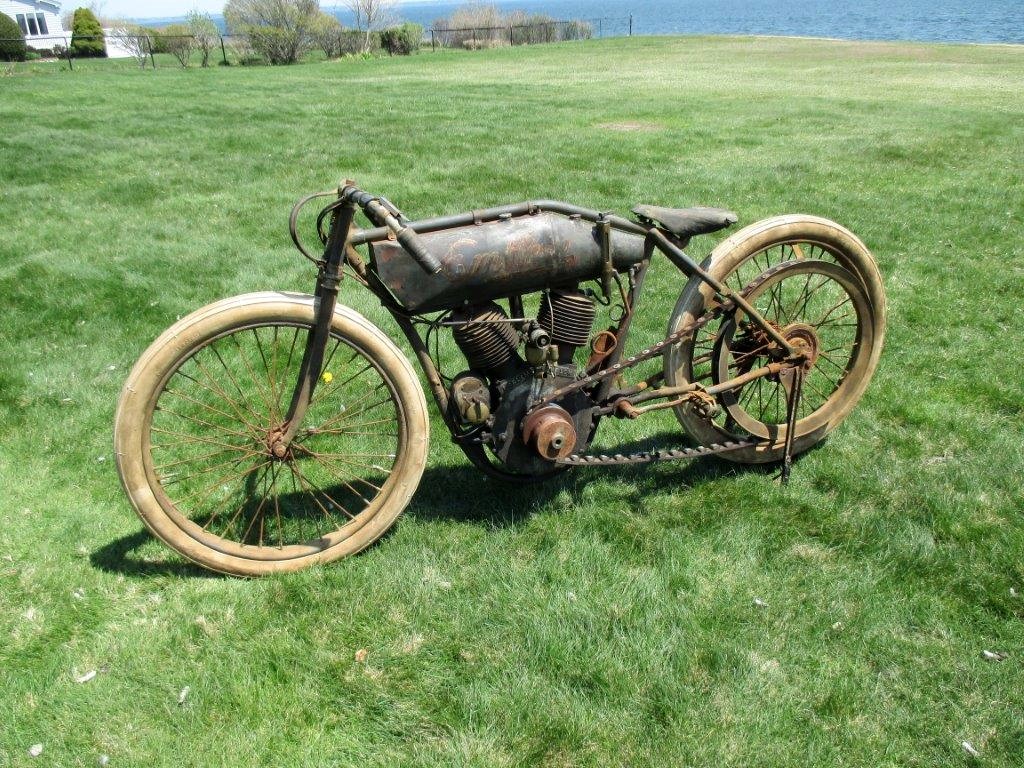
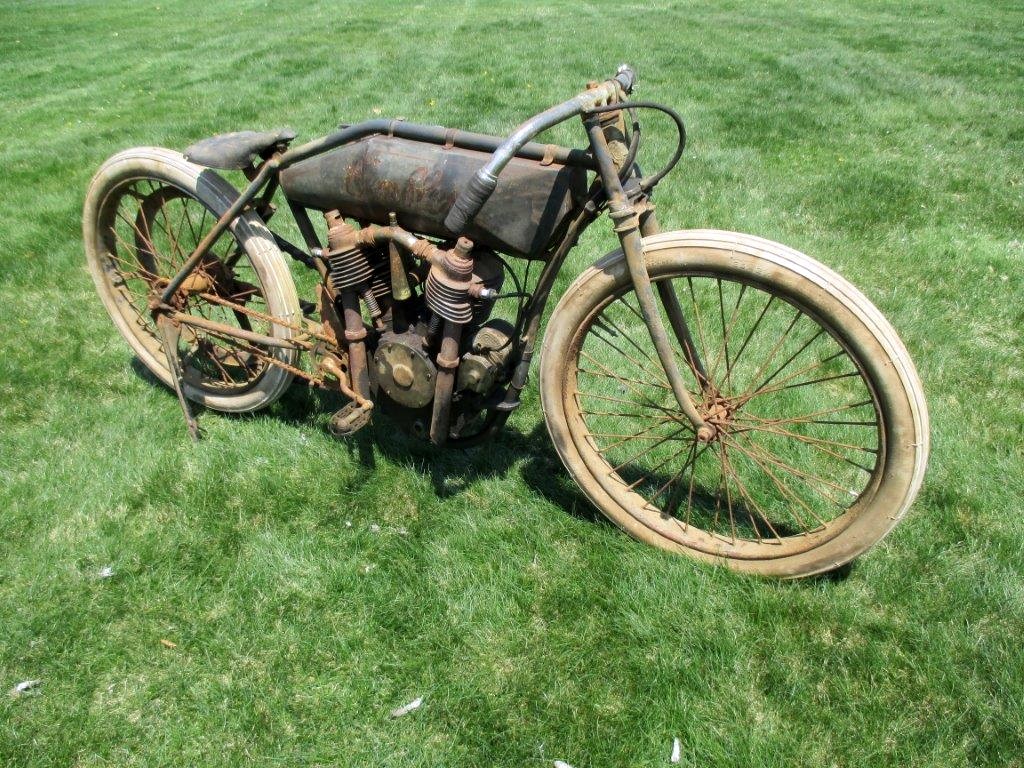
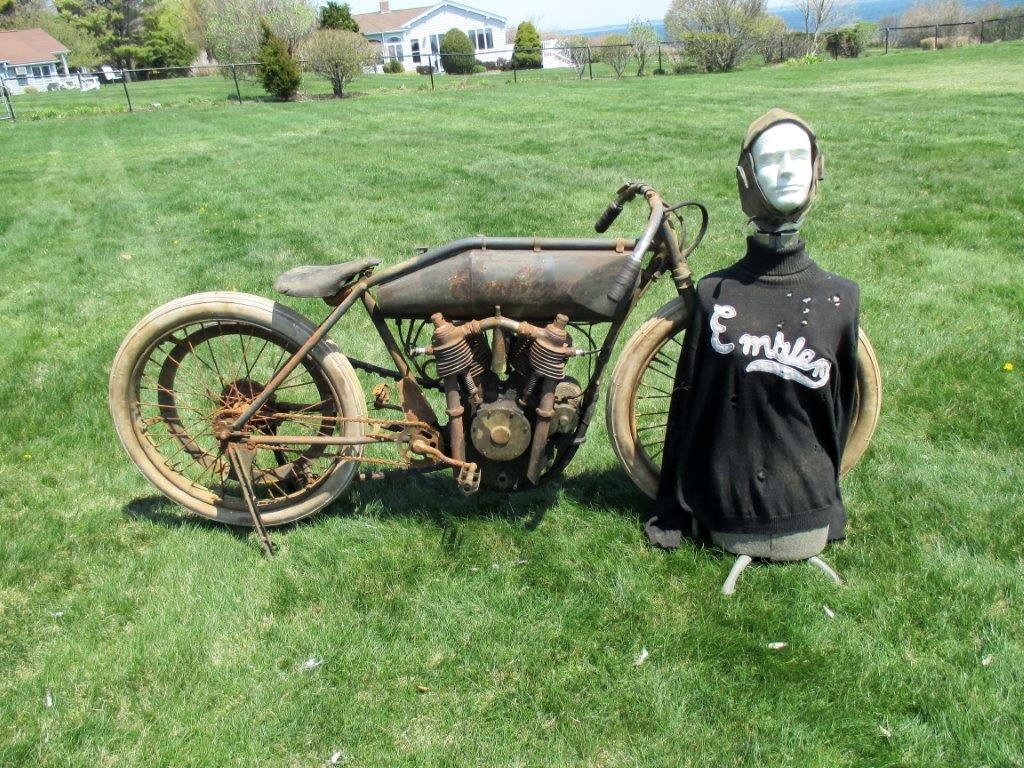
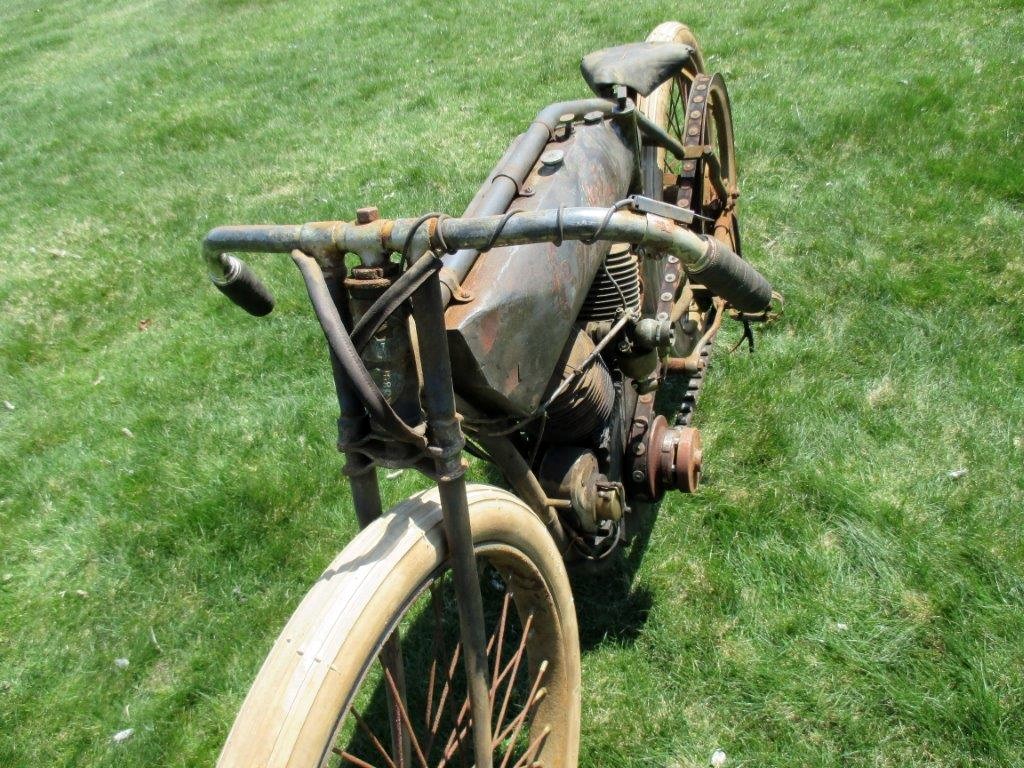
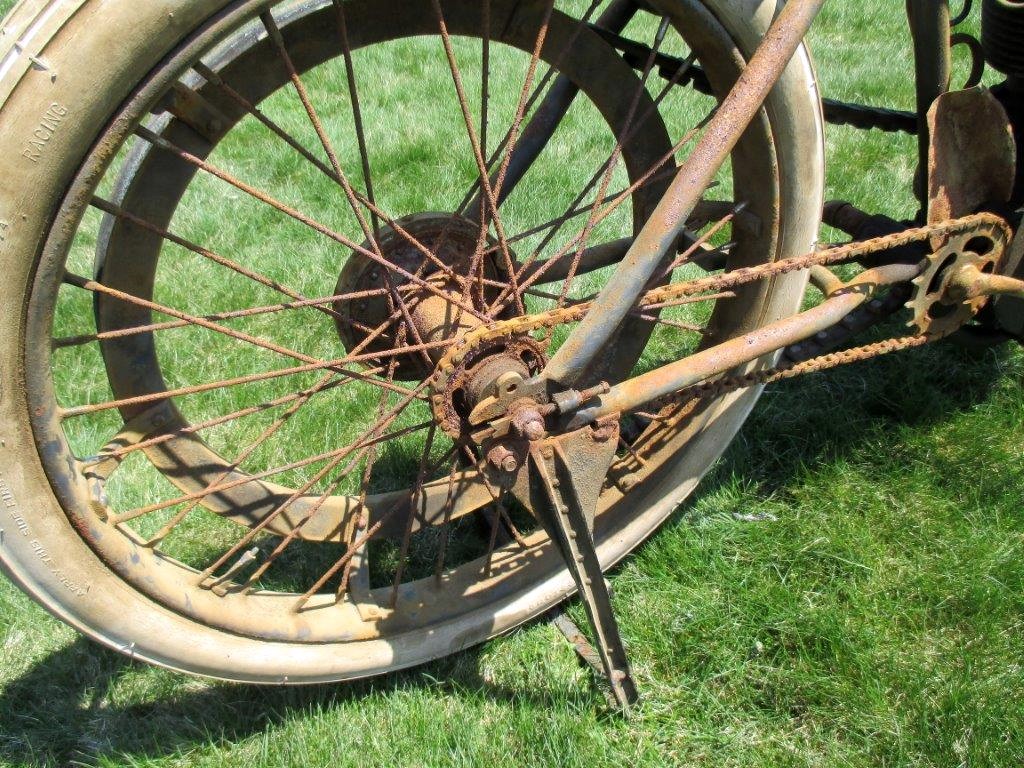
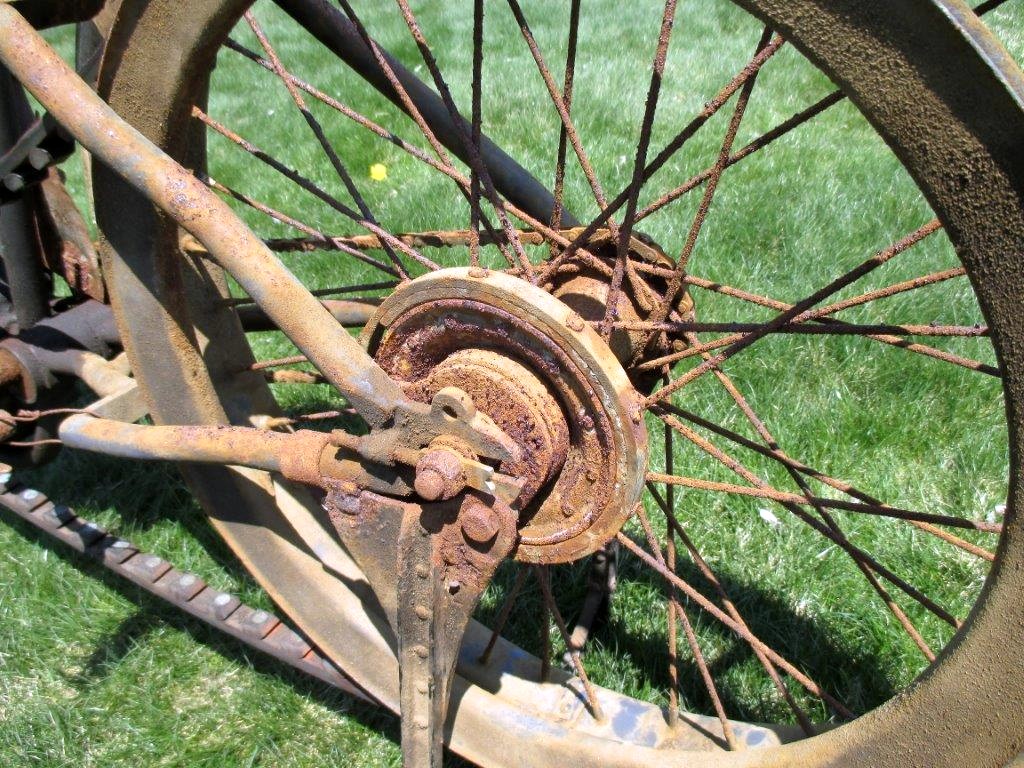
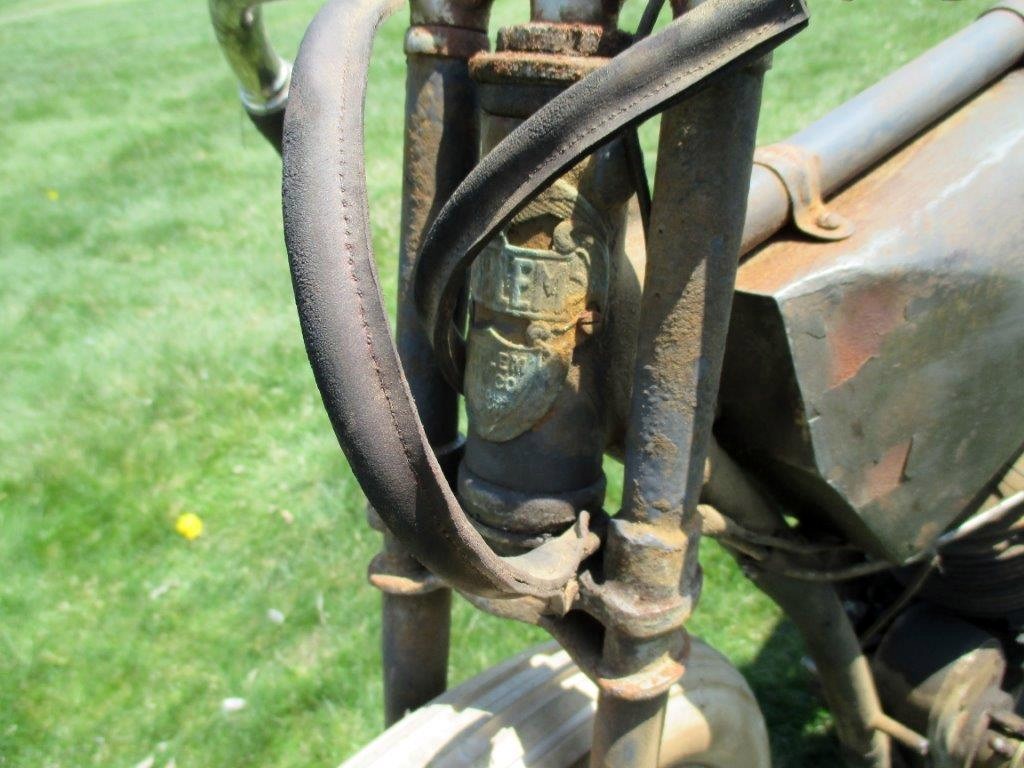
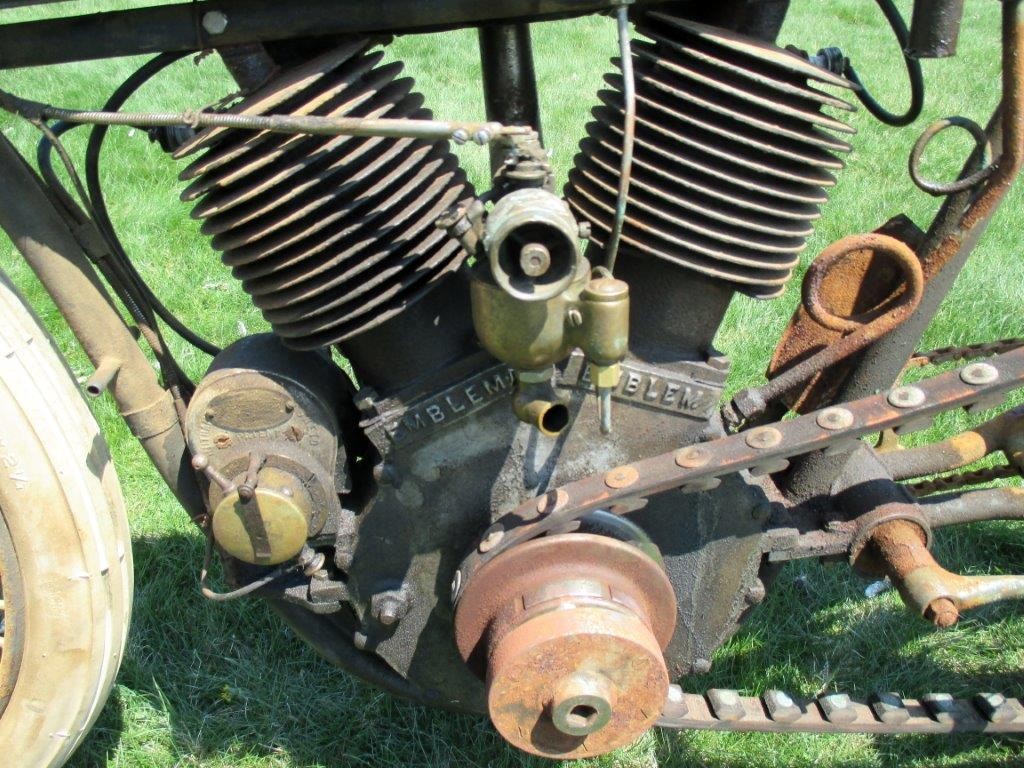
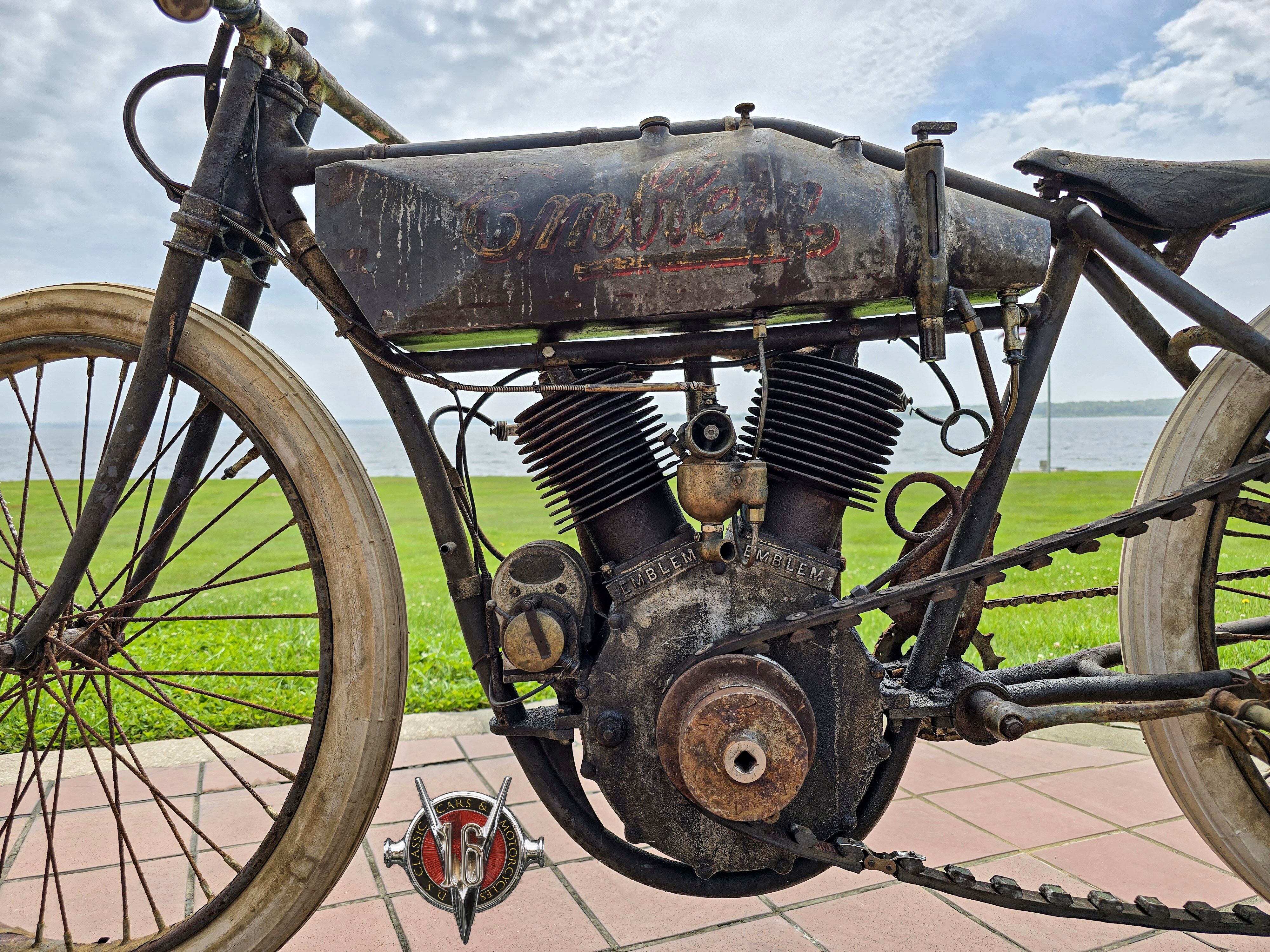
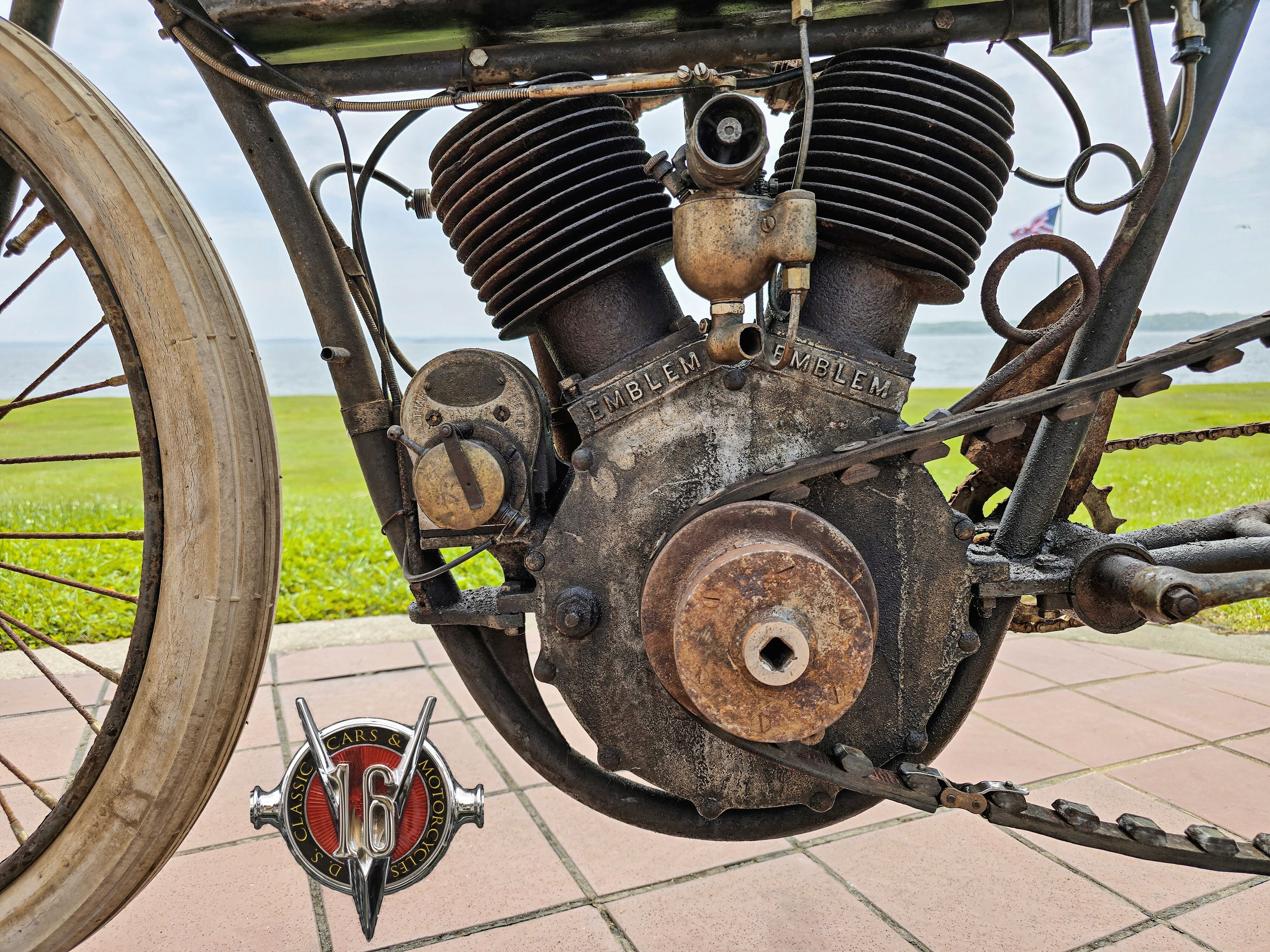
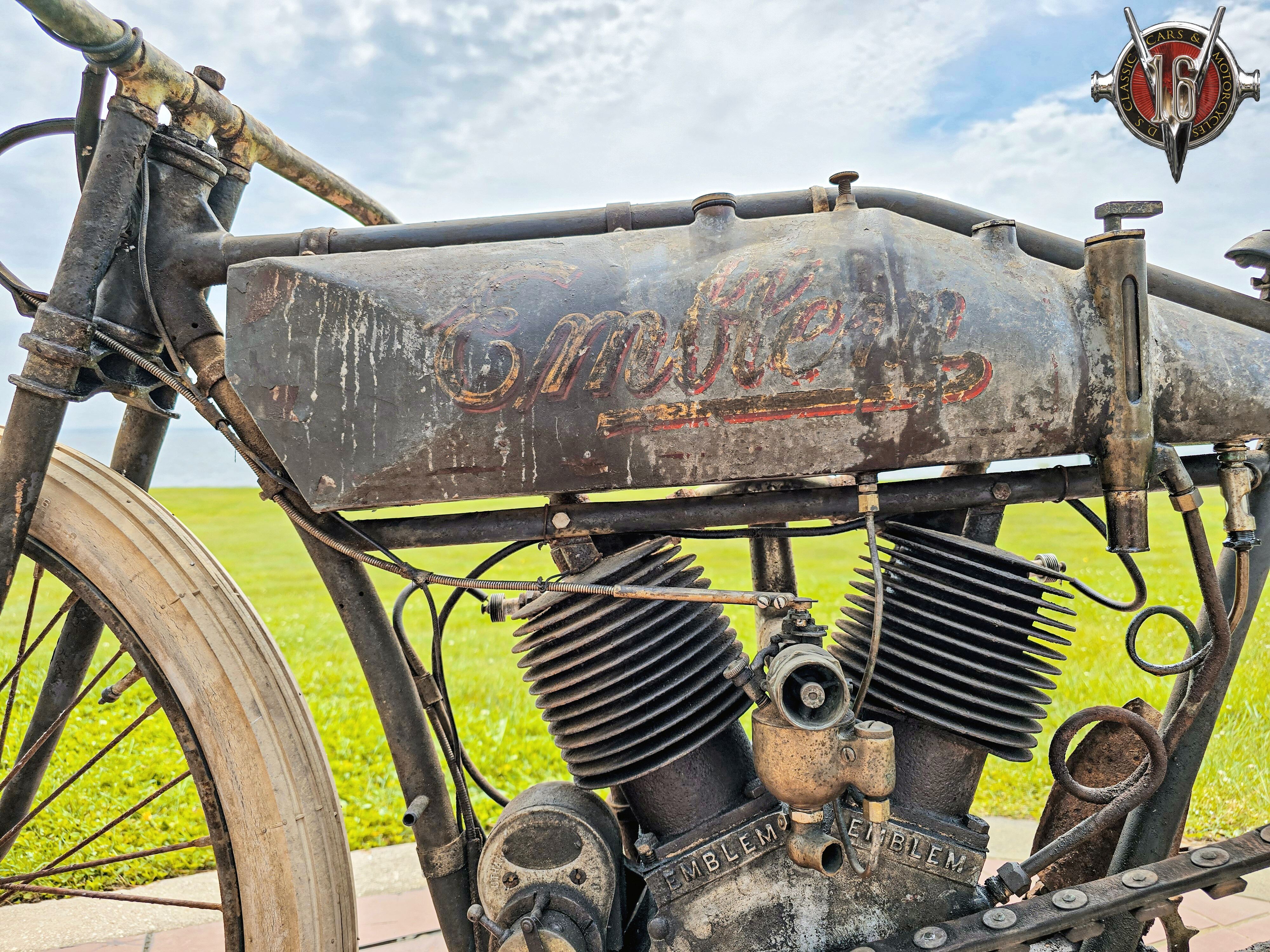
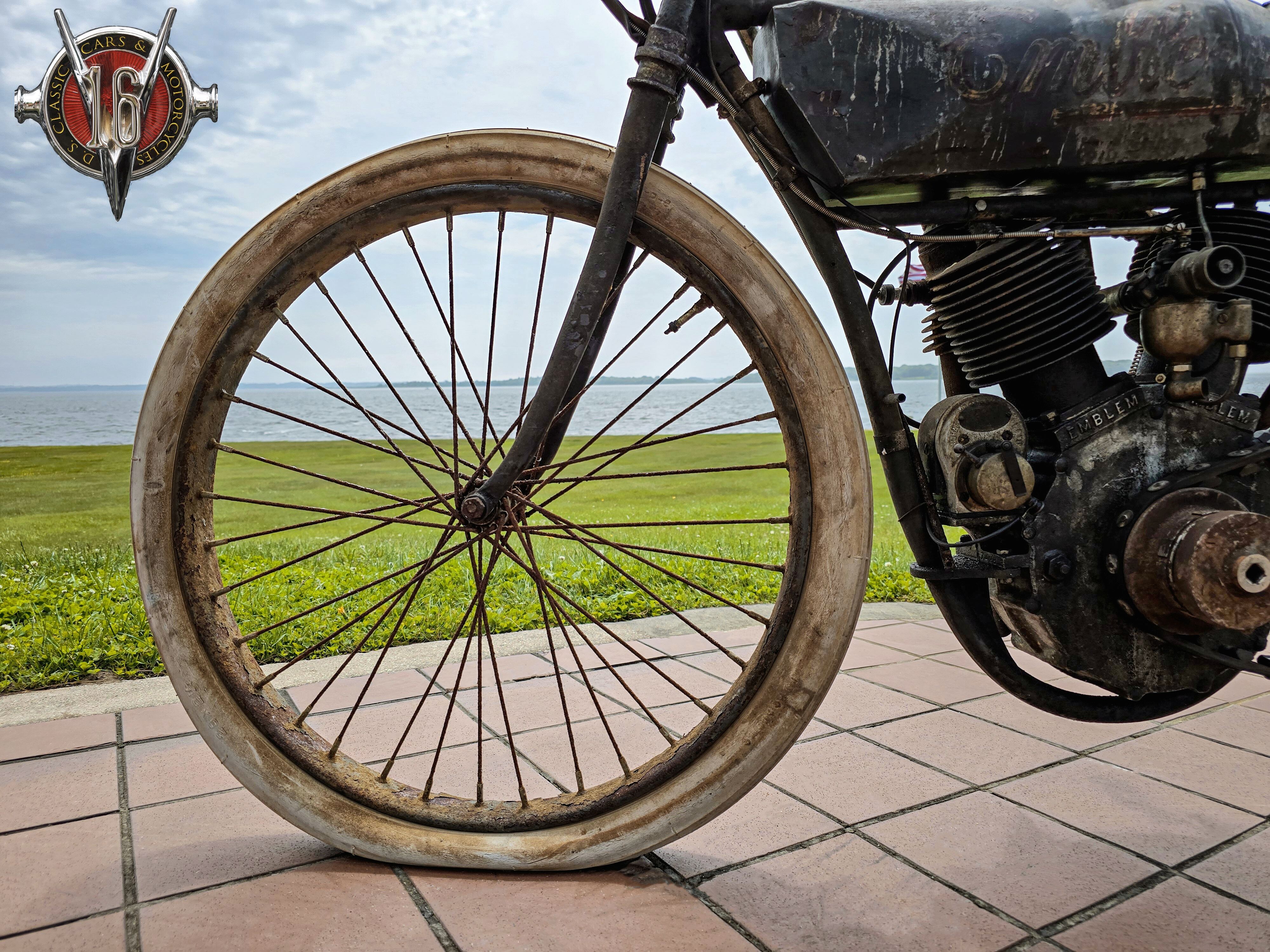
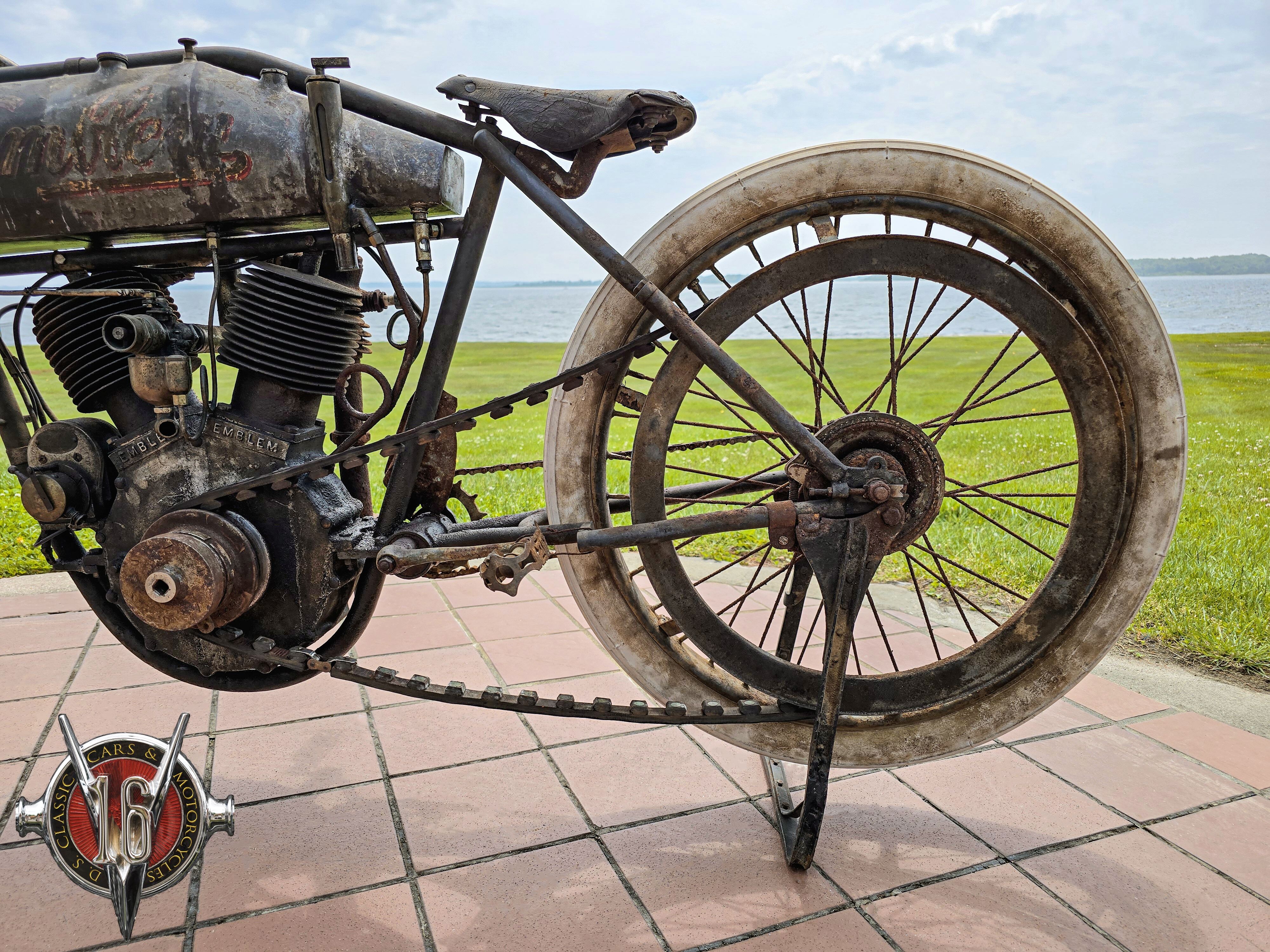
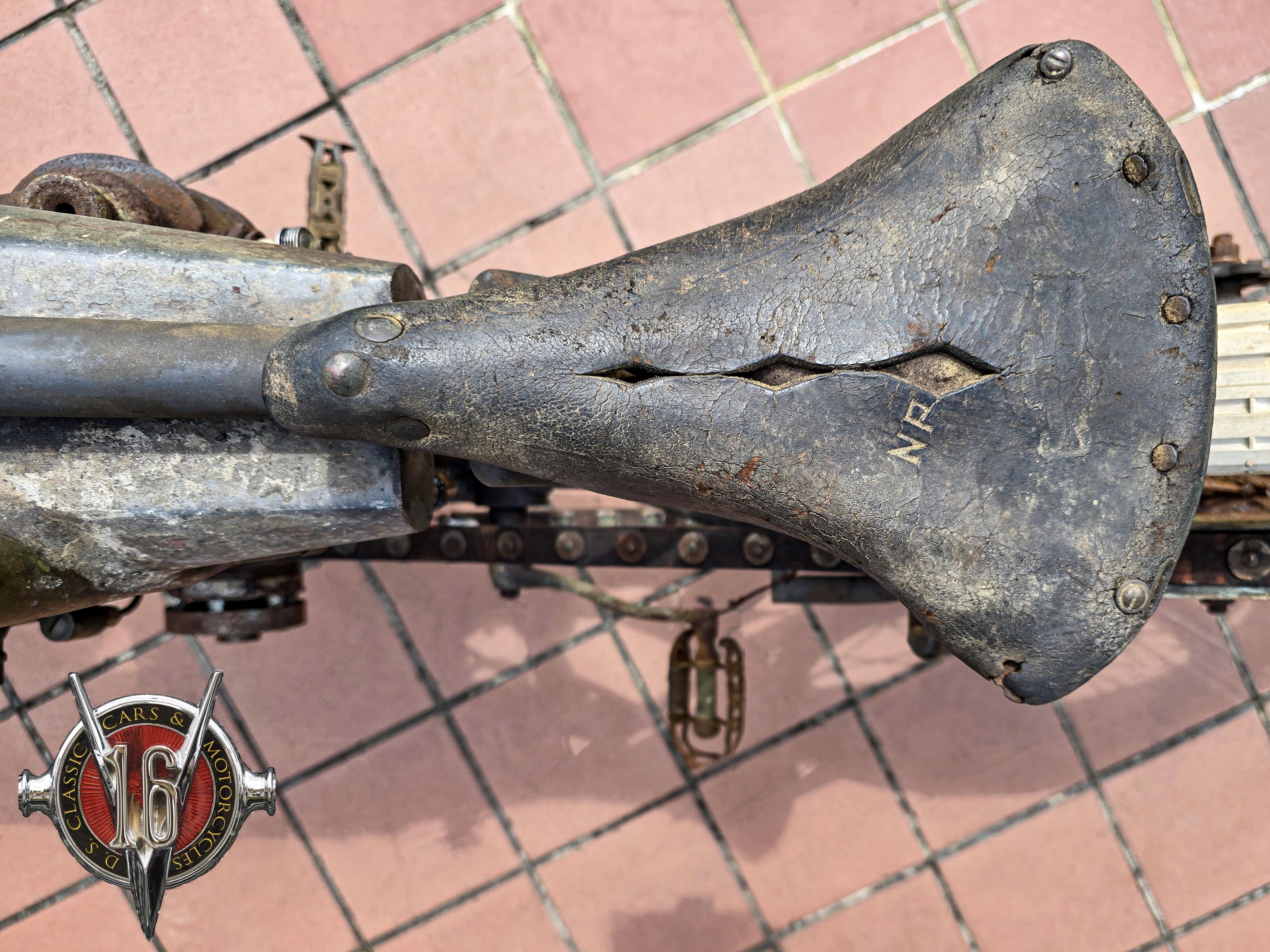
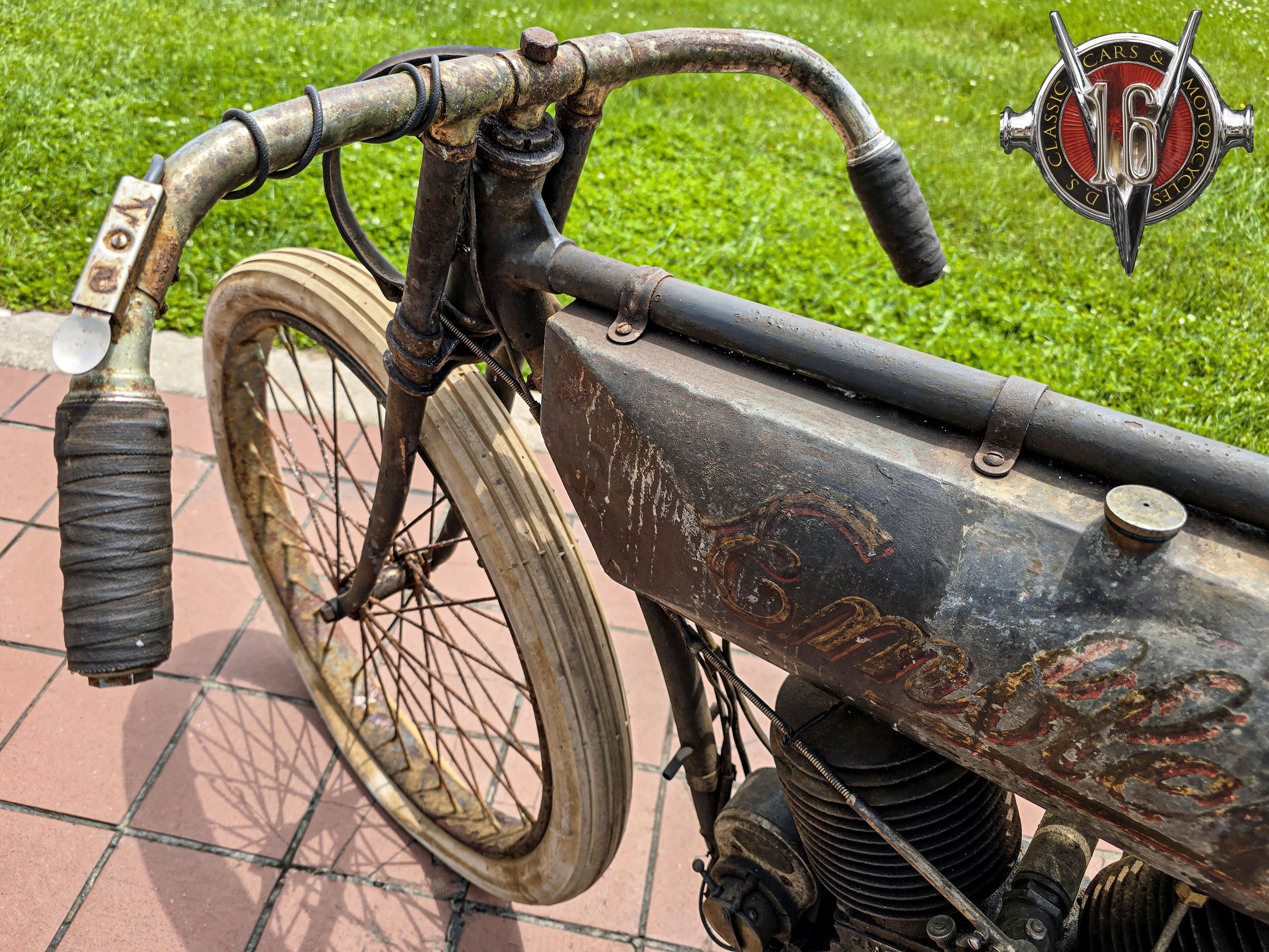
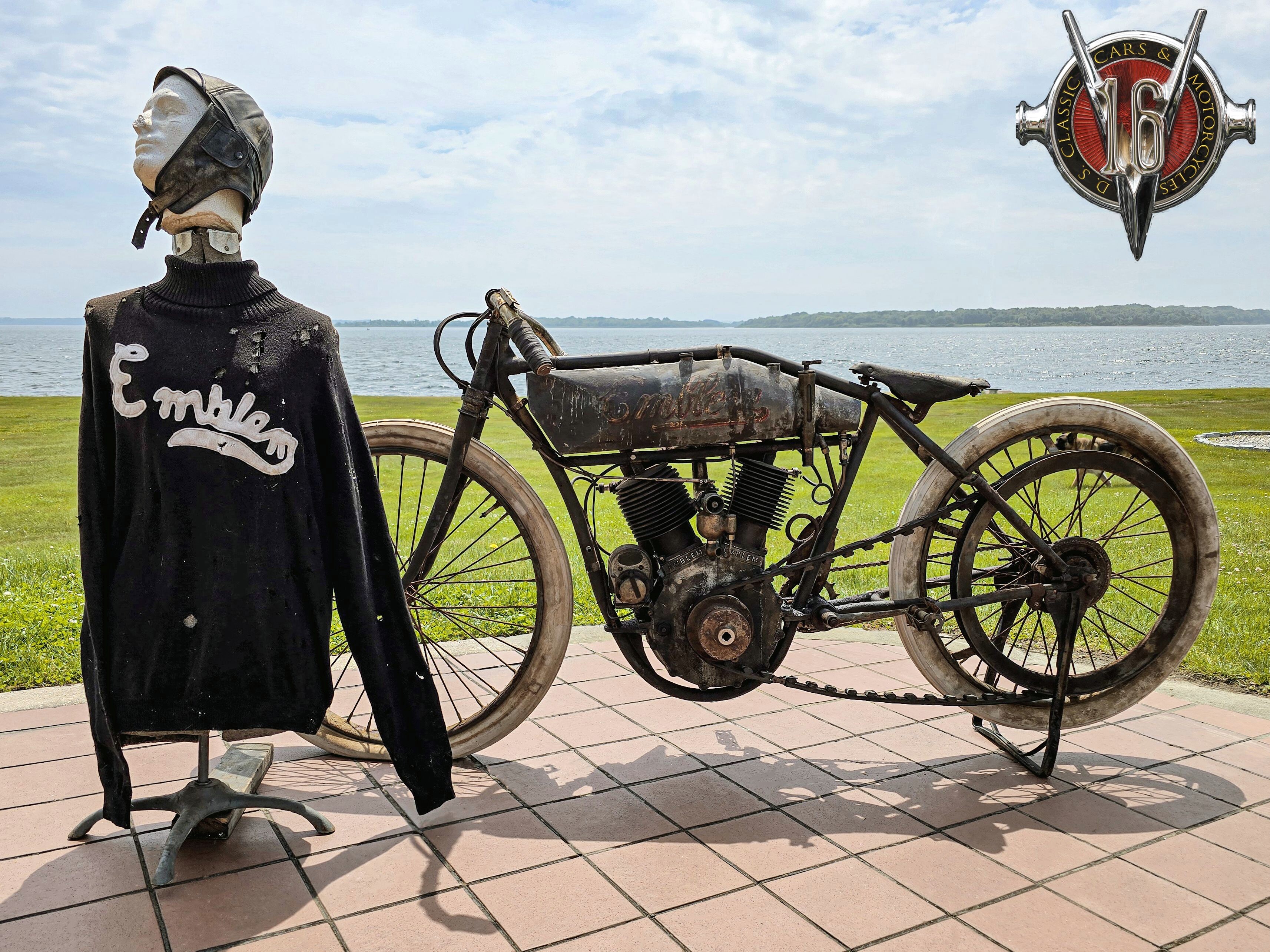
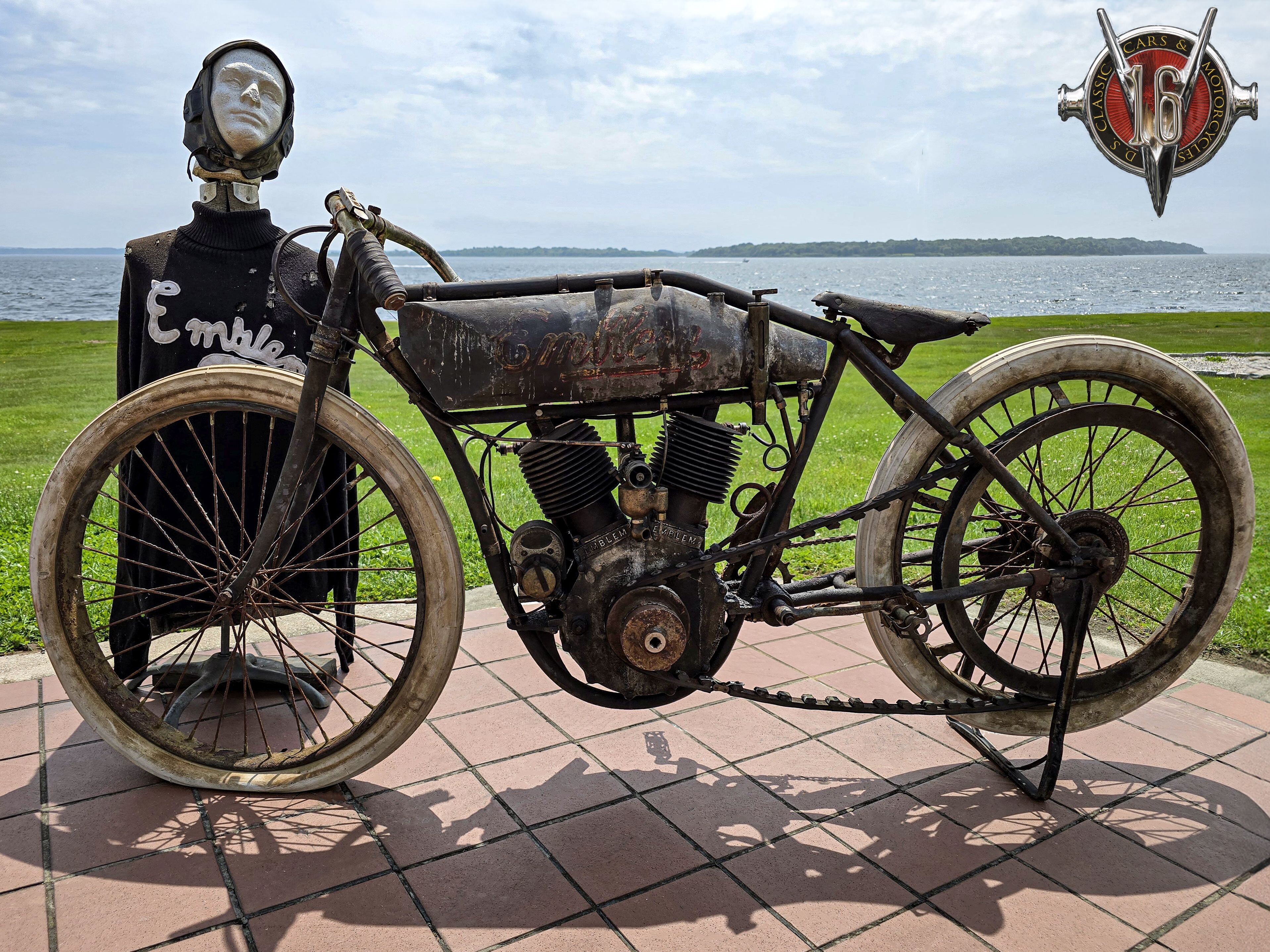
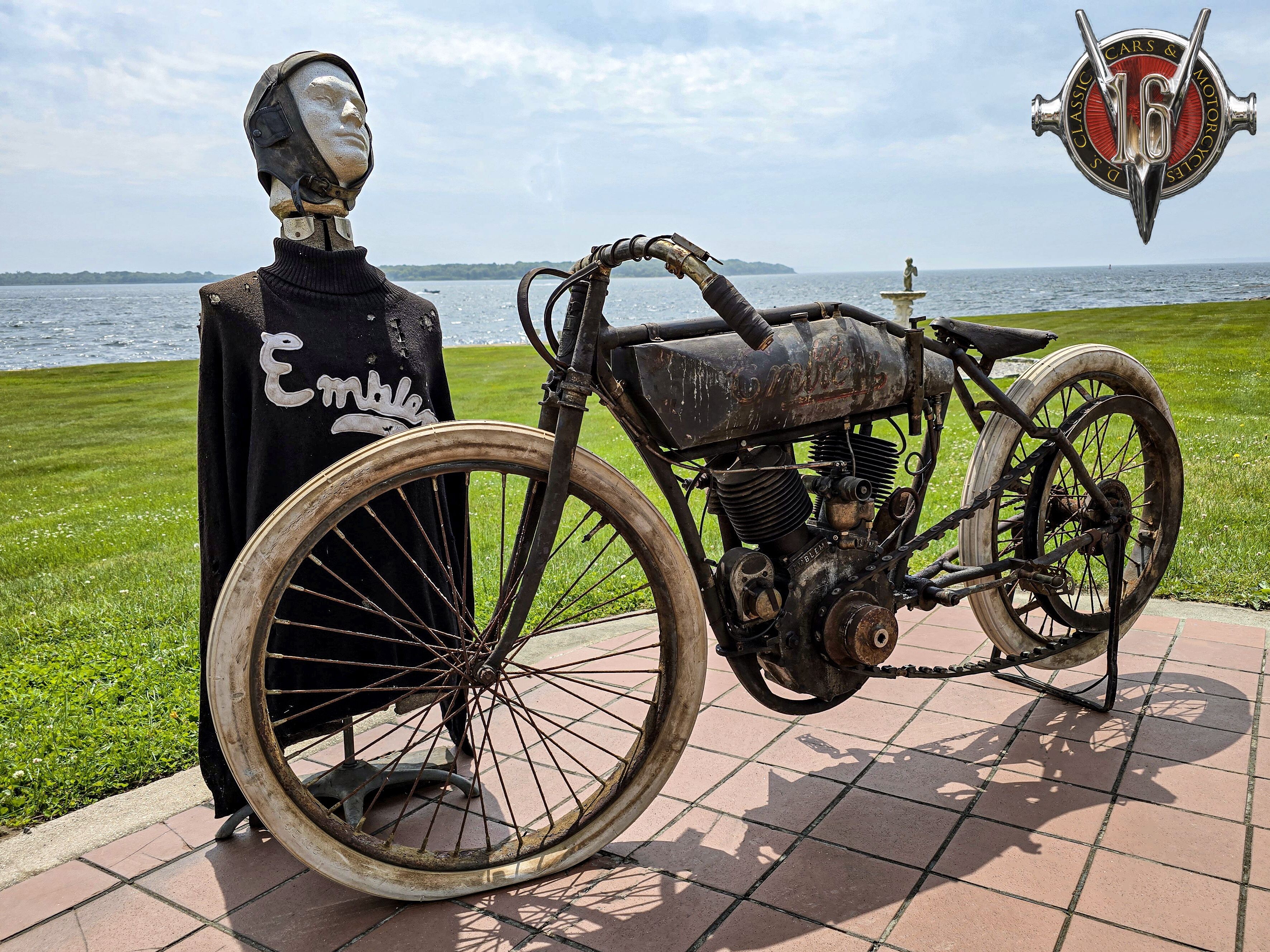
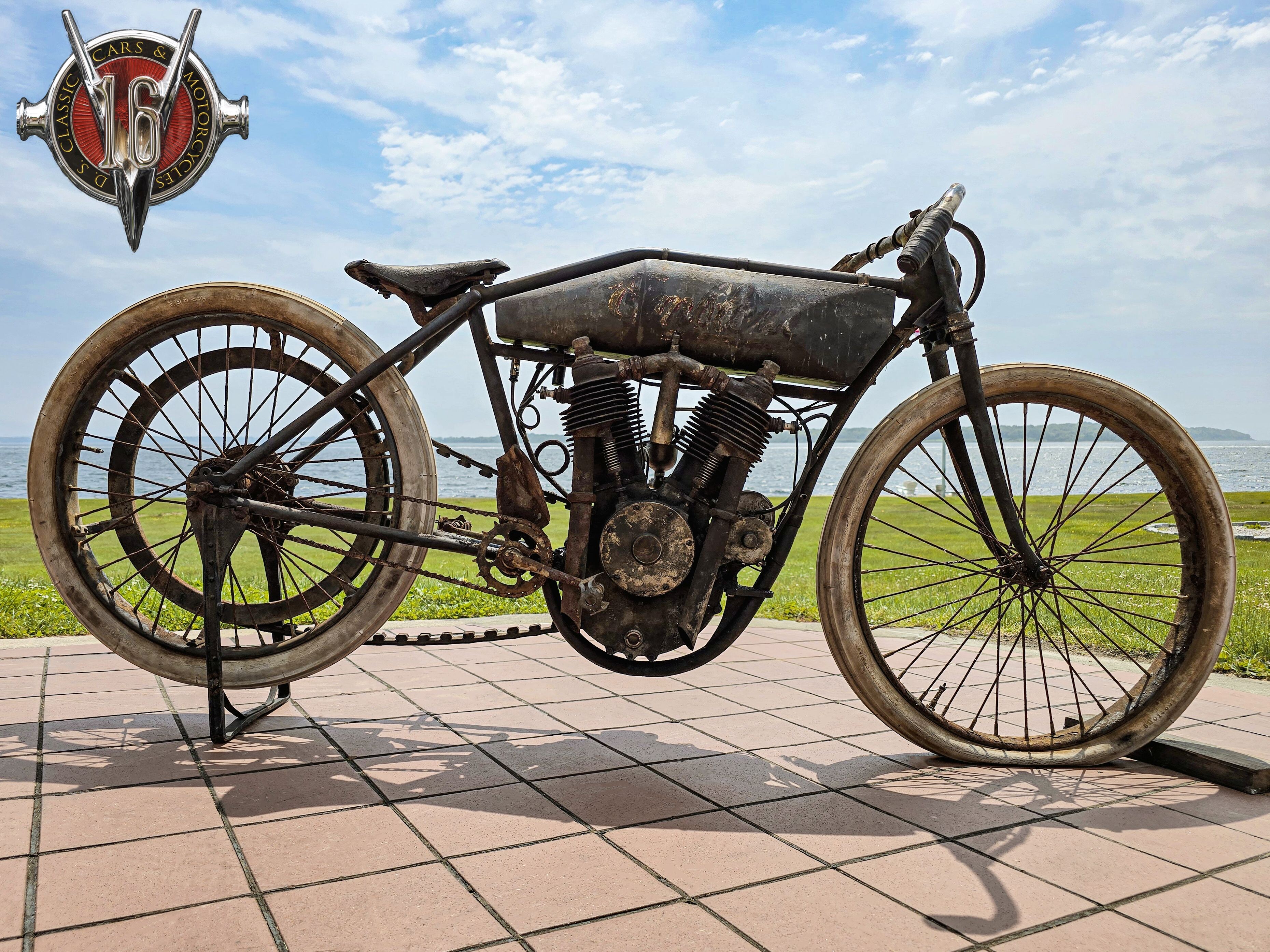
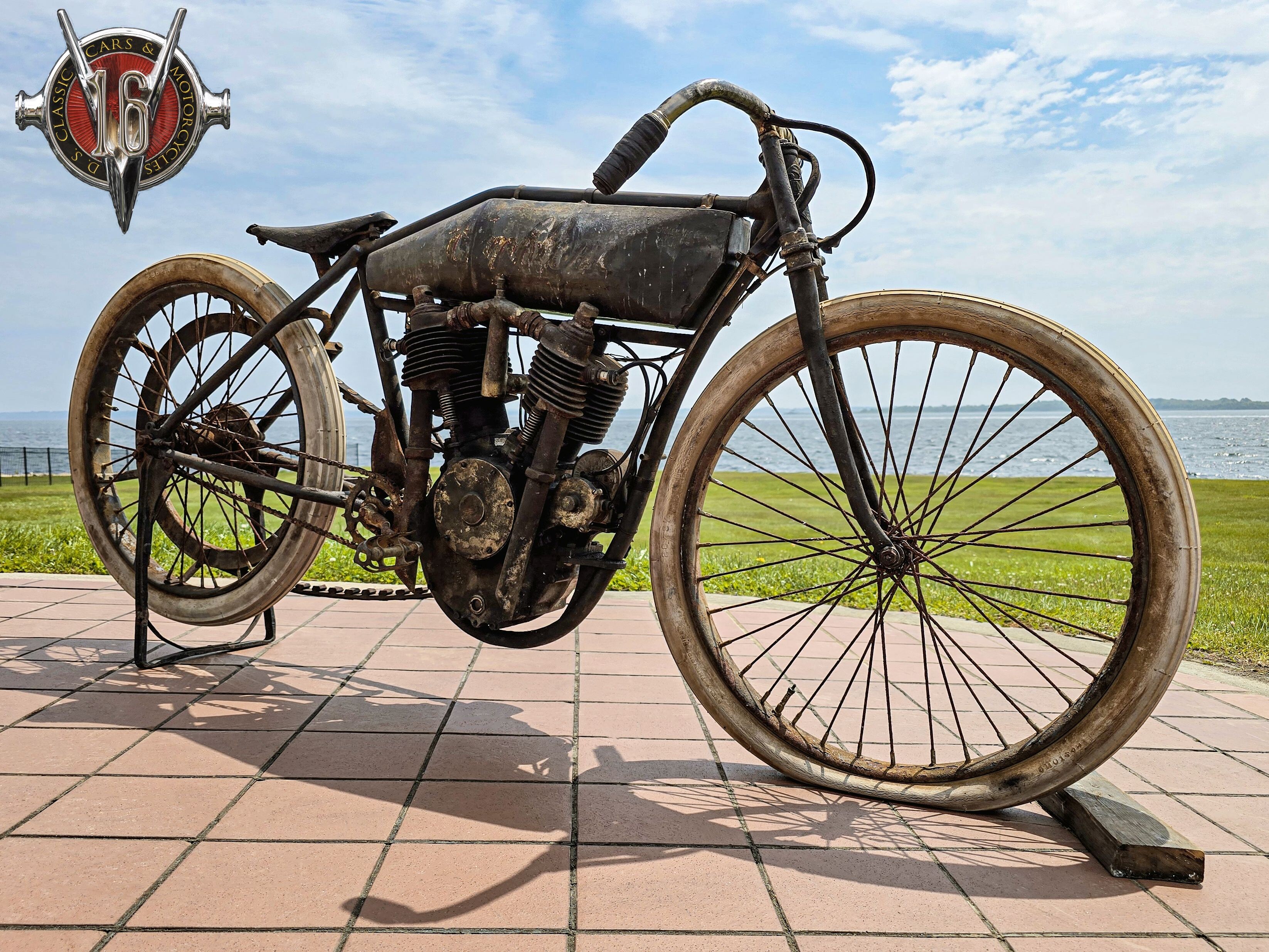
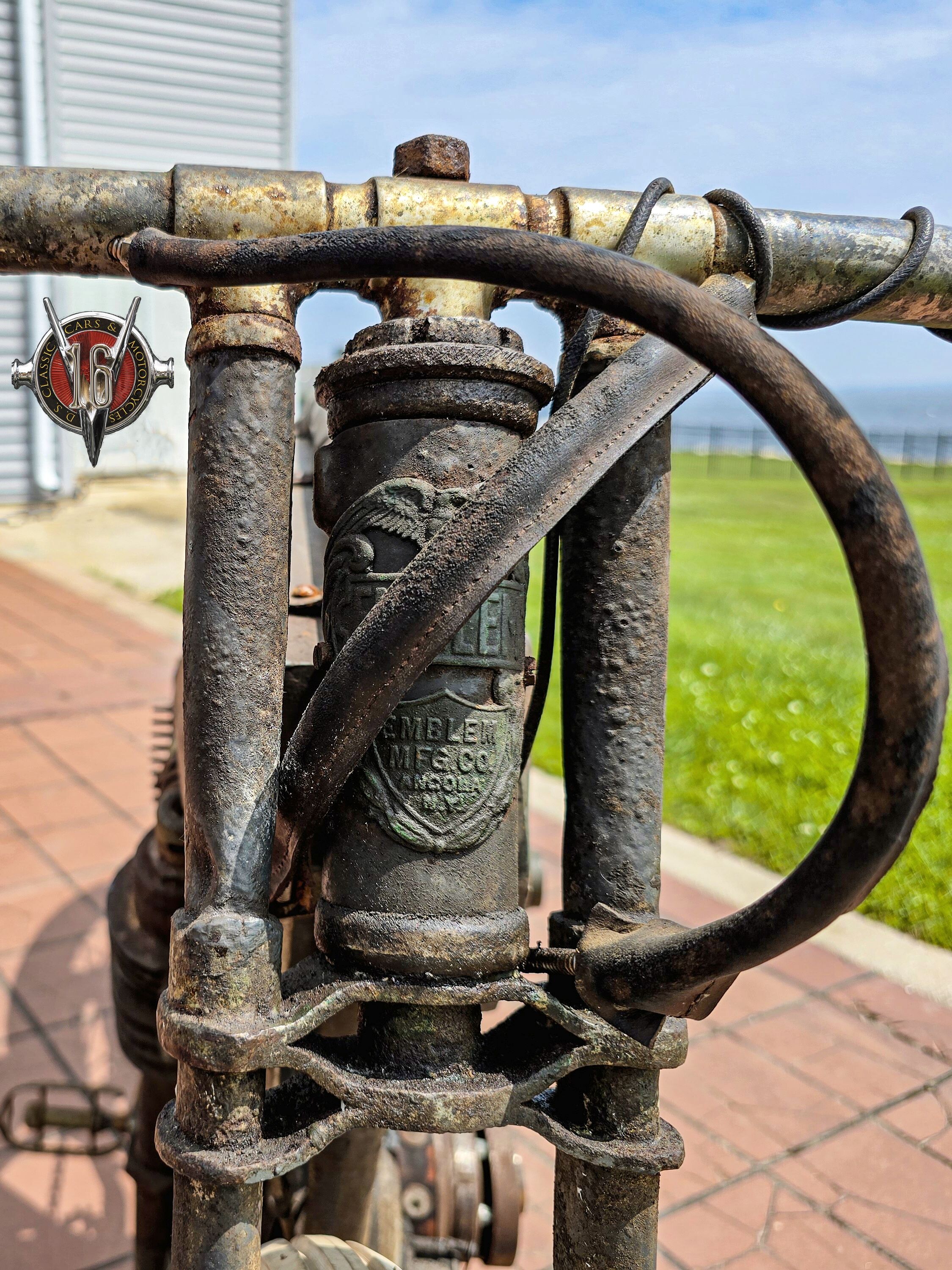
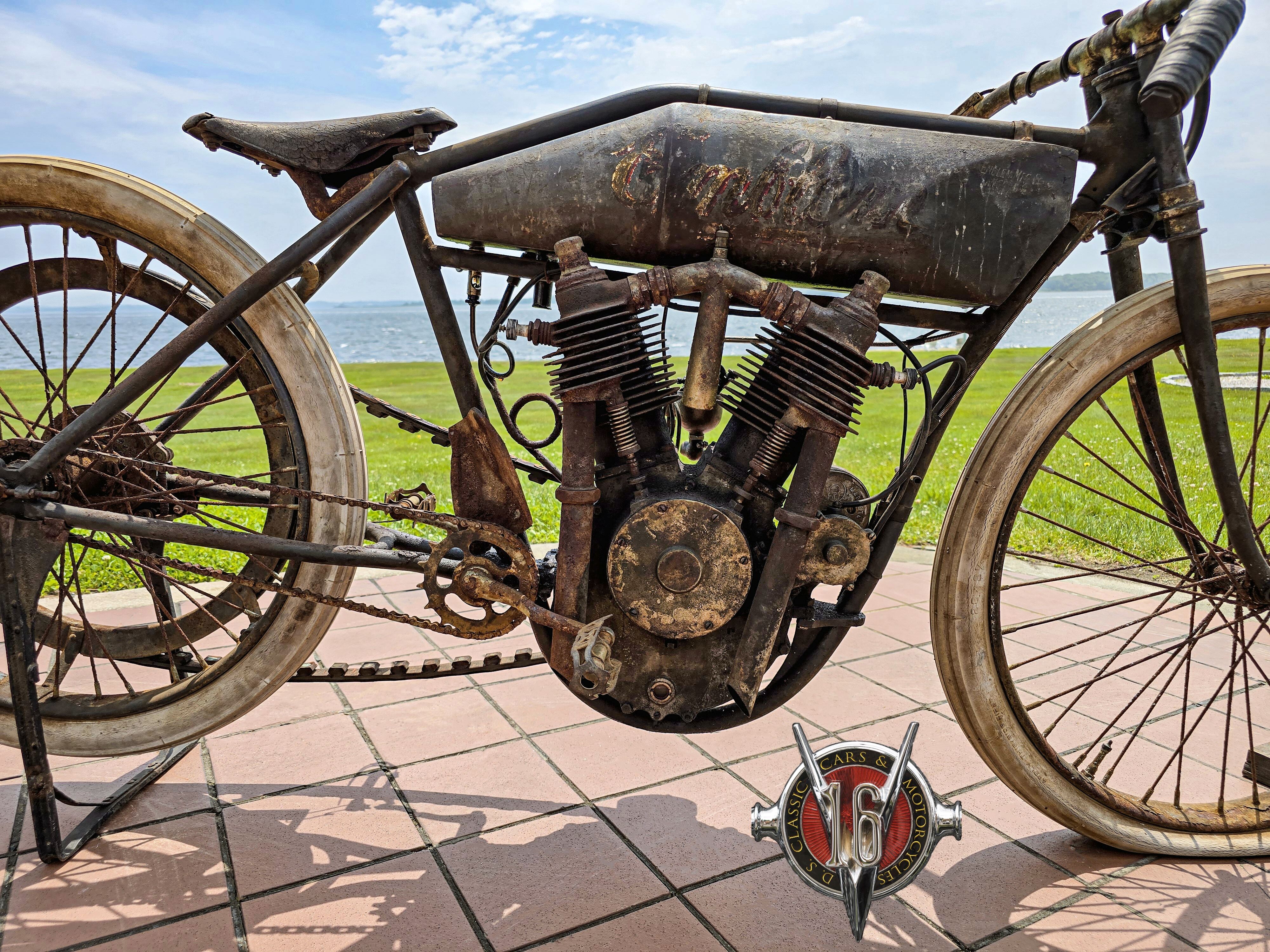
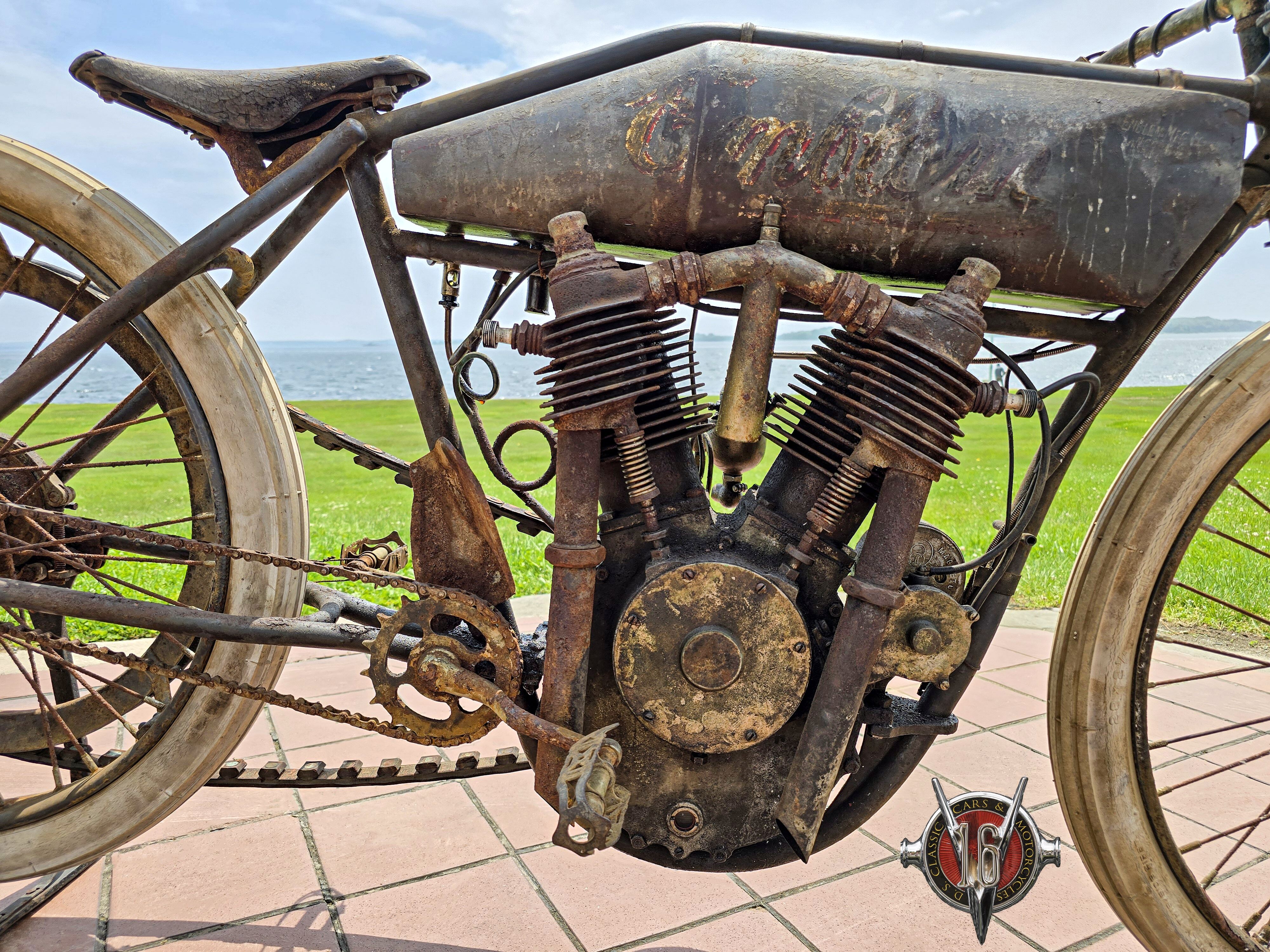
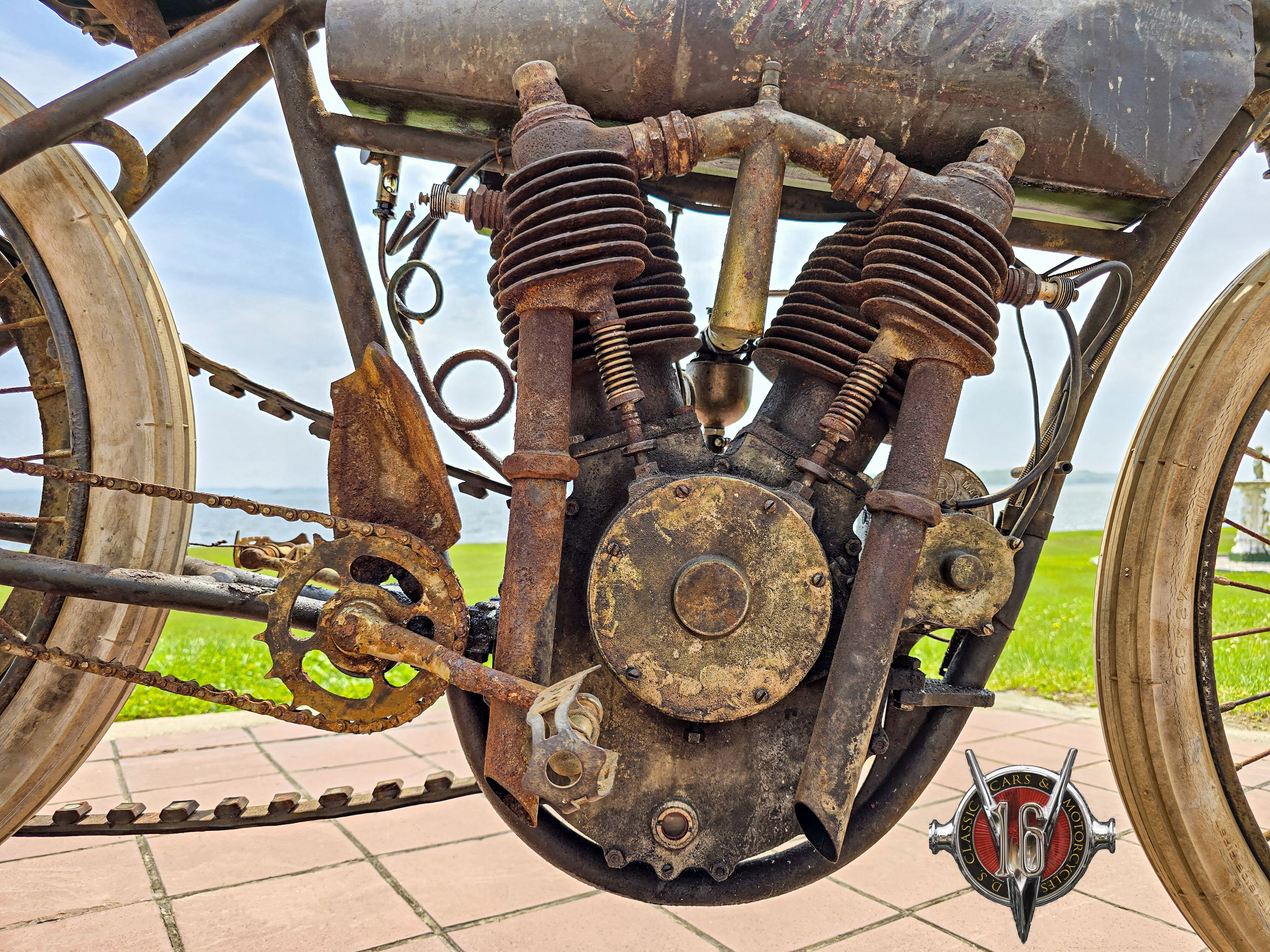
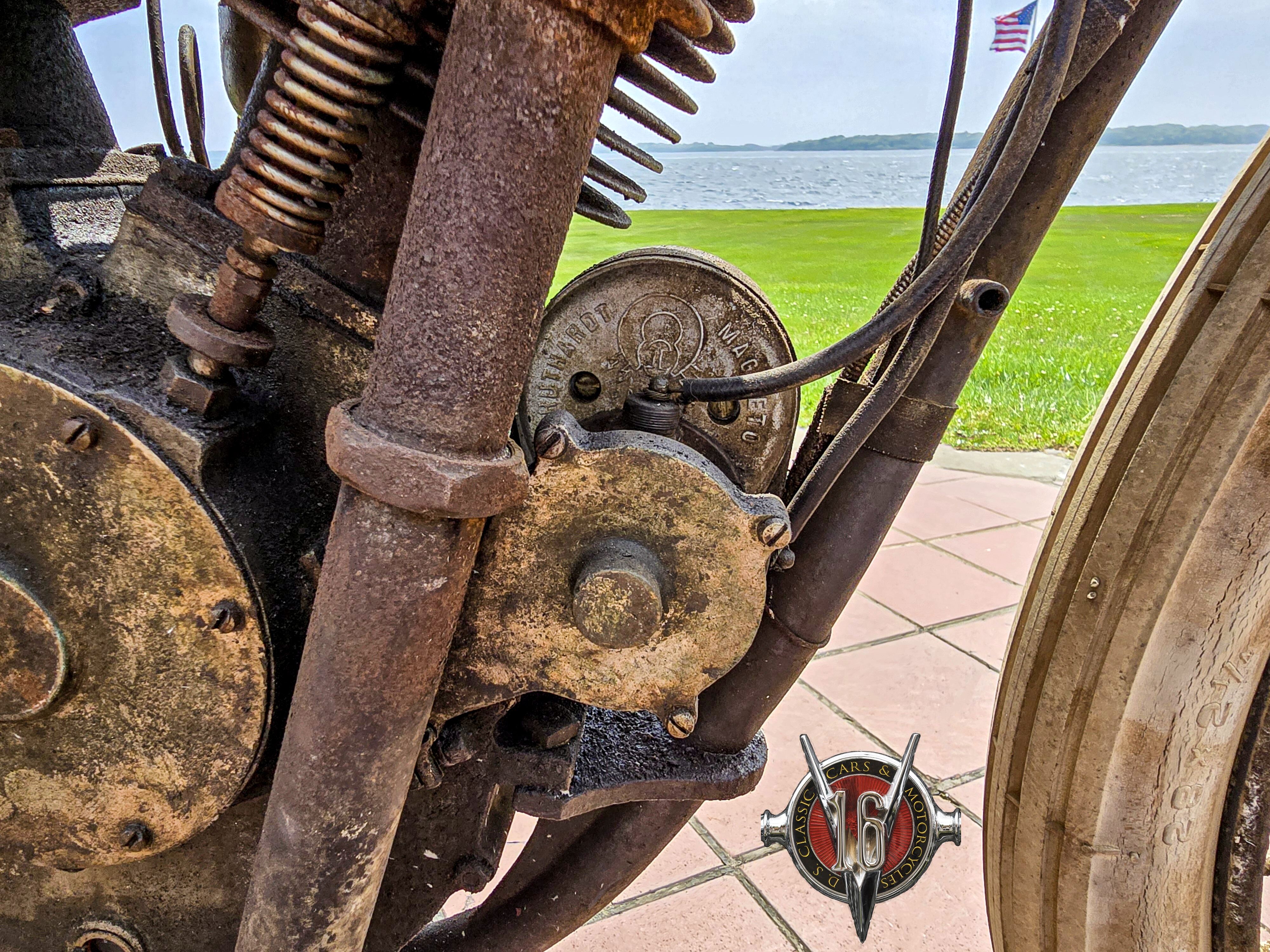
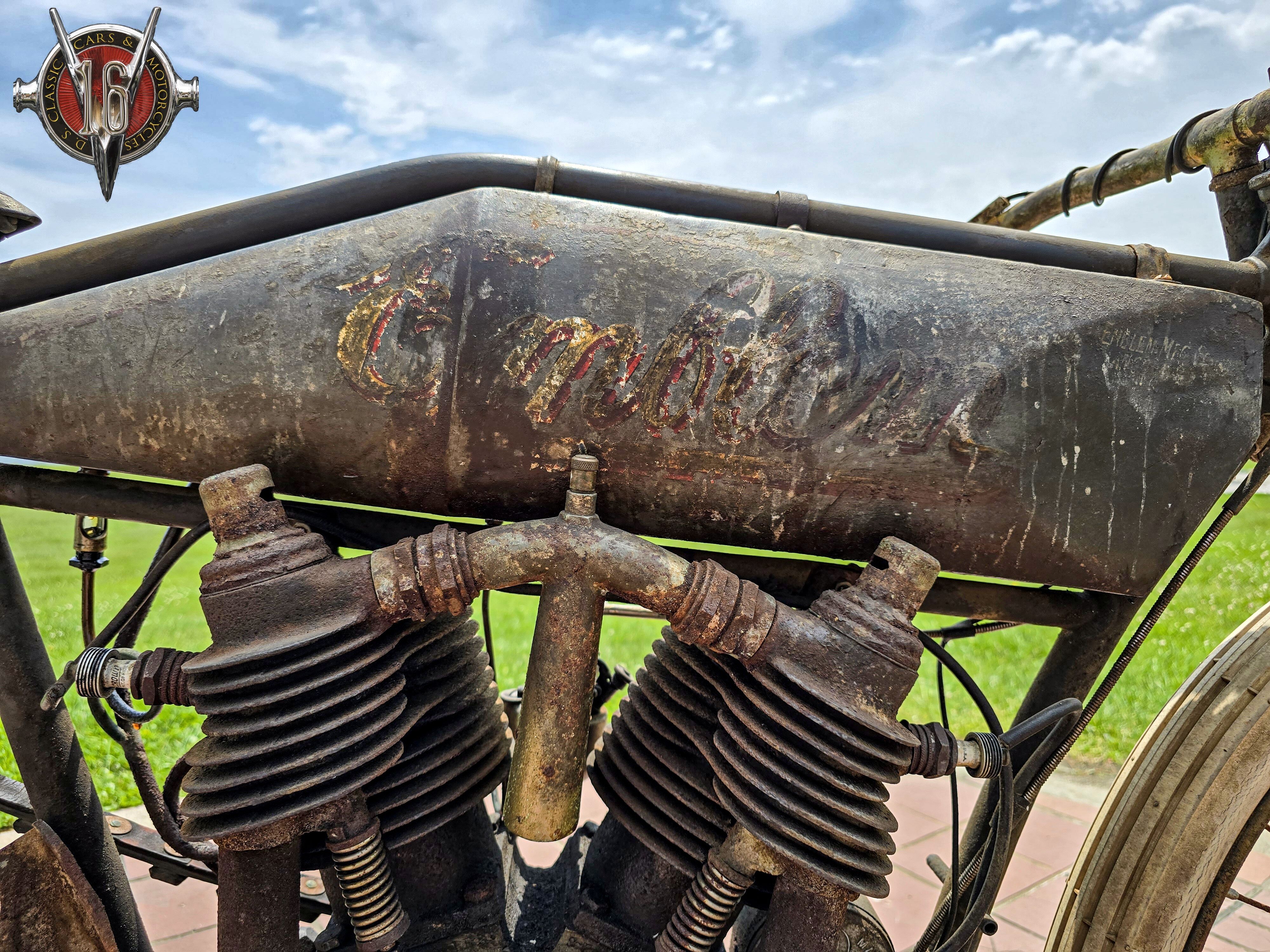
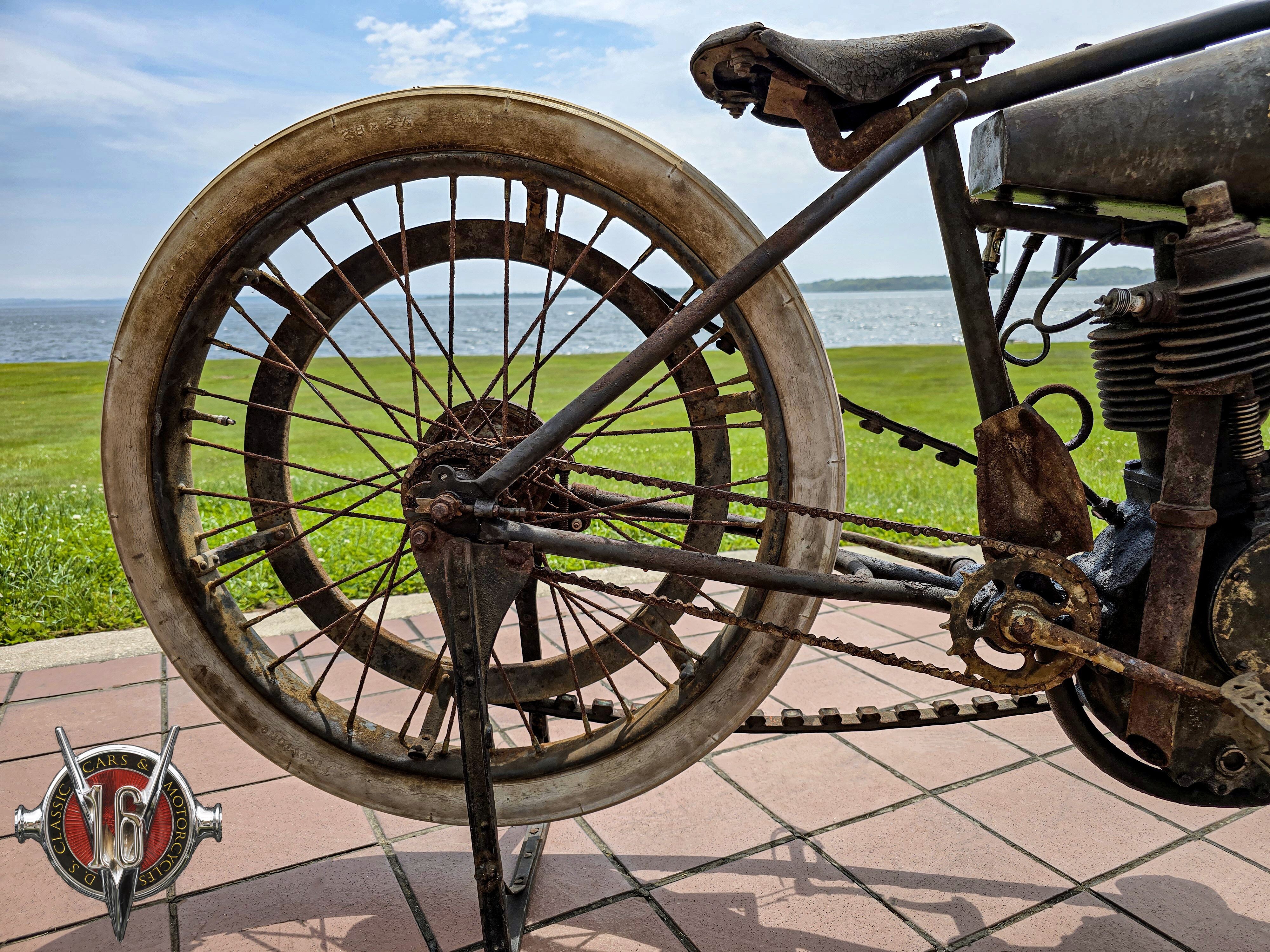
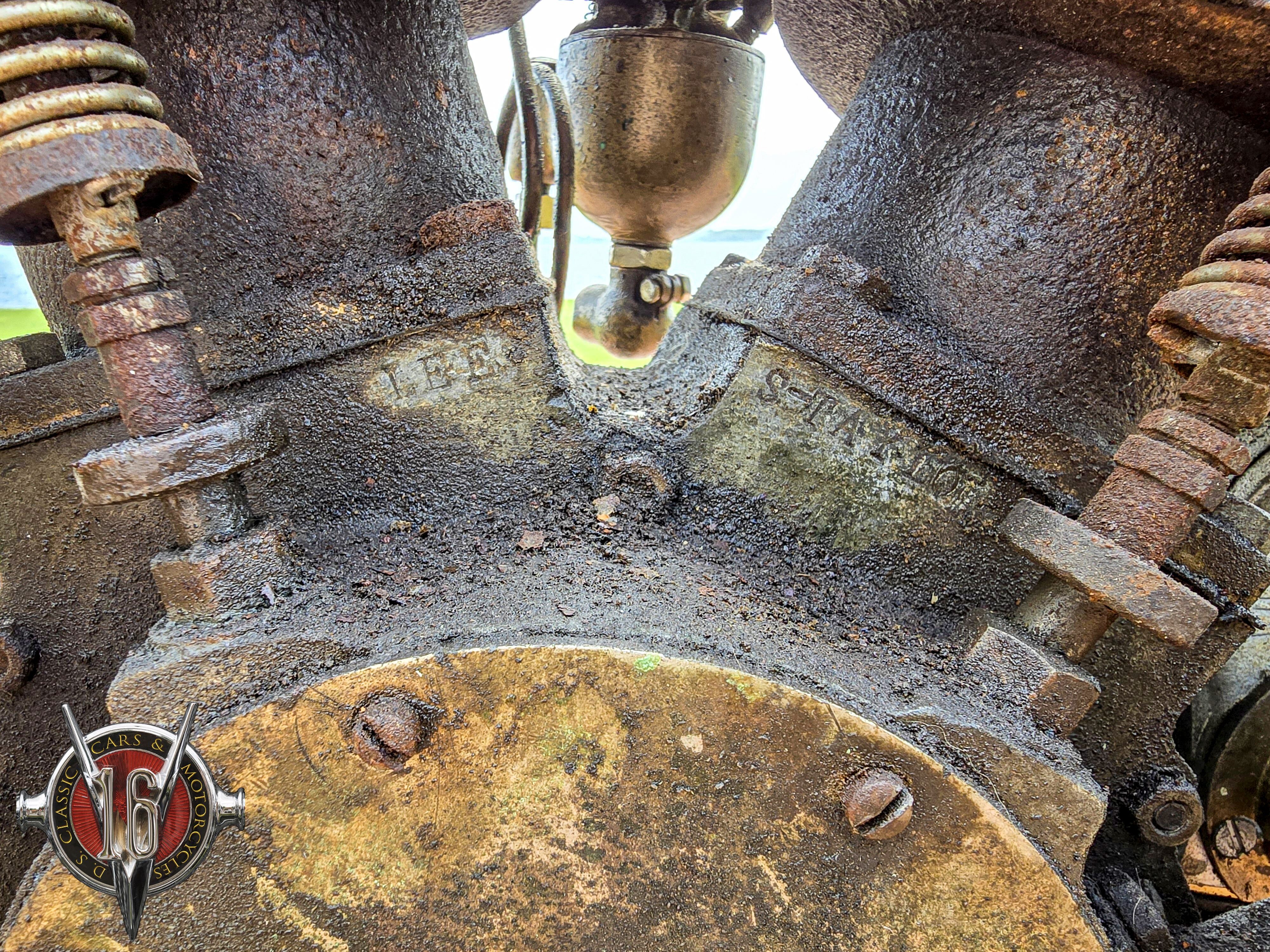
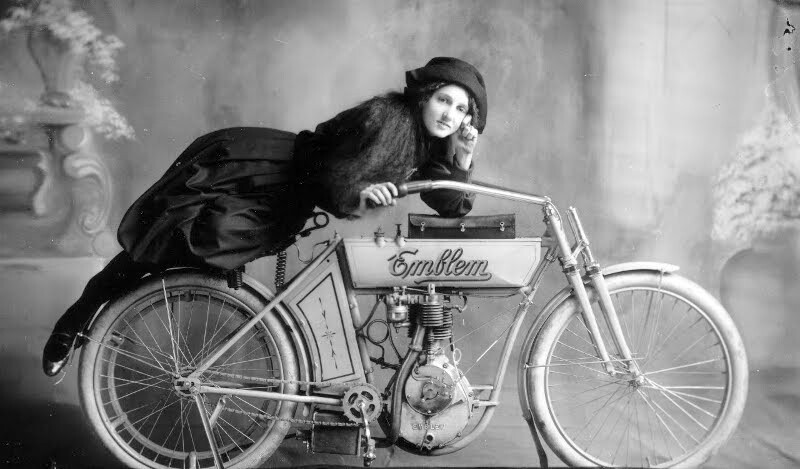
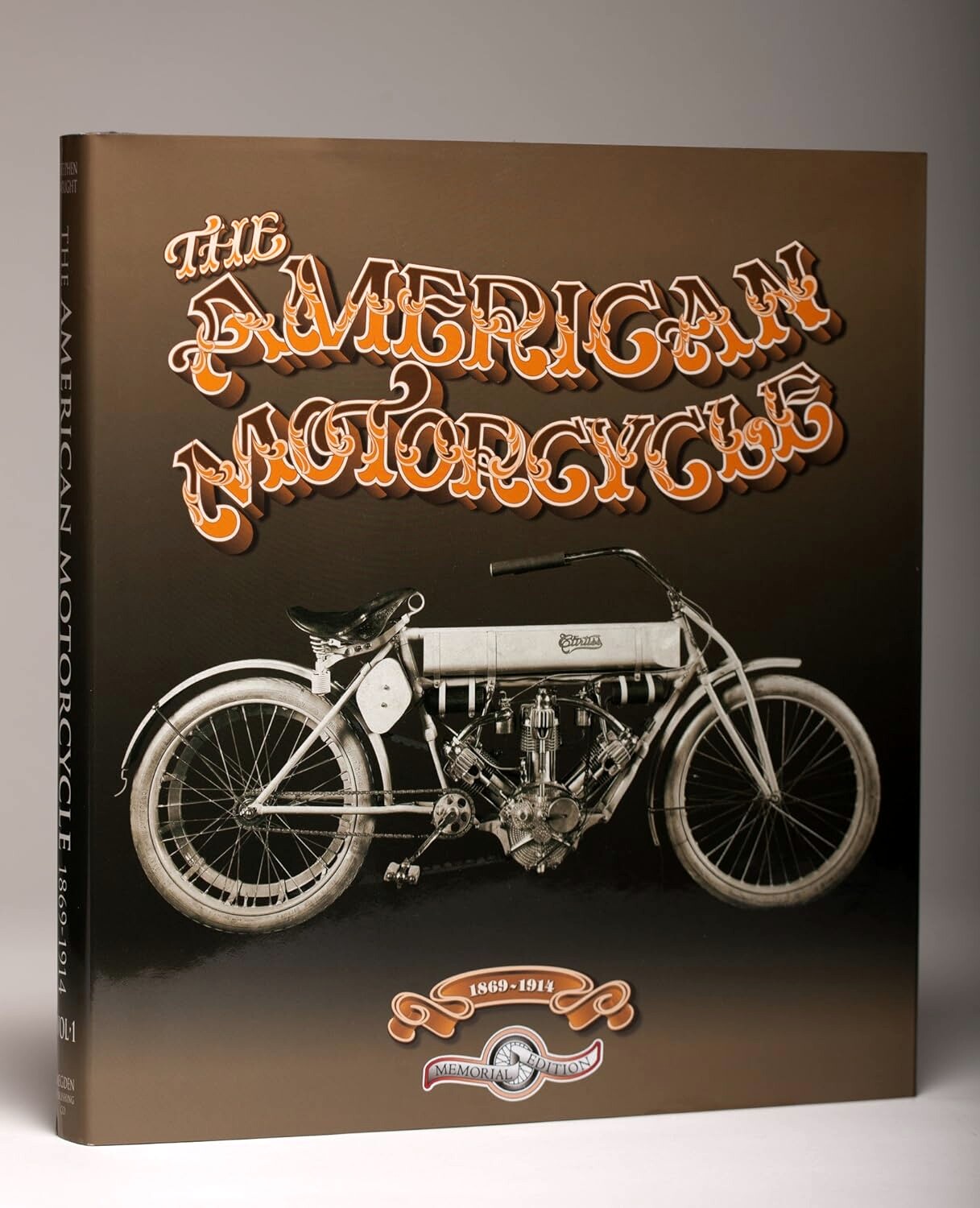
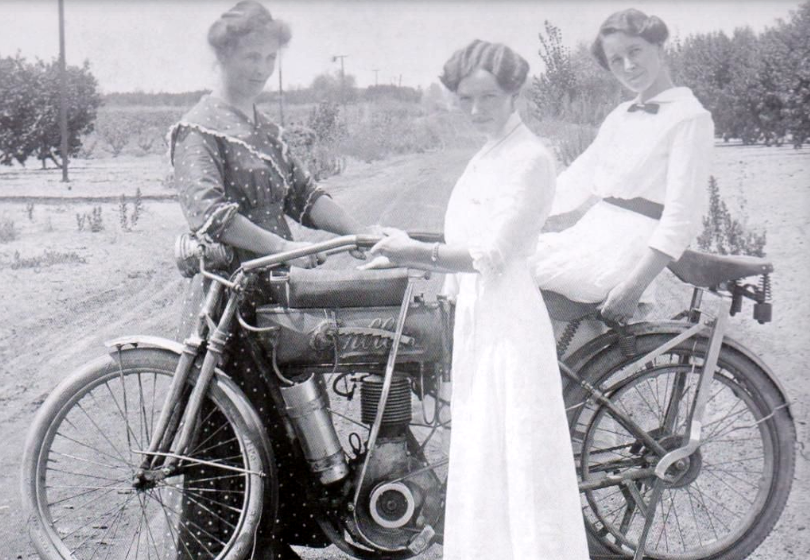
This Original 1911 Emblem Twin Factory Racer has LEE S TAYLOR stamped across the engine, number 7428. A belt-driven V-twin, Emblem cataloged these machines as “semi-racers” because they were basically stock motors that were tuned and fitted to short-coupled racing frames. We believe this bike to be the same model pictured with Lee Taylor, who along with his teammate George Evans, made a clean sweep at the 1911 Springfield, Ohio, Labor Day meet, winning every event they entered (Photo courtesy of “The American Motorcycle” by Stephen Wright, Vol. 1). The engine, under the painstaking care of the Dick Shappy Collection, has been rebuilt and now runs beautifully, carrying with it a momentous piece of early American motorcycle history.
Click here to see 7 minute video.